Gardening Made Simple.

Are you noticing tiny webs and specks on your indoor plants? Those could be spider mites, and they can quickly damage your green friends if left unchecked. Learning How to Get Rid of Spider Mites on Indoor Plants will help you protect your plants and keep them healthy and thriving.
You might feel frustrated watching your plants lose their vibrant color and strength. But don’t worry—getting rid of spider mites is easier than you think. You’ll discover simple, effective ways to protect your plants and keep them thriving. Keep reading, and you’ll learn exactly how to stop these pests from taking over your indoor garden.
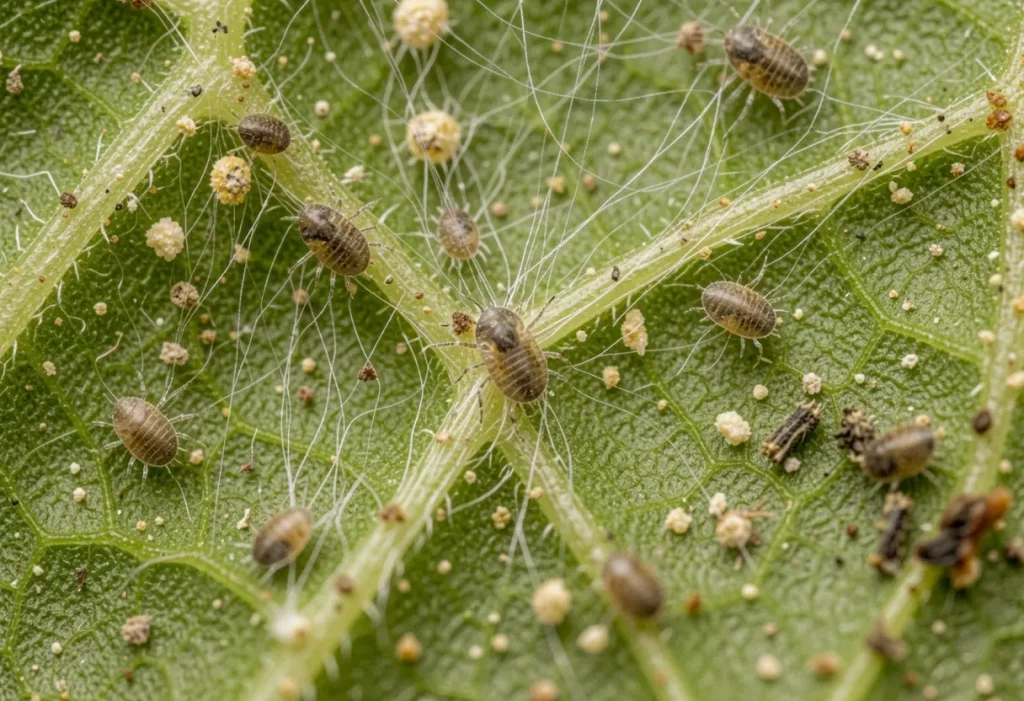
Spider mites are tiny pests that harm indoor plants. They are hard to see with the naked eye. Early identification helps stop damage fast. Knowing their signs and types makes control easier.
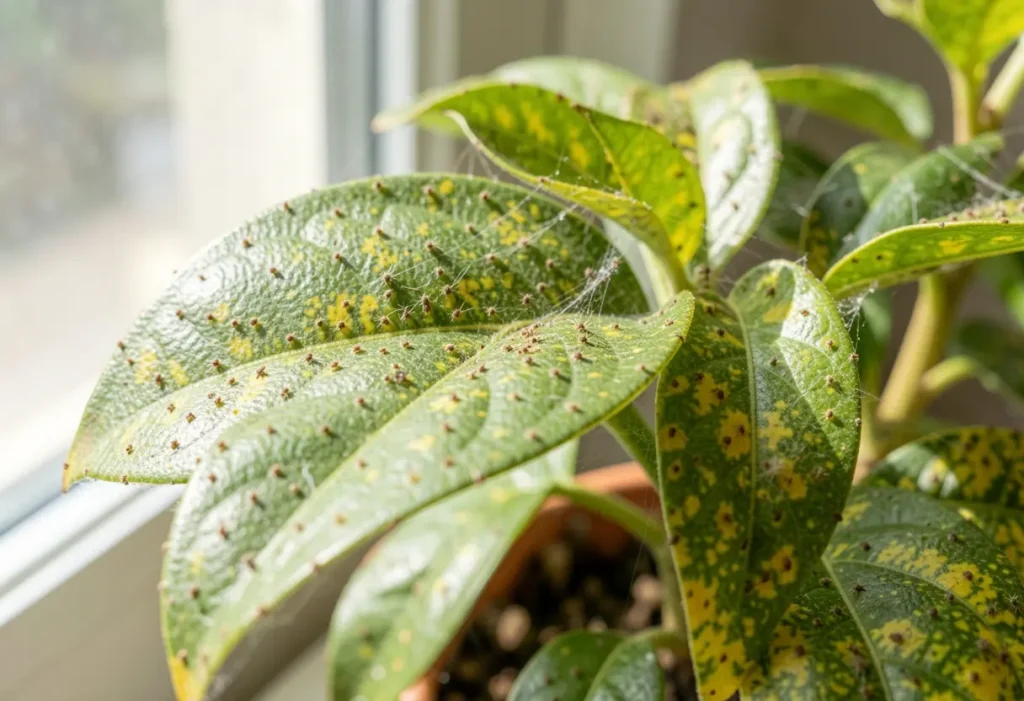
Look for small yellow or white spots on leaves. Leaves may look dusty or speckled. Fine webbing appears on the undersides of leaves. Leaves can turn brown and dry out. Plants may lose vigor and stop growing well.
Two common types affect indoor plants. The two-spotted spider mite is the most widespread. It has tiny spots on its back and spins webs. The red spider mite is smaller and red or orange. Both types feed on plant sap and cause damage.
Spider mite infestations on indoor plants can cause serious damage fast. Understanding the causes helps prevent and control these tiny pests. Several factors create the perfect conditions for spider mites to thrive. They multiply quickly and spread if conditions suit their needs. Knowing these causes helps keep your plants safe and healthy.
Spider mites love dry, hot environments. Low humidity makes plants stressed and weak. This stress attracts spider mites easily. Poor air circulation also helps mites spread faster. Over-watering or under-watering plants can increase their risk. Dust on leaves creates a good place for mites to hide. Bright, direct sunlight can sometimes stress plants too. These conditions create a perfect home for spider mites indoors.
Some plants are more likely to get spider mites. Plants with thin or soft leaves attract mites more. Young or unhealthy plants cannot fight off pests well. Overcrowded plants limit airflow, helping mites spread quickly. Plants lacking nutrients become weak and vulnerable. Plants kept in the same spot for a long time face more risk. Regularly checking plant health can reduce vulnerability to spider mites.
Spider mites can harm indoor plants quickly. Chemical pesticides might damage your plants or indoor air. Natural remedies offer a safer way to control these pests. They protect your plants and keep your home healthy.
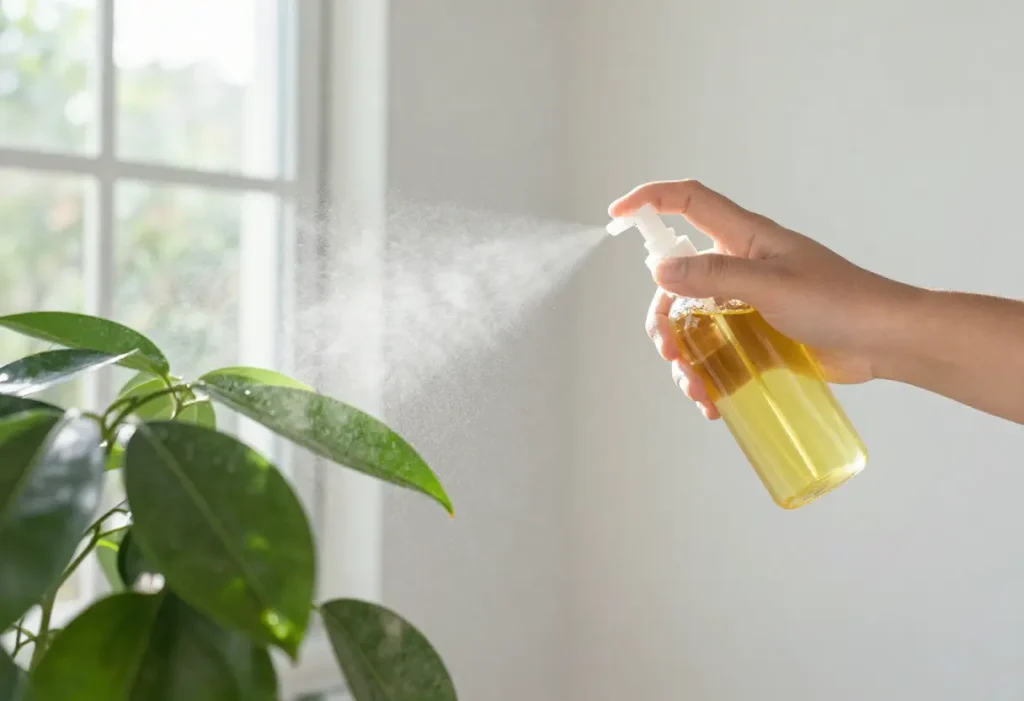
Neem oil is a natural extract from the neem tree. It works by disrupting spider mites' growth and feeding. Mix neem oil with water and spray it on affected plants. Spray the undersides of leaves where mites hide. Repeat every few days until mites disappear.
Simple sprays made from household items can fight spider mites. Mix water with a few drops of mild soap or dish detergent. Spray this solution on your plants' leaves and stems. Soap breaks down the mites' outer layer, killing them. Use the spray twice a week for best results.
Some insects eat spider mites naturally. Ladybugs and predatory mites are good examples. You can buy these insects online or at garden centers. Release them near your indoor plants. They will hunt spider mites and reduce their numbers. This method keeps your garden balanced and chemical-free.
Severe spider mite infestations need stronger action. Chemical treatments can stop mites fast. Use them carefully to protect your plants and home. Follow instructions closely for best results and safety.
Select a miticide made for indoor plants. Check the label for spider mite control. Some products kill eggs and adults. Choose one with low toxicity to humans and pets. Avoid broad-spectrum insecticides that harm beneficial insects. Organic miticides are gentler but may need repeated use.
Wear gloves and a mask during application. Spray in a well-ventilated area only. Avoid contact with eyes and skin. Apply miticide evenly on all plant parts, especially undersides of leaves. Repeat treatment as recommended on the label. Keep children and pets away until dry.
Preventing future spider mite infestations is key to keeping indoor plants healthy. It takes regular care and attention. Small habits can stop spider mites before they start. Creating a good environment for plants helps them fight pests naturally. Below are simple steps to follow.
Check plants often for signs of spider mites. Look under leaves and on stems. Tiny webs or speckled leaves are warning signs. Early detection stops mites from spreading fast. Use a magnifying glass to see mites clearly. Inspect all your indoor plants weekly.
Healthy plants resist pests better. Feed plants with balanced fertilizer as needed. Trim dead or damaged leaves regularly. Clean leaves gently to remove dust and debris. Strong plants create a less friendly place for spider mites. Avoid over-fertilizing, which can attract pests.
Spider mites thrive in dry air. Keep indoor humidity between 40% and 60%. Mist plants or use a humidifier to raise humidity. Water plants properly; avoid letting soil dry out completely. Overwatering also harms plants and invites pests. Balanced watering helps plants stay strong and pest-free.
Cleaning and quarantining new plants stops spider mites from spreading. These tiny pests hide on leaves and stems. They multiply fast and harm your indoor plants. Taking steps early protects your healthy plants.
Cleaning removes pests and dirt from new plants. Quarantining keeps them away from other plants. Both actions reduce the risk of infestation in your home garden.
Check leaves closely. Look under the leaves. Find tiny webs or spots. These signs show spider mites are present. Reject plants with many pests to protect your collection.
Use lukewarm water and mild soap. Spray the plant gently. Wipe leaves with a soft cloth. This removes mites and eggs. Clean the stems and soil surface too.
Place new plants away from others. Use a different room or isolated shelf. Leave them alone for two weeks. Watch for any pest activity during this time.
Check plants every few days. Look for tiny webs or leaf damage. Early detection helps stop mites fast. Treat plants immediately if you find pests.
Spider mites are tiny pests that suck plant sap, causing leaves to yellow and dry out.
Look for tiny webs, speckled leaves, and yellow spots on your plant leaves.
Use water sprays, neem oil, or insecticidal soap to wash and kill spider mites.
Yes, spider mites can attack most indoor plants, especially in dry, warm conditions.
Keep plants clean, maintain humidity, and inspect them regularly for early signs.
Spider mites can harm your indoor plants quickly. Act fast to stop their spread. Clean leaves often and check plants regularly. Use natural sprays or insecticidal soap safely. Keep humidity higher to discourage mites. Healthy plants resist pests better. Patience and care help plants recover well.
With steady effort, your plants will stay healthy and strong. Don’t let spider mites take over your green space. Keep your indoor garden thriving every day.