Gardening Made Simple.

Have you ever thought about turning old cardboard into fresh, delicious mushrooms right at home? How to Grow Mushrooms from Cardboard is easier than you might think and lets you recycle while enjoying your own fresh, tasty mushrooms.
Imagine watching tiny mushrooms sprout from something you would normally throw away. You’ll discover simple steps to start your own mushroom garden using cardboard. Ready to transform waste into a tasty harvest? Let’s dive in and make it happen!
Cardboard is a surprising but excellent material for growing mushrooms. It is easy to find, cheap, and works well for mushroom growth. Using cardboard helps create the right environment for mushrooms to grow strong and healthy.
Many people throw cardboard away without knowing its value for gardening. Mushrooms break down cardboard fibers, turning it into food. This natural process supports mushroom growth without harmful chemicals.
Cardboard is made from recycled paper. Growing mushrooms on cardboard helps reduce waste. It is a green choice that supports the environment. Using cardboard avoids plastic or other non-biodegradable materials.
Cardboard is soft and easy to cut or tear. It soaks up water well, which mushrooms need. You can layer cardboard quickly to build a good mushroom bed. No special tools or skills are required.
Cardboard holds moisture long enough for mushrooms to grow. It also lets air reach the mushroom roots. This balance helps mushrooms develop faster and stronger. Cardboard creates a cozy home for mushroom spores.
Choosing the right mushroom type is key to growing mushrooms on cardboard successfully. Different mushrooms need different conditions to grow well. Some types are easier for beginners, while others need more care. Picking the right mushroom will save time and improve your harvest.
Oyster mushrooms are popular for growing on cardboard. They grow fast and need little care. Their spores spread easily, making them ideal for beginners. Another good choice is shiitake mushrooms. They take longer but have a rich flavor. Both types work well with cardboard as the base.
Oyster mushrooms stand out for beginner growers. They thrive on cardboard and need simple conditions. These mushrooms grow in a few weeks. Their color varies from white to pink or yellow. Choosing oyster mushrooms can help you get started quickly and enjoy your first crop.
Oyster mushrooms are one of the few mushroom species that can quickly colonize cardboard because they efficiently digest cellulose. Their aggressive growth habit helps them establish faster than many other mushroom varieties, reducing the risk of contamination and making them an excellent choice for beginners.
Shiitake mushrooms need more attention. They prefer hardwood sawdust but can grow on cardboard with extra nutrients. These mushrooms grow slower and need stable humidity. If you want a challenge, shiitake mushrooms offer a rewarding experience. Keep temperature and moisture steady for best results.
Preparing cardboard for mushroom growth is a key step. The right preparation helps mushrooms grow healthy and fast. Cardboard acts as a food source and a base for spores. Proper treatment makes it soft and moist enough for spores to spread well.
Following simple steps improves the chance of a good harvest. Clean, soaked cardboard creates the perfect environment for mushroom mycelium. This section explains how to select and prepare cardboard for the best results.
Choose cardboard without shiny or colored surfaces. Plain brown cardboard works best. Avoid glossy or printed areas with heavy ink. These can harm mushroom spores and slow growth. Pick pieces free from tape, staples, or plastic. Clean cardboard reduces contamination risks. Also, thicker cardboard holds moisture longer, helping mushrooms grow better.
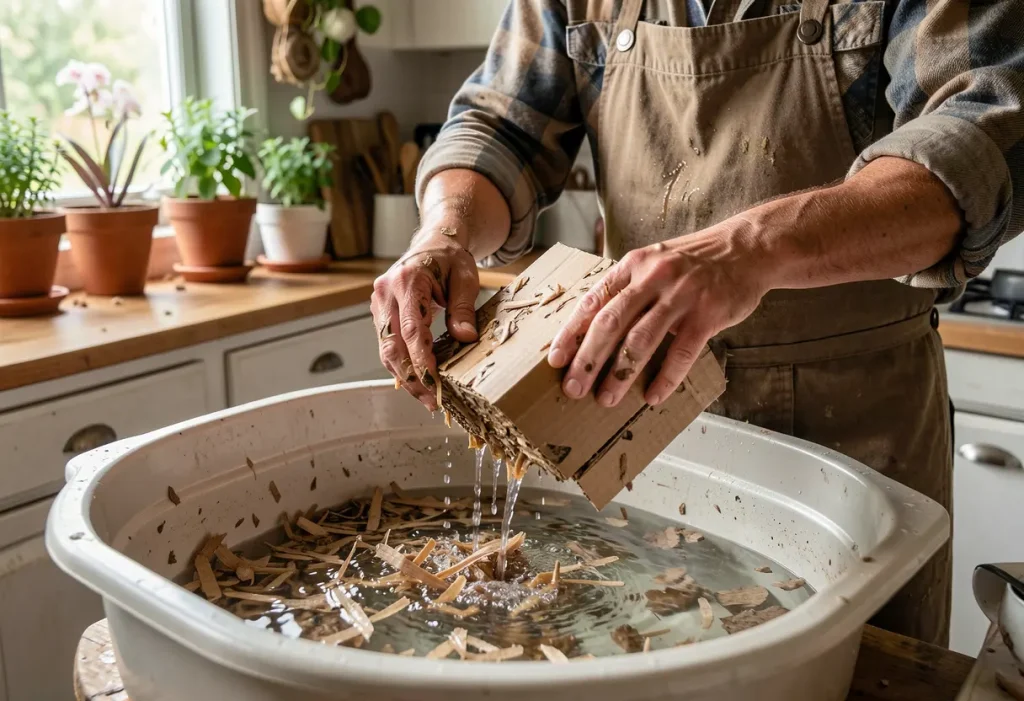
Soak cardboard to soften it for easy mycelium spread. Use warm water, not hot, to avoid killing spores. Submerge cardboard fully for 12 to 24 hours. This makes it soft but not soggy. After soaking, gently squeeze out excess water. The cardboard should feel damp, not dripping wet. Soft cardboard allows spores to penetrate and grow faster. Proper moisture keeps the environment ideal for mushroom development.
Inoculating cardboard with mushroom spawn is a key step in growing mushrooms at home. This process means adding mushroom spores or mycelium to the cardboard. The mycelium will spread and feed on the cardboard, helping mushrooms to grow. Proper inoculation gives mushrooms the best chance to develop healthy and strong.
There are different mushroom spawn types to use. Grain spawn is popular and easy to handle. Sawdust spawn works well for wood-loving mushrooms. Plug spawn is best for outdoor growing on logs. Choose spawn that fits your mushroom type and growing method. Good quality spawn increases mushroom growth success.
Break the cardboard into small pieces to increase surface area. Spread the spawn evenly on the cardboard layers. Press the spawn gently into the cardboard for better contact. Keep the cardboard moist but not wet to help mycelium grow. Store the inoculated cardboard in a dark, warm place. Check regularly for white mycelium growth before fruiting.
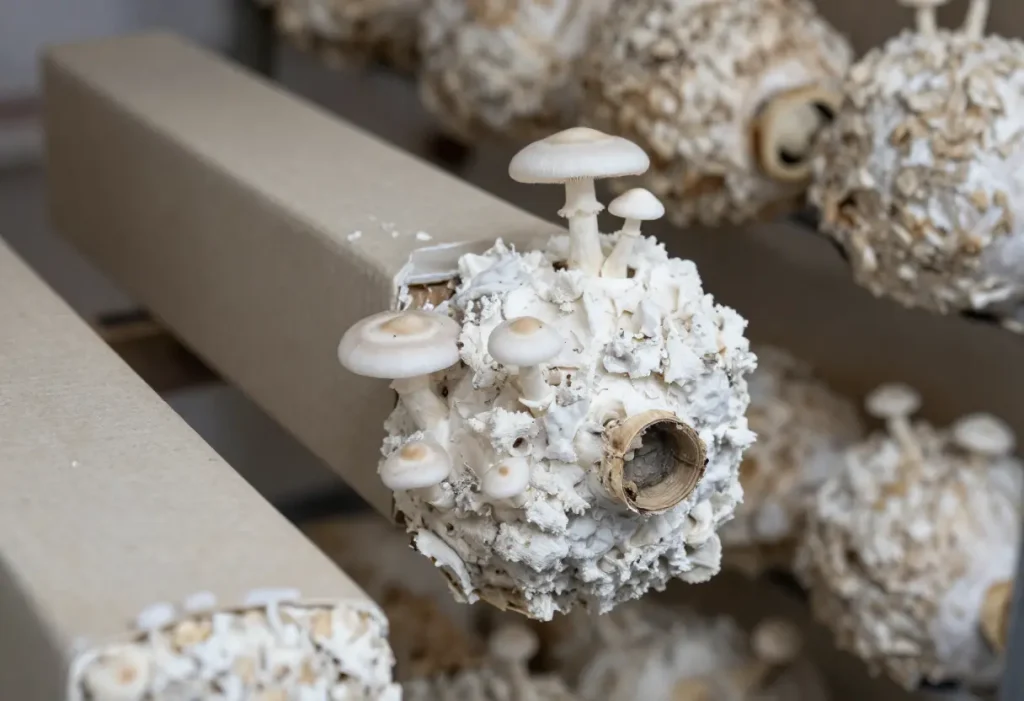
Creating the right conditions helps mushrooms grow strong and healthy. Mushrooms need a cozy, moist spot with clean air. Setting up the perfect environment can increase your chances of a good harvest. This section covers the key factors to focus on for growing mushrooms on cardboard.
Mushrooms grow best in cool places. The ideal temperature is between 55°F and 70°F (13°C to 21°C). Too hot or too cold slows their growth.
Humidity should stay high, around 80% to 90%. Mushrooms need moisture to grow well. Mist the cardboard daily to keep it damp but not soaked. Dry conditions stop mushrooms from forming.
Mushrooms do not need strong light. Soft, indirect light helps them grow without drying out. Avoid direct sunlight, which can kill the mycelium.
Good airflow prevents mold and fungus problems. Fresh air helps mushrooms breathe and grow better. Open windows or use a small fan to keep air moving gently.
Avoid placing your mushroom container directly in front of a strong fan. Excessive airflow can dry out the cardboard and slow mycelium growth. Gentle air circulation works best for maintaining healthy growing conditions.
Growing mushrooms from cardboard is a rewarding process. After setting up, you must watch your mushrooms closely. This helps you catch problems early and encourages healthy growth. Good care means better mushrooms.
Mushrooms need moisture to grow well. Spray water lightly on the cardboard every day. Keep it damp but not soaking wet. Too much water can cause mold. Too little water stops growth. Check the surface; it should feel moist like a wrung-out sponge.
Healthy mycelium looks white and fuzzy. It spreads evenly across the cardboard. Avoid colors like green, black, or pink. These colors mean contamination. Mycelium should smell fresh and earthy. A bad smell shows rot or mold. Watch for thick, web-like growth for good health.
Harvesting mushrooms from cardboard is an exciting step in your growing journey. Knowing when and how to pick them ensures the best flavor and texture. Careful harvesting also helps your mushrooms grow again for future crops.
Pick mushrooms just before the caps fully open. The cap edges should still be curved down. If the caps flatten or start to lift, spores may drop. This can reduce the quality of your mushrooms.
Check your mushrooms daily. They grow fast and can mature overnight. Harvesting at the right time gives you fresh, tasty mushrooms.
Use a sharp knife or scissors to cut mushrooms at the base. Avoid pulling or twisting them off. This can damage the mycelium and slow new growth.
Handle mushrooms gently to avoid bruises. Place them in a clean container. Store them in a cool place to keep them fresh longer.
Growing mushrooms from cardboard is simple but can face some issues. Knowing common problems helps you fix them fast. This keeps your mushroom farm healthy and productive.
Mold can appear as fuzzy spots in colors like green, black, or white. It grows when the environment is too wet or not clean. Remove any moldy parts carefully to stop spreading. Use clean tools and wash your hands before handling the setup. Keep the area dry but moist enough for mushrooms. Good air flow reduces mold chances.
Mushrooms may grow slowly due to low temperature or lack of moisture. Keep the cardboard damp but not soaked. Check room temperature; mushrooms like 55-75°F (13-24°C). Poor light or air circulation can also slow growth. Move the container to a better spot with fresh air. Patience is key; some mushrooms take more time to grow.
Growing mushrooms on cardboard offers many benefits. It is a simple and eco-friendly method. Cardboard acts as a perfect base for mushroom growth. It helps recycle waste while producing fresh mushrooms at home.
This method does not need expensive tools or materials. Anyone can start growing mushrooms with just a few supplies. It also creates less mess and uses little space. Ideal for small apartments or gardens.
Using cardboard reduces waste in landfills. It gives new life to old boxes and paper. Mushrooms break down the cardboard naturally. This supports a green and sustainable lifestyle. Growing food with less waste is good for the planet.
Cardboard is cheap and often free. It replaces costly growing mediums like soil or sawdust. This lowers the cost of starting mushroom cultivation. Home growers save money and resources. A budget-friendly way to enjoy fresh mushrooms.
Cardboard is easy to handle and prepare. It holds moisture well, which mushrooms need. The growing process requires little effort or skill. Beginners can quickly learn and succeed. Less time spent on care means more harvest.
Cardboard provides a clean and natural environment. It helps mushrooms grow strong and healthy. The material encourages good air circulation and moisture retention. This leads to better mushroom quality and size. A reliable medium for consistent yields.
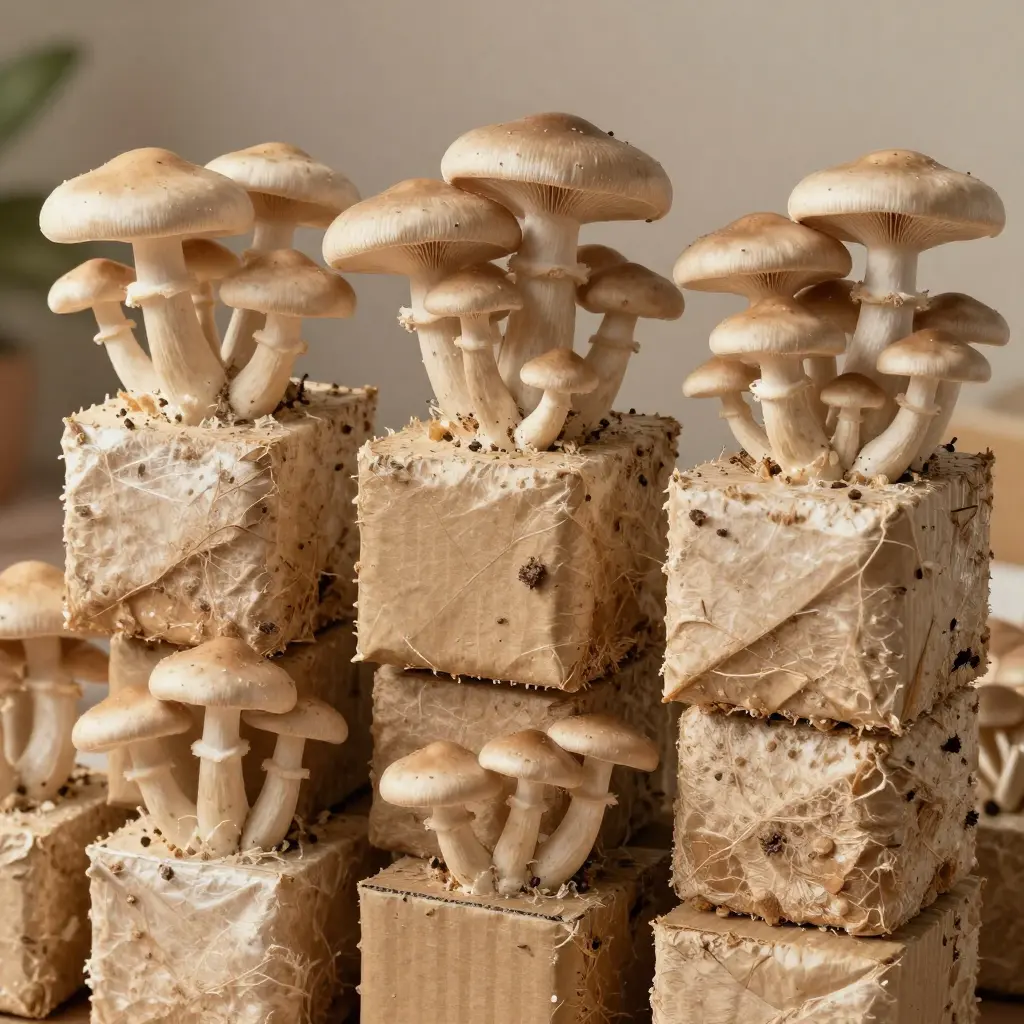
Oyster mushrooms grow well on cardboard because they break down the material easily.
Soak cardboard in water, tear it into pieces, then mix with mushroom spawn.
Mushrooms usually start growing within 2 to 4 weeks after planting the spawn.
Yes, but reuse only after the first crop is fully harvested and material is fresh.
Keep the cardboard moist, in a dark, warm place with good air flow.
Growing mushrooms from cardboard is simple and fun. It uses materials you can find at home. Mushrooms grow quickly with some care and patience. This method helps reduce waste and saves money. Anyone can try it, even beginners. Just follow the steps and watch mushrooms appear.
Enjoy fresh mushrooms grown by yourself. Start today and see the results soon. It’s a small project with great rewards. Why not give it a try?