Gardening Made Simple.
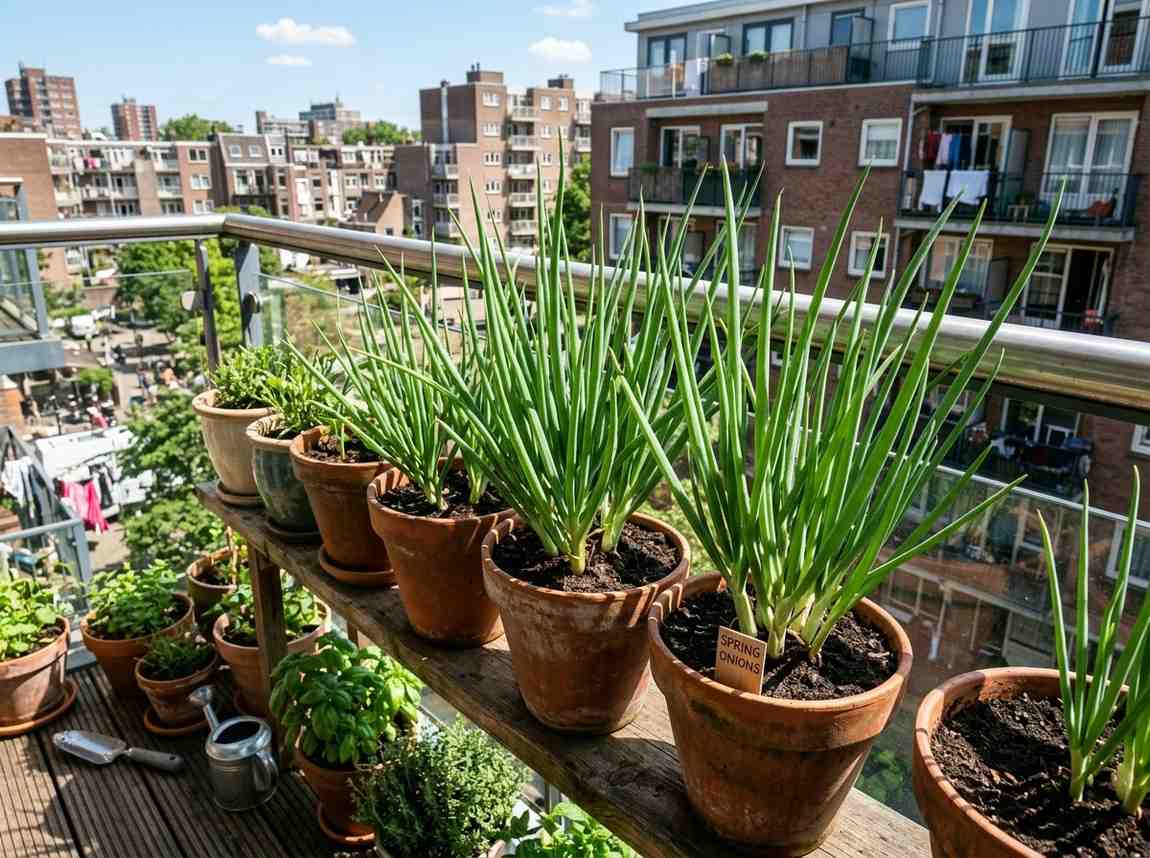
Are you ready to add fresh, flavorful onions to your meals without leaving your home? How to Grow Onions at Home is easier than you might think, and it can save you money while giving you a satisfying gardening experience.
Imagine harvesting crisp, vibrant onions straight from your garden or even a small container on your balcony. In this guide, you’ll discover simple steps to grow healthy onions, whether you have a big yard or just a sunny windowsill. Stick with me, and by the end, you’ll be eager to start your own onion-growing adventure!
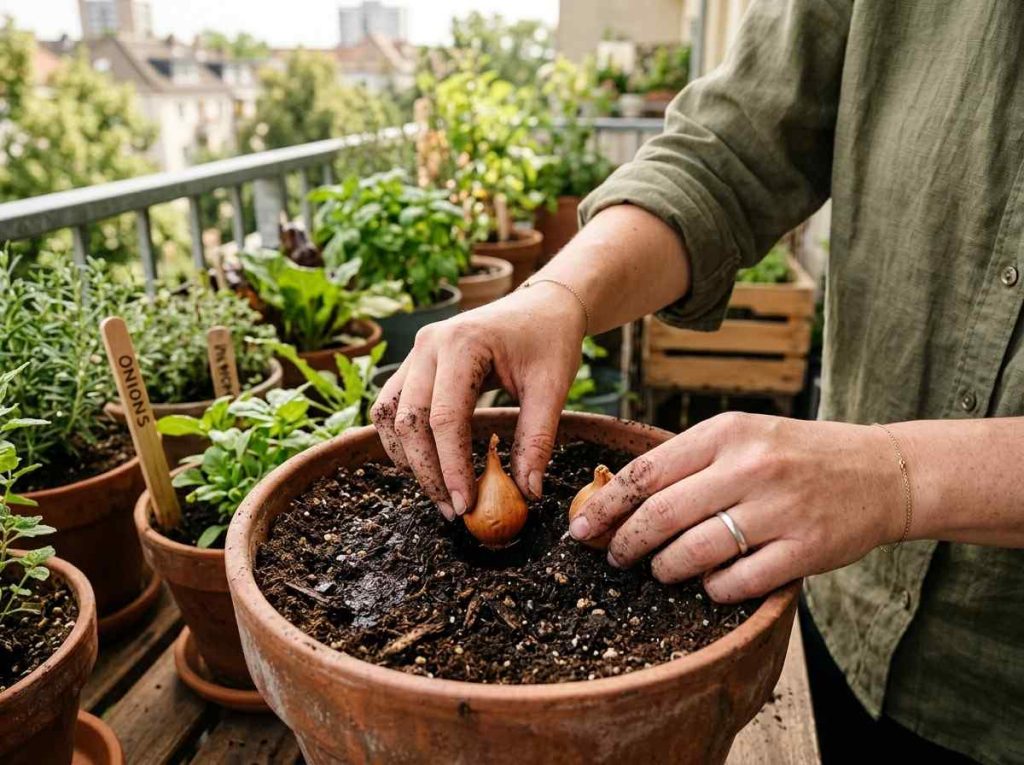
Choosing the right onion variety is the first step to a successful home garden. Different types of onions grow better in certain climates and soils. Your choice affects how big and tasty your onions will be. Understanding onion varieties helps you pick the best one for your garden.
Several onion types thrive in home gardens. Yellow onions are popular and grow well in many areas. They have a strong flavor and store well. Red onions add color and mild taste to dishes. White onions are sweeter and ideal for fresh eating. Pick varieties that suit your taste and cooking needs.
Onions grow differently depending on daylight hours. They are divided into short-day, intermediate-day, and long-day types. Short-day onions need 10-12 hours of light and work best in southern regions. Long-day onions require 14-16 hours and do well in northern areas. Intermediate-day onions grow in places with 12-14 hours of daylight. Matching onion type to your area's day length improves growth and yield.
Preparing the soil is the first step to grow healthy onions at home. Good soil helps onions grow strong roots and big bulbs. Spend time on the soil before planting. This effort pays off with better onion growth and harvest.
Onions need loose, well-drained soil. Heavy clay or waterlogged soil can cause bulbs to rot. The soil should be rich in organic matter. A sandy loam or silty soil works best for onions. The pH level should be between 6.0 and 7.0. Slightly acidic to neutral soil helps onions absorb nutrients well.
Test the soil to check pH and nutrients. You can buy a simple soil test kit or send samples to a lab. Add compost or well-rotted manure to improve soil texture and fertility. Mix the amendments well into the soil. Avoid fresh manure as it can burn young roots. If the soil is too acidic, add lime to raise pH. If too alkaline, sulfur can lower pH. Proper soil preparation creates a healthy environment for onion bulbs.
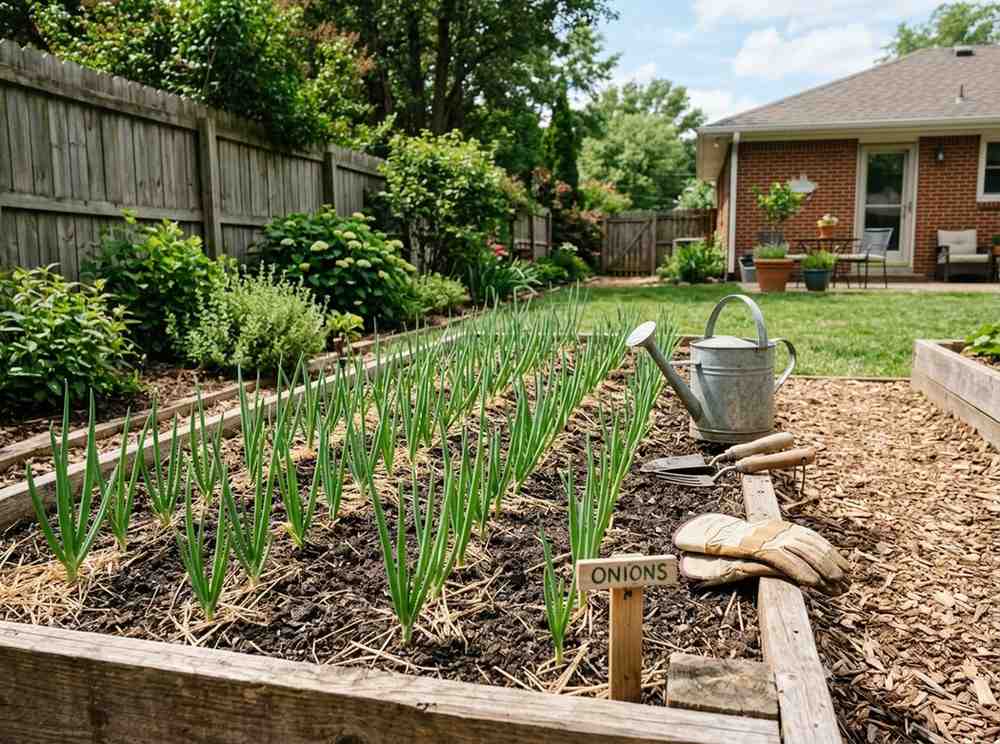
Growing onions at home starts with planting. This step sets the stage for a good harvest. Onions need the right start to grow healthy and strong. Choosing the right planting method and timing can make a big difference. Let’s explore the options and learn how to plant onions successfully.
Seeds are the most affordable option. They take longer to grow but give many choices in onion types. Sets are small onion bulbs. They grow faster and are easier for beginners. Transplants are young onion plants started indoors. They give a quick start and strong growth. Each option has its benefits. Choose based on how much time and effort you want to spend.
Plant onions early in spring. Soil should be cool but not frozen. Onions grow best in full sun and loose soil. Space onions about 4 inches apart. Plant sets or transplants so tops are just above soil. Seeds need to be planted ¼ inch deep. Water gently after planting. Keep soil moist but not wet. This helps roots to grow well and onions to develop.
Caring for onion plants is important to get a good harvest. Healthy plants grow bigger bulbs and taste better. Simple care steps help onions grow strong and resist problems. Pay attention to water, soil nutrition, and pests.
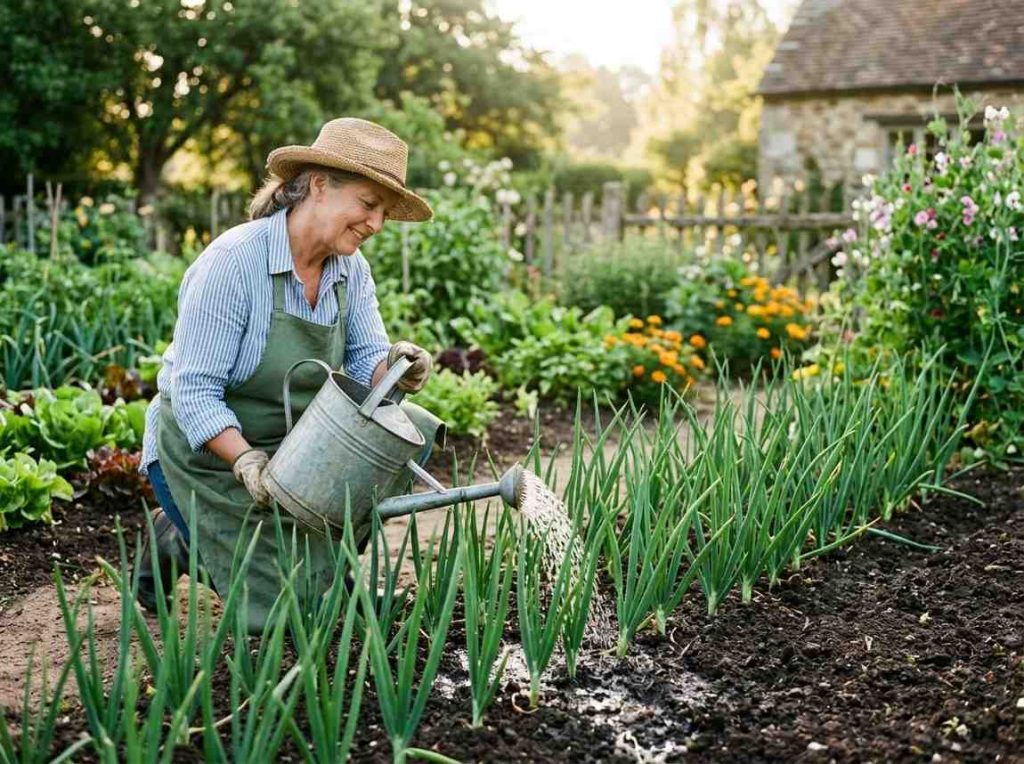
Onions need steady moisture. Water them once or twice a week. Give about one inch of water each time. Avoid overwatering. Wet soil can cause bulbs to rot. Water early in the day to let soil dry. Keep soil moist but not soggy. Mulch helps keep moisture in the soil.
Onions grow best in rich soil. Use a balanced fertilizer with nitrogen, phosphorus, and potassium. Apply fertilizer before planting. Side dress plants with fertilizer every 3-4 weeks. Too much nitrogen makes leaves grow but bulbs stay small. Use compost or organic matter to improve soil health.
Weeds compete with onions for nutrients and water. Pull weeds by hand or use a hoe carefully. Mulch helps stop weeds from growing. Watch for pests like onion maggots and thrips. Use natural pest control methods, such as neem oil or insecticidal soap. Remove damaged leaves to prevent spread of pests and diseases.
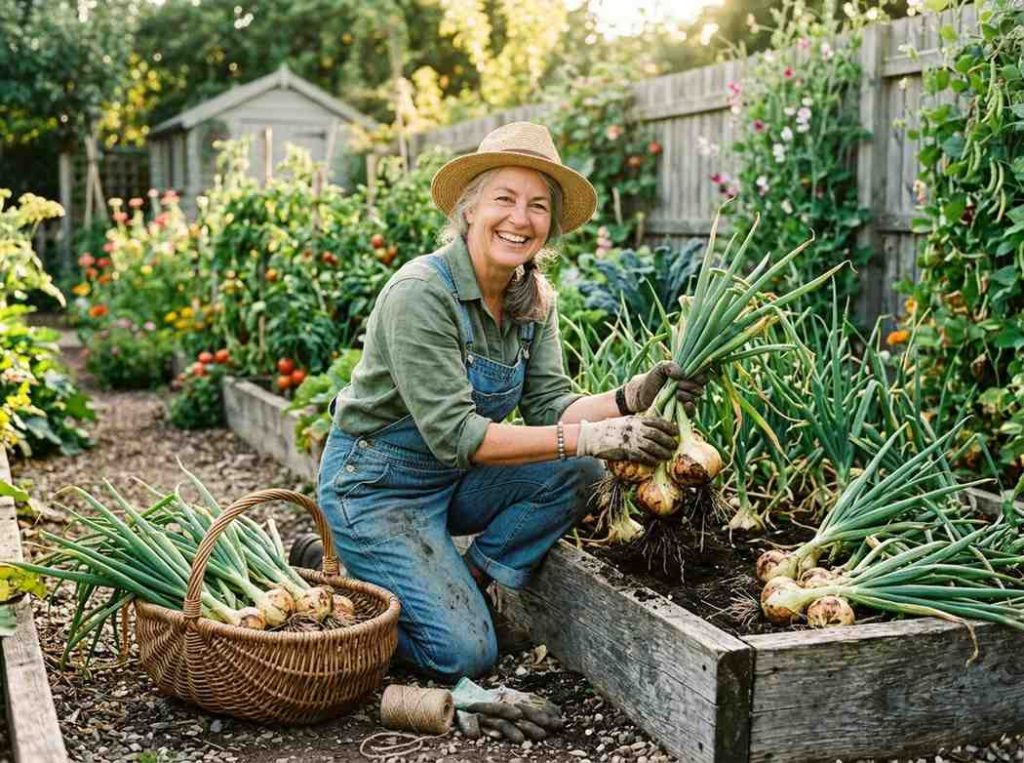
Harvesting onions at home is a rewarding step in growing your own food. Knowing when and how to harvest helps keep onions fresh and tasty. Proper timing and technique protect the bulbs from damage and decay. This section explains how to spot mature onions and how to harvest them correctly.
Onions are ready to harvest when their tops start to fall over. The green leaves will turn yellow and begin to dry. This shows the bulb has grown fully. The onion skin will look papery and dry. The bulbs should feel firm when gently squeezed. Avoid harvesting too early to get the best flavor.
Use a garden fork or hand tool to loosen soil around onions. Pull the onions gently by their stems. Do not yank or twist hard to avoid breaking the bulb. Shake off excess dirt but do not wash the onions yet. Let the onions dry in a warm, airy place for several days. This curing process helps the onions store longer. Store them in a dry, cool spot away from direct sunlight.
After growing onions at home, proper storage is key to keep them fresh. Onions need to dry well before storage. This helps prevent mold and rot. Using onions in the kitchen can be fun and creative. They add flavor to many dishes and snacks.
Start by drying onions in a warm, dry place. Let them cure for about two weeks. Their skins should become papery and dry. Cut off the green tops once dry, leaving about one inch. Store onions in a cool, dark place. Use mesh bags or baskets for good air flow. Avoid plastic bags that trap moisture. Keep onions away from potatoes; they spoil faster together. Check stored onions often. Remove any soft or moldy ones quickly.
Onions taste great raw or cooked. Chop them for salads and sandwiches. Cook onions slowly for a sweet, soft flavor. Add them to soups, stews, and sauces. Try roasting onions to bring out natural sweetness. Use fried onion rings as a crunchy topping. Pickle onions for a tangy snack or side dish. Experiment with caramelized onions on pizzas or burgers. Small changes can make meals more tasty and fresh.
Onions usually take 3 to 4 months to grow fully from seeds or sets.
Onions grow best in loose, well-drained soil rich in organic matter.
Onions need about 6 to 8 hours of direct sunlight each day.
Onions can grow indoors if they get enough light and proper care.
Water onions once or twice a week, keeping the soil moist but not wet.
Growing onions at home brings fresh flavor to your meals. Start with good soil and enough sunlight. Water regularly but avoid soaking the plants. Watch your onions grow and enjoy the process. Harvest when the tops turn brown and dry.
Store them in a cool, dry place. Homegrown onions are tasty and rewarding to grow. Try it in your garden or even in pots. Small efforts lead to fresh, healthy onions for your kitchen. Simple steps make onion growing easy and fun.