Gardening Made Simple.
Growing fresh parsley in winter might sound tricky, but it’s easier than you think. Imagine having vibrant green leaves ready to brighten up your meals, even when it’s cold outside. With these tips on How to Grow Parsley in Winter, you can enjoy fresh, lush parsley all season long.
You don’t have to rely on store-bought herbs that lose flavor quickly. You’ll discover simple, practical steps to keep your parsley thriving through the chilly months. By the end, you’ll feel confident and excited to grow your own winter parsley garden right at home.
Ready to bring fresh flavor to your kitchen all year round? Let’s get started!
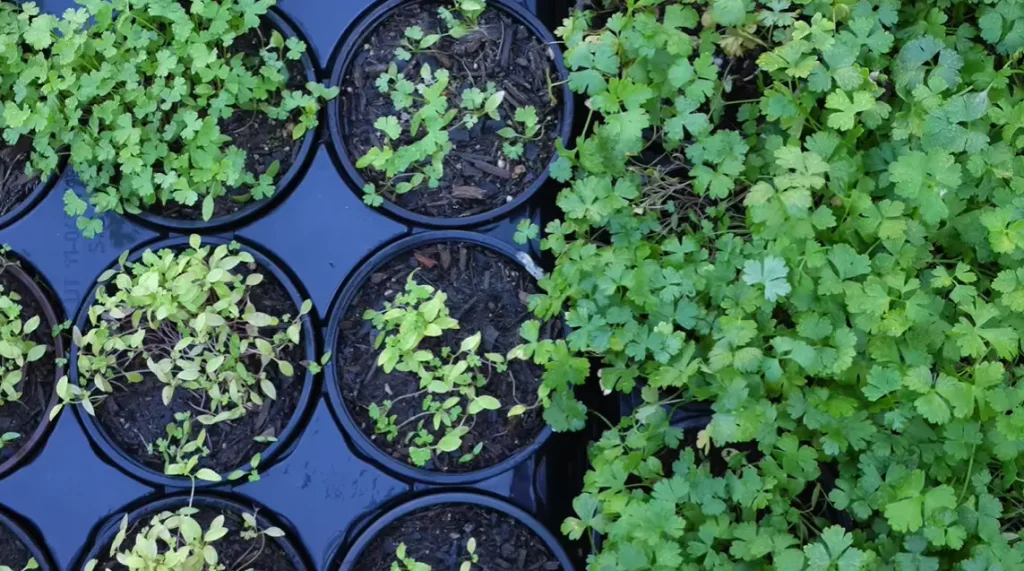
Choosing the right parsley variety is important for winter growth. Some types handle cold better and grow faster. Knowing the difference helps you pick the best parsley for your garden. This section explains the main types and cold-tolerant options.
Flat-leaf parsley has smooth, broad leaves. It has a stronger flavor and is easier to clean. Curly parsley has ruffled leaves. It looks nice as a garnish but has a milder taste. Both types grow well, but flat-leaf parsley is often preferred for cooking.
Flat-leaf parsley tends to grow faster and withstands winter better. Curly parsley may need more care in cold weather. Choose flat-leaf for easier winter growth and cooking use.
Some parsley varieties survive cold better than others. Look for types labeled as cold-hardy. These varieties resist frost and keep growing in low temperatures. Examples include 'Giant of Italy' and 'Hamburg' parsley.
Cold-tolerant parsley stays green and fresh longer in winter. It needs less protection from frost. Plant these varieties to enjoy fresh parsley all season.
Preparing soil for winter growth is key to healthy parsley plants. The soil must be ready to support the cold season. Good preparation helps parsley survive and thrive. Focus on soil type, pH, and nutrition. These factors create the best environment for winter growth.
Parsley grows best in well-draining soil. It should hold moisture but not stay soggy. Loamy soil with a mix of sand, silt, and clay works well. The ideal pH level is between 6.0 and 7.0. Slightly acidic to neutral soil helps parsley absorb nutrients. Test the soil pH using a simple kit. Adjust the pH by adding lime to raise it or sulfur to lower it.
Adding compost enriches the soil with organic matter. Compost improves soil structure and moisture retention. Spread 2 to 3 inches of compost over the soil surface. Mix it well into the top 6 inches of soil. Use balanced fertilizers with equal parts nitrogen, phosphorus, and potassium. Apply fertilizer before planting parsley. This boosts growth and strengthens plants against cold. Avoid over-fertilizing, as it can harm the roots.
Growing parsley in winter requires the right planting time and methods. Parsley needs a steady temperature and enough light to thrive. Starting seeds at the right moment helps plants grow strong and healthy before cold weather sets in. Choosing the best planting method depends on your space and climate.
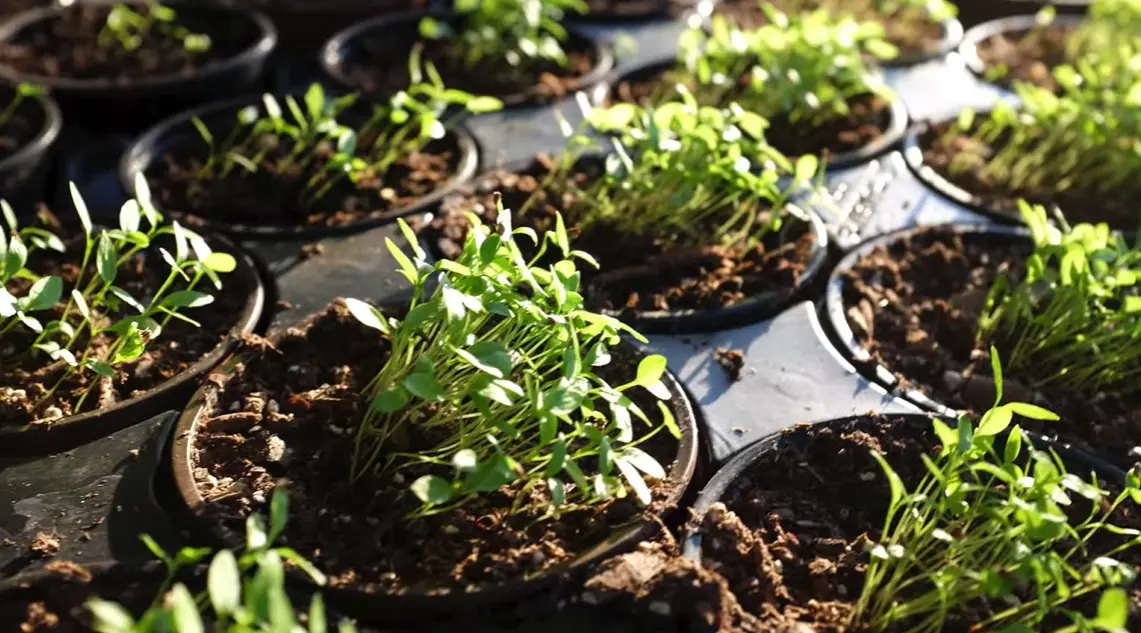
Start parsley seeds indoors 8 to 10 weeks before the first frost. Use small pots or seed trays with good drainage. Fill them with seed-starting mix. Sow seeds about 1/4 inch deep. Keep soil moist but not wet. Place pots in a warm, bright spot. Parsley seeds take 2 to 4 weeks to sprout. Once seedlings have a few leaves, move them to a cooler area with plenty of light. Harden off plants by taking them outside a few hours daily for one week before transplanting.
Parsley can be sown directly outdoors 6 to 8 weeks before the first frost. Choose a sunny spot with well-drained soil. Loosen soil and remove weeds. Sow seeds 1/4 inch deep and 6 inches apart. Keep soil moist during germination. Seeds may take up to 4 weeks to sprout. Mulch around seedlings to protect roots from cold. Thin plants to 8 to 10 inches apart once they grow a few inches tall. Direct sowing works well in mild winter areas.
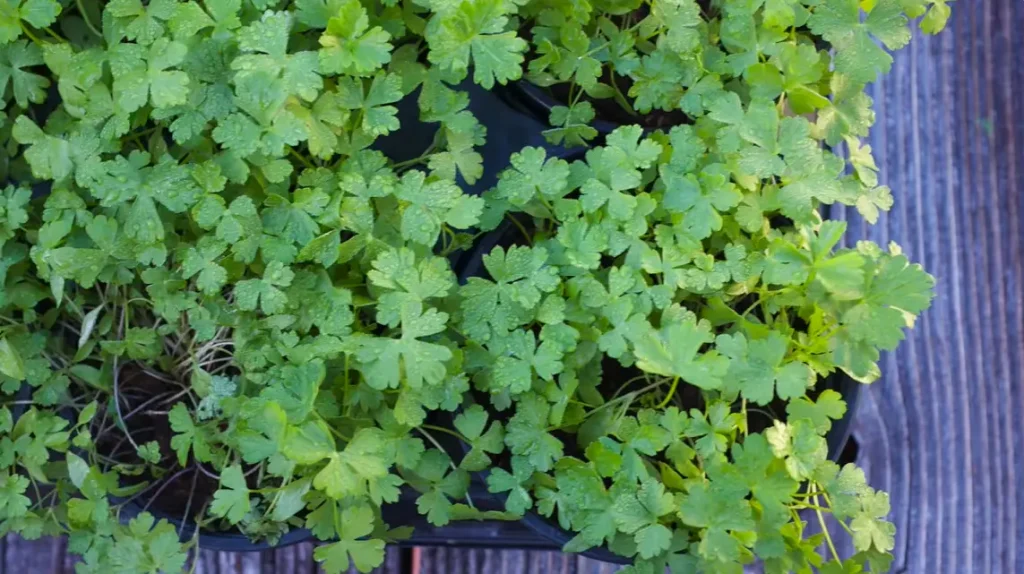
Parsley needs good light to grow well in winter. Light helps the plant make food and stay healthy. Without enough light, parsley can become weak and stop growing.
Providing the right light is key for winter gardening. Indoor or outdoor, parsley needs bright light to thrive. This section explains how to give parsley the best light during cold months.
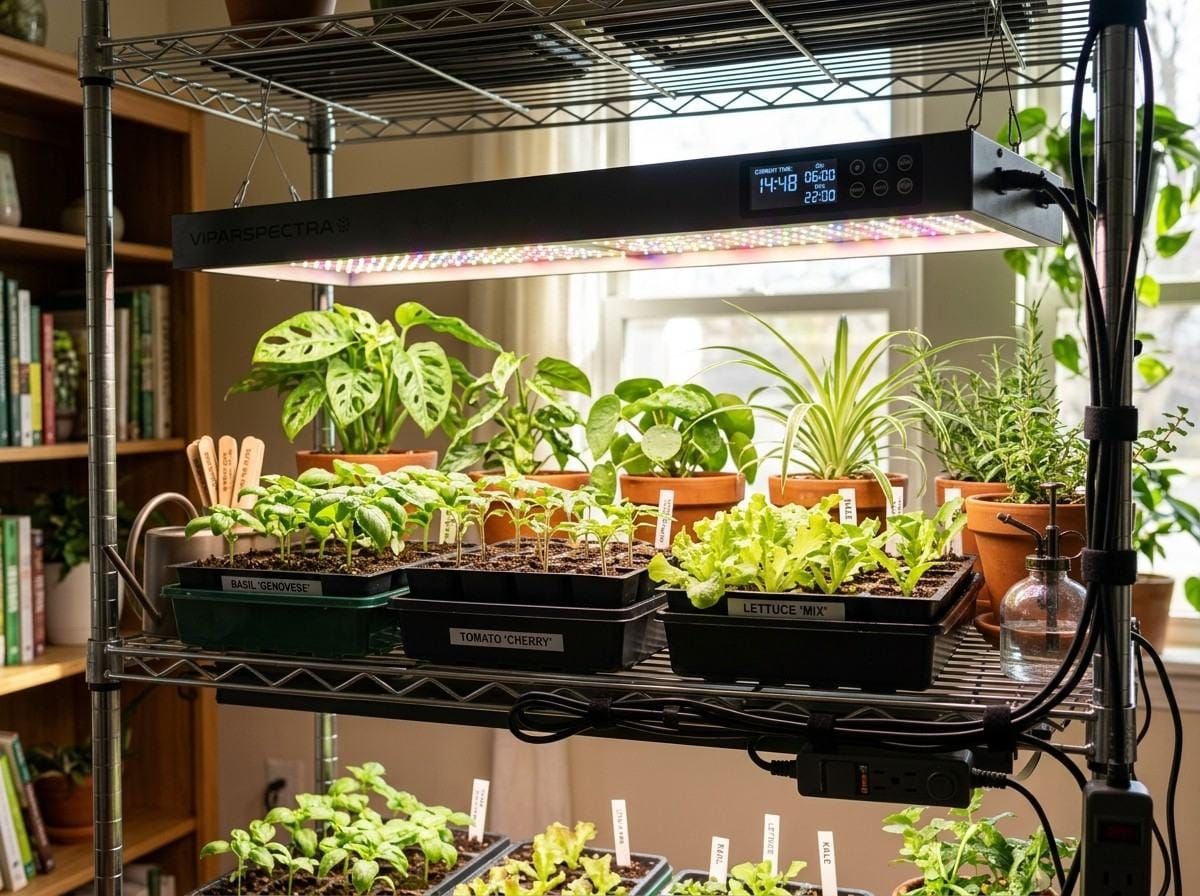
Grow lights give extra light when natural sunlight is low. They help parsley get enough light indoors. Use LED or fluorescent lights for best results.
Place grow lights about 6 to 12 inches above parsley. Keep lights on for 12 to 16 hours each day. This mimics summer daylight and supports steady growth.
Check lights often to avoid overheating. Keep parsley leaves dry and healthy. Grow lights make indoor growing easier in winter.
Natural sunlight is best for parsley growth. Put parsley near a south-facing window for strong light. Avoid windows that are shaded or dirty.
Turn the parsley pot every few days. This helps the plant get light on all sides. Clean windows regularly to let in more light.
Use light-colored walls or reflectors to increase sunlight. Even short bursts of sun help parsley stay strong. Maximizing sunlight supports healthy winter parsley.
Parsley needs the right temperature to grow well in winter. Cold weather can slow growth or harm the plant. Keeping parsley warm helps it stay fresh and healthy. Use smart temperature control strategies to protect your parsley from winter chill.
Place parsley near a window with good sunlight. Daylight helps the plant stay strong. Keep the room temperature between 60 and 70 degrees Fahrenheit. Avoid cold drafts from doors or windows. Water parsley regularly but do not overwater. Use a small fan to circulate air gently. This prevents mold and keeps leaves dry. Use a grow light if natural light is low. It helps parsley grow during short winter days.
Cover parsley with a frost cloth or garden fabric at night. This traps heat and protects from frost. Use mulch around the base to keep roots warm. Mulch helps keep the soil temperature steady. Plant parsley in a sheltered spot, like near a wall. Walls absorb heat during the day and release it at night. Avoid watering late in the day to prevent freezing. Water in the morning instead to help plants dry out.
Parsley needs the right amount of water and humidity during winter. Cold air and indoor heating can dry out the plant. Keeping the soil moist but not soggy helps parsley stay healthy. Good humidity supports fresh, green leaves all season long.
Check the soil every few days. The top inch should feel slightly damp. Water parsley when the soil feels dry to touch. Use room temperature water to avoid shocking the roots. Consistent moisture helps parsley grow strong in winter.
Too much water can cause root rot and yellow leaves. Make sure pots have drainage holes to remove excess water. Let excess water drain away after watering. Do not let the plant sit in standing water. Overwatering harms parsley more than underwatering does.
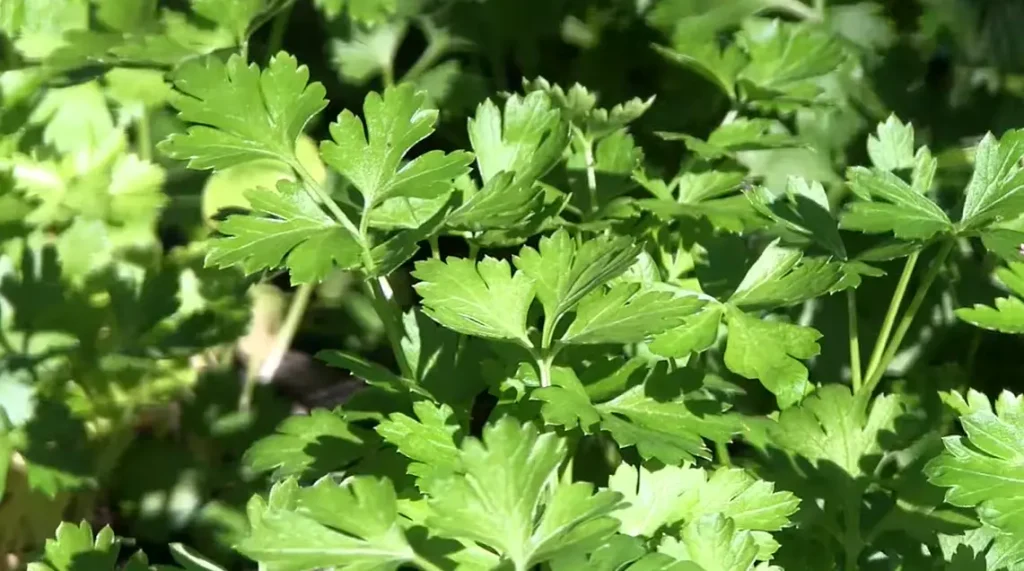
Growing parsley in winter requires careful attention to pests and diseases. Cold weather can make plants weaker. Weak plants attract more pests. Managing these problems helps parsley stay healthy and grow well. Understanding common pests and natural ways to prevent them protects your winter parsley.
Some pests stay active during winter. Aphids are small insects that suck plant juices. They cause leaves to curl and turn yellow. Spider mites are tiny and hard to see. They create fine webs on leaves. Whiteflies also feed on parsley and spread disease. These pests slow down parsley growth and damage leaves.
Use natural methods to keep pests away. Spray plants with a mixture of water and mild soap. This removes pests without harming plants. Introduce beneficial insects like ladybugs that eat aphids. Keep parsley plants dry and well spaced. Good air flow stops mold and fungus. Remove any dead or damaged leaves quickly. Healthy plants resist pests better and grow strong.
Harvesting parsley correctly helps the plant grow stronger. Cutting the leaves at the right time and in the right way keeps your parsley healthy. This means more fresh leaves for your winter kitchen. Careful harvesting allows continuous growth even in cold months.
Pick parsley leaves when they look bright green and healthy. Wait until the plant has at least three sets of leaves. This shows it is strong enough to handle cutting. Morning is the best time to harvest. The leaves have more moisture and flavor then. Avoid cutting parsley if frost is on the leaves.
Use sharp scissors or garden shears to cut parsley. Cut the stems near the base, about 1 inch above the soil. Leave the inner stems and small leaves untouched. This helps the plant keep growing new leaves. Never pull the parsley out by the roots. Cut regularly to stop the plant from flowering early.
Cover parsley with frost cloth or mulch to keep roots warm. Plant in a sheltered spot away from strong winds.
Yes, parsley grows well indoors with enough light. Place it near a sunny window or use grow lights.
Water parsley lightly once or twice a week. Keep soil moist but not soggy to avoid root rot.
Parsley grows best between 50°F and 70°F (10°C to 21°C). Avoid temperatures below 20°F (-6°C) to prevent damage.
Prune parsley regularly to encourage fresh growth. Cut outer leaves first and leave the center intact for continued growth.
Growing parsley in winter is easier than you think. Keep the plants warm and water them just enough. Use good soil and place the pots where sunlight reaches. Watch for pests and trim the leaves regularly. Fresh parsley adds flavor to your meals all winter long.
With small care steps, you can enjoy homegrown herbs even in cold months. Try these tips and see your parsley thrive this winter. Simple and rewarding gardening awaits you!