Gardening Made Simple.
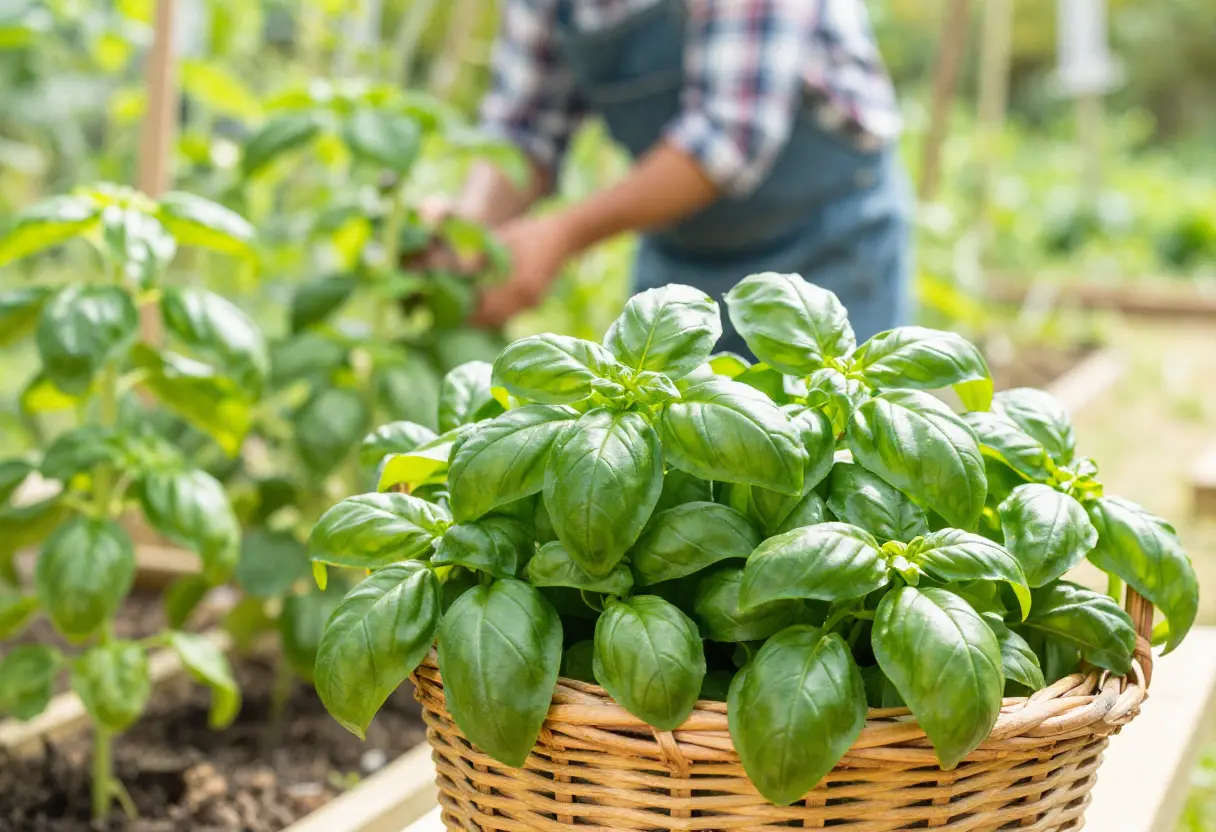
Are you looking to add fresh, flavorful basil to your meals but aren’t sure how to pick the best bunch? Choosing the right basil can make a huge difference in taste and aroma, turning your dishes from ordinary to extraordinary. Learning How to Pick Basil will ensure you always get the freshest, most flavorful leaves for your cooking.
In this guide, you’ll discover simple tips to spot the freshest, most vibrant basil every time. Whether you’re shopping at a market or growing your own, knowing what to look for will save you time and money—and bring your cooking to a whole new level.
Keep reading to unlock the secrets of picking perfect basil that will make your recipes shine.
Choosing the right basil variety is key to a great herb harvest. Different types of basil offer unique flavors and uses. Picking the best one depends on your taste and cooking style. Understanding the options helps you make a smart choice for your garden or kitchen.
Sweet basil is the most common type found in kitchens. It has a fresh, mild, and slightly sweet taste. This variety works well in many dishes like pasta and salads. Other types of basil bring different flavors. For example, Thai basil has a spicy, anise-like flavor. Lemon basil has a bright, citrusy scent. Each type suits different recipes and preferences.
Basil flavors range from sweet and mild to spicy and strong. Think about the dishes you cook often. Sweet basil pairs well with Italian meals. Thai basil is perfect for Asian dishes. Some basils have a hint of mint or clove. Choose a flavor that matches your favorite meals. This makes cooking more enjoyable and tasty.
Knowing when to harvest basil is key to getting the best flavor and freshness. Picking basil at the right time helps keep the leaves tender and full of aroma. Timing also affects how well the plant grows after cutting.
Look for bright green leaves without any yellow spots. The leaves should feel soft and slightly shiny. Avoid leaves that are wilted or have brown edges. The plant blooms less when you pick leaves before flowers appear. Choose leaves from the top of the plant for the freshest taste.
Pick basil early in the morning, just after the dew dries. The leaves contain the most oils and flavor at this time. Avoid picking in the hot afternoon because the leaves lose flavor quickly. Morning harvest keeps basil fresh longer after cutting.
Picking basil is simple but having the right tools helps a lot. Tools make the process clean and easy. They protect the plant and help you get fresh leaves fast.
Choosing between scissors and hands affects the quality of your harvest. Clean tools keep your basil healthy and tasty.
Scissors give a clean cut without hurting the plant. They stop the stem from tearing. This helps basil grow back quickly.
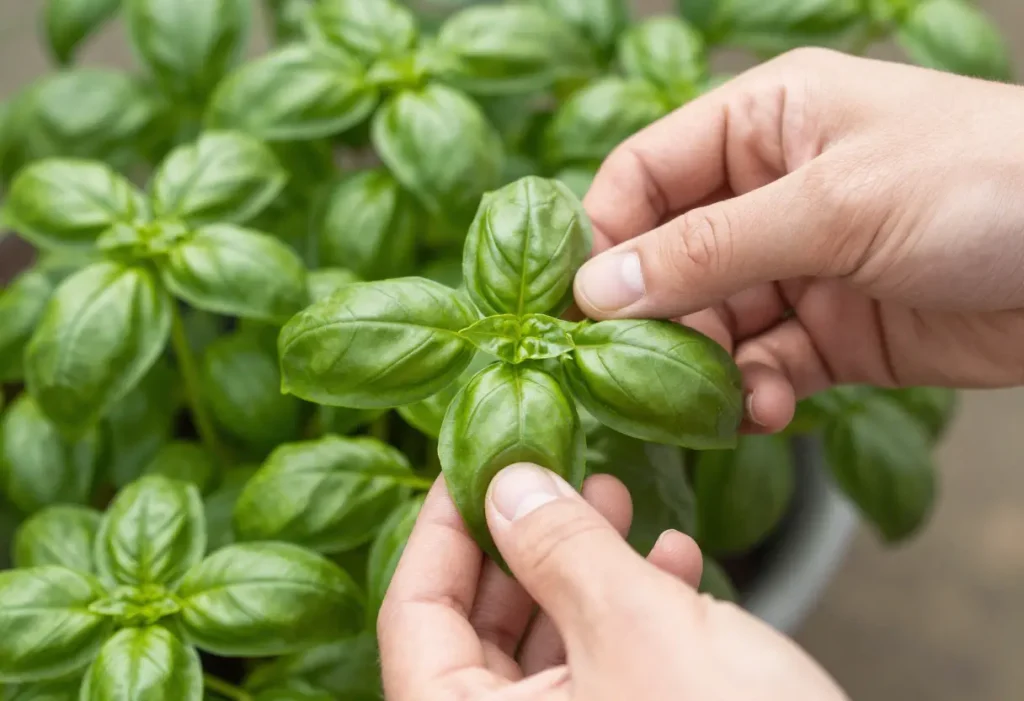
Using hands is easy and quick. Pinch the top leaves gently to avoid damage. Avoid pulling leaves hard to keep the plant safe.
Scissors are better for bigger harvests. Hands work well for small amounts.
Clean tools stop germs from spreading to your basil. Use soap and water to wash scissors before use.
Disinfect scissors with rubbing alcohol or a mild bleach mix. Dry them well before cutting.
Sanitizing tools keeps your plants healthy and stops disease.
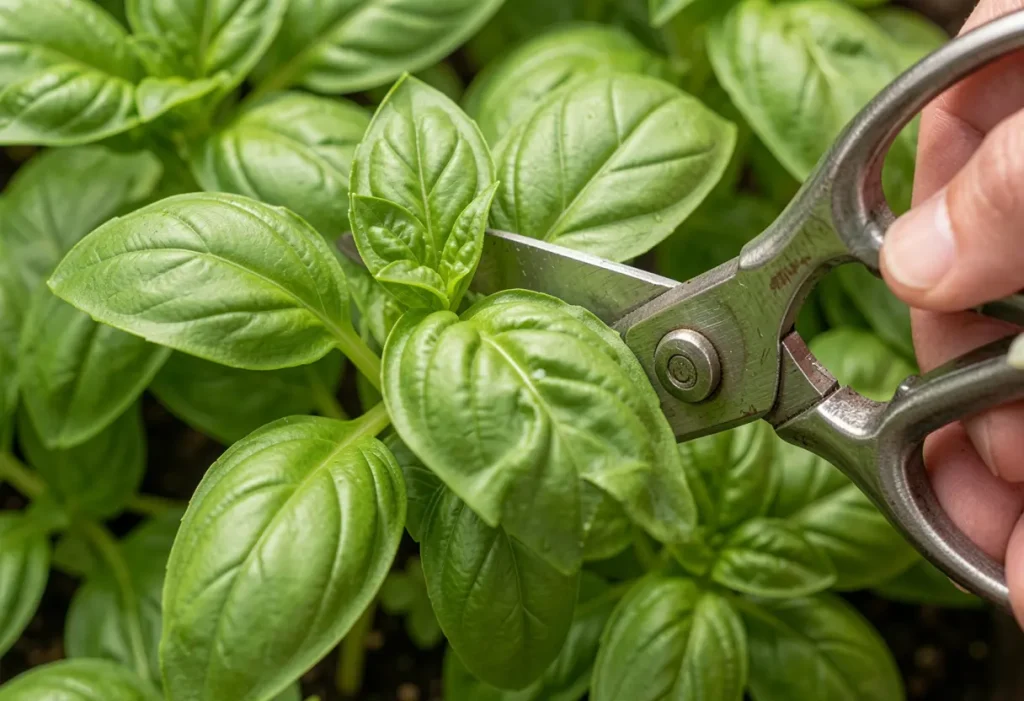
Picking basil the right way helps keep its strong, fresh taste. Using good techniques means more flavor in your dishes. It also helps the plant stay healthy and grow well. This section explains how to pick basil for the best taste.
Pinching means using your fingers to remove the top leaves. This method is gentle and keeps the plant growing fast. It helps the plant grow fuller and bushier. Cutting uses scissors or a knife to snip the stems. This can work well but needs care to avoid hurting the plant. Both methods can give tasty basil if done right.
Always pick leaves from the top, not the bottom. Take only a few leaves at a time to let the plant grow. Avoid pulling or tearing leaves; this can harm the plant. Use clean hands or scissors to stop infections. Healthy plants give the best basil flavor over time.
Keeping basil fresh after picking is key to enjoy its flavor. Proper storage helps preserve its aroma, taste, and texture. Follow simple steps to keep basil fresh for days or even weeks.
For quick use, store basil at room temperature. Trim the stems and place them in a glass with water. Cover the leaves loosely with a plastic bag. Keep the glass away from direct sunlight. Change the water every day to keep basil fresh. Avoid storing basil in the fridge for short-term use.
To keep basil longer, wrap the leaves in a damp paper towel. Place the wrapped basil inside a plastic bag or airtight container. Store it in the refrigerator’s crisper drawer. Check the leaves daily and remove any that look wilted. You can also freeze basil by chopping leaves and placing them in ice cube trays with water or oil.
Picking basil may seem easy, but many gardeners make simple mistakes. These errors can hurt the plant and reduce future harvests. Knowing what to avoid helps keep your basil healthy and tasty.
Taking too many leaves at once can stress the basil plant. The plant needs enough leaves for photosynthesis. Leaves make food and energy for growth. Removing too many leaves slows down this process. Pick only a few leaves from each stem. Leave some leaves behind to keep the plant strong.
Check the basil plant before picking leaves. Avoid leaves that look yellow, wilted, or have spots. Picking unhealthy leaves can spread disease. Also, do not pick leaves from plants that look weak. Healthy plants produce better flavor and more leaves. Wait until the plant grows back strong before picking again.
Fresh basil adds a bright and fragrant touch to many recipes. It brings a fresh, slightly sweet flavor that lifts dishes. Using fresh basil instead of dried makes a big difference in taste and aroma. This herb is best added at the end of cooking to keep its flavor strong. Its vibrant green leaves also make food look more appealing.
Basil leaves release oils that enhance taste and smell. Tear or chop the leaves gently to release these oils. Add basil toward the end of cooking to keep its fresh taste. Overcooking basil can cause it to lose flavor and turn bitter. Use whole leaves for garnish or chopped leaves to mix into sauces and salads.
Basil pairs well with tomatoes, garlic, and olive oil. It balances spicy, sweet, and sour flavors in dishes. Combine basil with fresh mozzarella for a classic taste. It also works well with lemon, pine nuts, and balsamic vinegar. Use basil in soups, pastas, and salads for a fresh twist.
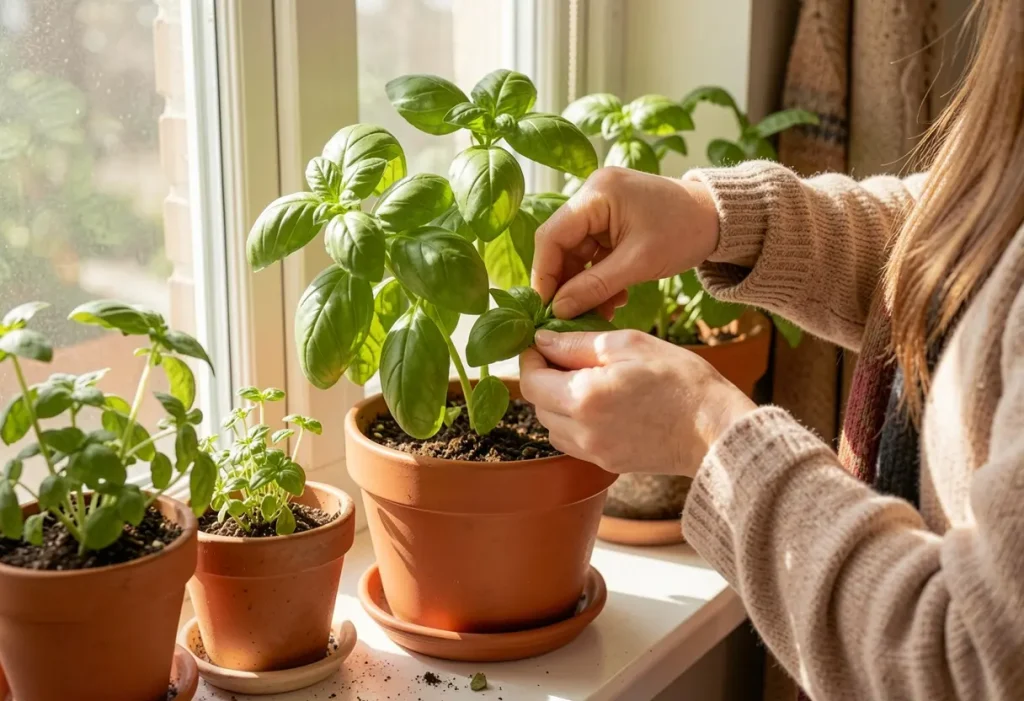
Pick basil leaves early in the morning for the best flavor. Leaves are freshest and full of oils then. Avoid picking after rain or heat.
Basil is ready when leaves are large and vibrant green. Avoid harvesting too early or the flavor may be weak. Pick before the plant flowers.
Pick leaves from the top for better growth and bushier plants. Removing top leaves encourages new side shoots. Avoid stripping the whole plant.
Harvest basil every 1-2 weeks to keep it healthy and growing. Regular picking prevents flowering and keeps leaves tender. Don’t remove more than one-third at once.
Basil stems can be used but leaves have the best flavor. Use young, tender stems for cooking or making pesto. Older stems may be tough.
Picking basil is simple with these easy tips. Choose leaves that look fresh and green. Avoid yellow or wilted leaves. Pick from the top for better growth. Use clean scissors to cut the stems. Store basil in a cool place to keep it fresh.
Enjoy the fresh aroma and flavor in your dishes. A little care helps your basil stay healthy and tasty. Happy cooking with your fresh basil!