Gardening Made Simple.

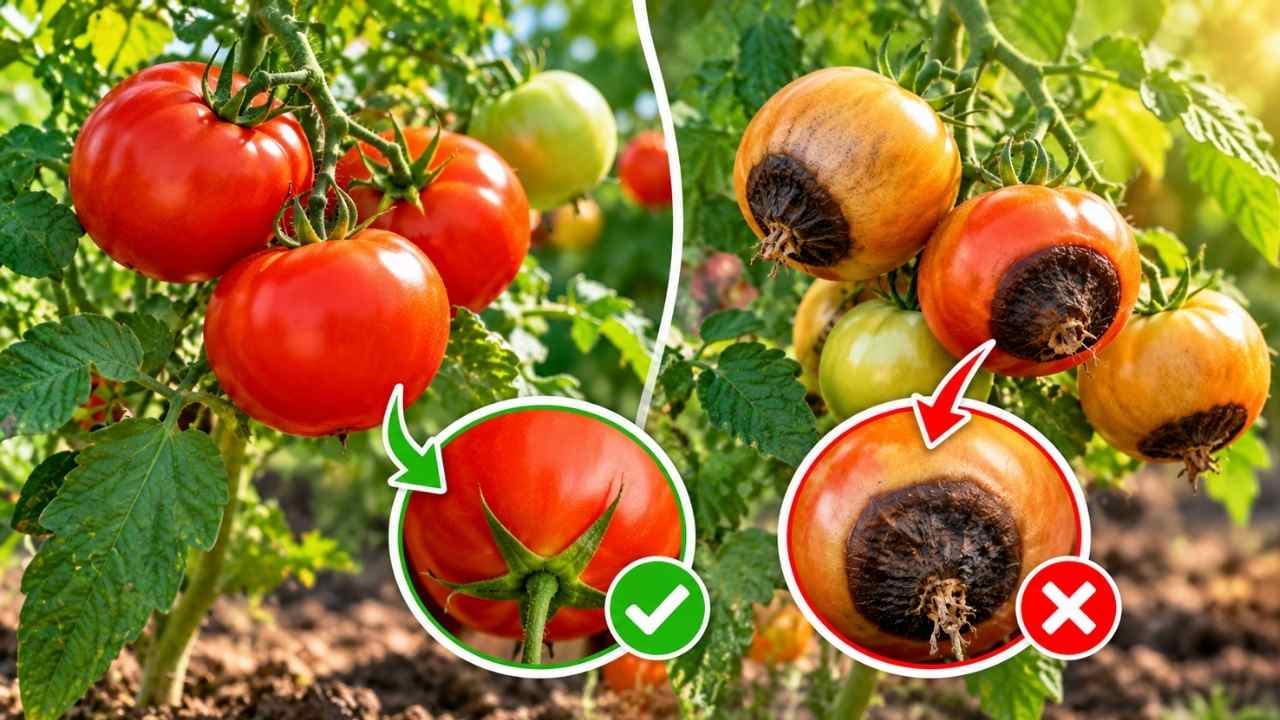
Are you tired of growing tomato plants that look full but produce only a few juicy fruits? Learning how to prune tomato plants might be the simple trick you’ve been missing. Proper pruning directs energy toward fruit production, improves airflow, and helps you enjoy bigger, healthier tomato harvests.
By learning how to prune tomato plants the right way, you can boost your harvest, keep your plants healthy, and enjoy bigger, tastier tomatoes all season long. You’ll discover easy steps to prune your tomatoes like a pro—no gardening experience needed.
Ready to transform your garden and get the most from your tomato plants? Keep reading!
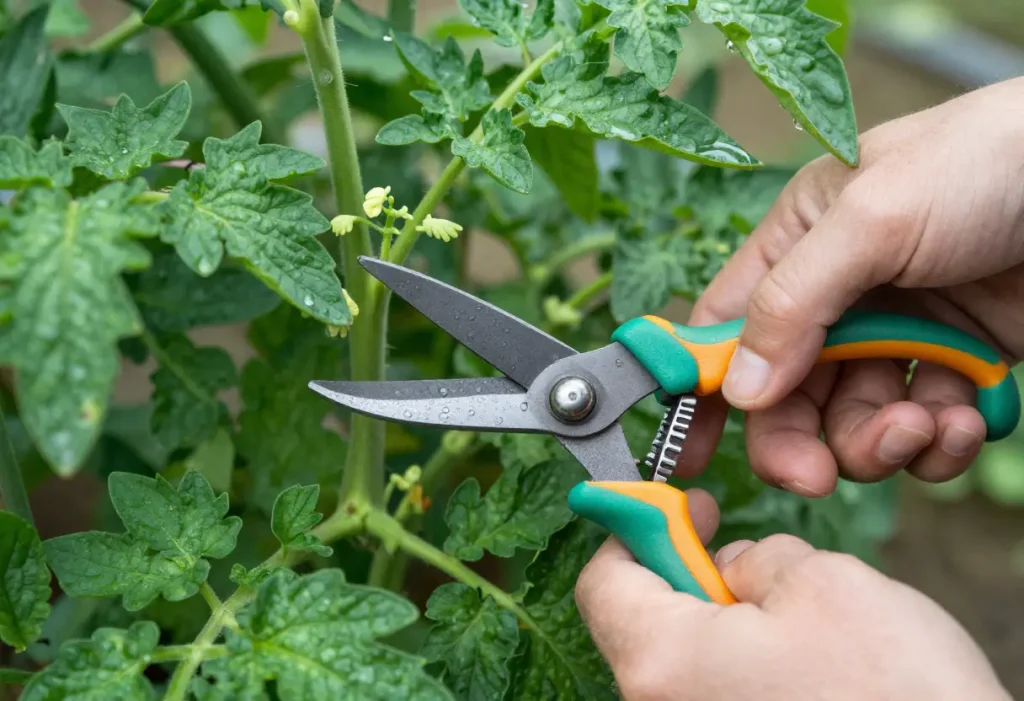
Pruning tomato plants is a simple step that helps plants grow better and healthier. It removes extra leaves and stems. This helps the plant use its energy well. Pruning leads to bigger, tastier tomatoes and fewer problems with diseases.
Removing extra leaves opens up the plant. Air moves freely around the branches and leaves. This stops moisture from building up. Sunlight reaches all parts of the plant. Healthy leaves get enough light to make food. Strong plants grow faster and produce more fruit.
Pruning focuses the plant's energy on fewer fruits. The tomatoes grow bigger and ripen faster. The plant does not waste energy on small or weak branches. This means more delicious tomatoes on each plant. Harvest time becomes more rewarding.
Dense plants stay wet longer, causing disease. Pruning reduces crowded leaves and stems. This cuts down on mold and fungus growth. Removing damaged or weak parts stops disease spread. Healthy plants fight off pests and sickness better.
Pruning tomato plants at the right time helps them grow healthy and strong. Knowing when to prune can improve fruit production and plant health. Different tomato varieties need pruning at different stages. Also, some signs show that your plant needs pruning soon.
Determinate tomatoes need little pruning. Prune them only once or twice early on. Indeterminate tomatoes grow longer and require regular pruning. Start pruning indeterminate types when they reach 12 to 18 inches tall. Continue pruning every week or two during the growing season. Cherry tomatoes also benefit from light pruning to keep them manageable.
Look for crowded leaves and stems. If air does not move well inside the plant, prune it. Yellow or dead leaves should be removed quickly. Too many flowers or small fruits at once may slow growth. If the plant looks bushy and tangled, it is time to prune. Removing suckers—small shoots between the main stem and branches—helps the plant focus energy on fruit.
Pruning tomato plants is easier with the right tools. Good tools help make clean cuts. Clean cuts keep plants healthy and reduce damage. Using proper tools saves time and effort. Choose tools that are sharp and fit your hand well.
Start with a pair of sharp pruning shears. These shears cut small branches and stems smoothly. Look for shears with a locking handle for safety. A small pair of scissors can help with tiny stems. Garden gloves protect your hands from scratches. A clean cloth is useful to wipe tools after use.
Clean your tools after every pruning session. Use warm water and soap to remove dirt. Dry tools completely to stop rust from forming. Sharpen blades regularly to keep cuts clean. Oil the moving parts for smooth action. Store tools in a dry place to protect them.

Pruning tomato plants helps them grow stronger and produce more fruit. It improves air flow and stops diseases. Use simple pruning techniques to keep your plants healthy.
Focus on removing extra parts that take energy from the plant. This lets the plant put energy into making better tomatoes.
Suckers are small shoots that grow between the main stem and branches. They use the plant’s energy but do not bear fruit. Pinch or cut them off early to help the plant focus on fruit production. Removing suckers keeps the plant tidy and healthy.
Topping means cutting off the top of the main stem. Do this after the plant grows to the desired height. It stops the plant from growing taller but encourages more fruit to ripen. Use clean scissors for a neat cut.
Trim leaves near the bottom of the plant. These leaves often touch the soil and can carry diseases. Removing them improves air flow and reduces the risk of fungus. Keep lower areas clear to protect your tomato plants.
Pruning tomato plants helps improve air flow and fruit quality. Different tomato types need different pruning methods. Knowing these methods keeps plants healthy and productive.
Indeterminate tomatoes grow tall and keep producing fruit all season. Prune by removing side shoots, called suckers, that grow between the main stem and branches. This focuses the plant’s energy on bigger fruits. Trim leaves near the bottom to improve air flow. Support these plants with stakes or cages.
Determinate tomatoes grow to a set height and produce fruit all at once. Pruning is minimal here. Remove only damaged or dead leaves. Avoid cutting too many suckers, as it lowers yield. Support plants well to prevent branches from breaking under fruit weight.
Cherry tomatoes are small and grow on both indeterminate and determinate plants. Prune lightly by removing dead leaves and weak shoots. Keep plants open for sunlight and air. These plants need less pruning but benefit from regular checks. Use cages or stakes for support.
Pruning tomato plants helps them grow better and produce more fruit. Many gardeners make mistakes that can harm the plants. Avoiding these errors leads to healthier plants and bigger harvests.
Cutting too many branches weakens the plant. Leaves protect tomatoes from sunburn and keep moisture. Remove only the small side shoots that do not have flowers. Keep enough leaves for the plant to make food.
Pruning too early or too late can stress the plant. The best time is when the plant grows strong and has several leaves. Avoid pruning during very hot or cold days to prevent damage.
Be careful not to cut or bruise the main stem. A damaged stem can cause infections and slow growth. Use clean, sharp tools and make smooth cuts close to the branch base.
After pruning tomato plants, proper care is essential for healthy growth. The plant needs support to recover and grow strong. This section covers the key steps to follow after pruning.
Water the plant deeply after pruning to help it recover. Keep the soil moist but not soggy. Avoid overwatering, which can cause root problems. Feed the plant with a balanced fertilizer to provide nutrients. Use a fertilizer high in potassium to encourage fruit growth.
Check the plant daily for signs of stress or disease. Look for yellow leaves, spots, or wilting. Remove any damaged leaves to prevent infection. Watch for pests like aphids or whiteflies. Early detection helps keep the plant healthy.
Provide support with stakes or cages to keep the plant upright. Tie stems gently to supports to prevent breakage. Proper support improves air circulation and light exposure. This helps the plant grow strong and produce more fruit.

Pruning tomato plants helps plants grow stronger and produce more fruit. Removing extra leaves and stems lets the plant focus energy on fruit. This process improves air flow and light exposure. Both are key for bigger, better tomatoes.
Pruning also reduces disease risk by keeping plants less crowded. It helps fruits ripen faster and makes harvesting easier. Proper pruning leads to higher yields and healthier plants.
Pruning works best with good watering and feeding. Water plants deeply but less often. This encourages strong roots. Use balanced fertilizer to give plants needed nutrients. Keep soil healthy and loose for root growth.
Support plants with stakes or cages. This prevents branches from breaking. It also improves air flow around the plant. Mulch around the base to keep soil moist and reduce weeds. Healthy soil and care boost results from pruning.
Watch your tomato plants as they grow. Prune more on strong, fast-growing plants. Remove side shoots to focus growth on main stems. For smaller or slow plants, prune less. This avoids stressing the plant too much.
Keep an eye on leaves for yellowing or disease. Remove these leaves quickly to protect the plant. Adjust pruning as the season changes. Early pruning may differ from late summer pruning. Tailor pruning to your plant’s needs for best harvest.
Prune tomato plants every 1-2 weeks to keep them healthy and encourage fruit growth.
Use clean, sharp scissors or pruning shears to avoid damaging the plant.
Remove suckers, yellow leaves, and any damaged or dead branches for better airflow.
Prune in the morning when the plant is dry to reduce infection risk.
Yes, pruning helps the plant focus energy on producing larger, healthier tomatoes.
Pruning tomato plants helps them grow strong and healthy. It improves air flow and lets sunlight reach the leaves. Removing extra shoots focuses the plant’s energy on fruit. This leads to bigger, tastier tomatoes. Regular pruning also reduces the chance of disease.
Remember to use clean tools and prune gently. Watch your plants often and prune as needed. Healthy tomato plants make gardening more fun and rewarding. Give pruning a try for better harvests this season.