Gardening Made Simple.
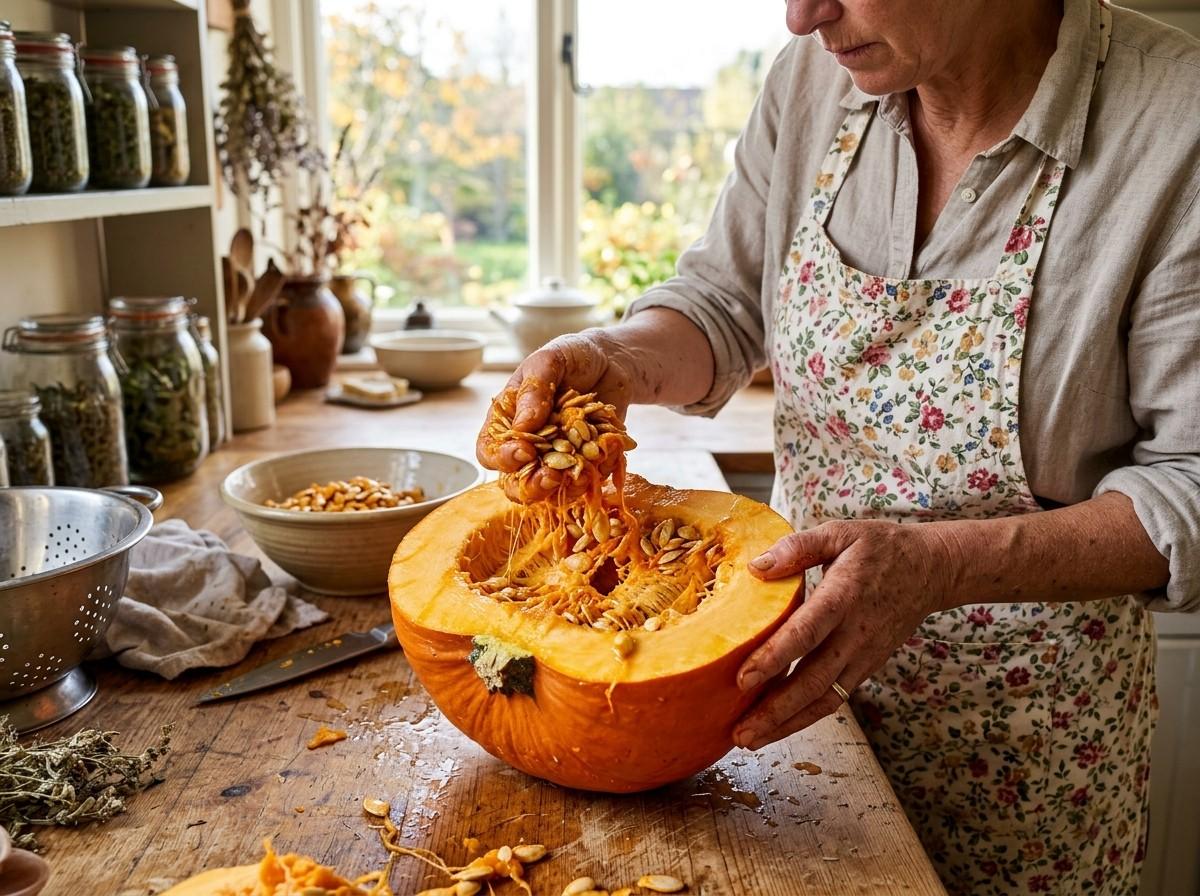
Saving pumpkin seeds is a simple yet rewarding activity that goes far beyond the kitchen. Whether you want to grow your own pumpkins, roast seeds for snacks, or preserve heirloom varieties, knowing how to save pumpkin seeds properly makes a big difference.
Many people toss seeds without realizing their value. With the right steps, you can turn those seeds into next year’s crop, a healthy treat, or even a small business. This guide will show you how to save pumpkin seeds for planting, eating, and storing, with practical advice, common mistakes to avoid, and tips that beginners often miss.
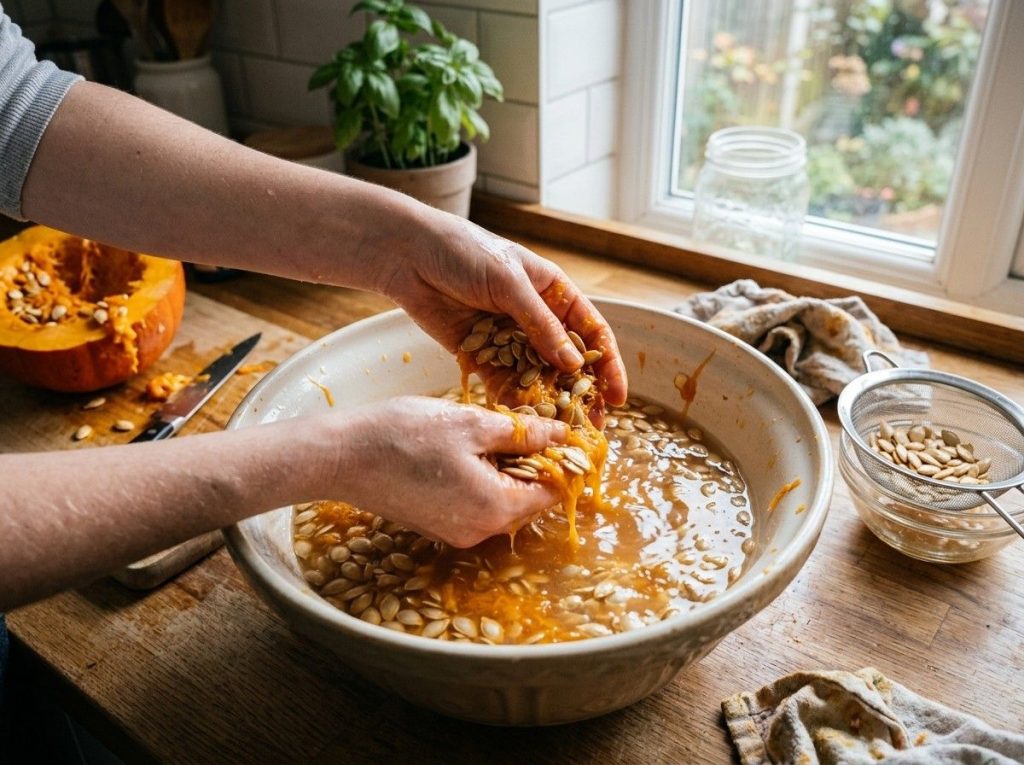
Pumpkin seeds, also called pepitas, are more than just leftovers from carving or cooking. Saving them gives you:
Pumpkin seeds are rich in magnesium, zinc, and healthy fats. In the US, pumpkin production is big—over 2 billion pounds harvested annually, according to the USDA. But only a small fraction of people save seeds. By learning to do this, you join a growing group of gardeners and food lovers who value sustainability.
Not all pumpkins produce seeds worth saving. Picking the right one is your first step.
For eating, smaller pumpkins like Sugar Pie produce tender seeds that roast well. For planting, use pumpkins that are fully mature and have been grown away from other squash types, to avoid cross-pollination.
| Type | Seed Quality (Planting) | Seed Quality (Eating) |
|---|---|---|
| Heirloom Pumpkin | Excellent | Good |
| Hybrid Pumpkin | Poor/Variable | Good |
| Store-bought (unknown) | Unreliable | Fair |
Tip: If you want seeds for planting, ask local farmers or gardeners about heirloom varieties, or buy from trusted seed companies.
Once you have a ripe pumpkin, it’s time to harvest the seeds. Timing matters.
Pumpkins are ready when their skin is hard, color is deep, and the stem begins to dry. Harvesting too early means seeds may not be mature. For planting, wait until the pumpkin is fully cured.
Most pumpkins have 200-500 seeds inside, but not all are mature. Mature seeds are plump, not flat, and have a firm shell.
Non-obvious insight: Many beginners rush, but leaving the pumpkin whole for 1-2 weeks after harvest can help seeds mature inside. This is especially important for seed-saving gardeners.
Cleaning is crucial whether you plan to eat or plant the seeds. Pulp left on seeds encourages mold.
Pour seeds into a colander and rinse under running water. Use your fingers to remove any sticky residue.
Common mistake: Don’t soak seeds for too long—over 30 minutes can cause seeds to start sprouting or rot.
Spread seeds out on a clean towel or baking sheet. They should be in a single layer. Leave to dry for several hours. For planting, it’s critical to air-dry before storing.
Drying seeds is the most important step for long-term storage. Moisture causes mold and ruins seeds.
Seeds should dry for 5-7 days. For planting, wait until seeds snap in half when bent.
If you’re roasting, use a low oven—no higher than 150°F (65°C). Spread seeds in a single layer and dry for 1-2 hours. Oven drying is not suitable for seeds you want to plant; heat can kill the embryo.
| Method | Drying Time | Best For |
|---|---|---|
| Air Drying | 5-7 Days | Planting & Eating |
| Oven Drying | 1-2 Hours | Eating Only |
Non-obvious insight: Drying seeds in direct sunlight can cause them to lose viability. Always dry in shade or indoors.
Proper storage keeps seeds fresh for months or years.
Seeds must be fully dry. Store in:
Label with the variety and date. Most pumpkin seeds stay viable for up to 6 years if stored correctly.
Roasted seeds should be kept in:
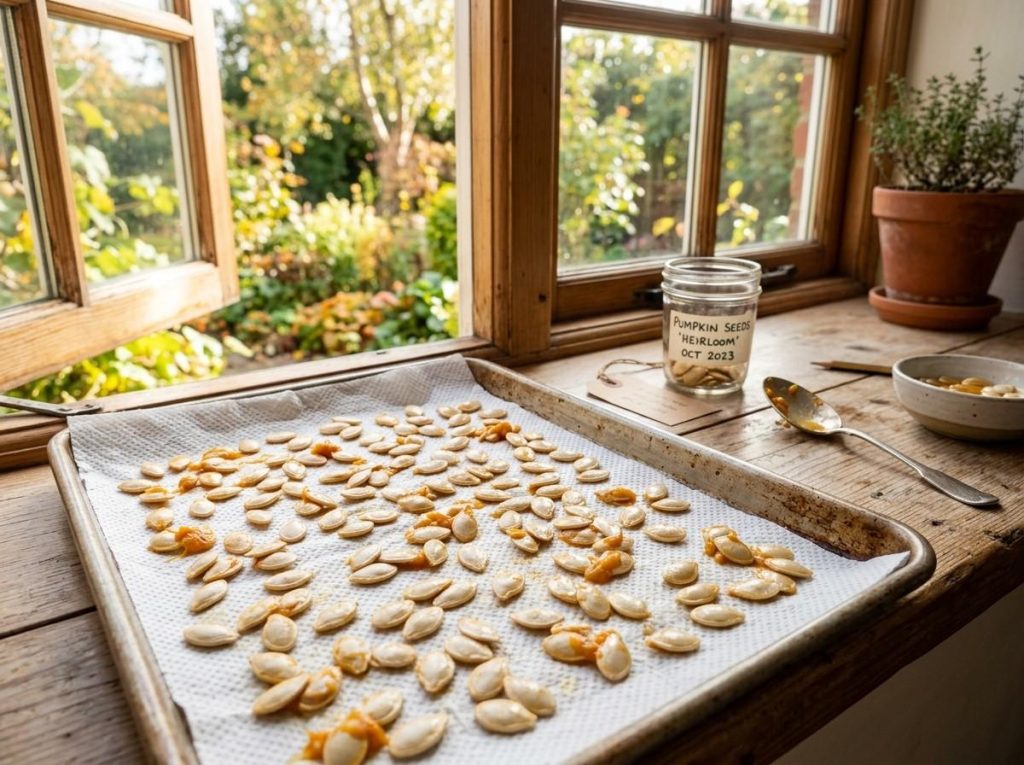
Common mistake: Using plastic bags for long-term storage can cause sweating and mold. Paper and glass are better.
If you want to grow pumpkins from saved seeds, some extra steps help improve germination.
Choose only plump, firm seeds. Flat or broken seeds will not sprout.
Before planting, test a sample batch:
A good batch should have at least 80% germination.
Some gardeners soak seeds in water overnight before planting. Others use a weak solution of hydrogen peroxide to kill pathogens. Both methods can improve germination, but are not essential.
Tip: If you saved seeds from a hybrid pumpkin, plant a few extra—germination and fruit quality can vary.
Pumpkin seeds are a popular snack—crunchy, tasty, and healthy.
You can experiment with flavors—sweet or spicy. Roasted pumpkin seeds have about 7 grams of protein per ounce.
Common mistake: Not drying seeds before roasting. Wet seeds steam instead of crisping.
If you want to save seeds that grow true to type, follow these tips:
Pumpkins are pollinated by bees. If different squash types are nearby, seeds may produce unexpected results.
Non-obvious insight: Even within heirloom varieties, saving seeds from the earliest and best fruits can help improve your crop over generations.
Many beginners make errors that ruin their seeds. Here’s how to avoid them:
Tip: Always check seeds after a month of storage. If they smell musty or show mold, discard them.
Saving pumpkin seeds is great for your health, wallet, and environment.
According to the National Institutes of Health, pumpkin seeds may help lower cholesterol and support heart health.
Non-obvious insight: Keep a garden journal. Over time, you’ll learn which seeds perform best in your climate.
Jessica, a community gardener in Ohio, started saving pumpkin seeds in 2018. She chose Sugar Pie pumpkins from a local farm, cleaned and dried the seeds, and planted them the next spring. Her garden produced twice as many pumpkins as before. She shared seeds with neighbors, started a seed bank, and helped preserve local varieties. Her biggest tip: “Dry seeds longer than you think. I lost my first batch to mold because I was in a hurry.”
| Factor | Home-Saved Seeds | Store-Bought Seeds |
|---|---|---|
| Cost | Free (after initial purchase) | $2–$5 per packet |
| Variety Control | High (choose your own) | Moderate (limited selection) |
| Viability | Variable (depends on storage) | High (professionally tested) |
| Heirloom Preservation | Excellent | Limited |
Tip: If you’re starting out, try both methods. Over time, you may prefer the control and savings of home-saved seeds.
Pumpkin seeds are versatile. Besides planting and eating, you can:
Non-obvious insight: Pumpkin seeds can be sprouted for salads, adding extra nutrients.
Sometimes, seeds fail to sprout. Here’s what to check:
If you have low germination, try soaking seeds overnight before planting, or buy new seeds from a reputable supplier.
Each pumpkin variety has unique seeds. For example:
Tip: Avoid saving seeds from giant pumpkins, as their offspring may not grow true to size.
For more information on seed saving and pumpkin varieties, visit the Seed Savers Exchange. This site offers guides, community forums, and access to heirloom seeds.
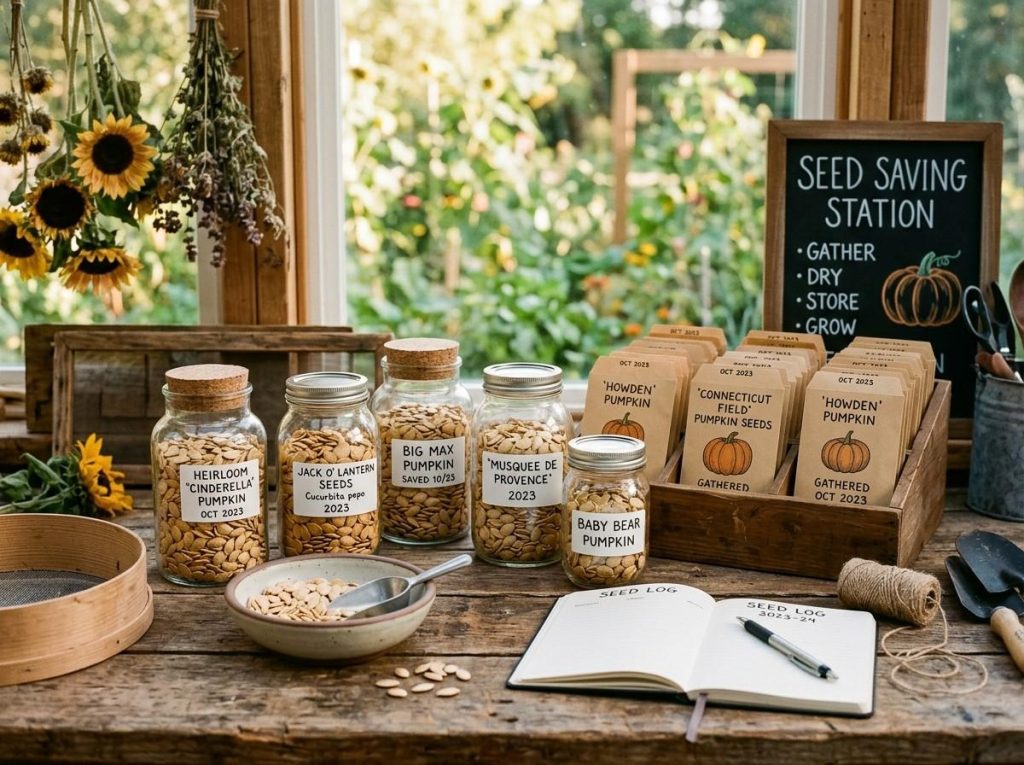
Pumpkin seeds can stay viable for up to 6 years if stored in a cool, dry place. Always test germination before planting older seeds.
Yes, but results vary. Most store-bought pumpkins are hybrids, so seeds may not produce pumpkins like the parent. For best results, use seeds from heirloom or open-pollinated varieties.
Spread seeds in a single layer, stir daily, and dry in a cool, shaded area with good airflow. Avoid drying in plastic containers or direct sunlight.
Yes, you can eat pumpkin seeds raw, but roasting improves flavor and makes them easier to digest. Always clean and dry seeds before eating.
For planting, use paper envelopes or glass jars in a cool, dry place. For eating, keep roasted seeds in airtight containers at room temperature or in the fridge.
Saving pumpkin seeds is easy once you know how. With the right pumpkin, careful cleaning, proper drying, and good storage, you can enjoy healthy snacks, grow your own pumpkins, and help preserve valuable varieties. Take your time, follow each step, and you’ll have seeds ready for any use—season after season.