Gardening Made Simple.
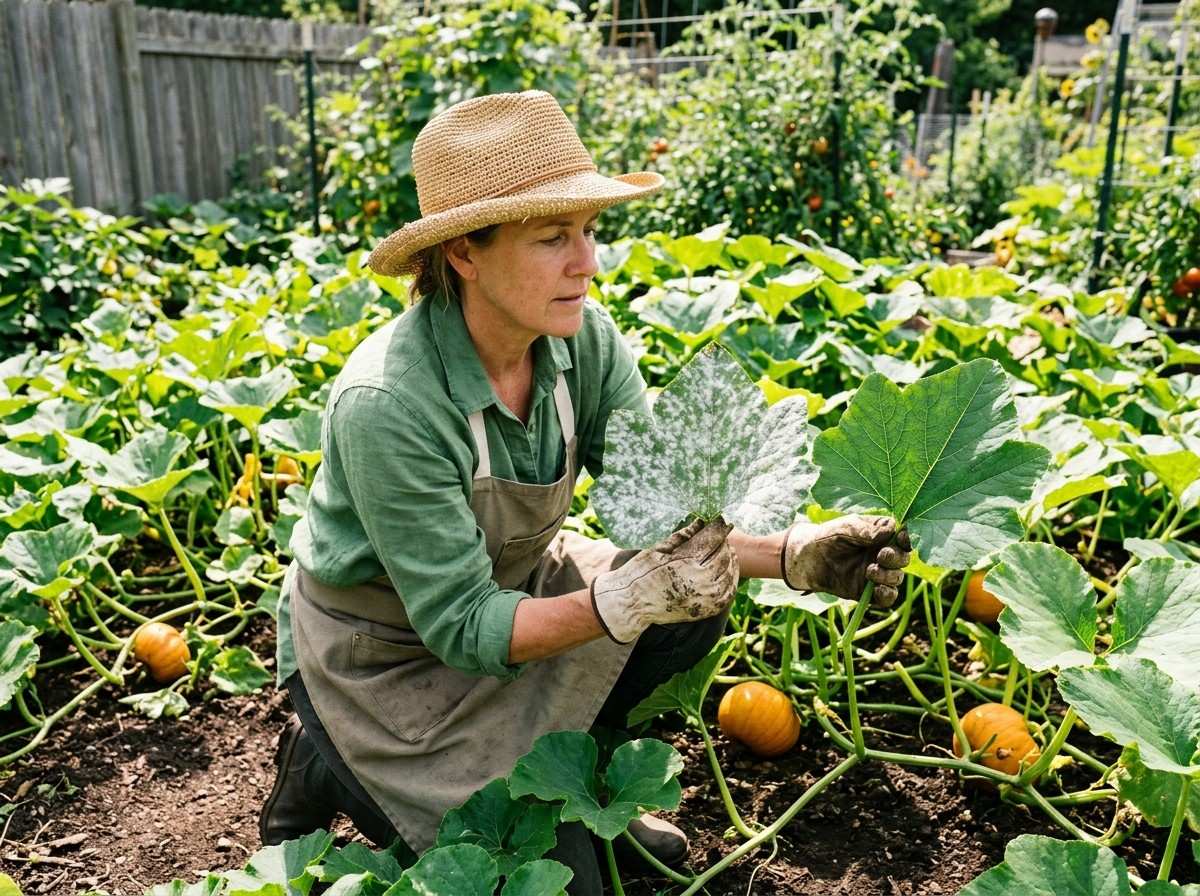
Pumpkins are a favorite crop in home gardens and farms around the world. They are not just tasty and nutritious; pumpkins also play a key role in autumn traditions and markets. But growing pumpkins comes with challenges, and one of the biggest threats is powdery mildew.
This disease can quickly damage leaves, reduce yields, and even destroy the whole crop if left untreated. Understanding how powdery mildew affects pumpkins, how to spot it, and how to manage it can make a big difference for growers of all levels.
Powdery mildew is not a new problem. It has troubled farmers for centuries, especially in warm, dry climates. Even experienced gardeners sometimes miss the early signs or misunderstand the best ways to control it. This article will give you a clear, practical guide to powdery mildew in pumpkins, from symptoms and causes to prevention, treatment, and ongoing care.
You’ll also find useful tips, real examples, and answers to common questions, all in simple English.
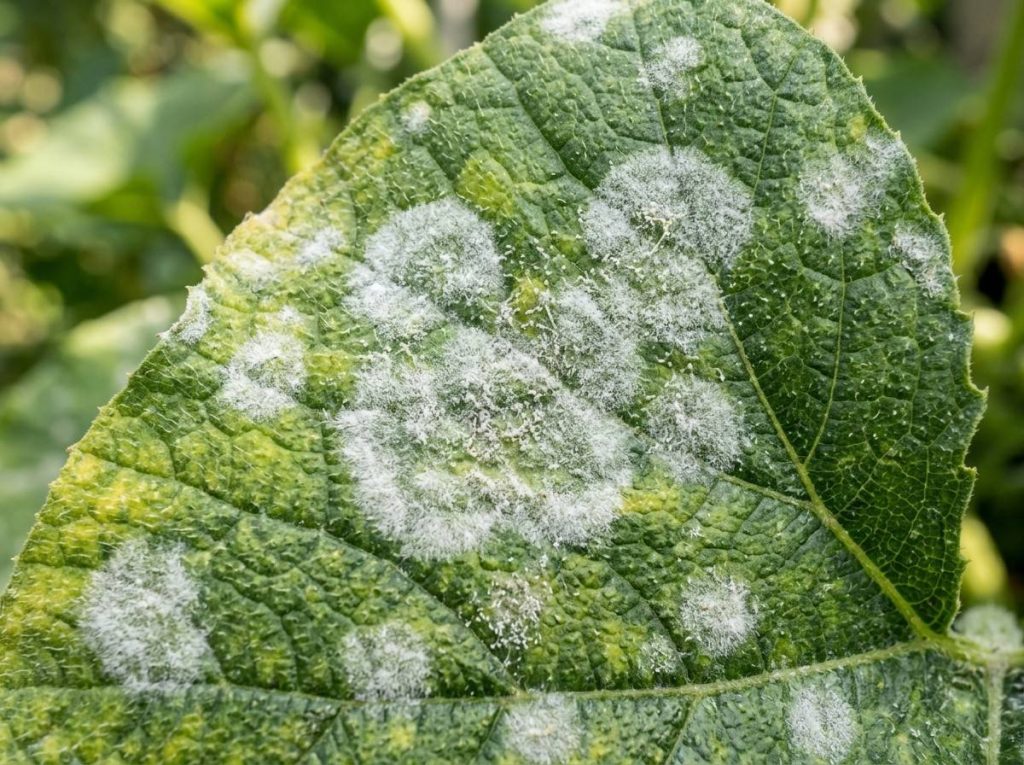
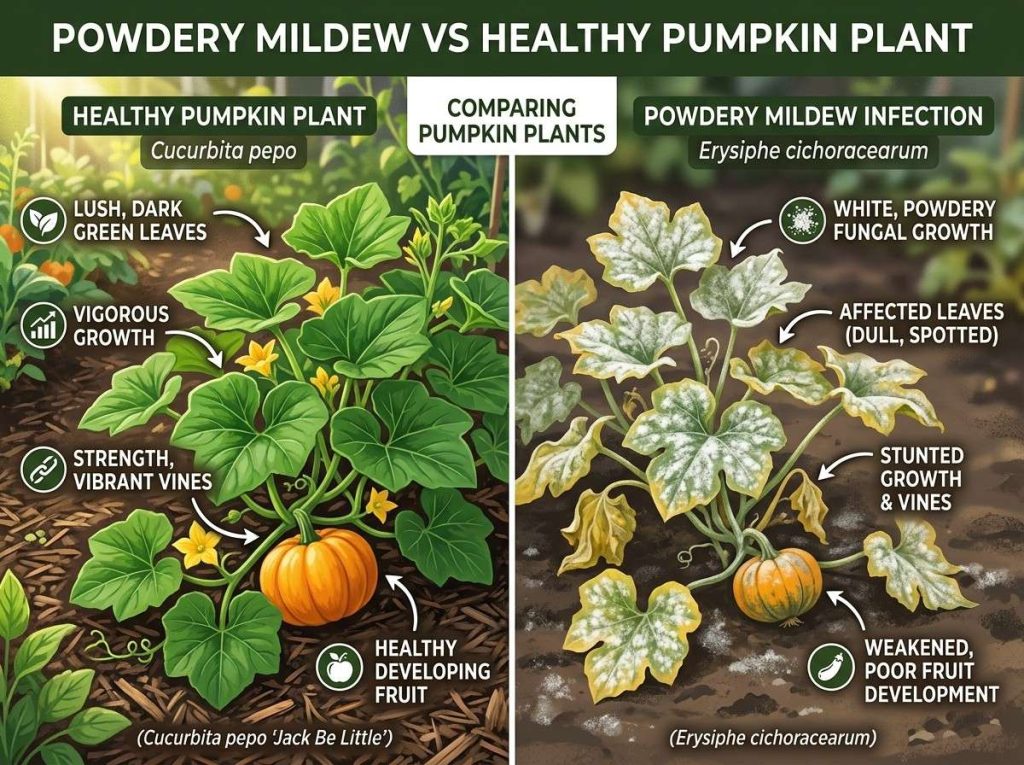
Powdery mildew is a fungal disease that affects many types of plants. In pumpkins, it is usually caused by two types of fungi: Podosphaera xanthii and Erysiphe cichoracearum. These fungi live on the surface of leaves and stems. They spread quickly, especially when the weather is warm and dry.
The disease gets its name from the white, powder-like spots it creates. These spots look harmless at first, but they can soon cover whole leaves and weaken the plant. Unlike some other plant diseases, powdery mildew does not need water on the leaves to start growing.
This makes it tricky for many gardeners to predict or prevent.
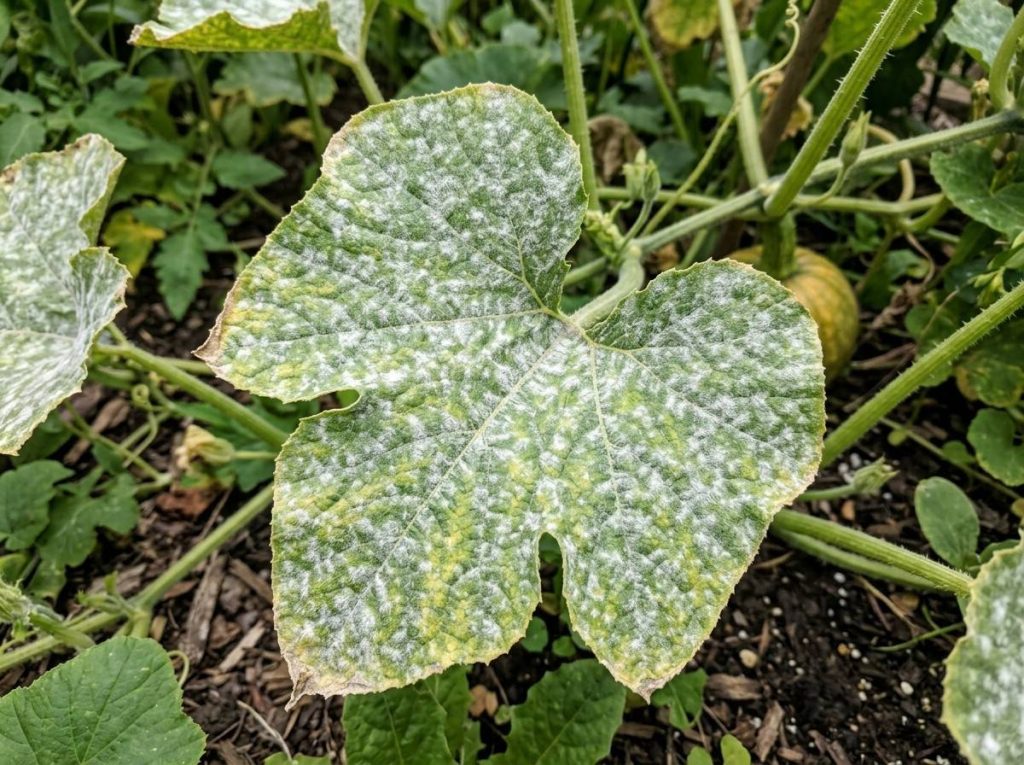
Knowing the symptoms is the first step in fighting powdery mildew. The disease often starts with small, circular white patches on the upper side of leaves. Over time, these patches grow and join together, forming a white or gray coating.
Other signs include:
Most damage happens to the leaves. If the infection is strong, the plant cannot photosynthesize well, which means less energy for fruit production. Sometimes, powdery mildew can also affect stems and flowers, making the plant even weaker.
Pumpkins are part of the Cucurbitaceae family (the cucurbits), which includes cucumbers, squash, and melons. This family is very sensitive to powdery mildew.
The main reasons powdery mildew thrives on pumpkins are:
Powdery mildew can infect pumpkins at any stage, but young plants and those in crowded gardens are at highest risk.
The fungi produce tiny spores that float in the air. Wind, insects, and even people can carry these spores from plant to plant. Unlike some fungi, powdery mildew does not need rain or wet leaves to spread. It often appears during dry periods, especially when daytime temperatures are between 60°F and 80°F (15°C–27°C).
Here’s a simple breakdown of the process:
If you have other cucurbit plants nearby, powdery mildew can easily move between them. Even if you clean up infected plants, spores can survive in garden debris or weeds.
Powdery mildew can have a serious effect on pumpkin crops. Studies show that infection can reduce yield by 10–60%, depending on how severe it is and how quickly you respond.
Here are some ways powdery mildew affects pumpkins:
Commercial growers can lose thousands of dollars from one bad infection. Even home gardeners may find their harvest ruined.
Pumpkins face many diseases, but powdery mildew is different from most. To help you spot it, here’s a quick comparison with two common pumpkin diseases:
| Disease | Main Symptoms | Weather Favoring Spread | Leaf Appearance |
|---|---|---|---|
| Powdery Mildew | White powder spots, yellowing, curling | Warm, dry | White coating, yellow edges |
| Downy Mildew | Yellow patches, fuzzy gray underside | Cool, wet | Yellow mosaic, fuzzy bottom |
| Bacterial Wilt | Sudden leaf wilting, sticky stems | Any, with beetles | Droopy, brown leaves |
Powdery mildew is easy to spot if you know what to look for, but it’s often confused with downy mildew. Remember, powdery mildew is on the top of leaves and looks like flour dust.
Preventing powdery mildew is easier than curing it. Here are proven strategies to keep your pumpkin plants safe:
Many seed companies now offer powdery mildew-resistant pumpkin varieties. These types have genes that make them less attractive to the fungus.
Some popular resistant varieties are:
Always check seed labels or ask local suppliers about resistance.
Crowded plants trap humidity. Space pumpkin plants at least 3–4 feet apart. Prune extra leaves if they block air. This lowers the risk.
Powdery mildew does not need wet leaves, but keeping leaves dry helps prevent other diseases. Water at the base, not from above. Morning watering is best, so leaves dry before night.
Don’t plant pumpkins in the same spot every year. Rotate with corn, beans, or other non-cucurbit crops. This breaks the disease cycle.
Old leaves and stems can hide spores. Clean up after harvest. Compost debris far away from the garden.
Check plants every week. Early detection means you can stop the disease before it spreads.
Bonus tip: Many beginners forget to clean garden tools. Spores can stick to shears, gloves, and even shoes. Always clean tools after working with infected plants.
If powdery mildew appears, organic growers have several options. These methods focus on safety and natural ingredients.
Mix 1 tablespoon baking soda with 1/2 teaspoon liquid soap in 1 gallon of water. Spray leaves weekly. Baking soda changes leaf pH, making it harder for fungi to grow.
Neem oil is a plant extract that fights fungi and insects. Mix according to label instructions. Spray every 7–10 days. Neem oil works well but can harm bees, so avoid spraying flowers.
Studies show that milk diluted with water (1 part milk to 9 parts water) can reduce powdery mildew. Spray leaves in the morning. Milk proteins kill fungi.
Sulfur is an old organic fungicide. Sprinkle lightly on leaves. It works best before symptoms appear.
Cut off leaves with strong powdery mildew. Throw them away, not in compost. This slows the spread.
Organic methods work best in mild cases or when caught early. In heavy infections, you may need stronger solutions.
Sometimes, powdery mildew is too strong for organic methods. Chemical fungicides can help, but must be used carefully.
| Fungicide Type | How It Works | Typical Use |
|---|---|---|
| Contact | Kills fungus on leaf surface | Early infection |
| Systemic | Absorbed by plant, fights inside | Severe cases |
| Preventive | Stops spores from growing | Before symptoms |
Common fungicides for powdery mildew include myclobutanil, propiconazole, and chlorothalonil. Always follow label instructions and wear protective gear.
Many beginners make the mistake of spraying too late, or using the same fungicide every time. This lets the fungus adapt and become stronger.
Integrated Pest Management (IPM) is a smart approach. It combines prevention, organic, and chemical methods. IPM helps reduce pesticide use and protects the environment.
Steps for IPM:
IPM is used by many commercial farms and is now recommended for home gardens. It gives you flexibility, and helps avoid mistakes like relying only on chemicals or ignoring early signs.
Many pumpkin growers have dealt with powdery mildew. Here are two real examples:
In 2022, a small farm in Ohio planted Magic Lantern pumpkins. They spaced plants 4 feet apart and watered at the base. Powdery mildew appeared in late July. They used baking soda spray and removed infected leaves. The infection stopped after 3 weeks. Yield was 95% of normal.
Insight: Early action and resistant varieties can nearly prevent crop loss.
A home gardener in California grew traditional pumpkins. Plants were crowded, and overhead watering was used. Powdery mildew appeared quickly and spread to all plants. The gardener tried neem oil, but infection was too strong. They switched to a systemic fungicide and saved only half the crop.
Insight: Crowded planting and overhead watering are major risks. Fungicides help, but prevention is better.
Here’s a side-by-side comparison of three main control methods for powdery mildew in pumpkins:
| Method | Effectiveness | Cost | Ease of Use | Environmental Impact |
|---|---|---|---|---|
| Organic Sprays | Good for mild cases | Low | Easy | Low |
| Chemical Fungicides | Very high | Medium–high | Moderate | Medium |
| Resistant Varieties | High | Medium | Easy | Very low |
Resistant varieties and good garden practices are the best long-term solutions. Organic sprays are helpful, but may need to be repeated often. Chemical fungicides are powerful, but should be used with care.
Many pumpkin growers, especially beginners, make mistakes that invite powdery mildew. Here are some of the most common:
To avoid these mistakes, plan your garden layout, check plants often, and use several strategies together.
Keeping pumpkins healthy is the best way to fight powdery mildew. Here are practical tips from experienced growers:
Many growers forget that healthy plants resist disease better. Stress, poor soil, or lack of water can make powdery mildew worse.
If powdery mildew keeps coming back, or if you lose most of your crop, it’s time to seek expert advice. Local agricultural extension offices or university plant clinics can diagnose problems and suggest solutions. They may recommend lab testing to check for resistant fungus strains.
You can find reliable information at sites like University of California Agriculture & Natural Resources, which offers guides and support for home and commercial growers.
The most effective prevention is to plant resistant varieties, space plants well, and use crop rotation. Regular monitoring and early action also help.
Yes. The fungus affects leaves, not the fruit. Pumpkins may be smaller or less colorful, but they are still safe to eat if the skin is not damaged.
No, powdery mildew does not harm humans or pets. It only affects plants.
Spray every 7–10 days during the growing season, especially if you see early signs. Stop spraying once symptoms disappear.
It can, especially if spores survive in soil or plant debris. To lower risk, rotate crops, remove old leaves, and use resistant seeds each year.
Growing healthy pumpkins takes attention, patience, and good gardening habits. Powdery mildew is common, but it does not have to ruin your harvest. With smart prevention, early detection, and the right controls, you can enjoy strong plants and beautiful pumpkins year after year. Remember: prevention is easier than cure, and a little effort now saves a lot of trouble later.