Gardening Made Simple.
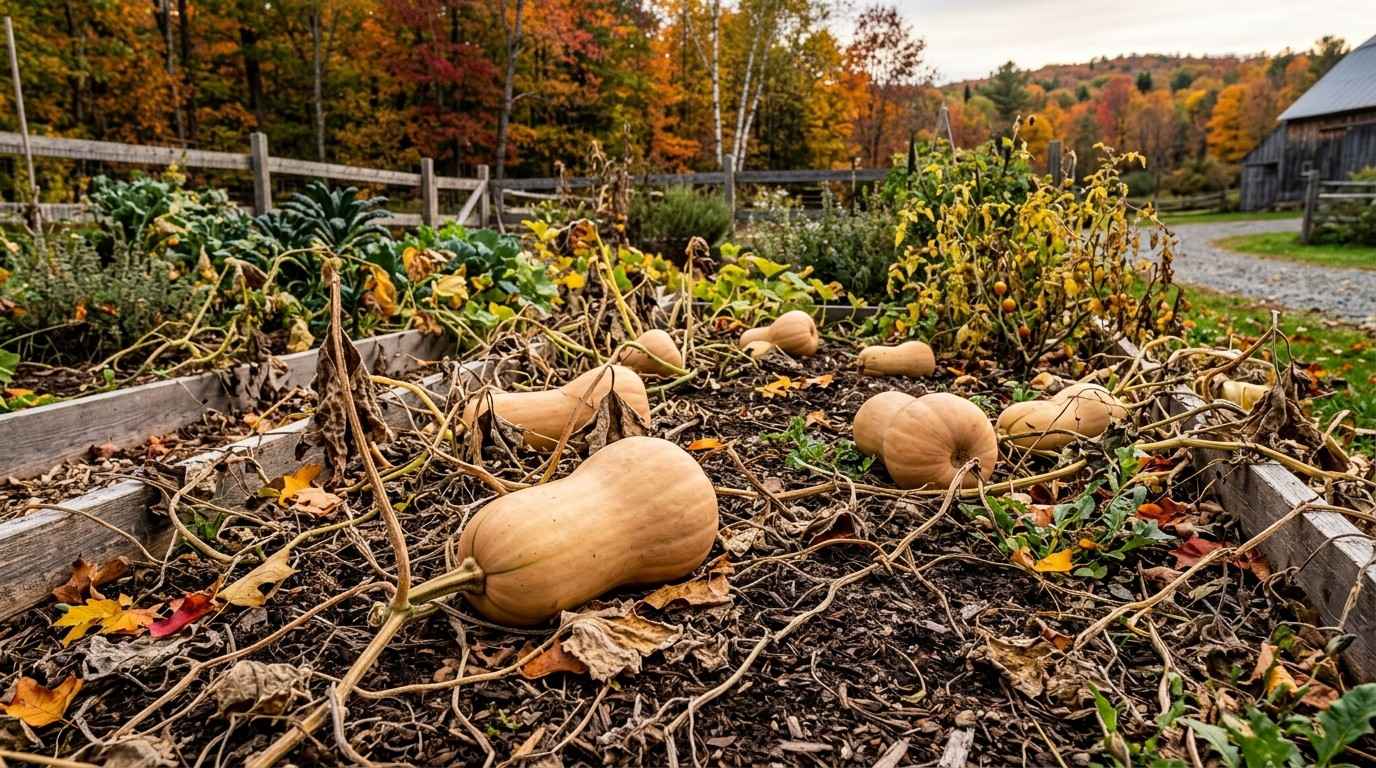
Growing butternut pumpkins (often called butternut squash in the US) can be rewarding, but knowing the right time to harvest is crucial. When to Harvest Butternut Pumpkins is one of the most important questions gardeners face because picking too early can lead to bland flavor and poor storage, while waiting too long increases the risk of rot, pests, and weather damage.
Understanding the signs of ripeness will help you enjoy the best taste, texture, and shelf life from your harvest.Butternut pumpkins have a long growing season, and their signs of ripeness are not always obvious to beginners.
This article will guide you through every step, from recognizing maturity in the field to avoiding common mistakes, with practical advice and real examples.Whether you’re a backyard gardener or a small-scale farmer, you’ll learn how to maximize your harvest and reduce waste.
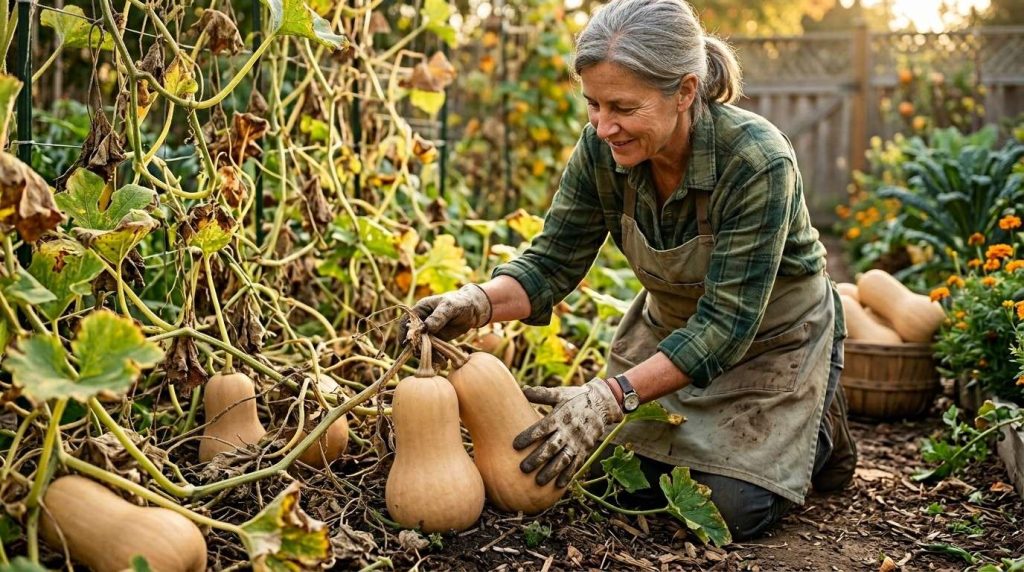
Before you can decide when to harvest, you must understand how butternut pumpkins grow. They start as seeds, sprout into vines, flower, and then set fruit. From flowering, it usually takes about 80–110 days for the pumpkins to reach maturity, depending on climate and variety.
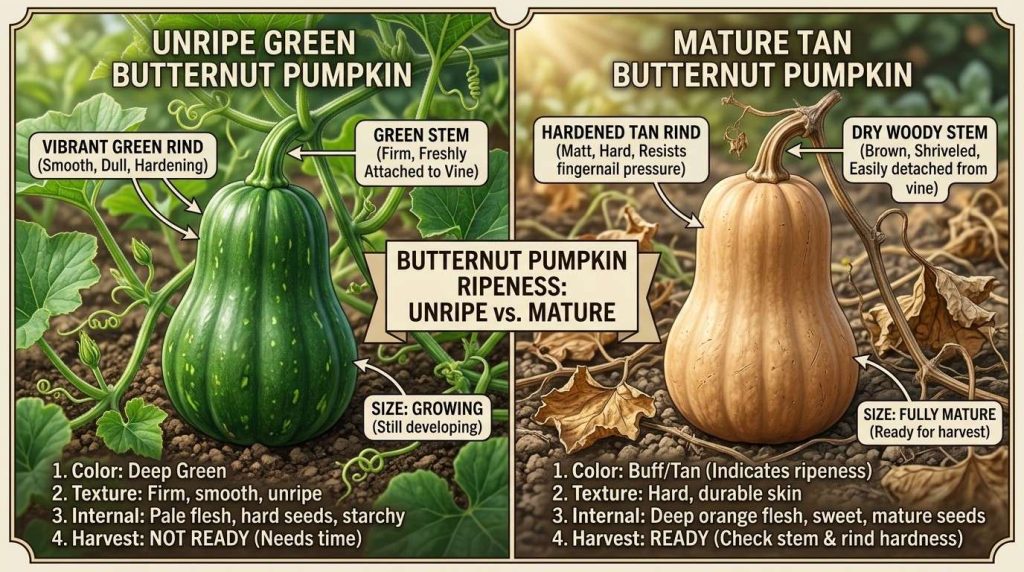
The pumpkin’s skin starts pale green, then turns creamy, and finally develops a deep tan color. The flesh inside also changes from pale to a rich orange as it matures. Not all pumpkins on a vine mature at the same time, so checking each one is important.
Each stage affects when and how you’ll harvest. Weather, soil nutrition, and watering can speed up or slow down growth.
Identifying the right moment to harvest is about observing physical signs and using hands-on tests.
A mature butternut pumpkin will have a uniform tan skin without green patches. The skin should be hard, not easily scratched by a fingernail. Immature pumpkins often have a shiny, soft skin. As they mature, the skin becomes dull and tough.
Look at the stem connecting the pumpkin to the vine. A ripe pumpkin’s stem is dry, brown, and shriveled, not green or fleshy. If the stem is still moist, the pumpkin is still taking nutrients from the vine.
Most butternut pumpkins reach 8–12 inches in length and weigh 2–4 pounds. Size alone isn’t a perfect indicator, but mature fruits generally look full and have their classic bell shape.
Tap the pumpkin gently. Mature pumpkins often sound hollow. This is a simple but effective test that many gardeners use.
| Feature | Immature Pumpkin | Mature Pumpkin |
|---|---|---|
| Skin Color | Pale green or creamy | Uniform tan |
| Skin Texture | Soft, easily scratched | Tough, resistant to scratching |
| Stem | Green, moist | Brown, dry, shriveled |
| Sound Test | Dull thud | Hollow sound |
| Size | Small, underdeveloped shape | 8–12 inches, bell shape |
Butternut pumpkins are typically harvested in late summer or early fall. In most regions, this is September to October. Timing depends on when you planted and your local climate. Watch your plants closely as the season changes.
If frost is approaching, harvest all mature pumpkins immediately. Frost damages the skin and reduces storage life. Even if some pumpkins are not fully mature, it's safer to pick them before a hard freeze.
Check local weather forecasts and know your growing zone. This helps you plan the harvest window and prevents losses from unexpected cold.
Harvesting butternut pumpkins is simple, but doing it right avoids damage and improves storage.
Imagine a pumpkin with a dry, brown stem and deep tan skin. You cut it carefully, leaving a bit of stem. You avoid handling it roughly and place it in a dry, shaded area.
Many beginners make common mistakes that can spoil their harvest.
Even if a pumpkin looks mature, always check the stem. Sometimes, skin ripens faster than the fruit inside, especially in hot weather. The stem is a better indicator for true maturity.
After harvest, curing is the process of letting pumpkins sit in a warm, dry place for 10–14 days. This hardens the skin and improves flavor. Curing also helps heal small cuts or scratches.
Proper curing increases shelf life from a few weeks to several months.
Butternut pumpkins store well if handled correctly. Here’s how to keep them fresh:
Most cured butternut pumpkins last 3–6 months in storage. Some varieties store even longer.
The timing of harvest affects both flavor and nutrition. Pumpkins harvested at peak maturity have richer taste and higher levels of beta-carotene (a vitamin A precursor). Immature pumpkins taste bland and have less nutritional value.
| Harvest Stage | Flavor | Beta-Carotene Content | Storage Life |
|---|---|---|---|
| Immature | Bland, watery | Low | 1–2 weeks |
| Mature | Sweet, nutty | High | 3–6 months |
| Overripe | Musky, sometimes off | Medium | 1–2 months |
Picking at the right stage ensures you get the best taste and highest health benefits.
Weather and soil quality change how fast butternut pumpkins mature. Warm weather speeds up ripening, while cool weather slows it down. Rich, well-drained soil produces bigger, healthier pumpkins.
If you notice unusual weather, adjust your harvest plan. For example, after heavy rain, check for rot and pick sooner.
Don’t rely only on calendar dates. Always check physical signs—weather can change growth rates quickly. In some years, pumpkins may mature weeks earlier or later than usual.
If you want to save seeds for next year, timing is even more important. Seeds in immature pumpkins don’t germinate well.
Proper timing ensures seeds are viable and plants grow strong next season.
The way you harvest may change if you’re selling pumpkins or just using them at home.
If you’re growing for market, plan harvests to match buyer demand and avoid losses.
Let’s look at two real examples:
Example 1: Backyard gardener in Michigan
Example 2: Small farmer in Queensland, Australia
Both examples show how harvest timing changes with location and purpose.
If you’re growing butternut pumpkins in containers, the process is similar but with a few differences:
Container-grown pumpkins are often smaller, but flavor is just as good if harvested at the right time.
Butternut pumpkins are just one type of winter squash. Others include acorn, hubbard, and kabocha. Harvest timing and signs are similar, but there are slight differences.
| Squash Type | Harvest Sign | Storage Life |
|---|---|---|
| Butternut | Tan skin, dry stem | 3–6 months |
| Acorn | Dark green skin, hard texture | 1–2 months |
| Hubbard | Blue/gray skin, dry stem | 6–8 months |
| Kabocha | Deep green skin, dry stem | 4–5 months |
Butternut pumpkins usually have the longest storage life among common winter squashes.
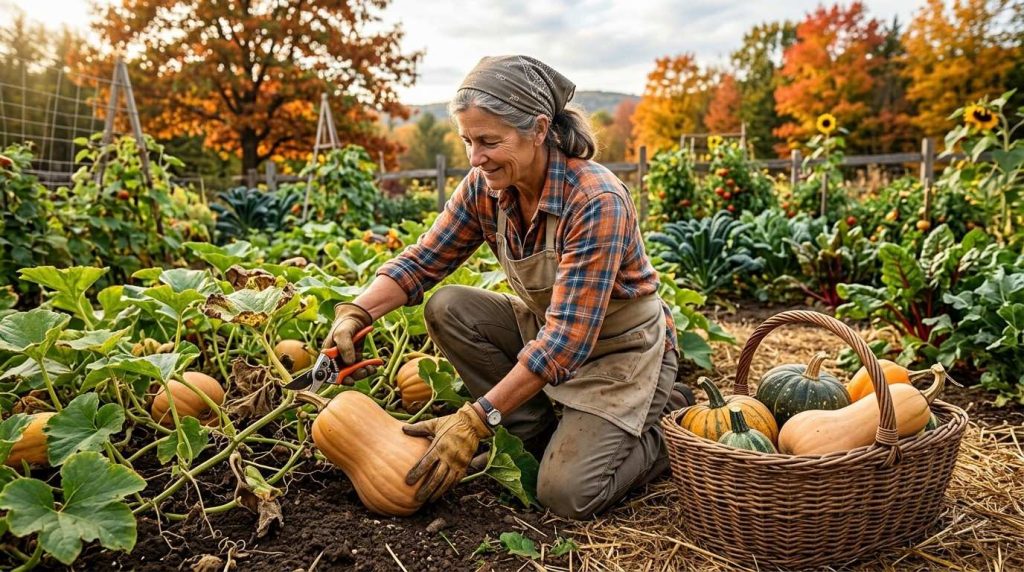
Check for uniform tan skin, a dry and shriveled stem, and a hollow sound when tapped. If the skin resists scratching with a fingernail, the pumpkin is mature.
You should harvest before frost. Frost damages the skin and reduces storage life. If frost happens unexpectedly, pick all pumpkins immediately—even immature ones.
Early harvest leads to bland flavor, poor nutrition, and short storage life. The pumpkin’s flesh may be watery and seeds will not be viable for saving.
Properly harvested and cured butternut pumpkins last 3–6 months in storage. Keep them in a cool, dry, and dark place with good airflow.
Don’t wash with water. Brush off loose dirt gently. Washing increases risk of mold and rot during storage.
Harvesting butternut pumpkins at the right time gives you sweet, rich flavor and months of healthy meals. Understanding maturity signs, avoiding common mistakes, and curing your pumpkins properly are the keys to success. Whether you’re growing for home or market, these steps help you enjoy the best from your crop. For more detailed information on winter squash and harvest timing, see Wikipedia. With these tips, you’ll never wonder when to harvest butternut pumpkins again.