Gardening Made Simple.

Are you ready to grow fresh, crunchy lettuce right from your own garden? Understanding Lettuce Seed Germination step by step is the key to strong seedlings and a successful harvest.
Whether you’re a beginner or looking to improve your gardening skills, this guide will make the process simple and clear. By following easy instructions, you’ll watch your tiny seeds sprout into healthy seedlings before your eyes. Keep reading to discover the secrets that will help your lettuce thrive and enjoy the satisfaction of homegrown greens on your plate.

Choosing the right lettuce seeds is the first step to a healthy garden. The seed type affects the taste, growth speed, and how well the lettuce grows in your climate. Knowing which seeds suit your needs helps you grow strong plants. It saves time and effort later in the process.
Lettuce seeds come in many types. The main ones are leaf, romaine, butterhead, and crisphead. Leaf lettuce grows fast and has loose leaves. Romaine is tall and crunchy, perfect for salads. Butterhead has soft, round leaves with a mild flavor. Crisphead is firm and crunchy, like iceberg lettuce. Choose a type that matches your taste and garden space.
Good seeds make strong plants. Pick seeds that look healthy and are not broken. Check the package for a recent harvest date. Fresh seeds grow better than old ones. Buy from trusted sellers to avoid bad seeds. Store seeds in a cool, dry place before planting. This keeps them alive and ready to sprout.
Preparing the soil is the first and most important step for growing healthy lettuce plants. Good soil helps seeds sprout quickly and grow strong roots. It needs to hold water but also drain well to keep the roots safe.
Start by clearing the area of weeds and debris. This makes sure lettuce seedlings get all the space and nutrients they need. Next, loosen the soil to improve air flow and root growth. Soft soil helps seeds push through easily.
Lettuce grows best in loose, fertile soil. It prefers soil with a pH between 6.0 and 7.0. This range helps the plant absorb nutrients well. The soil should stay moist but never soggy. Good drainage is key to avoid root rot.
Loamy soil, which is a mix of sand, silt, and clay, is ideal. It holds moisture and nutrients but still drains excess water. Avoid heavy clay soils or very sandy soils unless you improve them first.
Start by testing your soil's pH and nutrient levels. You can use a simple home test kit or send samples to a local extension service. Knowing your soil's condition helps decide what to add.
Add compost or well-rotted manure to improve fertility and texture. These materials increase nutrients and help soil hold moisture. Mix amendments into the top 6 to 8 inches of soil.
For acidic soil, add lime to raise pH. For alkaline soil, add sulfur to lower pH. Adjust these carefully and retest after a few weeks. Healthy soil means healthy lettuce seedlings.

Sowing lettuce seeds is the first step to grow fresh lettuce at home. Planting seeds correctly helps them grow strong and healthy. Lettuce seeds are tiny and need gentle care to start well.
Prepare the soil or seed trays with good drainage. Keep the soil moist but not wet. This creates the perfect place for seeds to sprout.
Plant lettuce seeds in early spring or late summer. Lettuce grows best in cool weather. Avoid hot temperatures because they can stop seed germination. Early morning or late afternoon is the best time to sow outdoors. This prevents seeds from drying out quickly.
Plant lettuce seeds about ¼ inch deep in the soil. Cover them lightly with soil or compost. Space seeds about 1 inch apart to give room for growth. Thin seedlings later to 6-12 inches apart depending on the lettuce type. Proper spacing helps air flow and reduces disease risk.
Watering is a key step in growing healthy lettuce seeds. Proper watering helps seeds sprout fast and grow strong. Too little or too much water can harm the seeds. Let’s explore how to water lettuce seeds right for the best results.
Lettuce seeds need moist soil to start growing. The soil should feel damp, not wet or dry. Check the soil daily. Lightly sprinkle water if the surface looks dry. Keep the soil soft so seeds can absorb water easily. Consistent moisture helps seeds sprout evenly and quickly.
Too much water can drown lettuce seeds. It may cause mold or rot. Avoid heavy watering or soaking the soil. Use a spray bottle or gentle watering can. Water slowly to keep soil moist but not soggy. Good drainage in your container or bed also stops water from pooling.
Temperature and light are two key factors for lettuce seed germination. Seeds need the right warmth and light to sprout quickly and grow healthy seedlings. Understanding these needs helps you start your lettuce garden successfully.
Lettuce seeds germinate best at temperatures between 60°F and 70°F (15°C to 21°C). Cooler temperatures slow down germination, while too much heat can stop seeds from sprouting.
Keep the soil evenly moist and warm. Avoid very hot or cold spots. A steady temperature helps seeds develop strong roots.
Lettuce seeds need light to germinate well. Place seeds on the soil surface or cover them lightly with a thin layer of soil.
Use a sunny window or grow lights to provide about 12 to 16 hours of light daily. This encourages fast sprouting and healthy growth.
Do not bury seeds deep. Too much darkness can prevent germination. Bright but indirect light works best.
Monitoring seedling growth is a key step in growing healthy lettuce plants. It helps you know if the seeds sprout well and if the young plants grow strong. Watching the seedlings closely allows quick action if any problem appears. This care leads to better chances of a good harvest.
Look for small green shoots breaking through the soil. These shoots show the seed has sprouted. The leaves will be tiny and light green at first. Healthy seedlings stand upright and have firm stems. Roots start growing under the soil, anchoring the plant. Seedlings that grow steadily each day are a good sign.
Yellow or wilted leaves can mean too much water or poor light. Seedlings that do not grow or look weak need better care. Check soil moisture to keep it damp but not wet. Make sure seedlings get enough sunlight or use grow lights. Thin out crowded seedlings to give space for growth. Watch for pests or mold and remove affected plants quickly.

Transplanting seedlings is a key step in growing healthy lettuce. This process moves your tiny plants from small containers to a larger space where they can grow strong. Doing it right helps your lettuce develop good roots and avoid stress.
Transplant seedlings after they grow two to three true leaves. These leaves are different from the first tiny ones. Usually, this happens about two to three weeks after germination. The seedlings should be about two to three inches tall. Also, the weather should be mild and not too hot or cold. This timing helps the plants adjust well to their new home.
Water seedlings a few hours before transplanting. This keeps the soil moist and helps roots stay intact. Gently loosen the soil around each seedling. Avoid pulling on the stem, as it can break easily. Use a small tool or your fingers to lift seedlings with some soil. Plant them at the same depth they were growing before. Space seedlings about six to twelve inches apart. Water the plants after transplanting to reduce shock. Shade them for a day or two if the sun is strong. This protects young lettuce from drying out.
Managing pests and diseases is key for healthy lettuce seed germination. Pests and diseases can damage young seedlings and reduce growth. Early care keeps your plants strong and thriving.
Aphids are small insects that suck plant juices. They can cause leaves to curl and stunt growth.
Cutworms cut young seedlings at the soil line. They can destroy many plants overnight.
Fungus gnats lay eggs in moist soil. Their larvae feed on roots, harming seedlings.
Keep soil moist but not wet. Overwatering invites fungus gnats and mold.
Use clean tools and fresh soil for each planting. This stops disease spread.
Check seedlings daily for signs of pests or damage. Early removal helps control pests.
Introduce natural predators like ladybugs to reduce aphid numbers.
Growing lettuce continuously provides fresh leaves all season. This keeps your kitchen stocked with crisp, healthy greens. Simple methods help you maintain a steady supply of lettuce. These tips focus on timing and soil care. Both are key to ongoing harvests.
Plant lettuce seeds every two weeks. This spreads out harvest times. You avoid having too much lettuce at once. Succession planting keeps fresh leaves ready to pick. Choose varieties with different growth speeds. This extends your harvest period even more.
Healthy soil grows strong lettuce plants. Add compost before planting to boost nutrients. Keep soil moist but not soaked. Remove weeds to reduce competition for nutrients. Rotate crops to prevent soil diseases. Good soil care supports continuous growth and harvest.
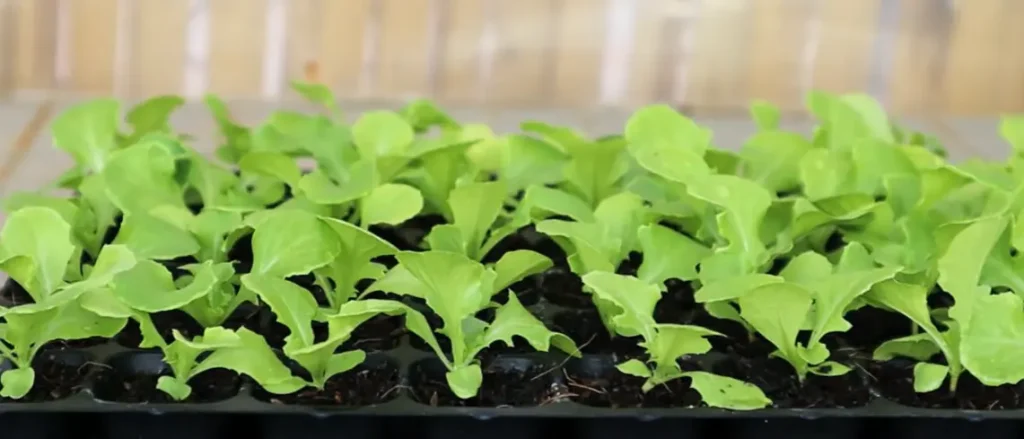
Lettuce seeds usually sprout in 7 to 10 days. Warmer temperatures can speed up germination. Cooler soil slows the process down.
Lettuce seeds germinate best between 60°F and 70°F (15°C to 21°C). Too hot or too cold soil may stop seeds from sprouting. Keep soil moist and warm for faster growth.
Plant lettuce seeds about 1/4 inch deep in soil. Too deep planting can stop seeds from growing. Light covering helps seeds get enough air and moisture.
Water lettuce seeds gently every day to keep soil moist. Do not let the soil dry out or flood it. Consistent moisture helps seeds sprout well.
Yes, starting seeds indoors gives them a strong start. Use seed trays with moist soil and good light. Transplant seedlings outside after 3-4 weeks when they are strong.
Following these simple steps helps lettuce seeds grow strong and healthy. Water the seeds just right, keep them warm, and watch them sprout. Patience is key; sprouts may take days to appear. Once seedlings grow leaves, they are ready to move.
Growing lettuce from seeds is rewarding and fun. Start small, enjoy the process, and see your garden thrive. Healthy lettuce begins with good care at the start. Try these steps and enjoy fresh, homegrown lettuce soon.