Gardening Made Simple.
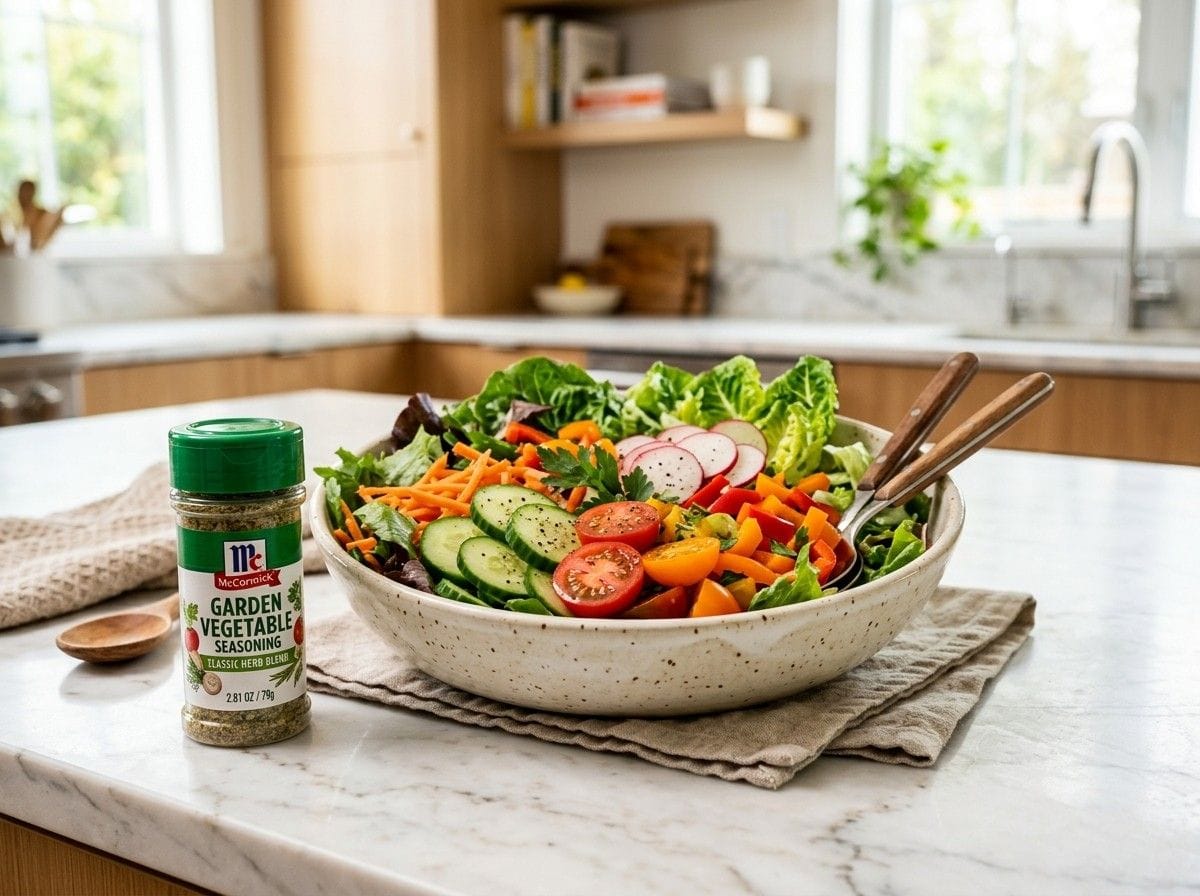
Few ingredients can change a meal as quickly as a sprinkle of seasoning. When you want your food to taste fresher, brighter, and full of flavor, the right blend matters. McCormick Garden Vegetable Seasoning is one of those blends that can turn simple vegetables, soups, salads, and even meats into something special. If you’re curious about what makes this seasoning unique, how to use it, and why so many home cooks and professionals reach for it, you’ll find everything you need in this guide.
This article will cover what’s inside McCormick Garden Vegetable Seasoning, how it’s used, tips for getting the most out of it, comparisons with similar products, nutrition facts, and even some recipes to try. Whether you’re new to seasoning or want to upgrade your kitchen, you’ll learn practical ways to use this blend for better meals.
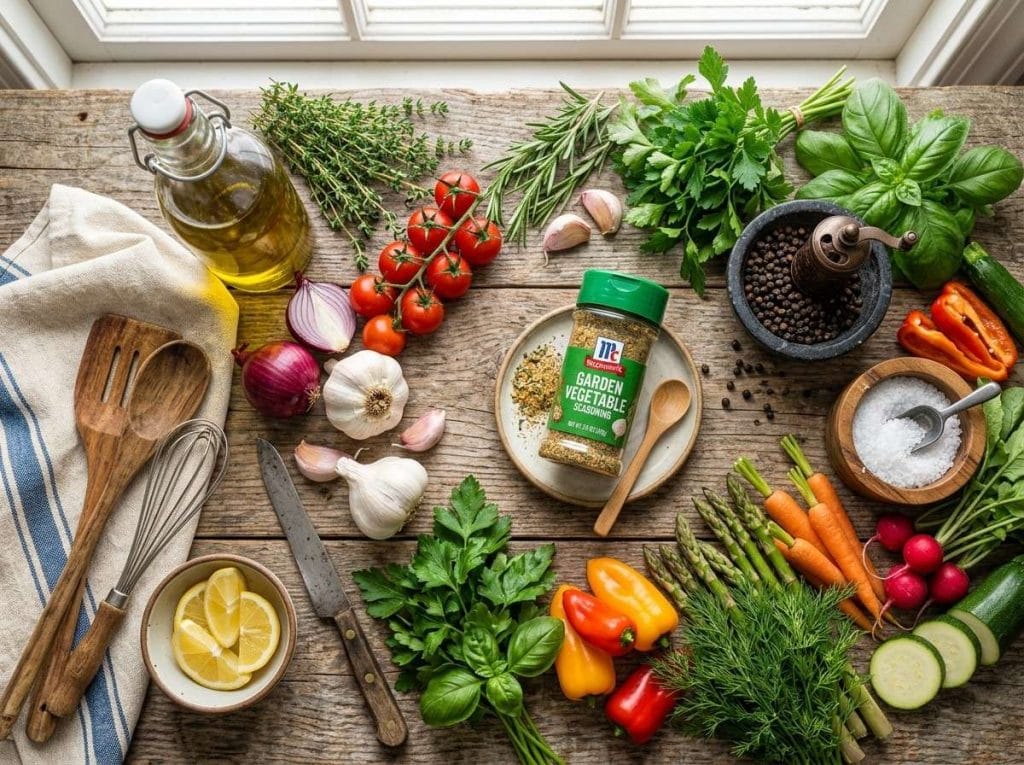
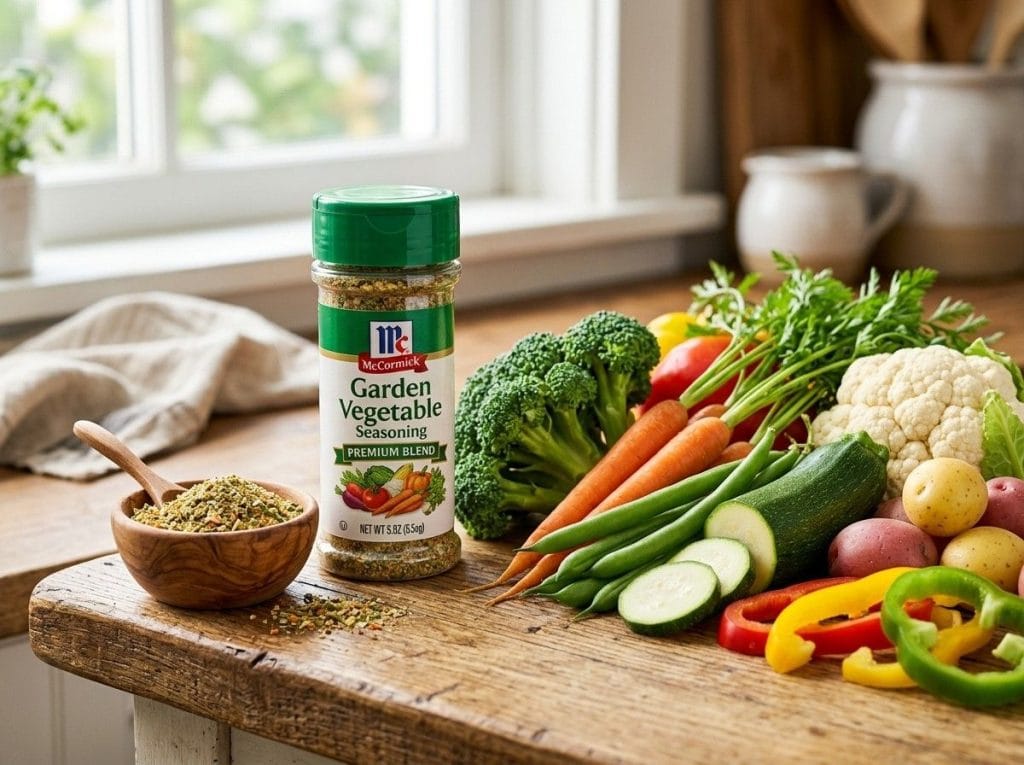
McCormick Garden Vegetable Seasoning is a spice blend made by the well-known McCormick brand. It’s designed to bring out the natural flavors of vegetables, but it’s versatile enough for many dishes. The mix usually includes a combination of dried vegetables, herbs, and spices that complement a wide range of foods.
While the exact formula can change, most bottles of McCormick Garden Vegetable Seasoning contain:
These ingredients are carefully balanced, so the blend adds both savory and sweet notes. You get a gentle earthiness from the vegetables and a bright pop from herbs and spices.
Unlike plain salt or pepper, McCormick Garden Vegetable Seasoning gives food a layered taste. It’s not just salty or spicy. The dried vegetables add depth, while herbs like parsley lift the flavor. It’s also convenient—no need to chop fresh vegetables or buy several spices. One shake does the job.
Many cooks notice that this blend makes food taste “garden fresh,” even if you’re cooking with frozen or canned vegetables. That’s because the mix includes real dried veggies, not just extracts.
You’ll usually find this seasoning in a plastic bottle with a shaker top. Sizes range from small (about 2. 5 oz) to larger bottles for busy kitchens. It’s sold in grocery stores, online shops, and sometimes in bulk for restaurants.
This seasoning is designed for vegetables, but you can use it in many ways. Its balanced flavor works in both hot and cold dishes.
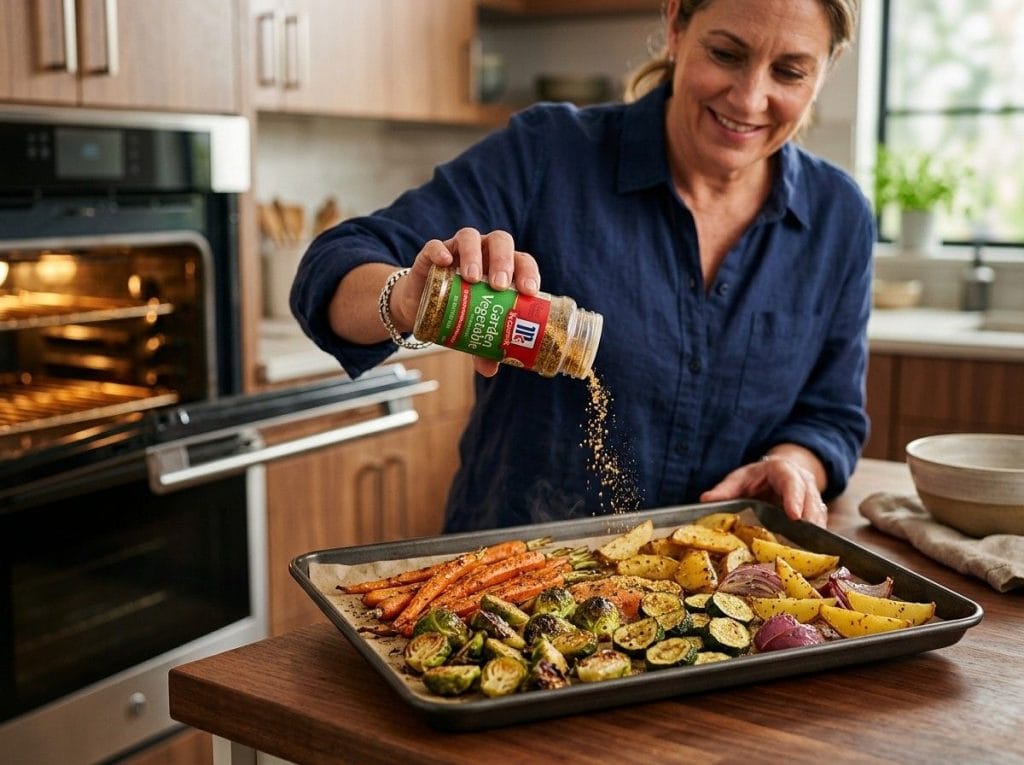
The most popular use is on roasted, steamed, or sautéed vegetables. For example, sprinkle it over broccoli or carrots before roasting. The seasoning helps caramelize the veggies, giving them a richer taste.
Tip: Toss vegetables with a bit of oil and a generous shake of seasoning. Roast at 400°F (200°C) until golden brown.
Stir the seasoning into soups, stews, or chili. It adds depth and makes the broth taste more complex. Because it has dried vegetables, it blends well without overpowering the dish.
You can mix it into homemade salad dressings or sprinkle it over fresh salads. Try combining the seasoning with olive oil and vinegar for a quick vinaigrette.
Add a pinch to scrambled eggs, omelets, or breakfast casseroles. The flavor pairs well with eggs, making breakfast more exciting.
While it’s marketed for vegetables, many cooks use it on chicken, beef, pork, or fish. Rub it onto meat before grilling or baking for a garden-inspired taste.
Stir it into cooked pasta, rice, or grain bowls. The seasoning livens up simple carbs, making them taste less bland.
Try shaking it over popcorn, roasted nuts, or chips for a savory snack.
If you’re unsure how much to use, start with ½ teaspoon per cup of vegetables. Taste and add more if needed.
The taste of McCormick Garden Vegetable Seasoning is both familiar and unique. You’ll notice:
It’s not spicy, so it works for children and adults who don’t like hot foods. The mix balances sweetness and saltiness, so it doesn’t overpower delicate dishes.
If you roast potatoes, carrots, and bell peppers with this seasoning, you’ll notice that the carrots taste sweeter, the potatoes have a gentle onion flavor, and the peppers are more aromatic. The overall effect is a blend that feels like eating from a summer garden.
Many beginners miss the fact that seasoning blends like this do more than add salt. They help vegetables brown evenly, create a richer aroma, and make even plain dishes taste interesting. It’s easy to use, so you don’t need to measure multiple spices.
Understanding what you’re eating is important. Here’s a breakdown of the typical nutrition facts for McCormick Garden Vegetable Seasoning. Actual values can change depending on the batch and bottle size.
| Nutrient | Amount per Serving (1/4 tsp) | % Daily Value |
|---|---|---|
| Calories | 0 | 0% |
| Total Fat | 0g | 0% |
| Sodium | 40mg | 2% |
| Carbohydrates | 0g | 0% |
| Protein | 0g | 0% |
| Sugar | 0g | 0% |
The seasoning is usually gluten-free and does not contain dairy, nuts, or soy. Always check the label for specific allergens, as recipes can change.
McCormick avoids MSG and artificial preservatives in many blends, including Garden Vegetable Seasoning. If you are sensitive, check the label to be sure.
To see how this seasoning stands out, it helps to compare it to other popular mixes. Here’s a simple comparison with two other blends: McCormick Italian Seasoning and Mrs. Dash Original Blend.
| Feature | McCormick Garden Vegetable | McCormick Italian | Mrs. Dash Original |
|---|---|---|---|
| Main Ingredients | Dried vegetables, herbs, salt | Herbs (basil, oregano, thyme), no vegetables | Dried vegetables, herbs, no salt |
| Flavor Profile | Earthy, slightly sweet, mild | Herbal, slightly spicy | Herbal, very mild |
| Sodium Content | Low | Low | Zero |
| Best Use | Vegetables, soups, grains | Pasta, pizza, Italian dishes | Vegetables, salads, low-sodium diets |
If you want a natural vegetable flavor and a little salt, go with McCormick Garden Vegetable. If you need a salt-free blend, Mrs. Dash is the better option. Italian Seasoning is ideal for pasta and pizza.
If you’re ready to try this seasoning, here are three practical recipes. Each recipe uses simple ingredients and clear steps.
Serves: 4
Prep Time: 10 minutes
Cook Time: 25 minutes
Tip: For extra crispness, don’t overcrowd the pan.
Serves: 6
Prep Time: 15 minutes
Cook Time: 30 minutes
Tip: Add pasta or rice for a heartier soup.
Serves: 4
Prep Time: 10 minutes
Cook Time: 20 minutes
Tip: Let chicken rest for 5 minutes before slicing.
Many people think this seasoning is only for vegetables, but it’s more flexible.
Mix the seasoning with oil, vinegar, and a touch of honey for a fast marinade. It works well for chicken, tofu, or shrimp.
Sprinkle over homemade pizza before baking. It adds a garden taste to cheese and tomato sauce.
Shake a little onto sandwiches or wraps for extra flavor.
Add to cream cheese, hummus, or yogurt-based dips. The dried veggies and herbs give the dip a fresh taste.
Try it in savory oatmeal or sprinkle over avocado toast.
Beginners often miss that you can use this blend to flavor homemade crackers or bread dough. Mix a teaspoon into the dough for a subtle veggie taste.
Finding the right seasoning isn’t just about flavor; you should also know how to store and use it for best results.
Look for McCormick Garden Vegetable Seasoning in the spice aisle of grocery stores. Online retailers like Amazon and Walmart often carry it. If you buy in bulk, check restaurant supply stores.
Check the expiration date. Fresh seasoning will have a stronger aroma and flavor. Avoid bottles with faded labels or signs of moisture.
Proper storage helps keep the flavor strong for up to two years.
Many home cooks and professionals use McCormick Garden Vegetable Seasoning because it’s easy and reliable.
On Amazon and Walmart, the seasoning usually scores between 4.6 and 4.8 stars out of 5. Most reviews mention:
Some negative reviews mention that the flavor can be mild or that bottles sometimes arrive with broken seals.
McCormick is one of the top spice brands in the US. Garden Vegetable Seasoning is among their fastest-growing blends, especially during spring and summer when people cook more vegetables.
Some restaurants use this seasoning for quick salads and veggie sides. It’s a time-saver and provides consistent flavor.
Some cooks mix this seasoning with other blends (like lemon pepper) to create custom flavors. This is a smart way to personalize your meals without buying many different products.
With more people caring about the environment, it’s good to know how your food is made.
McCormick sources herbs and vegetables from farms that follow sustainable practices. They work to reduce water use and avoid harmful chemicals.
McCormick uses recyclable plastic bottles. They are working on ways to reduce packaging waste. If you want to reuse bottles, wash and use them for homemade spice blends.
The company supports farmer education and fair prices. This helps small farms grow better crops and earn more.
For more details on sustainability, visit the official McCormick site:
Let’s see how the price of McCormick Garden Vegetable Seasoning compares to other popular blends.
| Brand | Product | Size | Average Price | Price per Ounce |
|---|---|---|---|---|
| McCormick | Garden Vegetable Seasoning | 2.5 oz | $4.99 | $2.00 |
| McCormick | Italian Seasoning | 2.25 oz | $4.49 | $2.00 |
| Mrs. Dash | Original Blend | 2.5 oz | $4.79 | $1.92 |
The price per ounce is similar across brands. Garden Vegetable Seasoning is in the middle range. Because it’s so versatile, one bottle can replace several individual spices.
Buy during store sales or use coupons for extra savings. Sometimes buying a larger bottle lowers the price per ounce.
Knowing how long your seasoning will last is important for both flavor and safety.
Unopened bottles last up to 2 years. Once opened, use within 12 months for best flavor.
If you notice these signs, replace the seasoning.
Keep away from sunlight and moisture. If you live in a humid area, consider placing a silica gel pack in the spice drawer.
This seasoning works for many diets, but it’s smart to check details.
It’s plant-based, with no animal ingredients.
Most bottles are gluten-free, but check the label for confirmation.
While not salt-free, it’s lower in sodium than many blends. If you need a very low-sodium diet, use sparingly.
It fits both diets, as it contains no grains or sugars.
Check for cross-contamination if you have severe allergies. McCormick labels clearly, but manufacturing lines sometimes share equipment.
If you want to experiment or can’t find the McCormick blend, you can make a simple homemade version.
Making your own blend lets you control every ingredient. It’s good for people with allergies or special diets.
The seasoning works best with roasted or sautéed vegetables, soups, salads, grilled meats, and pasta. It’s also good for eggs, grains, and snack foods like popcorn.
It’s not designed for fruit. The savory and herbal flavor does not match most fruits. For fruit, try blends with cinnamon or chili.
Most bottles are gluten-free, but always check the label. Sometimes production lines change, and new allergens can be introduced.
Start with ½ teaspoon per cup of food. Taste and adjust as needed. Too much can overpower delicate dishes.
You can find more recipes on the McCormick website and food blogs. For official recipes and ideas, visit McCormick Recipes.
McCormick Garden Vegetable Seasoning is a simple way to make everyday food taste better. Its balanced mix of dried vegetables, herbs, and spices works for busy home cooks, health-conscious eaters, and anyone looking for more flavor. It saves time, reduces the need for many single spices, and helps vegetables taste fresh and exciting. With creative uses, solid nutrition, and a fair price, it’s a smart addition to any kitchen.
Try it in your next meal, experiment with new recipes, and see how it changes your cooking. Whether you roast, grill, simmer, or shake it onto snacks, you’ll notice the difference. And if you want even more control, making your own blend is easy.
Happy cooking!