Gardening Made Simple.

If you love foraging or simply enjoy fresh, wild flavors, Missouri Morel Mushroom Season is something you don’t want to miss. These unique mushrooms only appear for a short time each year, making them a rare and exciting find.
Imagine the thrill of spotting these golden treasures in your own backyard or a nearby forest. You’ll discover exactly when and where to find morels in Missouri, how to identify them safely, and the best tips to make the most of this special season.
Keep reading to unlock the secrets of Missouri’s most sought-after mushroom!
Morel mushroom season in Missouri is a special time for mushroom hunters. The timing of the season depends on several natural factors. Knowing when morels start to appear helps hunters prepare and find these tasty fungi. Missouri’s climate and landscape create the perfect conditions for morels to grow during spring. Understanding the timing can increase your chances of a good harvest.
Morel mushrooms usually appear from mid-April to early June. The best time is often in May. This is when the weather warms up but the ground is still moist. Different areas in Missouri may see morels appear at slightly different times. Southern parts often see morels first, followed by northern areas. Watching local conditions helps find the right time to hunt.
Morels grow after the soil warms to about 50°F. Rainfall is very important. A few rainy days help morels sprout quickly. Too much rain can harm the mushrooms, while dry weather slows growth. Mild temperatures between 60°F and 70°F are ideal. Sudden cold snaps can stop morels from growing. Spring weather in Missouri can be unpredictable but usually favors morel growth.
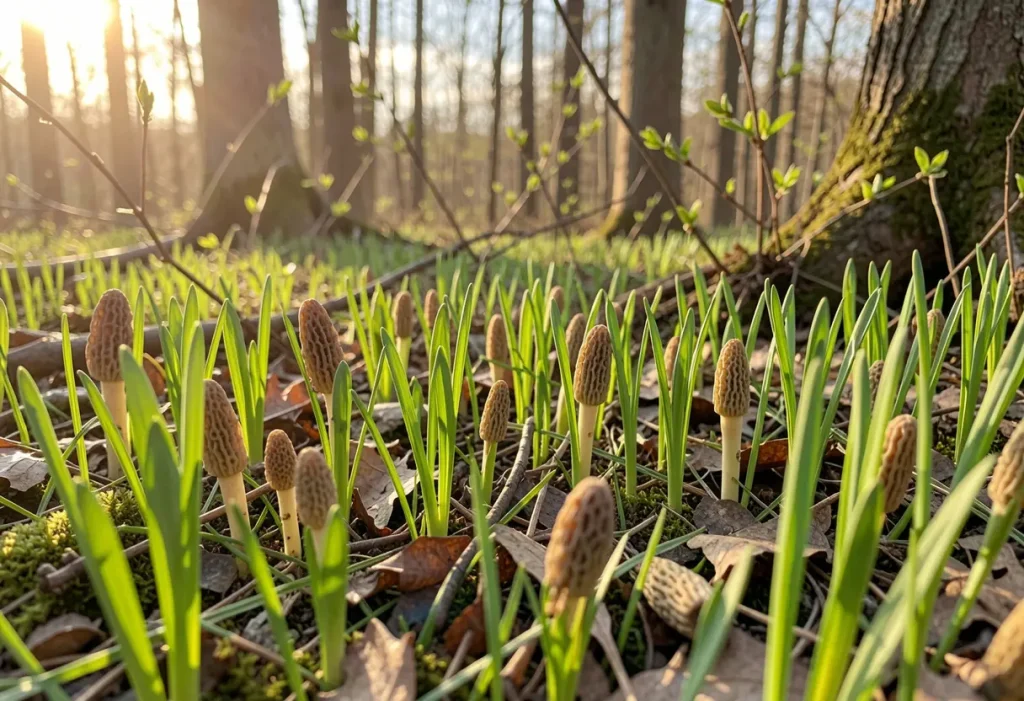
Look for moist, warm soil under trees. Morels often grow near dead or dying elm, ash, and apple trees. Small, cone-shaped bumps may appear on the ground before mushrooms pop up. Soft, damp leaves and decaying wood are good clues. Early morning fog or dew can signal perfect conditions. Spotting these signs helps hunters find morels faster.
Missouri offers many great spots for morel mushroom hunting. The state’s forests and parks provide perfect conditions for these tasty fungi. Knowing the best locations helps hunters find more morels each season. Both public and private lands have their own benefits. Local knowledge also plays a big role in success.
Explore these areas to enjoy a rich morel mushroom season in Missouri.
Mark Twain National Forest is a top choice for morel hunters. Its mix of hardwood trees supports large morel populations. Roaring River State Park is another hotspot. The park’s moist soil and shaded areas attract many mushrooms. Ha Ha Tonka State Park also offers good hunting grounds. The rocky terrain and diverse trees create ideal conditions. These places are open to the public and easy to access.
Public lands are open for everyone to hunt. They often have rules to protect the environment. Private lands may have more mushrooms but need permission to enter. Always ask landowners before hunting on private property. Respecting property rules keeps hunting safe and legal. Some private lands have less foot traffic, which helps mushrooms grow.
Many hunters rely on local tips to find secret spots. Small wooded areas near towns often hide morels. Creek beds and riverbanks can be fruitful places. Farmers and experienced hunters share advice in local groups. Visiting local markets may reveal where fresh morels come from. These hotspots change each year, so stay curious and explore.
Morel mushrooms are a prized find during Missouri’s spring season. Identifying them correctly is very important. Mistaking them for other mushrooms can be dangerous. Use these tips to spot true morels safely and confidently.
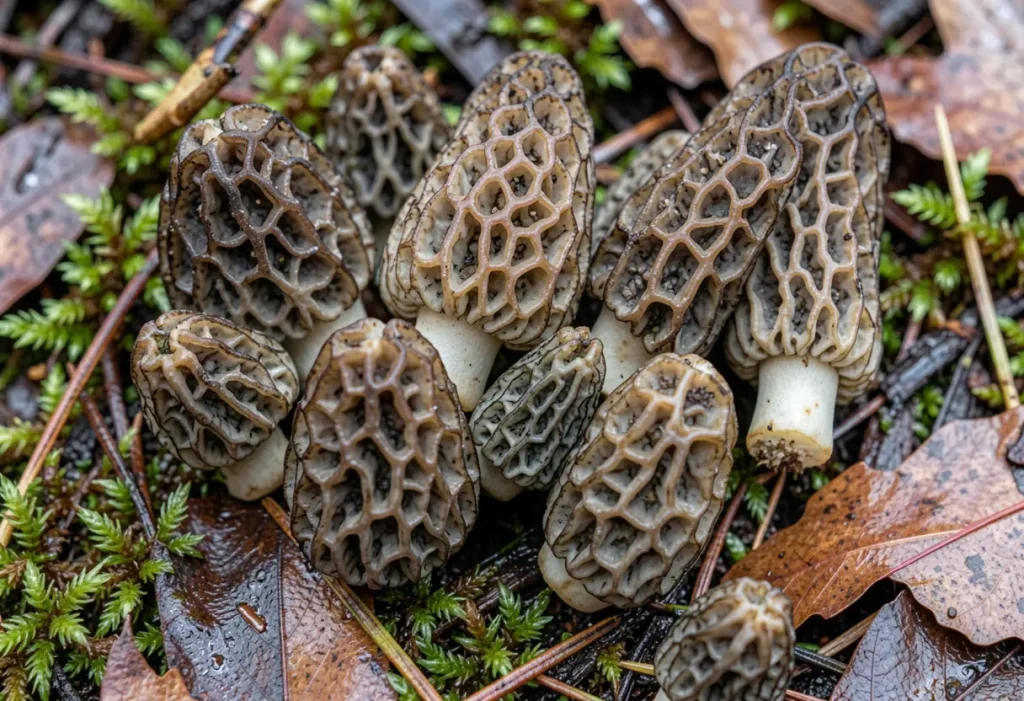
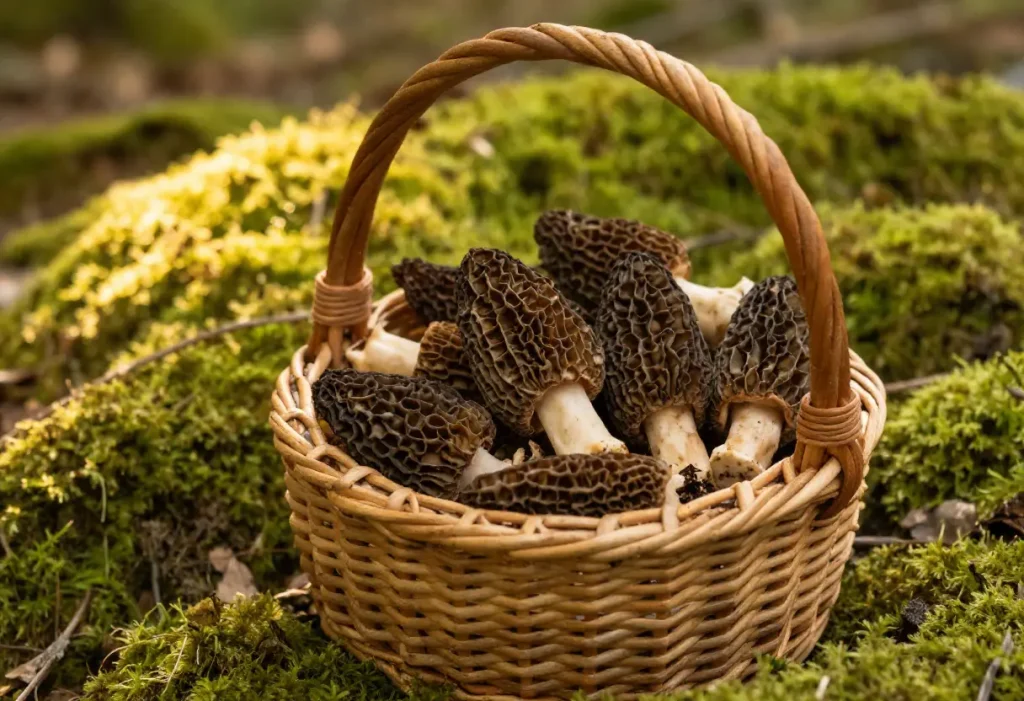
Morels have a honeycomb-like cap with deep pits and ridges. The cap is usually light brown, tan, or gray. It grows from a thick, white or cream-colored stem. Morels are hollow inside from top to bottom. They vary in size but often grow between 2 to 12 cm tall.
False morels can look similar but are toxic. They have irregular, wrinkled, or lobed caps, not honeycombed. Their caps attach to the stem at the top, unlike true morels. False morels may have cottony or chambered stems. Avoid mushrooms that are solid or not hollow inside.
Pick morels only if you are sure of their identity. Cut them at the base to keep the mycelium intact. Use a basket or mesh bag to carry them, allowing spores to spread. Clean morels well before cooking. Cook morels thoroughly to destroy any harmful substances.
Hunting for morel mushrooms in Missouri is exciting. Having the right tools and gear makes it easier and safer. The right equipment helps you find, collect, and carry morels without damage. Being prepared lets you enjoy the hunt more.
A small, sharp knife is important for cutting mushrooms cleanly. A basket or mesh bag works well to hold the mushrooms. These allow spores to spread while you walk. A walking stick helps to move leaves and check hard spots. A field guide or app helps identify morels correctly. Carrying water and snacks keeps you ready for a long search.
Wear long sleeves and pants to protect from ticks and scratches. Choose light colors to spot ticks easily. Sturdy boots keep feet dry and safe on rough ground. A hat shields from sun and falling debris. Dress in layers to adjust to weather changes. Gloves protect hands while searching through brush.
Use breathable containers to keep mushrooms fresh. Avoid plastic bags that cause mushrooms to sweat. Store morels in a cool place as soon as possible. Keep mushrooms dry to prevent spoilage. Transport them carefully to avoid crushing. Clean mushrooms gently before cooking or storing.
Finding morel mushrooms quickly during Missouri’s morel season takes smart tactics. Knowing where and when to search saves time and effort. Focus on soil, tree types, weather, and search methods for better results. These tips help you spot morels fast and enjoy the season fully.
Morels grow best in certain soils. Look for moist, well-drained areas with rich organic matter. Sandy loam soil often hosts morels. Check near trees like elm, ash, and oak. These trees create a good environment for morels. Fallen leaves and decaying wood nearby are good signs.
Weather plays a big role in morel growth. Warm days and cool nights signal the start of the season. Rain followed by sunshine creates perfect conditions. The soil should feel damp but not soggy. Watch for a few days after rain to start searching. Dry or very hot weather slows morel growth.
Walk slowly and scan the ground carefully. Morels blend well with leaves and sticks. Use a small stick to move leaves gently. Look around tree bases and fallen logs. Search early in the morning when morels are fresh. Mark found spots for a quick return later.
Morel mushroom hunting in Missouri is a popular spring activity. Sustainable and ethical practices help keep this tradition alive. Respecting nature and others ensures morels will grow for future seasons.
Following rules and caring for the environment protects the mushrooms and their homes. Every picker plays a part in preserving this natural treasure.
Taking only what you need helps morels grow back next year. Avoid picking mushrooms that are too small or old. Set a personal limit on how many mushrooms you collect each day. This gives the fungi a chance to spread spores and reproduce.
Stay on trails to avoid damaging the ground where morels grow. Do not dig or disturb the soil around the mushrooms. Leave plants and trees intact to maintain the forest’s health. Clean your shoes and tools to stop spreading harmful fungi or seeds.
Always ask permission before hunting on private land. Follow any rules the landowner sets for mushroom picking. Respect signs and barriers that restrict access. Being polite and responsible builds trust for future mushroom seasons.
Morel mushrooms are a prized find during Missouri’s mushroom season. Cooking and preserving these mushrooms let you enjoy their unique flavor long after the season ends. Their earthy taste and delicate texture make them a favorite in many dishes.
Proper preparation is key to getting the best taste. Morels must be cleaned carefully to remove dirt and tiny bugs. After cleaning, cooking methods bring out their nutty, rich flavor. Preserving morels helps keep them fresh and tasty for months.
Start by gently brushing dirt off the mushrooms. Avoid soaking them in water, as they absorb moisture easily. Slice larger morels in half for even cooking. Always cook morels well to destroy any toxins. Use a pan with butter or oil to sauté them slowly. Cooking brings out their natural flavors and softens their texture.
Morels pair well with simple recipes. Sautéed morels with garlic and butter is a classic. Add them to pasta or risotto for extra flavor. Morel cream sauce complements chicken or steak dishes. Stuffed morels with cheese and herbs make a tasty appetizer. Their unique flavor enhances soups and egg dishes, too.
Fresh morels keep best in the fridge for up to a week. Store them in a paper bag or wrapped in a cloth. Avoid plastic bags, which trap moisture and cause spoilage. For long-term storage, dry morels by air or in a low oven. Freeze morels after blanching to preserve texture and taste. Proper storage ensures you enjoy these mushrooms beyond the season.
Missouri Morel season usually starts in mid-April and lasts until late May.
Look for Morels in wooded areas, near dead or dying trees and riverbanks.
Check for a honeycomb cap with pits and ridges, and a hollow stem.
Early morning is best when the ground is moist and mushrooms are fresh.
Morels must be cooked before eating; raw Morels can cause stomach upset.
Missouri morel mushroom season brings excitement for many outdoors lovers. These mushrooms appear in spring, often after rain. Finding them takes patience and a keen eye. Many enjoy the thrill of the hunt and the tasty reward. Always pick mushrooms safely and know which are edible.
Exploring nature this season offers fresh air and calm moments. Enjoy the adventure and respect the environment around you. Morel season in Missouri is a special time to connect with nature.