Gardening Made Simple.

Have you ever spotted mushrooms popping up in your garden bed and wondered what they mean? Learning about mushrooms growing in garden bed can help you understand their role, care for your soil, and ensure a healthy, thriving garden.
You’ll discover the surprising benefits mushrooms bring to your garden, how to identify them, and what steps you can take to manage their growth. Keep reading to unlock the secrets hidden right under your feet and make your garden healthier than ever.

Choosing the right location for growing mushrooms in your garden bed is very important. Mushrooms need specific conditions to grow well. Picking the right spot can help you get healthy and tasty mushrooms. This section explains the best shade, soil, and moisture conditions for mushrooms.
Mushrooms like shade. Direct sunlight can dry them out quickly. Choose a spot that gets filtered light or stays shaded most of the day. Under trees or near tall plants works well. Avoid open, sunny areas. Too much light can stop mushrooms from growing.
Mushrooms grow best in rich, loose soil. The soil should have a lot of organic matter like compost or leaf mold. Avoid heavy clay or sandy soil. Good soil holds nutrients and lets air reach mushroom roots. Test your soil to check its texture and add compost if needed.
Mushrooms need damp soil to grow. The soil should be moist but not soggy. Water the garden bed regularly to keep the soil wet. Avoid waterlogged soil because it can cause mushrooms to rot. Check the soil often and water gently to keep the right moisture balance.
Selecting the right mushroom varieties is key for a healthy garden bed. Different mushrooms need different care. Some grow fast, while others take more time. Choosing the right type helps you enjoy fresh mushrooms at home.
Think about your garden conditions. Some mushrooms like shade and moisture. Others need well-drained soil. Also, consider how you plan to use the mushrooms in cooking.
Button mushrooms are popular and easy to grow. They have a mild taste and firm texture. Oyster mushrooms grow quickly and spread well. They come in many colors and flavors. Portobello mushrooms are large and meaty. Great for grilling or stuffing.
Shiitake mushrooms have a rich, smoky flavor. They grow best on hardwood logs or sawdust. Lion’s Mane mushrooms look like white pom-poms. They taste like seafood and boost brain health. Morel mushrooms are rare and prized. They need specific conditions to grow well.
Spores are tiny mushroom seeds. They take longer to grow and are harder to start with. Spawn is mushroom mycelium ready to grow. It helps mushrooms grow faster and easier. Gardeners new to mushrooms should use spawn for better results.
Preparing the garden bed is the first step for growing healthy mushrooms. A well-prepared bed creates the right environment for mushrooms to thrive. It helps with moisture control and provides nutrients. Good preparation also reduces problems with pests and diseases.
Start by clearing the area of weeds and debris. Loosen the soil to improve air flow and drainage. Avoid compacted soil as mushrooms need good air circulation. Test the soil pH and adjust it to be slightly acidic, around 5.5 to 6.5. This range supports mushroom growth best.
Add organic materials like compost, straw, or leaf mold to the soil. These materials supply nutrients and help keep the soil moist. Mix them well into the top 6 inches of soil. Avoid fresh manure as it can harm mushroom spores. Well-rotted organic matter works better.
Choose a shaded area for your garden bed. Mushrooms grow best in low light conditions. Arrange the bed in raised rows or mounds to improve drainage. Space the rows wide enough to allow air movement. Clear pathways help maintain the bed easily.
Planting mushrooms in a garden bed requires specific techniques to help them grow well. The right methods improve mushroom health and increase yield. This section covers key planting techniques for success. Learn how to prepare your garden bed and start growing mushrooms properly.
Inoculating means adding mushroom spawn to the garden bed. Spawn is the mushroom’s seed or mycelium. Break the spawn into small pieces. Spread these pieces evenly on the bed surface. Cover lightly with soil or compost. Keep the bed moist to help spawn grow faster. This step starts the mushroom growth process.
Layering helps mushrooms grow in rich soil. Begin with a thick layer of straw or wood chips. Add a thin layer of spawn on top. Cover with another layer of straw or compost. Repeat layers if the bed is deep. This method keeps moisture and nutrients near the spawn. It creates a perfect home for mushrooms.
Plant mushrooms during cool, damp seasons. Early spring or fall works best. Avoid hot and dry weather. Mushrooms need moisture to start growing. Check local climate before planting. Planting at the right time increases chances of success.

Watering and maintenance play a big role in growing mushrooms in your garden bed. Mushrooms need the right amount of water and care to grow healthy. Too much or too little water can hurt their growth. Regular checks help keep mushrooms strong and free from problems.
Water mushrooms gently and often. Keep the soil moist but not soggy. Early morning watering helps reduce evaporation. Use a spray bottle for even moisture. Watering once or twice a day usually works well.
Too much water can drown mushrooms and cause mold. Check soil moisture before watering. If soil feels wet, wait a day. Good drainage in the garden bed prevents water buildup. Overwatering leads to soft and rotten mushrooms.
Watch for bugs and small animals eating mushrooms. Remove debris to reduce hiding places. Use natural pest control like neem oil or soap spray. Keep the garden bed clean and dry to stop diseases. Healthy mushrooms grow better and resist pests easier.
Harvesting mushrooms is an exciting step in growing them at home. It shows your patience and care have paid off. Picking mushrooms at the right time ensures the best taste and texture. This section explains how to tell when mushrooms are ready, the best way to harvest them, and how to care for them after picking.
Look for mushrooms that have fully opened caps. The cap should be firm and round, not flat or too soft. The edges of the cap might start to curl up slightly. Check the color; it should match the mushroom type you planted. Avoid picking mushrooms that look dry or old. Picking too early or too late affects flavor and texture.
Use a sharp knife or scissors to cut mushrooms at the base. Cutting helps avoid damage to the growing area. Hold the mushroom gently to prevent bruising. Twist and pull gently only if you do not have a cutting tool. Clean tools before and after to prevent spreading spores or dirt. Harvest in the morning for the freshest mushrooms.
Place mushrooms in a paper bag or basket to keep them dry. Avoid plastic bags, which trap moisture and cause spoilage. Store them in a cool, dry place or refrigerator. Use mushrooms within a few days for best taste. Clean mushrooms with a brush or dry cloth before cooking. Avoid washing until just before use to keep them fresh.
Troubleshooting common issues with mushrooms growing in your garden bed helps keep your crop healthy. Problems can slow growth or ruin your harvest. Knowing how to spot and fix these issues saves time and effort. The key is acting early and understanding what each problem means.
Contamination can stop mushrooms from growing well. It happens when unwanted bacteria or fungi enter the growing bed. These microbes compete with your mushrooms for nutrients. They can also cause bad smells or discoloration. To deal with contamination, remove affected parts quickly. Use clean tools and wash your hands before handling mushrooms. Keep the growing area clean and dry to prevent more contamination.
Poor mushroom growth has many causes. Lack of moisture is a common problem. Mushrooms need damp conditions to grow. Too much sunlight can dry the bed and hurt growth. Wrong temperature also slows mushroom development. Check your garden bed for these conditions. Adjust watering, shade, and temperature to help mushrooms grow better.
Mold and rot damage mushrooms fast. They appear as fuzzy or slimy patches on the bed. These problems come from too much moisture and poor air flow. To prevent mold and rot, water mushrooms in the morning. This allows the bed to dry during the day. Improve air circulation by spacing mushrooms apart. Remove any decaying material from the bed regularly.
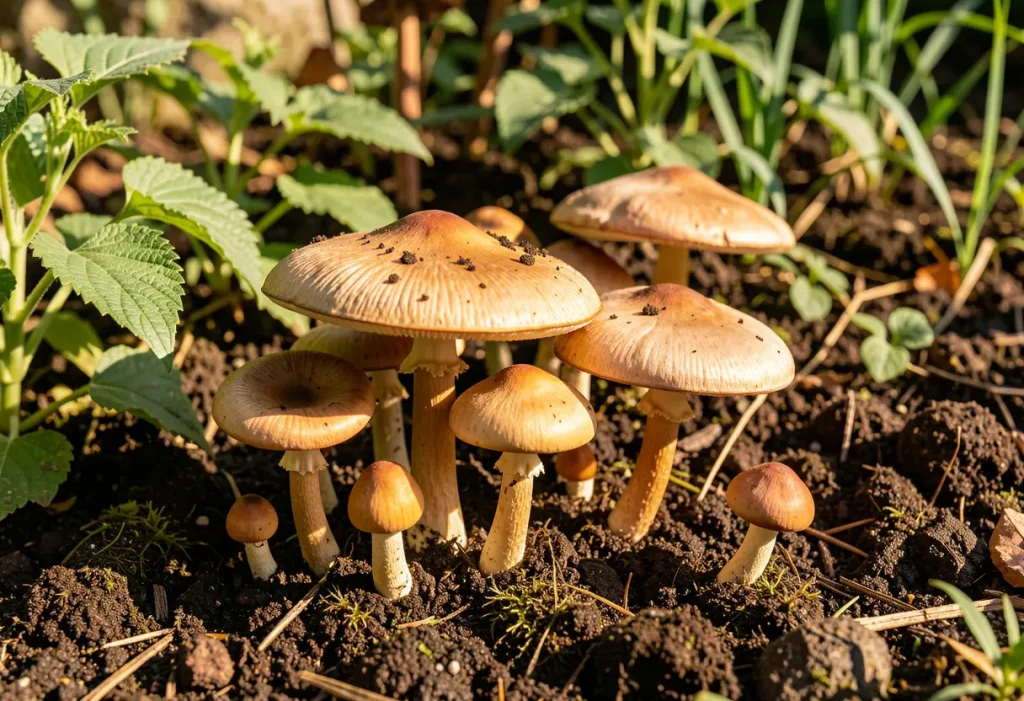
Mushrooms grow because of moisture and decaying organic matter in soil. They help break down dead plants.
Mushrooms usually do not harm plants. They help improve soil by breaking down organic material.
Do not eat wild mushrooms unless identified by an expert. Some can be toxic or deadly.
Reduce watering and improve soil drainage. Remove decaying leaves and wood to limit mushroom growth.
Mushrooms show healthy soil with lots of organic matter. They signal active decomposition, which is good for plants.
Mushrooms in your garden bed can tell you about soil health. They help break down dead plants and add nutrients. Some mushrooms are safe, but others might cause harm. Watch them closely and learn which types grow near you. Keep your garden clean and dry to control unwanted fungi.
Enjoy the natural balance mushrooms bring to your garden space. They show that life thrives beneath the surface. Gardening with mushrooms can be a small step toward a healthier yard.