Gardening Made Simple.
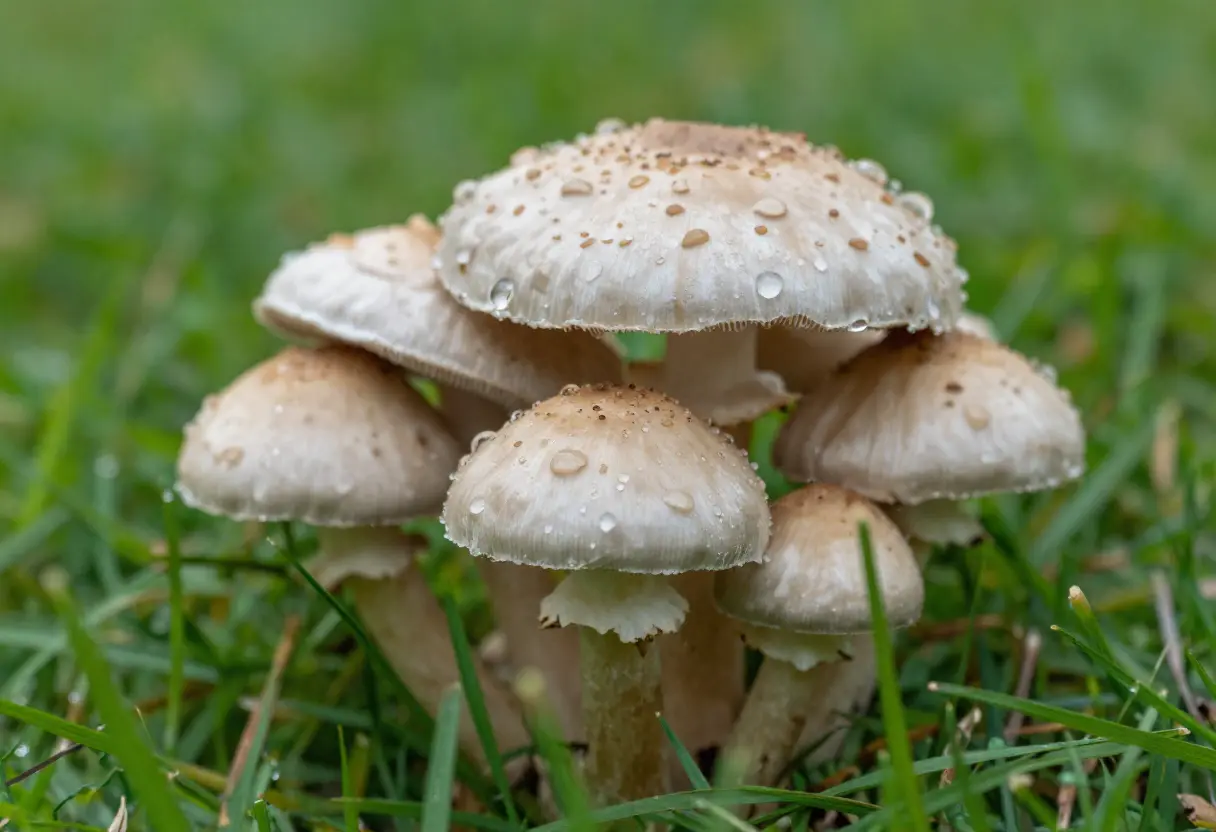
Have you ever spotted mushrooms popping up in your grass and wondered what they mean? Mushrooms Growing in Grass can be fascinating but also confusing, so knowing how to identify them safely is key for a healthy lawn.
You might be asking yourself if they’re harmful or helpful, or how they got there in the first place. Understanding why mushrooms grow in your lawn can change how you care for your yard and even improve its health. Keep reading, and you’ll discover the surprising truth behind these mysterious grass visitors—and what you can do about them.
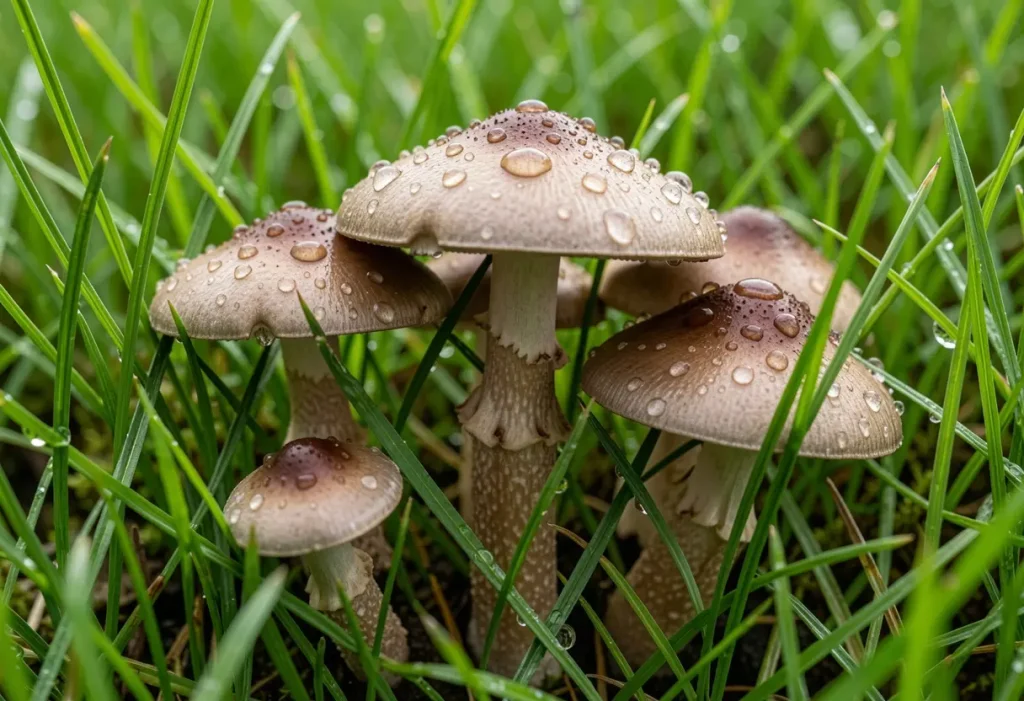
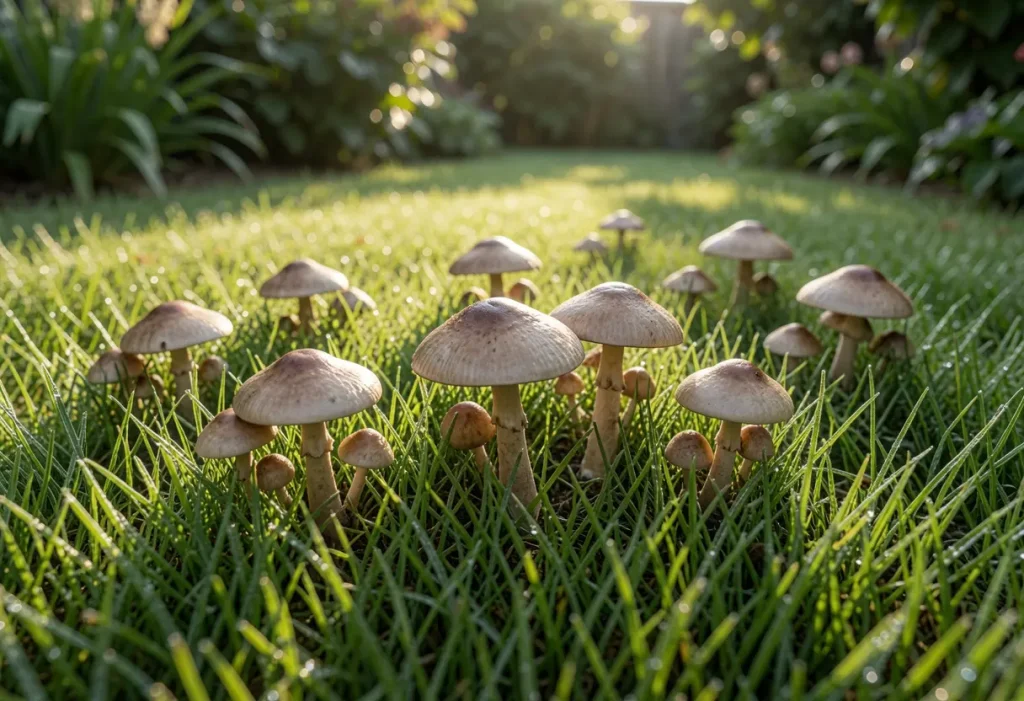
Mushrooms often appear in grassy areas. These common grass mushrooms grow naturally in lawns and fields. They vary in size, shape, and color. Some are harmless, while others may be toxic. Understanding these mushrooms helps keep your lawn safe and healthy.
Lawns host many types of mushrooms. The most frequent include the Fairy Ring Mushroom, which forms circular patterns. The Ink Cap Mushroom grows quickly and dissolves in water. The Puffball Mushroom is round and releases spores like dust. Each type has unique features easy to spot.
Mushrooms in grass grow mostly in wet seasons. They appear after rain and warm weather. Spring and fall are prime times for growth. Dry and cold months usually stop their growth. Knowing these patterns helps predict when mushrooms might show up.
Mushrooms growing in grass can look very similar to each other. Identifying them correctly is important for safety and knowledge. This section explains key features to help spot different types. Knowing these traits makes mushroom hunting safer and more enjoyable.
The cap is the top part of the mushroom. It can be round, flat, or bell-shaped. Some caps have smooth surfaces, while others show scales or wrinkles. Color varies from white, brown, yellow, to bright reds. Changes in color can happen as the mushroom ages or dries out. Noting the cap’s shape and color helps narrow down the type quickly.
Gills are the thin plates under the cap. They can be crowded or spaced apart. Their color may range from white to dark brown or black. The stem holds the cap above the ground and can be thick or thin. It may have rings or be smooth. Some stems hollow out inside. Checking these features is key to telling mushrooms apart.
A spore print shows the color of a mushroom’s spores. To get one, place the cap gills-down on paper for a few hours. Spores fall and leave a print. This print’s color helps identify the species. Common spore colors include white, pink, brown, and black. Spore prints provide clear clues beyond what the eye can see.
Mushrooms growing in grass can be fascinating to find. Some are safe to eat, while others are toxic. Knowing the difference can keep you safe and healthy. This section helps you understand which mushrooms to avoid and which are good to eat.
Many toxic mushrooms look like edible ones. This makes them risky for beginners. For example, the Death Cap mushroom resembles some common edible types. Eating it can cause serious illness or death. Always avoid mushrooms with white gills and a cup-like base. Some poisonous mushrooms have a strong, unpleasant smell. Others have bright colors that warn of danger. Never eat mushrooms unless you are sure they are safe.
Several mushrooms growing in grass are safe to eat. The common field mushroom is one example. It has a smooth cap and pink to brown gills. Another is the shaggy ink cap, which breaks down into black ink as it ages. These mushrooms taste good cooked and add flavor to meals. Always pick mushrooms that are firm and fresh. Wash them well before cooking to remove dirt and bugs.
Foraging mushrooms in grass can be fun and rewarding. Yet, safety is key. Some mushrooms look alike but are harmful. Knowing how to identify safe mushrooms protects your health and enjoyment. Follow clear steps to avoid mistakes and risks.
Field guides help identify mushrooms with pictures and descriptions. Carry a guide when you forage. Compare the mushroom’s shape, color, and size carefully. Note the habitat and smell too. Do not pick mushrooms you cannot identify. Field guides reduce the chance of picking toxic mushrooms.
Experts offer advice and confirmation on mushroom safety. Join local mycology clubs or online groups. Share photos and ask questions before eating. Experts spot details beginners might miss. Their knowledge helps you learn and stay safe.
Mushrooms growing in grass depend on many environmental factors. These factors affect how well mushrooms develop and spread. Understanding these helps explain why mushrooms appear in certain grassy areas and not others.
Different conditions in the environment create the perfect setting for mushrooms. The right balance of soil, moisture, and grass type plays a big role in their growth. Let’s explore two key factors that influence mushroom growth in grass.
Soil quality affects mushroom growth a lot. Mushrooms need soil rich in organic matter. This matter breaks down and feeds the mushroom roots, called mycelium.
Moisture is also crucial. Mushrooms need damp soil to grow well. Dry soil stops their growth. Too much water can cause mushrooms to rot. The best soil stays moist but not soggy.
Different grass types impact mushroom growth differently. Some grasses support fungi better by offering more nutrients. Others may not allow mushrooms to grow as easily.
Grass roots interact with mushroom mycelium. This relationship helps mushrooms get food and water. Grass species that form strong links with fungi encourage more mushroom growth.
Mushrooms growing in grass can be fascinating to spot. Many people try to pick and use them, but mistakes can be dangerous. Knowing common errors helps keep you safe and informed.
Many mushrooms look alike. Some edible mushrooms have poisonous twins. Picking the wrong one can cause serious health problems. Never pick mushrooms unless you are sure. Using a mushroom guidebook helps. Taking photos and asking experts is smart. Trust your knowledge, not just looks.
Some mushrooms cause skin irritation. Always wash your hands after touching wild mushrooms. Cooking mushrooms properly removes some toxins. Eating raw wild mushrooms is risky. Start with small amounts to test your body’s reaction. Avoid mushrooms from polluted areas like roadsides or lawns treated with chemicals.
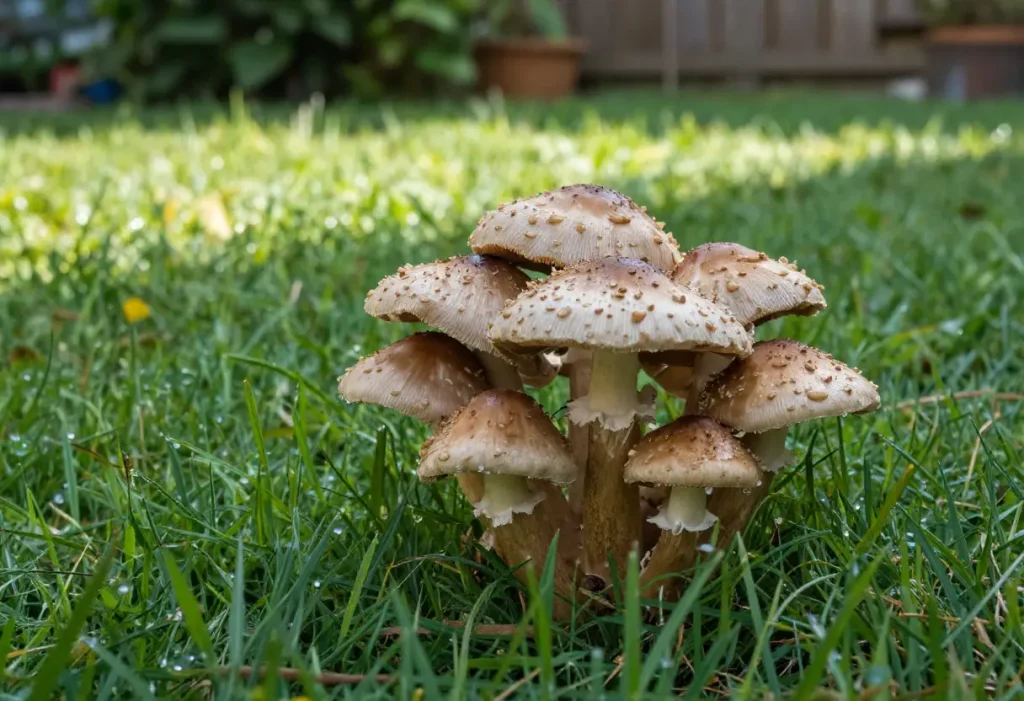
Mushrooms grow in grass because the soil is rich in organic matter and moisture.
Some mushrooms are toxic to pets, so it is best to keep them away from wild mushrooms.
Look for color, shape, and smell, but avoid eating wild mushrooms unless you are an expert.
Mushrooms usually do not harm grass; they help break down dead material in the soil.
Keep your lawn dry and remove organic debris to reduce mushroom growth in grass.
Mushrooms growing in grass are common and natural. They often show up after rain or watering. Most are harmless, but some can be toxic. Always watch children and pets around them. You don’t need to worry unless you plan to eat them.
Learning to identify safe mushrooms is helpful. Grass provides a good home for many fungi. Enjoy the beauty of these small, quiet visitors. Nature uses mushrooms to help the soil stay healthy. Keep your lawn clean and dry to control growth.
Mushrooms remind us how lively and connected nature is.