Gardening Made Simple.
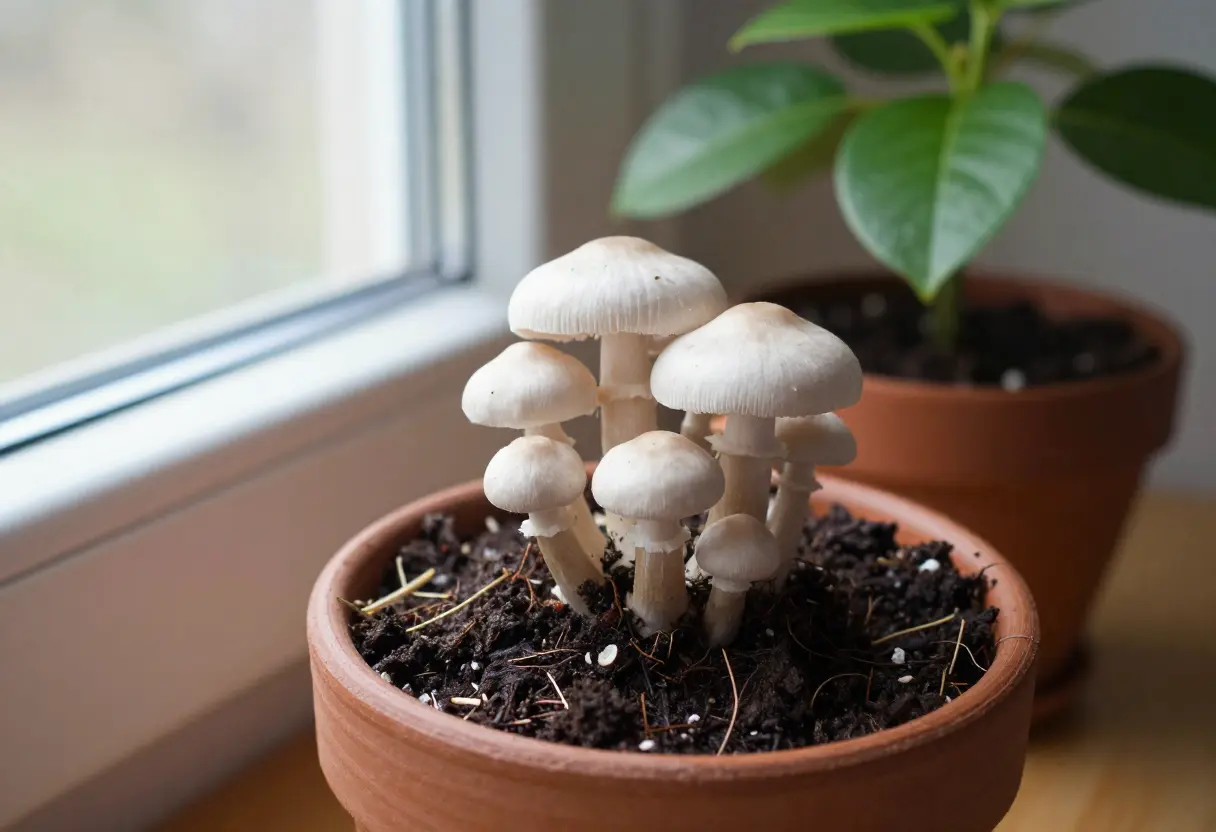
Are you curious about adding something unique and exciting to your indoor garden? Exploring mushrooms growing indoor plants can open up a fascinating way to boost biodiversity and create a thriving, natural indoor ecosystem.
Imagine harvesting fresh, delicious mushrooms right from your own home while your plants thrive around them. Not only do mushrooms add flavor to your meals, but they also create a healthier environment for your plants. You’ll discover simple tips to grow mushrooms indoors with your plants, turning your space into a green oasis full of life and flavor.
Ready to unlock the secret to a thriving indoor garden? Keep reading!
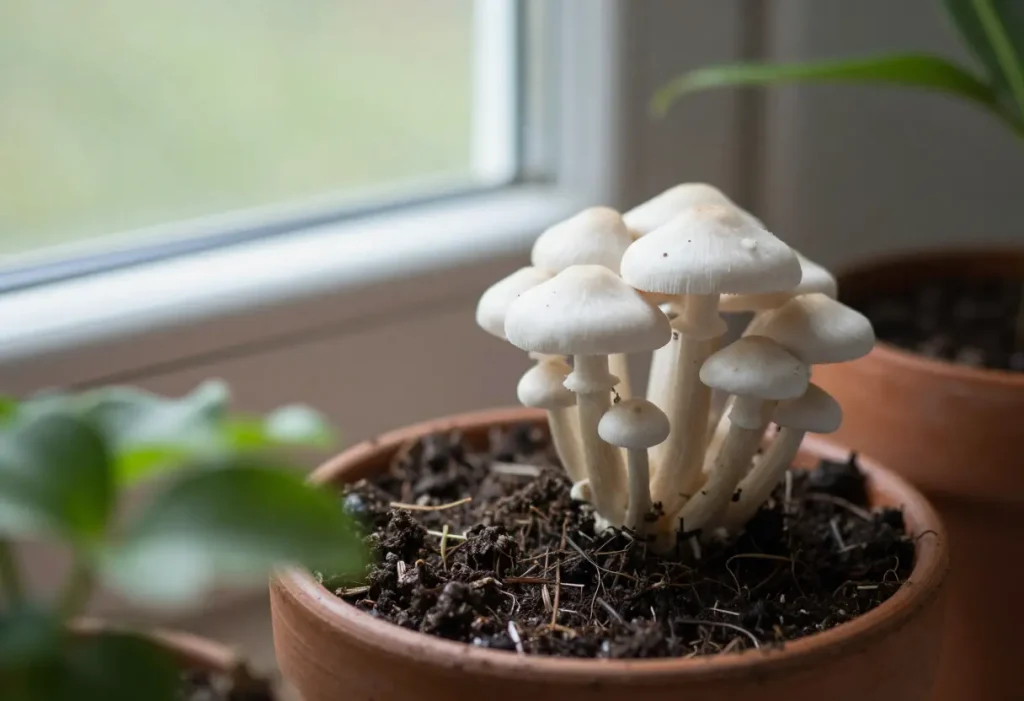
Choosing the right mushroom species is a key step for indoor mushroom growing success. Different mushrooms need different care and conditions. Picking the best type helps ensure healthy growth and a good harvest. It also makes the process easier and more enjoyable.
Some mushroom types do very well indoors. Oyster mushrooms are popular and grow fast. They need little light and can grow on many materials. Shiitake mushrooms are tasty and easy to grow on wood. Button mushrooms, the kind found in stores, also grow well inside. These varieties fit most indoor spaces and beginner growers.
Temperature and humidity affect mushroom growth a lot. Some mushrooms like cooler spaces, others prefer warmth. Make sure the chosen species matches your indoor climate. Space matters too. Some mushrooms need more room to grow. Small spaces suit compact species like oyster mushrooms. Plan your setup based on these needs for best results.
Preparing the growing medium is a key step in indoor mushroom cultivation. The right medium helps mushrooms grow strong and healthy. It provides nutrients and support for the mycelium. Clean, well-prepared substrates reduce contamination risks. This section covers how to select and prepare the growing medium for best results.
Choosing the right substrate is important for mushroom growth. Common options include straw, sawdust, and coffee grounds. Straw is easy to find and holds moisture well. Sawdust works best for wood-loving mushrooms. Coffee grounds recycle waste and provide nutrients. Avoid substrates with chemicals or mold. The substrate must be fresh and clean. A good substrate supports mycelium and encourages fruiting.
Sterilizing the substrate kills harmful bacteria and fungi. It creates a clean environment for mushroom spores. Boiling the substrate in water for one hour is effective. Pressure cooking at 15 psi for 90 minutes is better. This method kills more contaminants. Let the substrate cool before adding mushroom spawn. Proper sterilization reduces the risk of contamination. Clean tools and workspace also help keep the medium safe.
Creating the right indoor environment is key to growing healthy mushrooms. Mushrooms need specific conditions to grow well. This section explains how to set up temperature, humidity, light, and air flow. Follow these steps to give your mushrooms the best chance to thrive indoors.
Mushrooms grow best in cool to moderate temperatures. Most types prefer 55 to 70 degrees Fahrenheit. Keep the temperature steady for consistent growth. Humidity should be high, around 80 to 90 percent. Use a humidifier or mist the area daily. High humidity helps mushrooms stay moist and develop fully.
Mushrooms do not need strong light like plants. Indirect, low light works well. Avoid direct sunlight as it can dry them out. Use a small lamp or place mushrooms in a shaded spot. Light helps mushrooms know when to grow and form caps. Keep light on for 10 to 12 hours a day.
Fresh air is important but avoid strong drafts. Good air flow prevents mold and keeps mushrooms healthy. Use a small fan on low or open a window briefly each day. Do not let the air dry out the growing area. Proper air circulation balances humidity and stops bad odors.
The inoculation and spawning process is the first step in growing mushrooms indoors. It involves placing mushroom spores or spawn into a growing medium. This process helps mushrooms start growing in a controlled environment. Proper inoculation ensures strong and healthy mushroom growth.
Spawning means adding the mushroom spawn to the substrate, which is the material mushrooms grow on. This step requires care and cleanliness to avoid contamination. Understanding the types of spawn and how to inoculate correctly will increase your chances of success.
Different spawn types suit different growing methods. Grain spawn is popular because it spreads well in the substrate. Sawdust spawn works well for hardwood-based materials. Plug spawn is good for logs and wood blocks. Choose spawn based on the mushroom species and substrate available.
Spawn quality matters. Look for fresh spawn with visible white mycelium. Avoid spawn that looks discolored or dry. The right spawn type and quality lead to faster colonization and better yields.
Start by preparing a clean workspace. Wash your hands and sanitize tools. Wear gloves and a face mask to reduce contamination risk.
Open the spawn bag carefully. Break the spawn into small pieces for even spread. Mix the spawn thoroughly into the moist substrate.
Fill your growing containers with the inoculated substrate. Pack it gently but firmly to remove air pockets. Cover containers with breathable material to allow airflow.
Store the containers in a dark, warm place. Ideal temperature varies by mushroom species but usually stays between 65°F and 75°F. Check daily for signs of mycelium growth. White threads mean successful colonization.
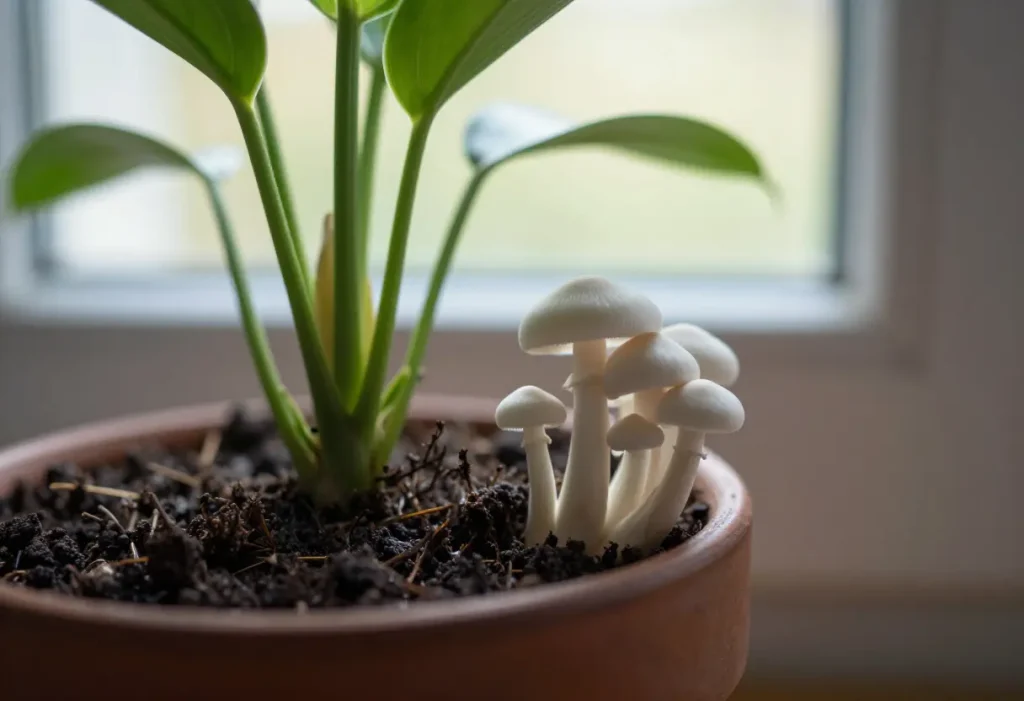
Maintaining growth and monitoring health are key to growing mushrooms indoors. Healthy mushrooms need proper care and attention. This section covers important steps to keep your indoor mushrooms thriving.
Mushrooms need a moist environment to grow well. Too much water causes mold and rot. Too little water stops growth. Use a spray bottle to mist the growing area daily. Check the moisture level regularly. The substrate should feel damp but not soggy. Good airflow helps keep moisture balanced.
Watch for signs of problems early. Yellow or brown spots on mushrooms can mean disease. Slimy texture or strange smells are warning signs. White fuzz is normal, but colored fuzz may be mold. Inspect mushrooms and substrate daily. Remove damaged or infected mushrooms to protect others.
Cleanliness prevents contamination. Always wash hands before handling mushrooms. Use clean tools and containers. Avoid exposing mushrooms to outside air or dust. Cover the growing area with a breathable lid to stop pests. Regularly remove dead material to reduce risk of contamination.
Harvesting and post-harvest care are vital steps in growing mushrooms indoors. These steps ensure the mushrooms remain fresh and tasty. Proper care after picking helps keep their quality and extends shelf life. Understanding when and how to harvest is key. Knowing how to store mushrooms correctly prevents spoilage and waste.
Mushrooms are ready to harvest when caps fully open. The edges of the caps start to curl up slightly. The color of the mushroom becomes vibrant and firm. Avoid waiting too long, as mushrooms can become slimy or dry. Check daily for these signs to pick at the right time.
Use a clean, sharp knife or scissors to cut mushrooms. Cut the stem at the base near the growing surface. Avoid pulling or twisting mushrooms to prevent damage. Handle mushrooms gently to avoid bruising. Clean your tools before and after harvesting to reduce contamination.
Store mushrooms in a paper bag to keep them fresh. Avoid plastic bags as they trap moisture and cause spoilage. Keep mushrooms in the refrigerator at a cool temperature. Use within a week for best flavor and texture. For longer storage, mushrooms can be dried or frozen carefully.
Growing mushrooms indoors can be very rewarding. Still, some issues may arise. Troubleshooting helps keep your mushrooms healthy and productive. This section covers common problems and practical solutions. It guides you through dealing with pests, mold, and slow growth.
Pests like flies and mites can harm mushroom crops. Use sticky traps to catch flying insects. Clean your growing area regularly to avoid infestations. Mold often appears due to excess moisture or poor air flow. Remove affected parts immediately to stop spreading. Increase ventilation and reduce humidity to prevent mold growth. Avoid using harsh chemicals that may harm mushrooms.
Slow growth may result from low humidity or incorrect temperature. Keep humidity around 85-95% for most mushroom types. Maintain temperature based on the mushroom species you grow. Poor substrate quality can also stunt growth. Use fresh, nutrient-rich substrate for best results. Avoid overwatering, as it can suffocate mushroom roots. Check light exposure; some mushrooms need indirect light to grow well.
Enhancing the growth of mushrooms indoors requires more than basic care. Advanced techniques help create the best environment for mushrooms. These methods improve yield, quality, and growth speed. Experimenting with supplements and growth cycles can make a big difference. They help mushrooms get the nutrients and conditions they need.
Using these techniques can lead to healthier mushrooms. This section covers key ways to improve indoor mushroom growth. Simple steps with supplements and timing can boost your results.
Supplements provide extra nutrients that mushrooms need. Common additives include calcium, magnesium, and nitrogen sources. These help mushrooms grow stronger and faster. Adding organic matter like coffee grounds or straw also supports growth. Some growers use natural enhancers like seaweed extract. These improve the soil or growing medium quality. Always follow guidelines for safe amounts. Too much can harm the mushrooms or stop growth.
Supplements also help fight mold and pests naturally. This reduces the need for chemicals. Using the right additives creates a rich environment. Mushrooms absorb nutrients better and develop well. Testing different supplements shows which work best for your setup.
Mushrooms grow in stages. Each stage needs different conditions. Changing light, humidity, and temperature can speed up growth. Some growers try shorter or longer cycles. This can produce more mushrooms or larger sizes. Keeping records helps find the best timing. Adjust cycles based on mushroom type and results.
Rest periods during growth allow mushrooms to build strength. Cycling humidity helps avoid mold problems. Light exposure influences mushroom shape and color. Small changes in cycles often lead to big improvements. Experiment with care and observe how mushrooms respond.
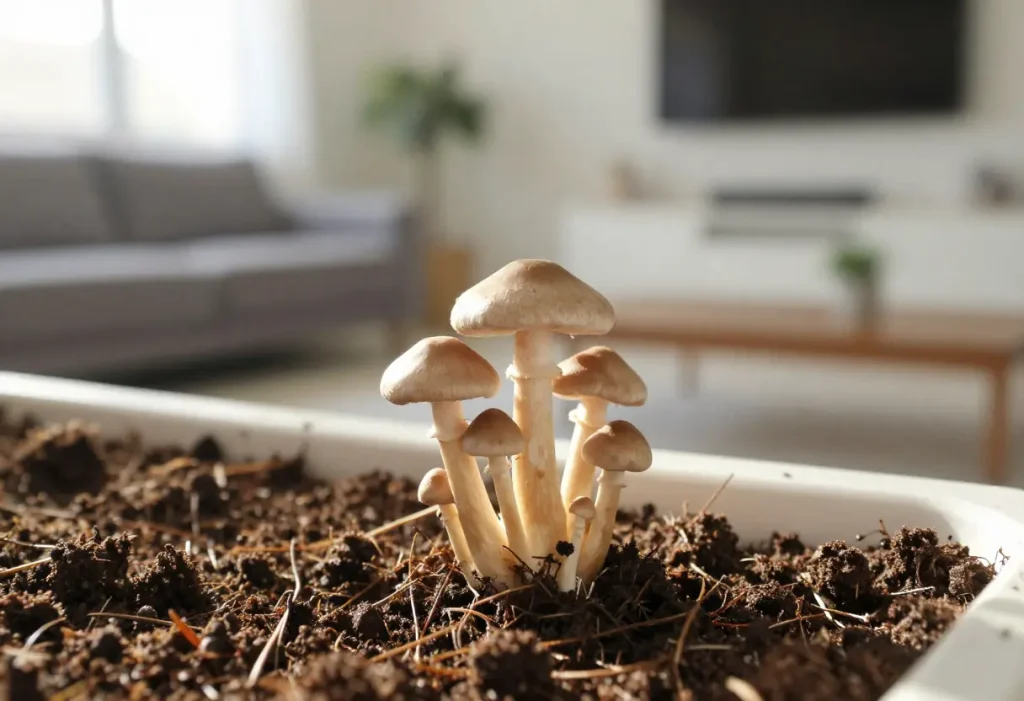
Oyster, shiitake, and button mushrooms grow easily inside with the right conditions.
Indoor plants keep humidity and shade levels steady, which helps mushrooms grow better.
Mushrooms do not harm healthy indoor plants; they often grow from rich soil.
Use moist, rich organic soil or compost to support healthy mushroom growth.
Mushrooms need low to medium indirect light, not direct sunlight, to grow well.
Growing mushrooms indoors adds a fun touch to your plant collection. They need little space and simple care. You can enjoy fresh mushrooms all year round. This hobby helps you learn about nature easily. Try different types and see what works best.
Keep the area clean and moist for healthy growth. Watching mushrooms grow is relaxing and rewarding. Start small and watch your indoor garden thrive. Give indoor mushroom growing a chance today.