Gardening Made Simple.
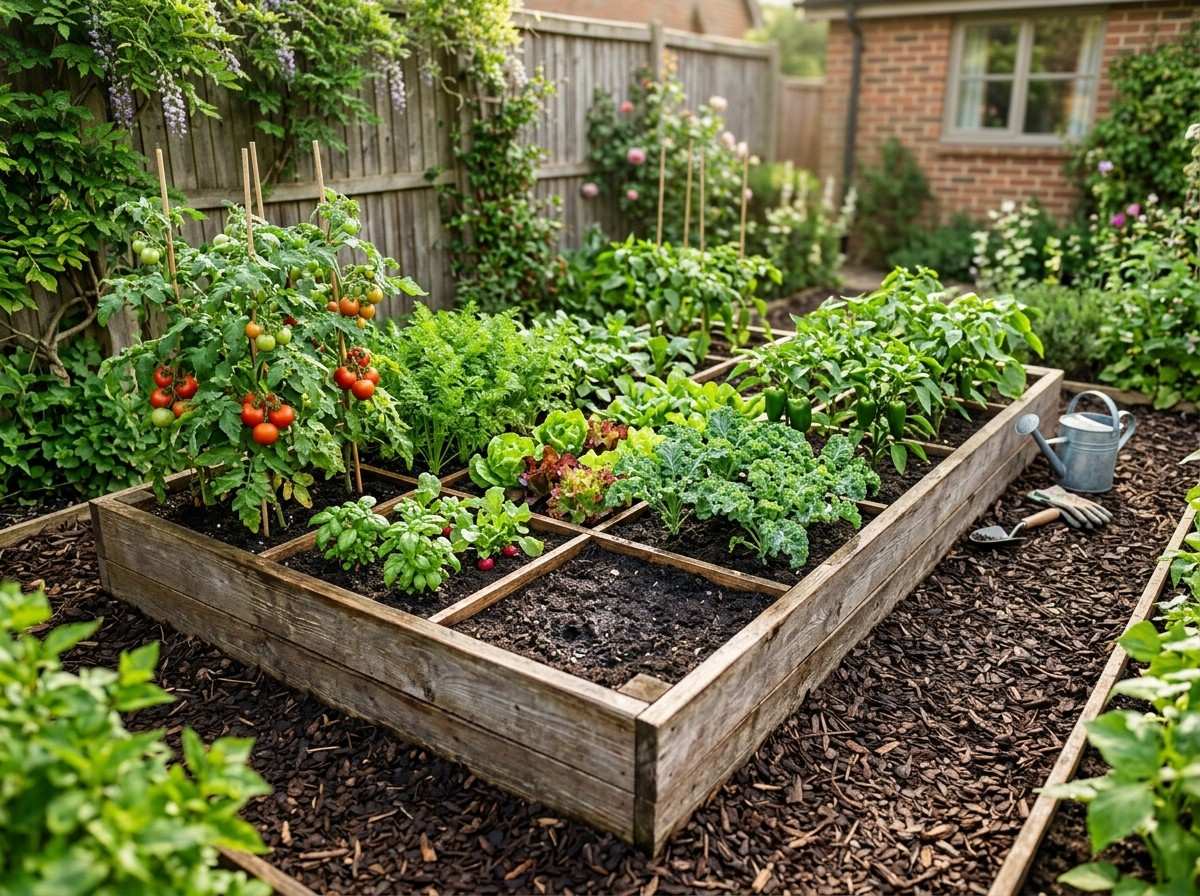
Are you ready to grow juicy, delicious tomatoes right in your own backyard? Planting tomatoes in raised beds is one of the smartest ways to get bigger harvests and healthier plants.
Imagine picking fresh, ripe tomatoes straight from your garden, bursting with flavor and nutrition. In this guide, you’ll discover simple steps to set up your raised beds, choose the best tomato varieties, and care for your plants so they thrive all season long.
Keep reading, and you’ll be well on your way to enjoying homegrown tomatoes that taste better than anything you find in stores.
Raised beds bring many advantages for growing tomatoes. They help create the perfect environment for healthy plants. This leads to better growth and bigger harvests. Understanding these benefits can help gardeners make the most of their tomato plants.
Raised beds allow water to drain faster than ground soil. This stops water from pooling around tomato roots. Good drainage prevents root rot and keeps plants healthy. Well-drained soil also warms up quickly in spring. This helps tomato seeds sprout sooner.
You can fill raised beds with rich, loose soil. This soil is easy for tomato roots to grow through. It also holds nutrients better than compacted ground soil. Adding compost and organic matter is simple in raised beds. This boosts soil fertility and feeds your tomato plants well.
Raised beds create a barrier between plants and some pests. You can use physical covers easily to protect tomatoes. The beds reduce contact with soil pests like slugs and worms. This lowers the chance of damage and disease. It helps keep tomato plants strong and productive.
Soil in raised beds warms up faster in early spring. This lets you plant tomatoes earlier than in open ground. The beds also cool down slower in the fall. This extends the time tomatoes can grow and ripen. More growing time means more fresh tomatoes to enjoy.
Choosing the right spot for planting tomatoes in raised beds is very important. The location affects how well your plants grow and how many tomatoes you get. Pick a place that gives your plants the best chance to thrive. Think about sunlight, wind, and how easy it is to care for your plants.
Tomatoes need a lot of sunlight. They grow best with at least six to eight hours of full sun each day. Sunlight helps the plants produce energy and makes tomatoes sweet and juicy. Avoid shady areas or places blocked by trees or buildings.
Strong wind can harm tomato plants. It can break stems and dry out the soil fast. Choose a spot that has some shelter from wind. A fence, wall, or tall plants nearby can help protect your tomatoes.
Easy access to your raised beds is key. You need to water, prune, and check plants often. Place the beds where you can reach them without trouble. Paths around the beds help you move freely and care for your tomatoes well.
Selecting the right tomato varieties is key for raised bed success. Different types of tomatoes grow and produce fruit in unique ways. Choosing the best variety helps you enjoy a better harvest. Consider how much space you have and your taste preference. Some tomatoes need more care, while others are easier to grow. Understanding the types lets you pick plants that fit your garden and lifestyle.
Determinate tomatoes grow to a set height and stop. They produce most fruit at once, perfect for canning or sauces. Indeterminate types keep growing and fruiting all season. They need support like cages or stakes to grow tall. Choose determinate for small spaces or quick harvests. Pick indeterminate for longer harvests and fresh eating.
Heirloom tomatoes come from old seed varieties. They offer unique flavors and shapes but may be less disease-resistant. Hybrids are bred for stronger plants and better yields. They often resist common tomato diseases. Heirlooms suit gardeners who want special tastes. Hybrids fit those wanting reliable, easy care plants.
Tomatoes can suffer from diseases like blight or wilt. Disease-resistant varieties help reduce these problems. Look for labels with letters like V, F, or N. These show resistance to common tomato diseases. Choosing resistant plants means fewer chemicals and less work. It helps your raised bed stay healthy and productive.
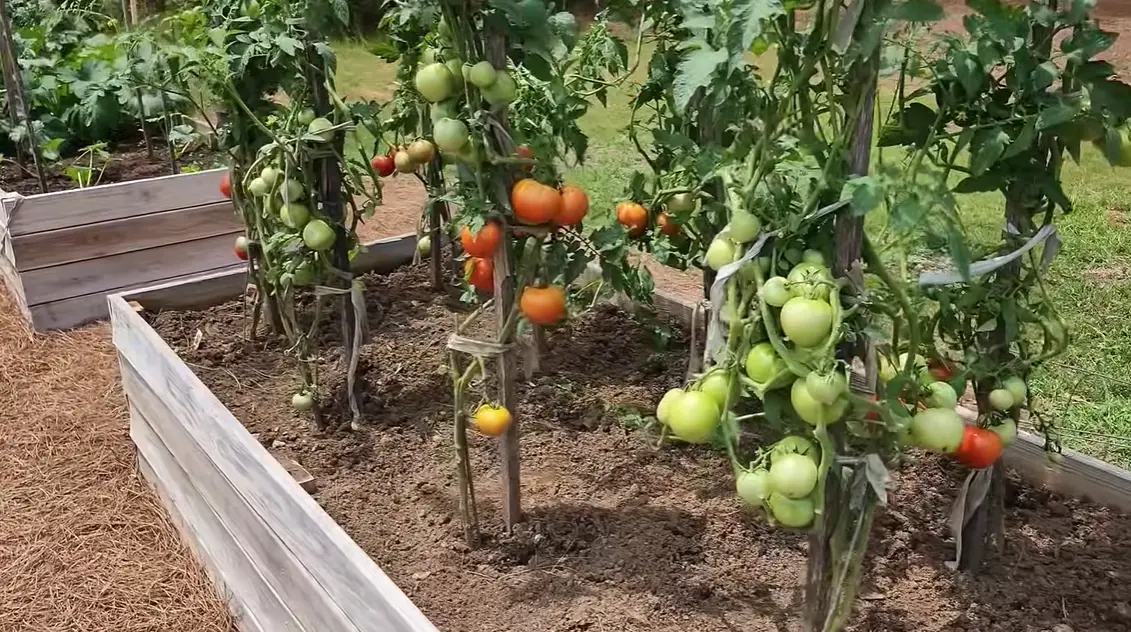
Preparing the raised bed is the first step to growing healthy tomato plants. Good preparation ensures roots get enough nutrients and space. It also helps the soil drain well, preventing waterlogging. A well-prepared bed supports strong, productive tomato plants.
Use loose, well-draining soil for raised beds. A mix of garden soil, peat moss, and coarse sand works well. This blend holds moisture but does not stay soggy. It also allows air to reach the roots easily. Avoid heavy clay or pure sand alone. These can harm tomato growth.
Mix compost into the soil to add nutrients. Compost improves soil texture and feeds plants naturally. Use about one-third compost in the soil mix. Add a balanced fertilizer with nitrogen, phosphorus, and potassium. This helps tomatoes grow strong stems and produce fruit. Follow the fertilizer instructions for best results.
Tomatoes prefer slightly acidic soil with pH between 6.0 and 6.8. Test the soil pH using a kit or meter. If the soil is too acidic, add lime to raise the pH. For alkaline soil, use sulfur to lower the pH. Adjusting the pH helps tomatoes absorb nutrients better. Check pH regularly for healthy plants.
Planting tomatoes in raised beds requires careful techniques. Proper planting helps plants grow strong and produce well. Choosing the right method sets the stage for a healthy garden.
Space tomato plants about 18 to 24 inches apart. This gives them room for roots and leaves to spread. Plant seedlings deep, burying two-thirds of the stem. This encourages more roots to grow along the buried stem. Good depth helps plants stand firm and take in water better.
Planting seedlings is faster and easier for beginners. Seedlings already have small roots and leaves. Seeds take longer to sprout and need more care. You can start seeds indoors to control temperature. Transplant seedlings to raised beds when they have 4 to 6 leaves. This approach helps plants grow stronger in your garden.
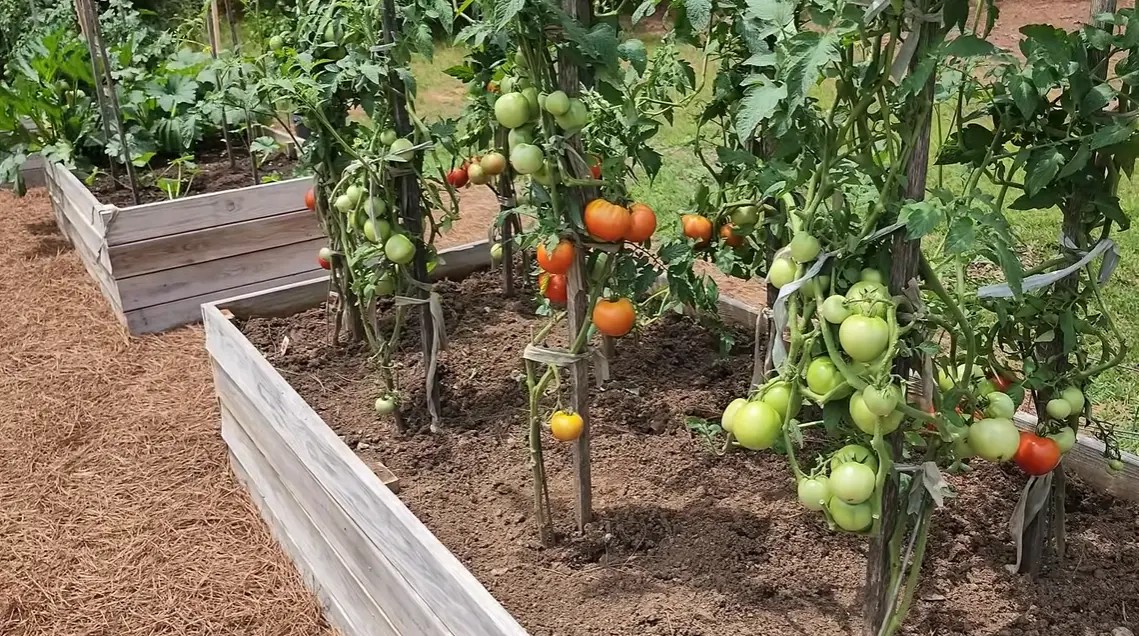
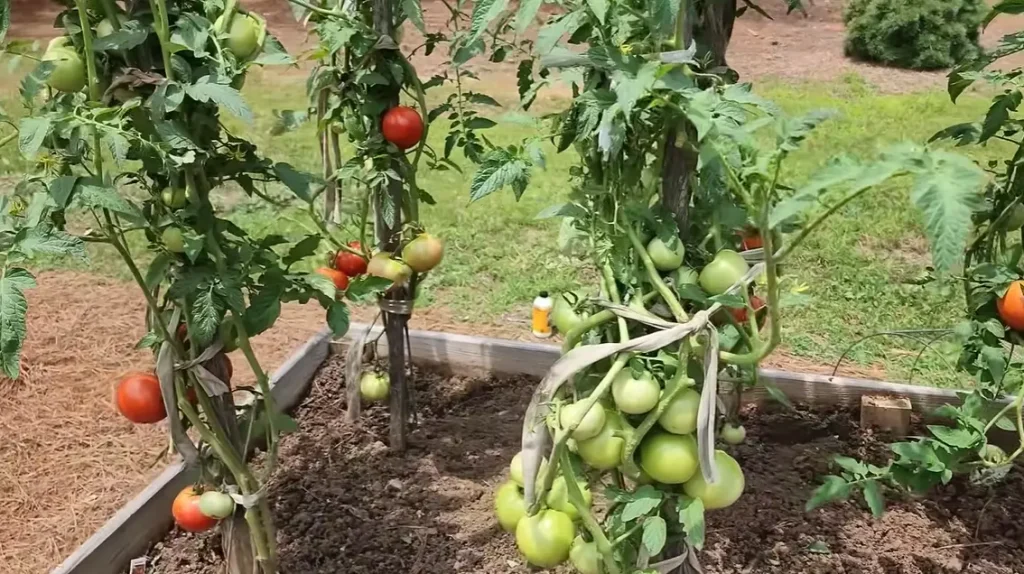
Tomato plants need support as they grow tall. Use stakes, cages, or trellises to hold plants up. Tie stems gently with soft ties to avoid damage. Supporting plants keeps fruit off the ground. This reduces disease and makes harvesting easier.
Watering and mulching are key to growing healthy tomatoes in raised beds. Proper water helps plants grow strong roots. Mulching keeps the soil moist and stops weeds from growing. Together, they create a better environment for tomatoes.
Drip irrigation is best for raised beds. It delivers water directly to the roots. This method saves water and reduces leaf diseases. Soaker hoses work well too. Watering early in the morning helps plants absorb moisture.
Mulch keeps soil cool and moist. It stops water from evaporating too fast. Mulch also blocks weeds that steal nutrients. Organic mulch breaks down and adds nutrients to soil. This helps tomatoes grow bigger and healthier.
Water stress harms tomato growth and fruit quality. Check soil moisture often to avoid drying out. Deep watering encourages strong root growth. Avoid watering leaves to reduce disease risk. Consistent watering leads to better tomato harvests.
Pruning and training tomato plants in raised beds helps them grow strong and healthy. It controls their size and shape. It also improves fruit quality and yield. Proper care reduces diseases and makes harvesting easier. Follow simple steps to keep your tomato plants productive and neat.
Suckers are small shoots that grow between the main stem and branches. They take energy from the plant and reduce fruit production. Remove suckers regularly by pinching them off with your fingers. This directs the plant's energy to the main stem and fruits. Removing suckers helps plants grow taller and stronger.
Tomato plants need support to keep fruits off the soil. Use stakes or cages to hold the plants upright. Tie the stems gently to stakes with soft ties or cloth strips. Place cages around the plants early to avoid damage. Proper support prevents broken branches and rotting fruits.
Good air flow reduces moisture and stops diseases. Space plants properly and prune lower leaves. Remove crowded or dead leaves to let air move freely. Better air circulation keeps plants dry and healthy. It also helps fruits ripen evenly and faster.
Managing pests and diseases is key to growing healthy tomatoes in raised beds. Pests can damage plants and reduce your harvest. Diseases can spread quickly and weaken the plants. Taking steps to control these threats helps your tomato plants thrive.
Tomato plants attract many pests. Aphids suck sap from leaves and stems. Whiteflies also drain plant juices. Tomato hornworms are large caterpillars that eat leaves. Spider mites cause tiny yellow spots. These pests can stunt growth and lower fruit quality.
Start with healthy soil and good drainage. Avoid overcrowding plants to improve air flow. Water plants at the base, not on leaves. Remove any dead or diseased leaves quickly. Rotate crops each year to stop disease build-up. Use resistant tomato varieties if possible.
Introduce beneficial insects like ladybugs to eat aphids. Spray plants with neem oil or insecticidal soap. Handpick large pests like hornworms from plants. Use mulch to reduce soil splash and weed growth. Compost tea can boost plant immunity and soil health.
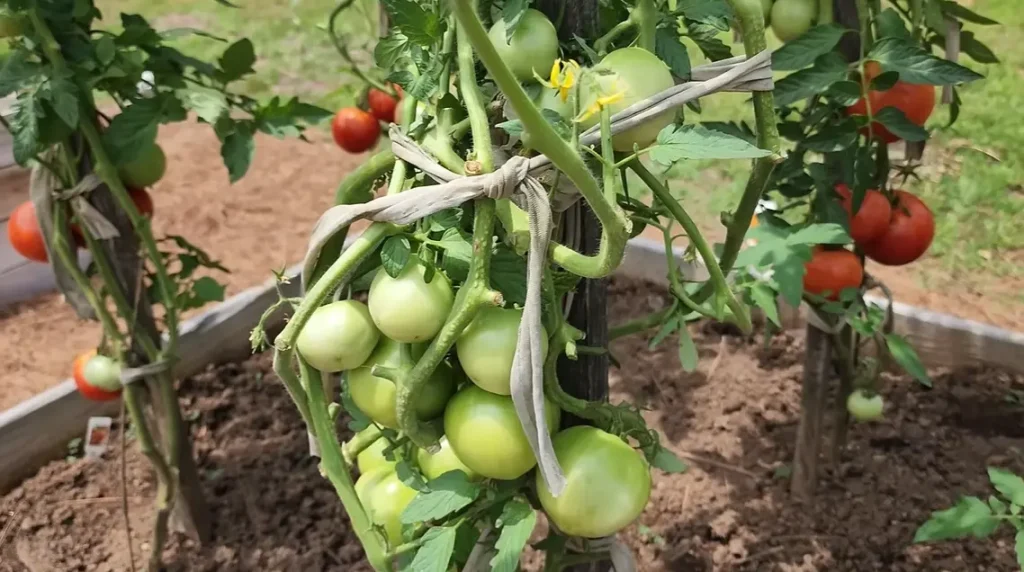
Harvesting and storing tomatoes from raised beds requires care and attention. Picking tomatoes at the right time ensures the best taste and texture. Proper storage keeps them fresh longer and preserves their flavor.
Tomatoes are ready to harvest when they turn fully red or their ripe color. The fruit should feel firm but slightly soft to the touch. Check tomatoes every day during peak season. Harvesting early morning is best to keep tomatoes cool. Avoid picking green tomatoes unless you plan to ripen them indoors.
Use gentle hands to avoid bruising the tomatoes. Twist the fruit carefully or cut the stem with scissors. Leave a small part of the stem on the tomato to increase shelf life. Avoid pulling or yanking, which can damage the plant. Place tomatoes in a shallow container to prevent crushing.
Store ripe tomatoes at room temperature away from direct sunlight. Keep them stem side down to reduce moisture loss. Refrigerate only if tomatoes are very ripe or overripe. Cold can reduce flavor and change texture. Use ripe tomatoes within a few days for best taste. Unripe tomatoes can ripen on a windowsill or in a paper bag.
Growing tomatoes in raised beds is rewarding but comes with challenges. Some common problems can affect your plants’ health and fruit quality. Knowing how to spot and fix these issues helps you grow better tomatoes. Below are frequent troubles gardeners face and clear ways to solve them.
Blossom end rot shows as dark, sunken spots on tomato bottoms. It happens because of low calcium in the fruit. Uneven watering can cause this problem. Keep soil moist by watering regularly. Adding lime or calcium-rich fertilizer helps. Mulch can keep soil moisture steady. Remove affected fruits to prevent spread.
Tomatoes crack when they get too much water after dryness. The skin breaks, making fruit look ugly. Cracks also invite pests and diseases. Water plants evenly to stop this. Mulch keeps soil moist and cool. Harvest tomatoes as soon as they ripen. Choose varieties less prone to cracking for raised beds.
Yellow leaves can mean many things. It often shows lack of nutrients or water stress. Check soil moisture and water deeply if dry. Use balanced fertilizer to add nutrients. Remove yellow leaves so plants focus on healthy growth. Watch for pests like aphids that cause yellowing. Early action keeps plants strong and productive.
Tomatoes grow well in loose, rich, and well-drained soil with good organic matter.
Plant seedlings deep, up to the first true leaves, to encourage strong roots.
Water tomatoes deeply once or twice a week, keeping soil moist but not soggy.
Tomatoes need warm temperatures and sunlight, so they grow best in spring and summer.
Tomatoes require at least 6 to 8 hours of direct sunlight daily for best growth.
Growing tomatoes in raised beds brings many benefits. The soil warms faster and drains well. Plants get strong roots and better air. You can control weeds and pests easily. Regular watering and feeding help fruit grow big. Watching your tomatoes ripen is very rewarding.
Start small, learn, and enjoy fresh tomatoes at home. Raised beds make gardening easier and fun. Give it a try this season. Your garden will thank you.