Gardening Made Simple.

Are you worried about the health of your cannabis plants? Root Rot in Cannabis could be the hidden problem damaging your crop without you even realizing it, leading to weak growth, yellow leaves, and poor yields if not treated in time.
This common issue attacks the roots, cutting off vital nutrients and water, and can quickly ruin your entire harvest. But don’t worry—understanding how root rot works and spotting its signs early can save your plants and boost your yields. Keep reading to learn exactly what root rot is, how to prevent it, and the best ways to treat it if your cannabis plants are already affected.
Your green garden depends on it!
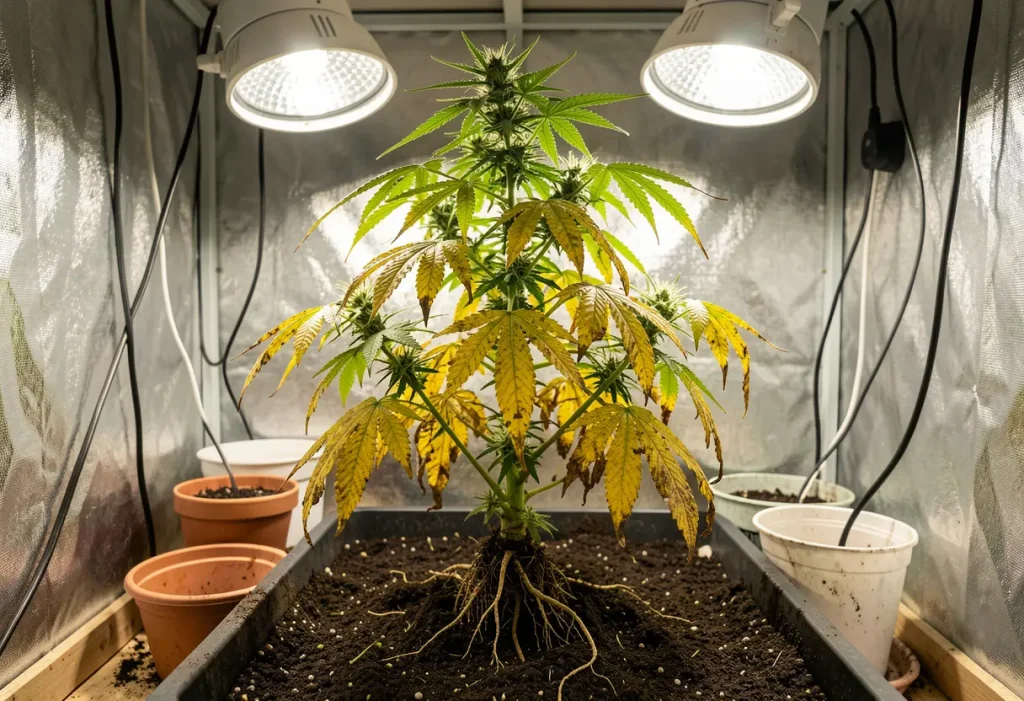
Root rot is a common and serious problem in cannabis cultivation. It affects the roots, making them weak and unable to absorb nutrients. Understanding what causes root rot helps growers prevent and treat it effectively.
Root rot is mainly caused by harmful fungi in the soil. Pythium, Fusarium, and Phytophthora are the most frequent culprits. These fungi attack the roots, causing them to decay and die. They thrive in wet and warm conditions, spreading quickly through the growing medium.
Certain environmental conditions increase the risk of root rot. Poor drainage and compacted soil keep water around the roots too long. Low oxygen levels in the root zone weaken the plant's defenses. High humidity and warm temperatures create a perfect environment for fungi to grow.
Overwatering is a common mistake that leads to root rot. Excess water suffocates roots by filling air spaces in the soil. This lack of oxygen makes roots weak and prone to fungal infections. Overwatered plants also show slow growth and yellow leaves, signs of root damage.
Root rot is a common problem that harms cannabis plants quickly. Spotting early signs helps save your crop. Watch your plants closely for changes in roots, leaves, and growth. Acting fast can stop damage before it spreads.
Healthy roots are white or light tan. Dark brown or black roots show trouble. Slimy texture or foul smell confirms root rot. Check roots regularly during watering or transplanting. Early color changes warn you to act fast.
Leaves droop even with enough water. Wilting is a sign roots cannot supply water. Look for yellow or brown spots on leaves. Wilting happens even in cool, moist conditions. This sign often appears before other symptoms.
Root rot limits nutrient uptake. Plants stop growing or grow very slowly. New leaves stay small and pale. Bud development can slow or stop. Notice less growth during active phases of your plant.
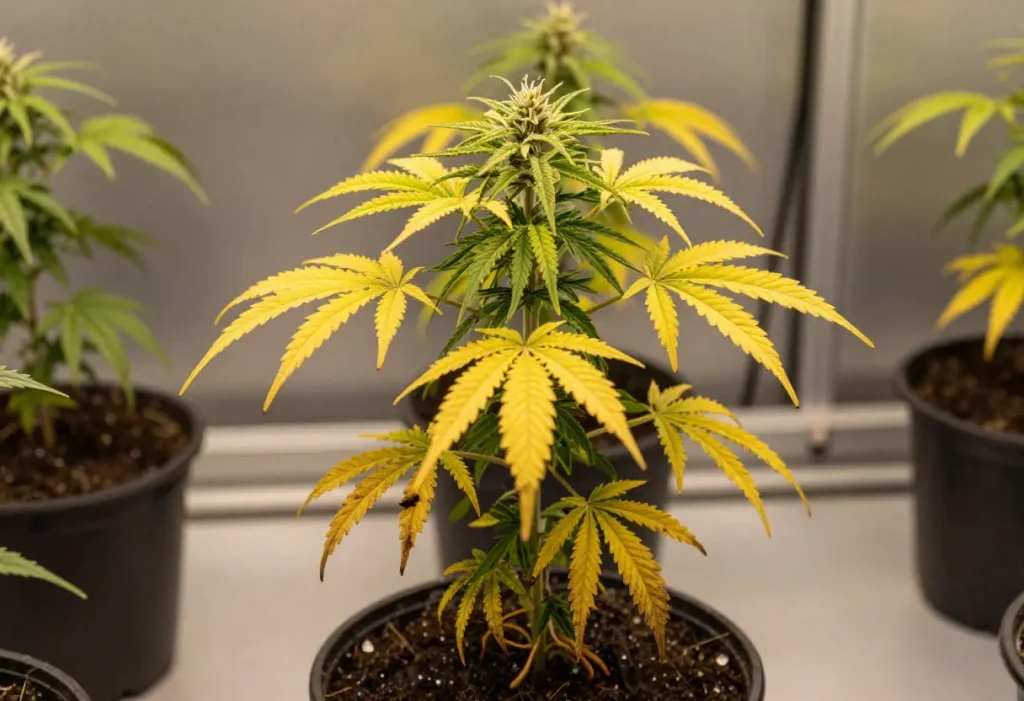
Preventing root rot in cannabis plants starts with careful attention to growing conditions. Healthy roots mean strong plants and better yields. Taking simple steps can keep root rot far away. These methods focus on water, soil, and cleanliness.
Water cannabis plants only when the top soil feels dry. Overwatering causes roots to sit in water and rot. Use small amounts of water each time. Allow excess water to drain out. Avoid watering at night to reduce moisture buildup.
Choose light, airy soil that drains well. Soil should not stay soggy after watering. Mix perlite or sand to improve drainage. Use pots with holes at the bottom. Elevate pots to let water flow freely away from roots.
Clean all gardening tools before use. Sterilize pots with a mild bleach solution. This kills harmful fungi and bacteria. Use separate tools for different plants. Keep the growing area clean to stop disease spread.
Root rot is a serious issue for cannabis plants that needs quick action. Treating root rot early can save your plants and improve their health. Different methods help control and stop the disease from spreading. Here are some effective treatment options to consider.
Natural remedies use safe, organic substances to fight root rot. Beneficial microbes like mycorrhizae help protect roots. They create a healthy environment around roots and stop harmful fungi. Adding cinnamon powder to soil can reduce fungal growth. Aloe vera gel mixed with water soothes damaged roots. These methods improve root strength and boost plant defenses.
Chemical fungicides kill root rot fungi fast. Use products with active ingredients like copper or sulfur. Apply fungicides carefully, following label instructions to avoid harming plants. Some fungicides work by preventing fungi from growing. Others kill fungi on contact. Fungicides are strong tools but should be a last resort after natural methods.
Repotting helps remove infected roots and soil. Gently take the plant out and wash roots with clean water. Cut off any brown or mushy roots using sterilized scissors. Use fresh, well-draining soil to reduce moisture buildup. Choose pots with good drainage holes. Repotting gives plants a fresh start and lowers root rot risks.
Healthy cannabis plants resist root rot better. Maintaining plant health is key to prevent this issue. Proper care keeps roots strong and disease-free. Focus on three main areas: nutrient management, humidity and temperature control, and regular monitoring.
Balanced nutrients keep roots healthy and robust. Overfeeding can harm roots and cause stress. Use fertilizers as directed and avoid excess salts. Ensure plants get enough nitrogen, phosphorus, and potassium. Healthy roots absorb nutrients well and grow strong.
Root rot thrives in high humidity and warm conditions. Keep grow rooms well ventilated to reduce moisture. Maintain temperatures between 65°F and 80°F for best growth. Avoid damp soil by allowing proper drainage. Stable conditions help roots breathe and stay healthy.
Check plants daily for signs of stress or disease. Look for yellow leaves, wilting, or slow growth. Inspect roots during transplanting or repotting for softness or discoloration. Early detection allows quick action to save plants. Consistent observation prevents root rot from spreading.
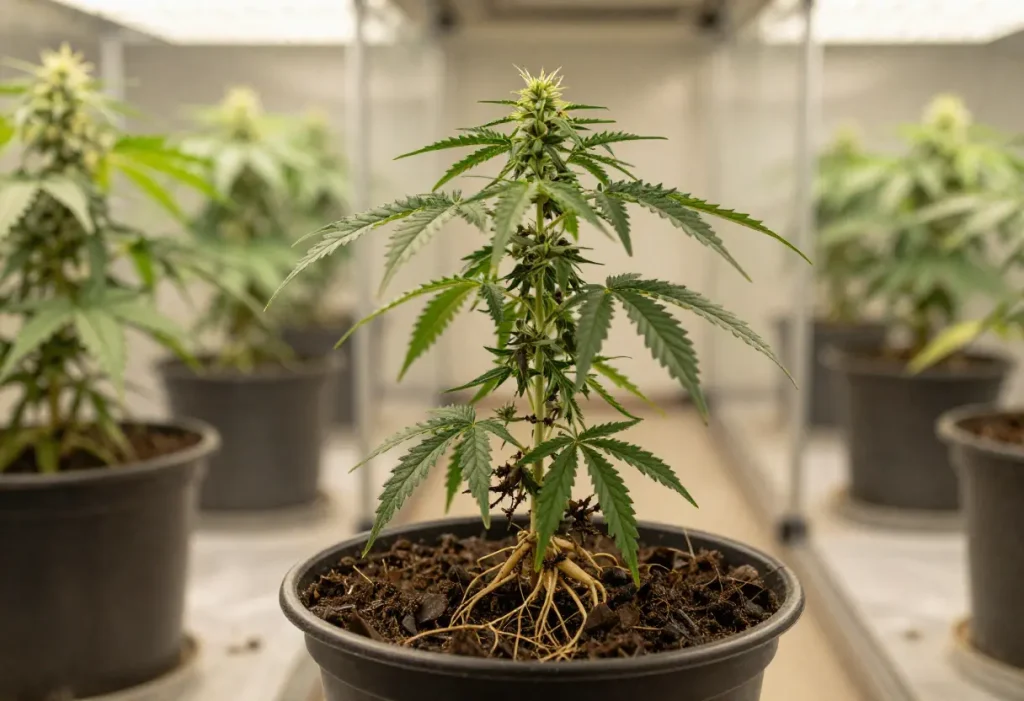
Root rot is mainly caused by overwatering and poor drainage, leading to harmful fungi growth.
Look for wilting leaves, yellowing, and a foul smell from the roots.
Yes, root rot can kill plants if not treated quickly and properly.
Use well-draining soil, avoid overwatering, and keep the growing area clean.
Remove affected roots, improve drainage, reduce watering, and use fungicide if needed.
Root rot can harm cannabis plants if not treated fast. Healthy roots help plants grow strong and produce well. Keep soil dry between watering to avoid root rot. Use good drainage and clean tools to stop spread. Watch plants often for signs like yellow leaves or drooping.
Early action saves your crop and keeps plants healthy. Growing cannabis needs care and attention every day. Protect roots to enjoy a better harvest and strong plants. Simple steps prevent big problems. Stay alert and act quickly.