Gardening Made Simple.
Spinach vs Baby Spinach is a common comparison for anyone looking to choose the best leafy green for cooking, salads, or nutrition. If you're confused about spinach vs baby spinach, you're not alone. While both come from the same plant, they differ in texture, flavor, nutritional value, and the best ways to use them.
This guide breaks down the key differences to help you decide which option is the better fit for your recipes and healthy eating goals.
Both look similar, but they have distinct flavors, textures, and health benefits that can change your dish completely. Knowing the difference can help you make smarter choices for your diet and cooking. Keep reading, and you’ll discover which one suits your taste and lifestyle best—making every bite more enjoyable and nutritious.
Spinach comes in many varieties, each with unique features. Understanding these types helps you choose the right one for your meals. Both regular spinach and baby spinach offer great nutrition but differ in texture and taste.
Exploring these varieties reveals how they grow and when to harvest them. This knowledge makes cooking and gardening easier and more enjoyable.
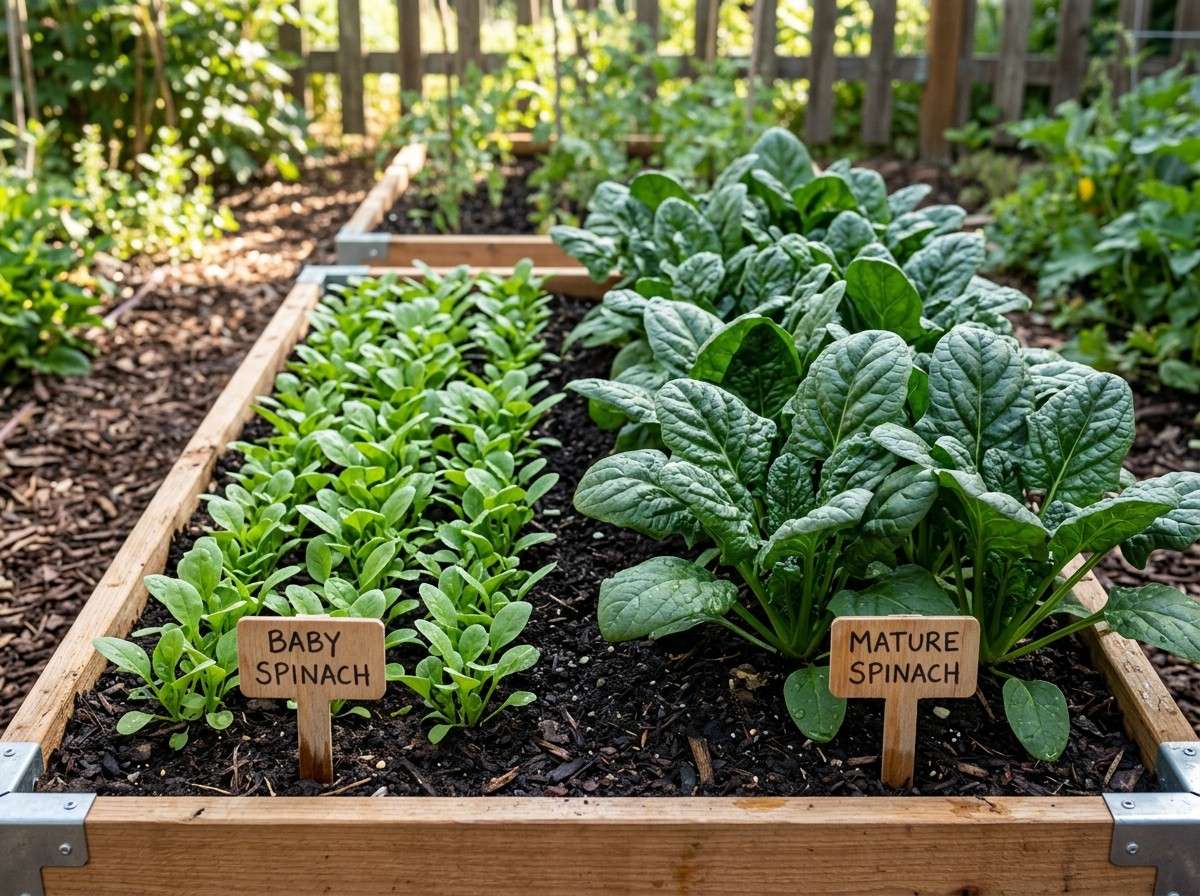
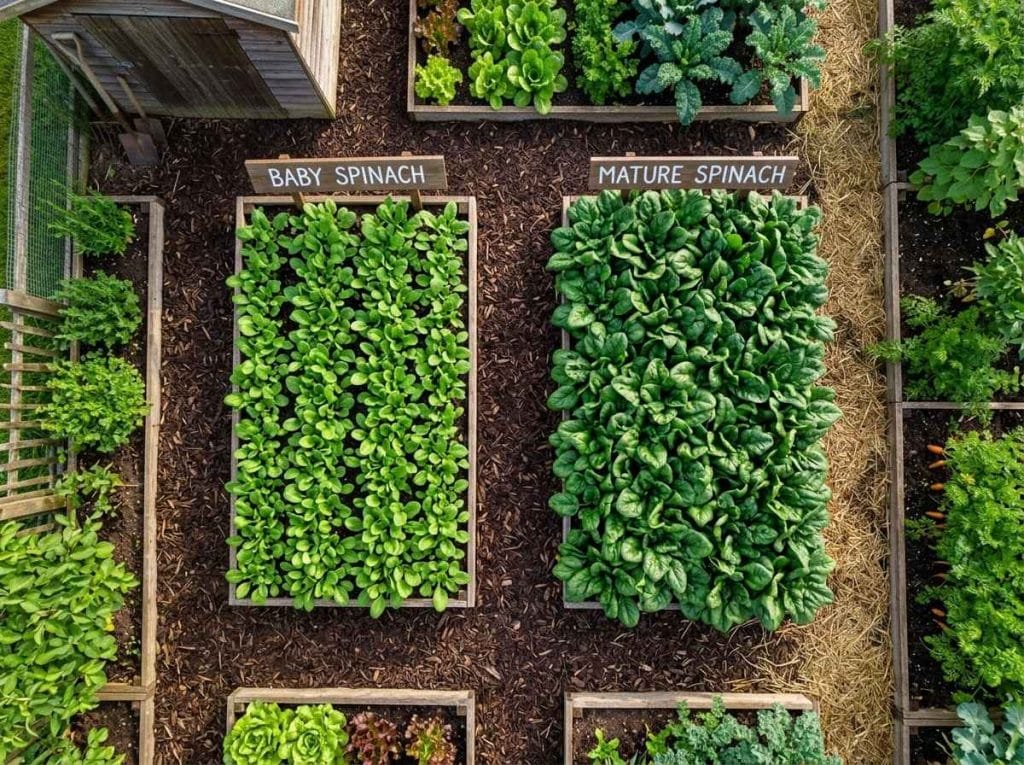
Regular spinach has large, broad leaves and a strong flavor. It is often cooked in dishes like soups and stews. Baby spinach has smaller, tender leaves and a milder taste. It is popular in salads and sandwiches. There are also savoy and flat-leaf spinach types. Savoy has curly, crinkled leaves, while flat-leaf is smooth. Each type suits different recipes and preferences.
Spinach grows best in cool weather and moist soil. Regular spinach takes longer to mature, usually about 40-50 days. Baby spinach is harvested earlier, around 20-30 days. Picking baby spinach leaves young keeps them soft and mild. Regular spinach leaves grow bigger and thicker over time. Both types can be harvested multiple times if cut carefully. Proper timing affects taste and texture significantly.
Spinach and baby spinach both offer great nutrition. Their nutrient profiles differ slightly. These differences affect taste and health benefits. Understanding these nutrients helps you choose better for your meals.
Spinach is rich in vitamin A and vitamin K. Baby spinach has slightly higher vitamin C levels. Both types contain folate, which supports cell growth. Vitamin E appears in both but in small amounts.
Spinach contains more iron than baby spinach. Baby spinach has higher calcium content. Both have magnesium and potassium that help muscle function. Minerals support bones, nerves, and heart health.
Both spinach types are full of antioxidants. Baby spinach has more lutein and zeaxanthin, good for eyes. Spinach contains flavonoids that fight inflammation. These compounds protect cells from damage.
Spinach and baby spinach are popular leafy greens in many kitchens. Their taste and texture influence how they are used in meals. Understanding their differences helps choose the best option for your dish.
Spinach has a mild, slightly bitter taste. It offers a fresh, green flavor but can be a bit earthy. Baby spinach tastes sweeter and more delicate. It has less bitterness and a softer, fresh flavor. This makes baby spinach ideal for salads and raw dishes.
Spinach leaves are larger and thicker. They have a firmer, more fibrous texture. This firmness holds up well in cooking, like steaming or sautéing. Baby spinach leaves are smaller and tender. Their smooth texture makes them easy to chew. They wilt quickly when heated, perfect for soups or smoothies.
Spinach and baby spinach are popular leafy greens used in many kitchens. Both offer fresh flavors and important nutrients. Their culinary uses vary based on texture and taste. Understanding these differences helps you choose the right spinach for each dish.
Regular spinach has thicker leaves and a stronger flavor. It holds up well to cooking. Sauteing, steaming, and boiling work best for regular spinach. It softens but keeps a good texture.
Baby spinach has tender, delicate leaves. It cooks very quickly and can turn mushy fast. Light sautéing or adding it at the end of cooking preserves its softness. Baby spinach is also great for blending into smoothies or soups.
Baby spinach is popular in raw dishes. Salads, sandwiches, and wraps benefit from its mild flavor and soft texture. It adds a fresh, green taste without overpowering other ingredients.
Regular spinach is often preferred cooked. It becomes milder and easier to digest after cooking. Use it in casseroles, pasta dishes, or as a side vegetable. Cooking also reduces its volume, making it easier to eat larger amounts.

Spinach and baby spinach both offer many health benefits. They are rich in vitamins and minerals that support overall well-being. Eating either can improve body functions and keep you healthy. Let’s explore how they affect digestion, heart, and bone health.
Spinach contains a good amount of fiber. Fiber helps food move smoothly through the digestive system. Baby spinach also has fiber but in slightly smaller amounts. Both types can prevent constipation and promote healthy digestion. Eating spinach regularly supports gut health and reduces bloating.
Spinach is high in potassium and magnesium. These minerals help lower blood pressure and support heart health. Baby spinach shares these benefits but is easier to eat raw. Spinach also provides vitamin K, which is important for strong bones. Both types help maintain bone density and reduce fracture risk.
Spinach and baby spinach are nutritious greens that spoil quickly. Proper storage helps keep them fresh longer. Understanding their shelf life can reduce waste and save money. Both types need cool, dry places but differ slightly in how long they last.
Store spinach and baby spinach in the refrigerator. Use a plastic bag with holes or a container with airflow. Avoid washing leaves before storing. Moisture speeds up spoilage. Check leaves daily and remove any that look slimy or yellow.
Wrap spinach loosely in paper towels before placing it in a bag. Paper absorbs extra moisture and keeps leaves crisp. For longer storage, freeze spinach. Blanch leaves briefly in boiling water, then cool and dry before freezing. Frozen spinach lasts several months but loses some texture.
Choosing between spinach and baby spinach can affect your meals and nutrition. Both types offer fresh greens but differ in texture and flavor. Buying the right type depends on your needs and preferences. Knowing what to check and where to find them helps you pick the best leaves.
Pick spinach leaves that are bright green and crisp. Avoid leaves that look yellow, wilted, or slimy. Fresh baby spinach has tender, smaller leaves without tears. Regular spinach leaves are larger and thicker. Check for dirt or insects on the leaves. Clean, healthy leaves mean better taste and nutrition.
Baby spinach often costs more than regular spinach. Its delicate leaves need gentle handling and quick selling. Regular spinach is usually cheaper and found in most stores. Both types appear year-round, but baby spinach might be less common in some places. Choose based on your budget and how soon you need it.
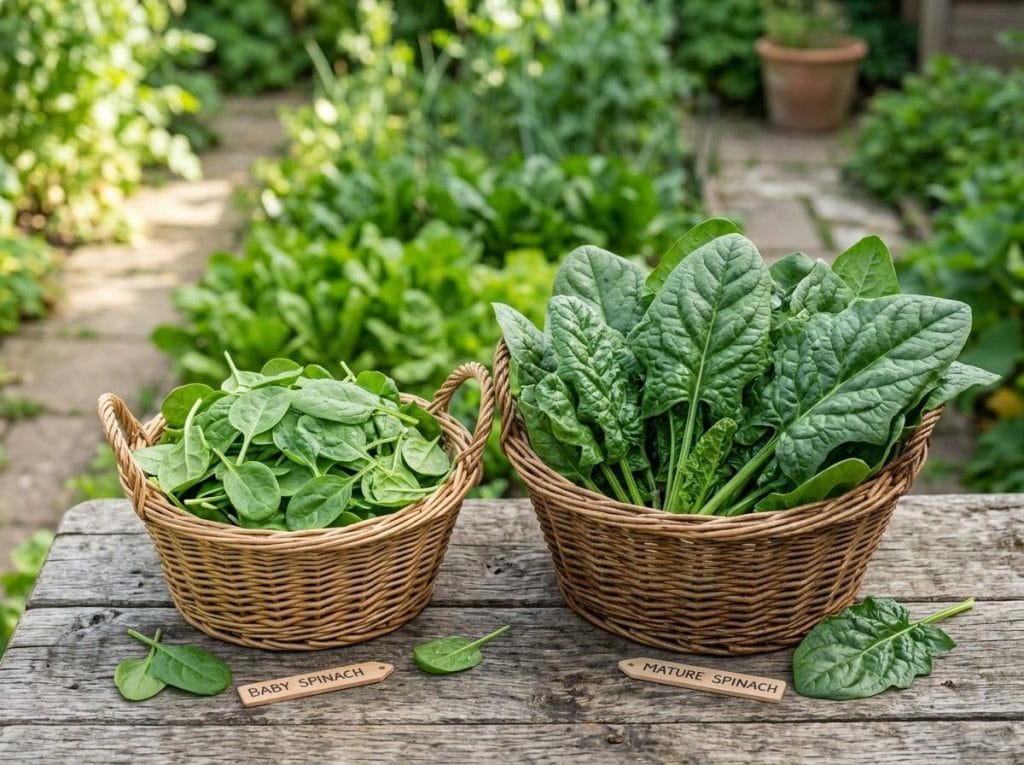
Baby spinach leaves are smaller and more tender than regular spinach leaves.
Both have similar nutrients, but baby spinach is milder and easier to digest.
Yes, baby spinach cooks faster and is great for salads and light cooking.
Baby spinach is softer and sweeter, making it ideal for fresh salads.
Baby spinach tastes milder and less bitter than mature, regular spinach leaves.
Spinach and baby spinach both offer great health benefits. Baby spinach has a milder taste and softer leaves. Regular spinach is stronger in flavor and texture. Choose based on your recipe and personal preference. Both are rich in vitamins and minerals.
Adding either to your meals boosts nutrition easily. Try them fresh in salads or cooked in dishes. Eating green leafy vegetables supports a healthy lifestyle. Simple choices like these make healthy eating easy and tasty.