Gardening Made Simple.
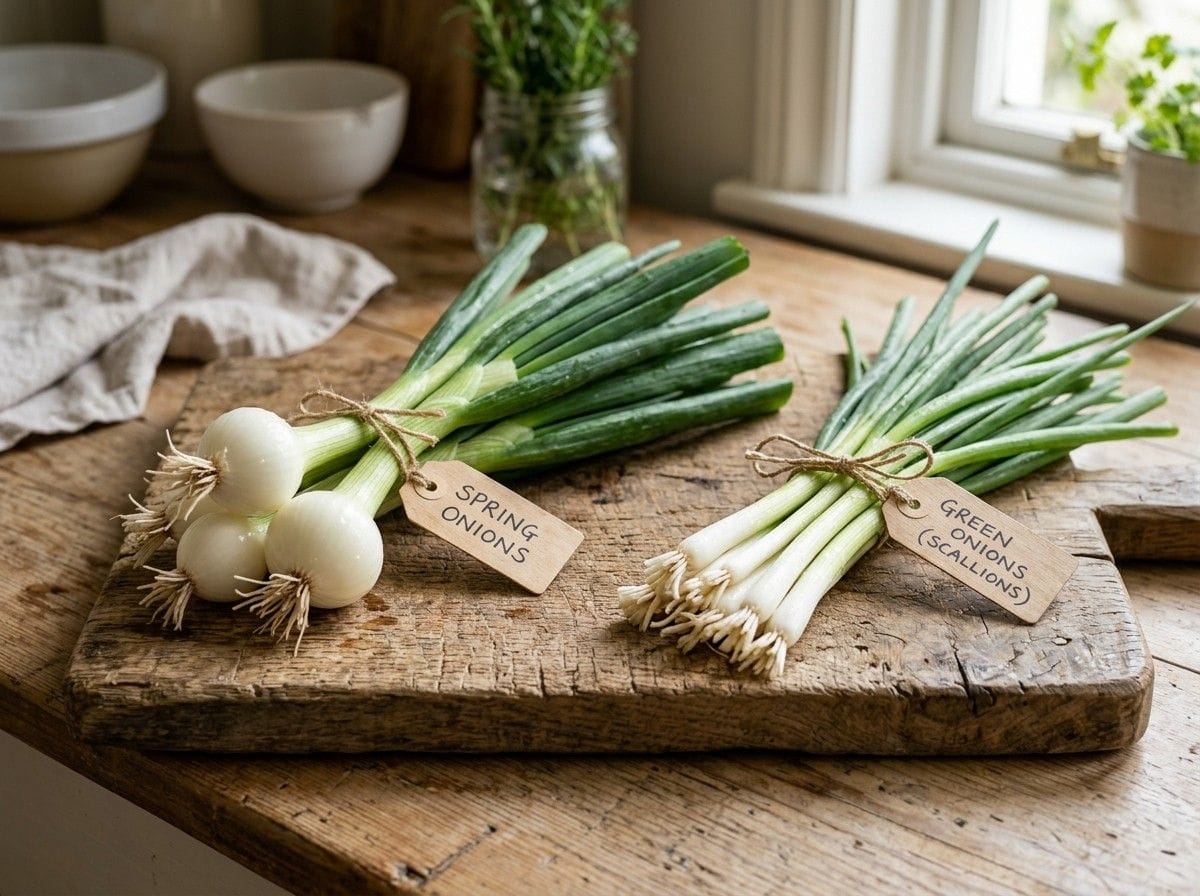
Spring Onion Vs Green Onion is a common comparison for home cooks and gardeners who want to choose the right ingredient. If you've ever wondered about Spring Onion Vs Green Onion, understanding the differences in appearance, flavor, maturity, and culinary uses can make shopping and cooking much easier. This guide explains how they compare, when to use each one, and whether they can be substituted in your favorite recipes.
These two look so similar that it’s easy to confuse them. But knowing the difference can change the way you cook and taste your meals. Imagine adding just the right flavor and crunch to your dish every time. You’ll discover what makes spring onions and green onions unique, how to use them best, and why it matters for your cooking.
Keep reading, and you’ll never mix them up again.
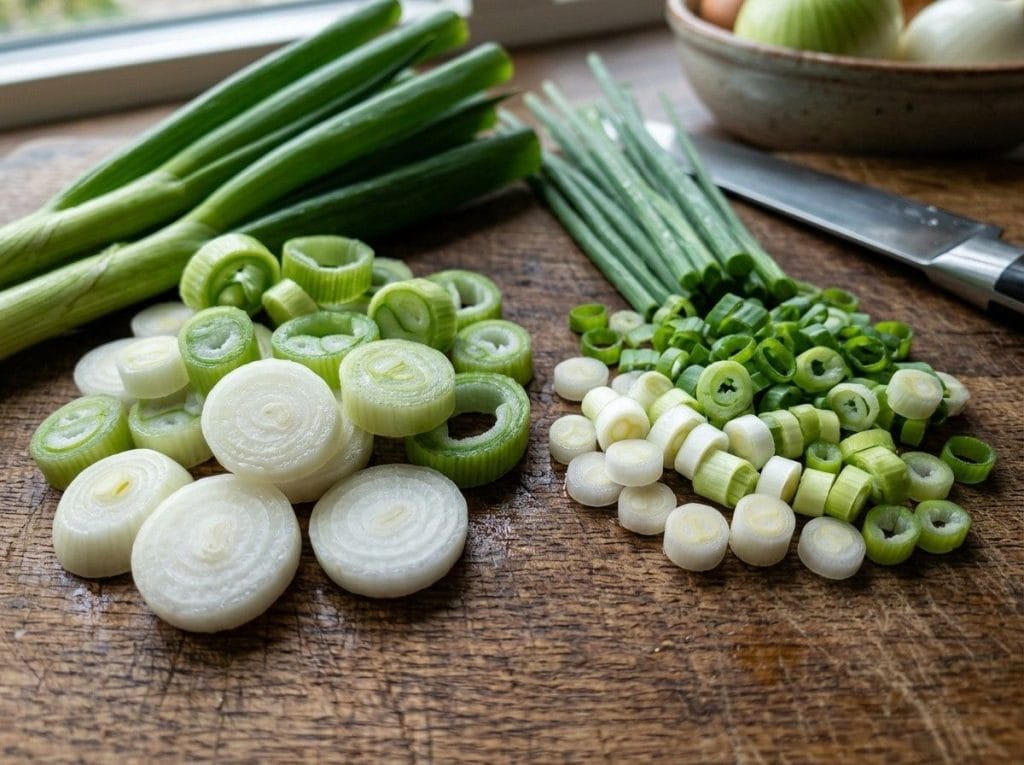
Spring onions and green onions share a close relationship. Both belong to the Allium family, known for its flavorful bulbs and stalks. Their history stretches back thousands of years, growing in many regions worldwide. Each type has unique varieties that offer distinct tastes and uses in cooking.
Spring onions have a small, round bulb at the base. They grow in cooler climates and are popular in Europe and Asia. Common varieties include the White Lisbon and Tokyo Long White. These types have a mild flavor and crisp texture. Spring onions are often eaten raw or lightly cooked.
Green onions usually have a very small bulb or none at all. They thrive in warmer climates and are common in the United States and Mexico. Varieties like the Evergreen Hardy and White Lisbon are well-known. Green onions have a sharper taste and are used fresh or cooked. Their long green stalks add color to many dishes.
Spring onions and green onions look quite similar, but they have clear differences in their appearance. These differences help you tell them apart easily. Understanding these details will help you choose the right one for your dish.
Spring onions have a noticeable bulb at the base. The bulb is round and larger than green onions. It looks like a small white onion. Green onions have a very small or almost no bulb. Their base is slender and straight. This difference is easy to spot in the market or garden.
Spring onions show a mix of white and green colors. The bulb is white, and the stalk gradually turns green. Green onions are mainly green with a tiny white part at the bottom. The green color is usually darker and longer in green onions. These color differences make each type unique in the kitchen.
Understanding the flavor profiles of spring onions and green onions helps in choosing the right one for your dish. Both bring a fresh, mild onion taste but differ slightly in sharpness and sweetness. Knowing their unique flavors can enhance your cooking experience and complement your recipes better.
Spring onions have a mild, sweet flavor. Their white bulb is slightly stronger than the green parts. The taste is fresh but not overpowering. The green stalks offer a crisp, light onion flavor. They work well in salads, soups, and stir-fries.
Green onions taste milder than spring onions. Their flavor is gentle and fresh. The white base is less sharp, and the green tops are tender. They add a subtle onion taste without overpowering other ingredients. Green onions are perfect for garnishing and light dishes.
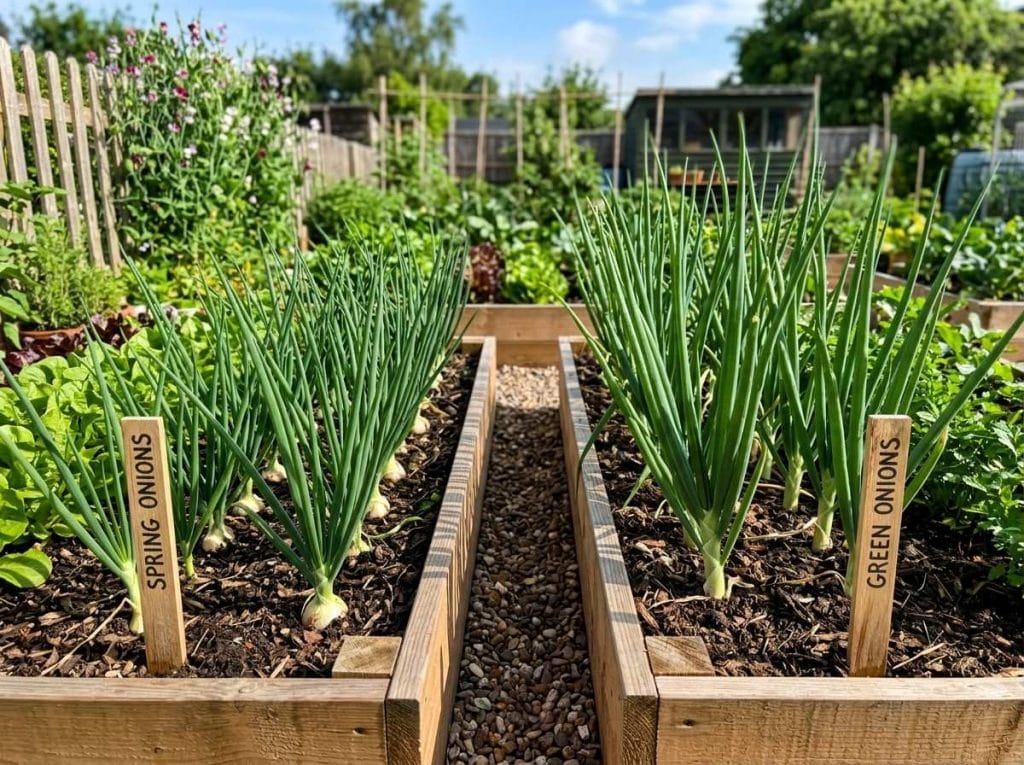
Spring onions and green onions both brighten dishes with fresh, mild onion flavor. Their culinary uses overlap but have unique strengths. Understanding how to use each one can improve your cooking.
Spring onions have a small white bulb and long green stalks. The bulb offers a sharp, sweet taste. Use the bulb in stir-fries or roasted dishes for a crunchy texture. The green parts are great in salads or as a garnish. They add color and a gentle onion flavor.
Spring onions also work well in soups and stews. They soften with cooking but keep some bite. You can grill or barbecue them whole for smoky flavor. Their versatility makes them a good choice for many recipes.
Green onions, also called scallions, have a thinner white base. The flavor is milder and more delicate than spring onions. Use green onions raw in salads, sandwiches, or salsas. They bring freshness without overpowering other ingredients.
Green onions are excellent in Asian dishes like fried rice or dumplings. Add them at the end of cooking to keep their bright flavor. Chop the green tops finely and sprinkle over soups or noodles as a final touch. Their soft texture blends well in many dishes.
Both spring onions and green onions offer important nutrients that support health. They are low in calories but rich in vitamins and minerals. Including them in meals can improve overall nutrition. Each has unique benefits that contribute to a balanced diet.
Spring onions contain vitamin C, which helps boost the immune system. They also provide vitamin K, essential for blood clotting and bone health. These onions are a good source of fiber, aiding digestion and gut health. They have antioxidants that protect cells from damage.
Green onions are rich in folate, which supports cell growth and repair. They offer small amounts of calcium, important for strong bones. Green onions contain sulfur compounds that may help reduce inflammation. They also supply vitamin A, which benefits vision and skin health.
Both spring onions and green onions thrive in mild climates and well-drained soil. They prefer full sun but tolerate partial shade. Consistent moisture helps these onions grow crisp and flavorful. The right temperature and soil conditions are crucial for a good harvest.
Spring onions grow from seeds or small bulbs planted in early spring. They need loose soil for their roots to spread easily. Water them regularly to keep the soil moist but not soggy. Spring onions take about 10 to 12 weeks to mature. They grow best in temperatures between 55°F and 75°F.
Green onions grow similarly but often start from small bulbs called sets. They can be planted in early spring or late summer. Green onions prefer soil rich in organic matter. Keep the soil moist for steady growth. They mature in about 8 to 10 weeks and do well in cool to warm weather.
Buying and storing spring onions and green onions correctly keeps them fresh longer. Fresh onions taste better and add more flavor to your dishes. Knowing how to pick and store them helps reduce waste and saves money.
Pick spring onions with firm, white bulbs and bright green tops. Avoid those with yellow or wilted leaves. The bulbs should feel smooth and not soft. Fresh spring onions have a mild smell. They should not look slimy or dry.
Choose green onions with crisp, green stalks and white roots. The stalks should stand straight, not limp. Avoid onions with dark spots or slimy areas. Fresh green onions have a clean, fresh scent. The white part should be firm and not mushy.
Wrap onions in a damp paper towel to keep them moist. Place them in a plastic bag with holes for air. Store in the refrigerator's crisper drawer for best results. Avoid sealing them tightly to prevent mold. Use them within one week for best taste.
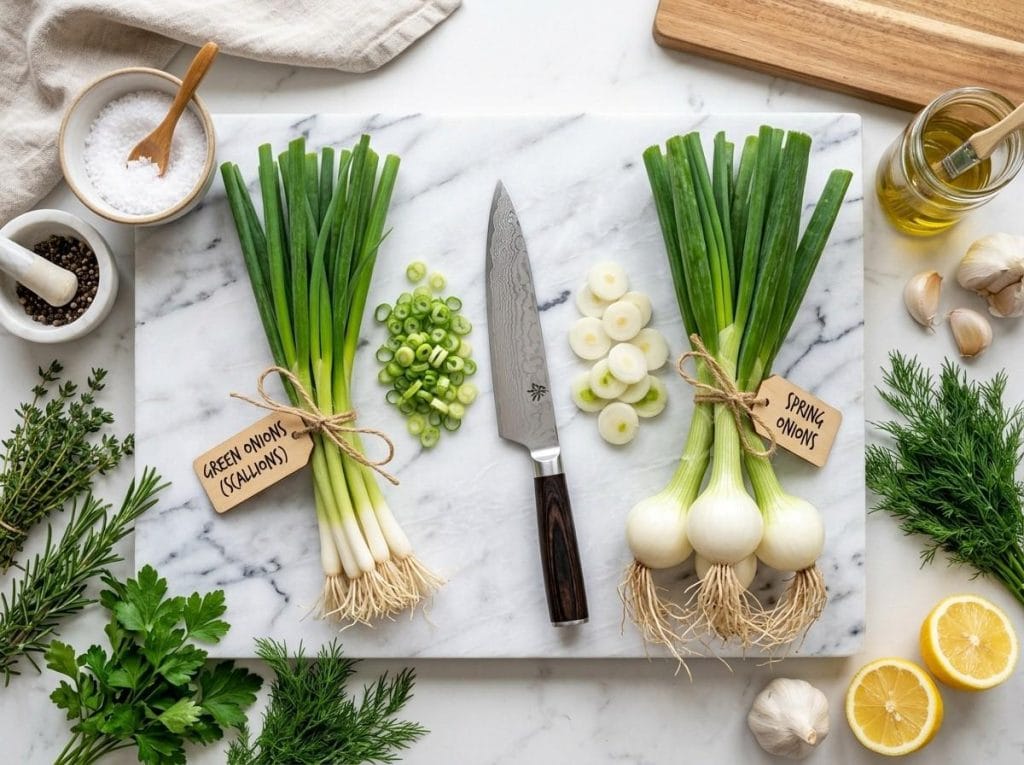
Spring onions have a small bulb at the base; green onions do not.
Yes, both have similar flavors and can replace each other in recipes.
Both are low in calories and rich in vitamins, offering similar health benefits.
Spring onions have a stronger, more pungent flavor than the milder green onions.
Green onions work well raw; spring onions add more flavor when cooked.
Spring onions and green onions look alike but have small differences. Both add fresh taste to many dishes. Use spring onions when you want a mild flavor and a bit of crunch. Green onions give a sharper taste and work well raw or cooked.
Knowing these facts helps you pick the best onion for your meal. Try both to see which you like best. Cooking becomes more fun with simple choices like these.