Gardening Made Simple.
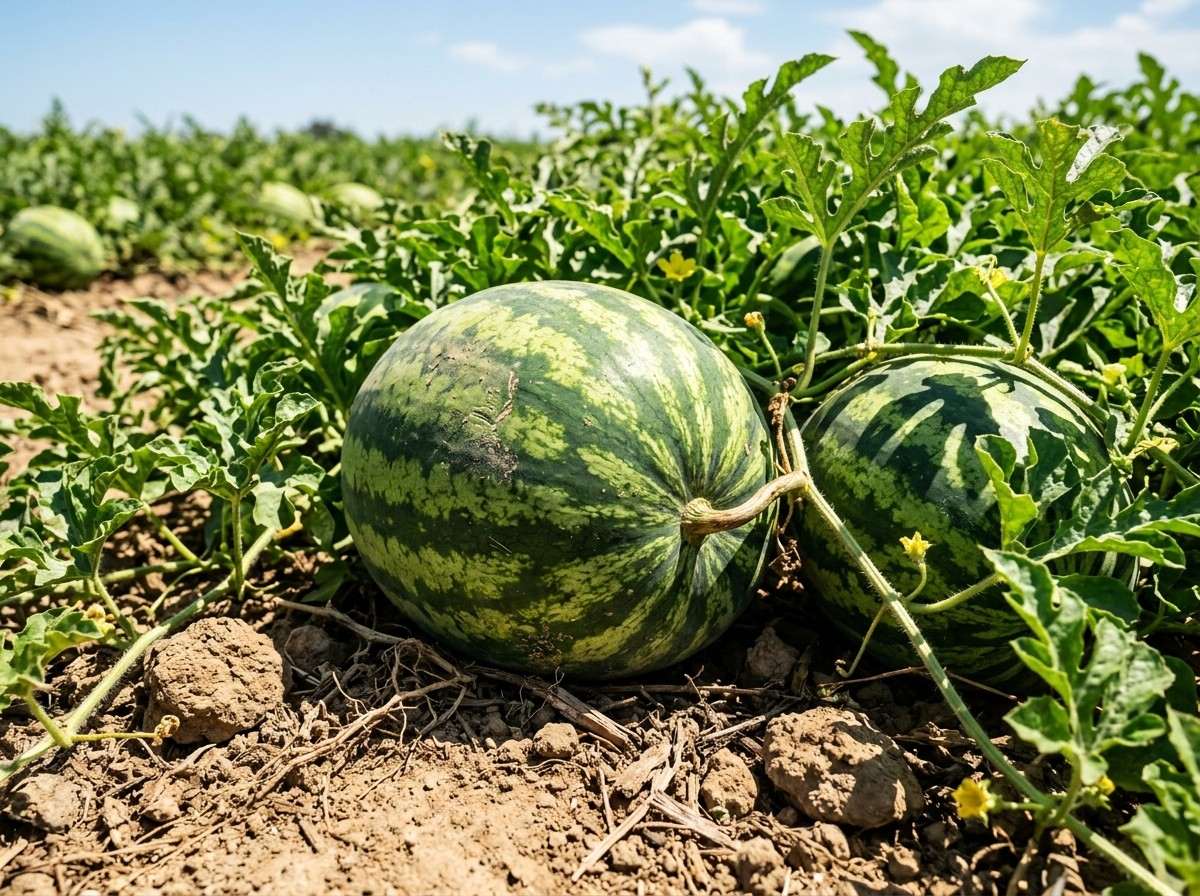
California’s long, warm summers and rich farmland make it a paradise for watermelon lovers. When you bite into a slice of juicy, sweet watermelon on a hot day, chances are it was grown in one of the state’s wide fields.
But watermelon season in California is much more than fresh fruit at picnics. It’s a time that brings together farmers, families, and communities, all celebrating this classic summer treat. Understanding when watermelon is at its best, how it’s grown, and why California plays such a big role can help you enjoy every bite a little more.
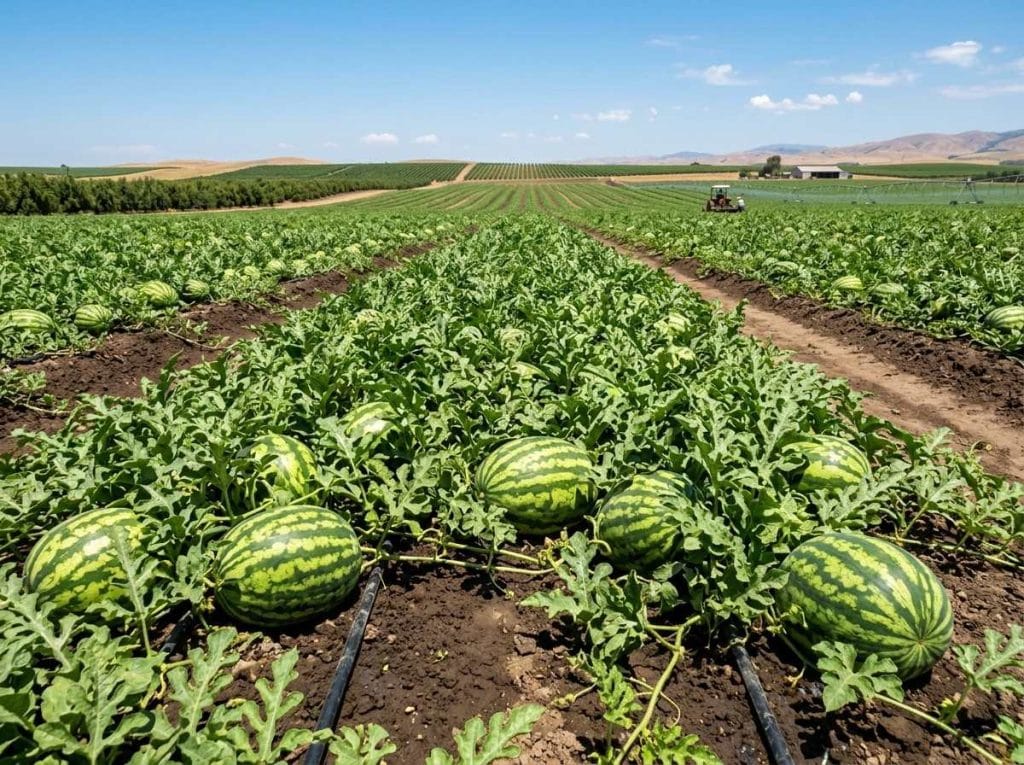
Watermelon season in California usually starts in late May and goes through September, with the peak arriving in July and August. The exact timing depends on the weather, the region, and the watermelon variety. In warmer parts of the Central Valley, harvest can begin as early as mid-May. Coastal areas often start a bit later, since they warm up more slowly.
California’s climate gives watermelon a long growing window. The hot, sunny days and cool nights help the fruit develop its signature sweetness. Most watermelons in California are grown in places like Fresno, Kern, and Imperial counties, where summer temperatures stay high for months.
The state’s geography creates small differences in when watermelons are ready:
These differences mean fresh California watermelon is available in markets for much of the summer. It’s rare for stores to run out during this long season.
California is one of the top watermelon producers in the United States, competing closely with states like Florida, Georgia, and Texas. On average, California produces around 1.5 billion pounds of watermelon each year. This is about 20-25% of all watermelons grown in the US.
California’s large farms can plant and harvest watermelons efficiently. Many use machines for harvesting, but hand-picking is still common for the best quality.
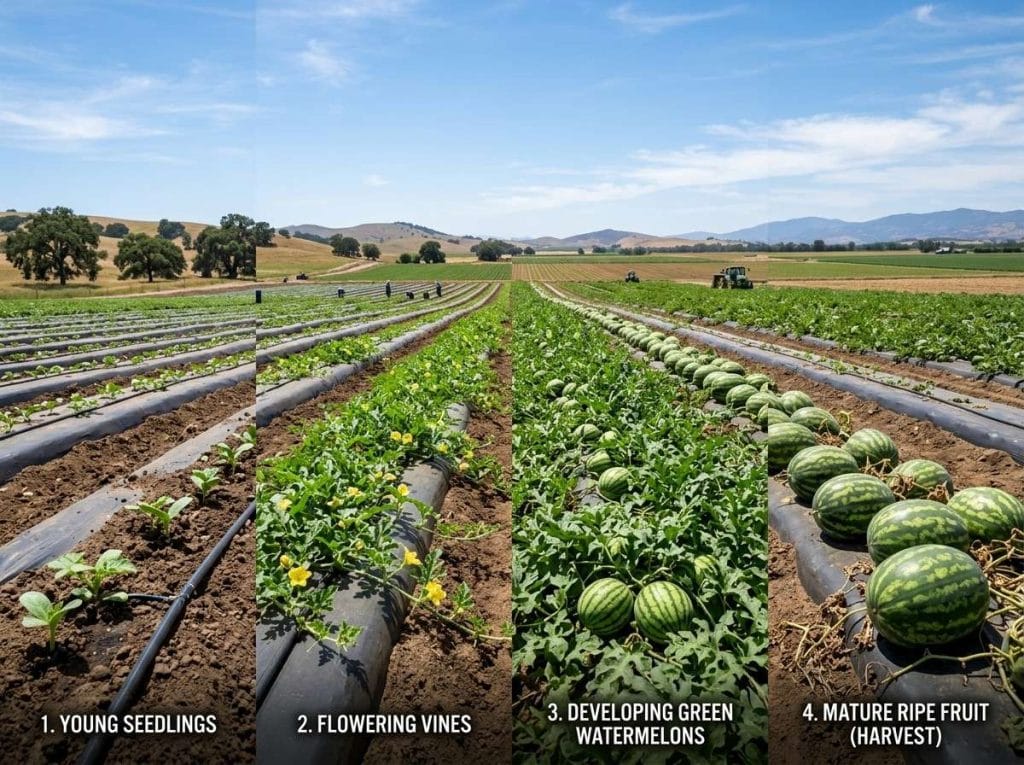
Growing watermelon in California requires careful planning and the right conditions. The process from seed to harvest takes about 70 to 90 days, depending on the variety and weather.
Watermelon plants need plenty of space. Vines can grow over 10 feet long. Farmers space seeds about 2–3 feet apart in rows, so every plant has room.
Experienced growers know to reduce watering before harvest, helping sugars concentrate inside the fruit.
California grows several types of watermelon, each with its own fans. Some are classic round types, while others are oblong or even seedless.
| Variety | Shape | Average Weight | Key Features |
|---|---|---|---|
| Crimson Sweet | Round | 15–25 lbs | Bright red flesh, striped rind, sweet flavor |
| Seedless | Round/Oblong | 12–18 lbs | No mature seeds, firm texture, mild taste |
| Black Diamond | Oblong | 25–40 lbs | Thick, dark rind, deep red flesh, large size |
| Mini (Personal) | Round | 3–7 lbs | Small size, easy to carry, tender flesh |
| Yellow Flesh | Round | 10–15 lbs | Golden interior, honey-like sweetness |
Seedless watermelons are especially popular in California, now making up over 90% of supermarket sales. They are not genetically modified; instead, they are grown by crossing different varieties.
Besides variety, California watermelons are known for their high sugar content and crisp texture. The long, hot growing season helps concentrate flavors. Many local farms also use less pesticide than in other states, thanks to dry summers that slow down common plant diseases.
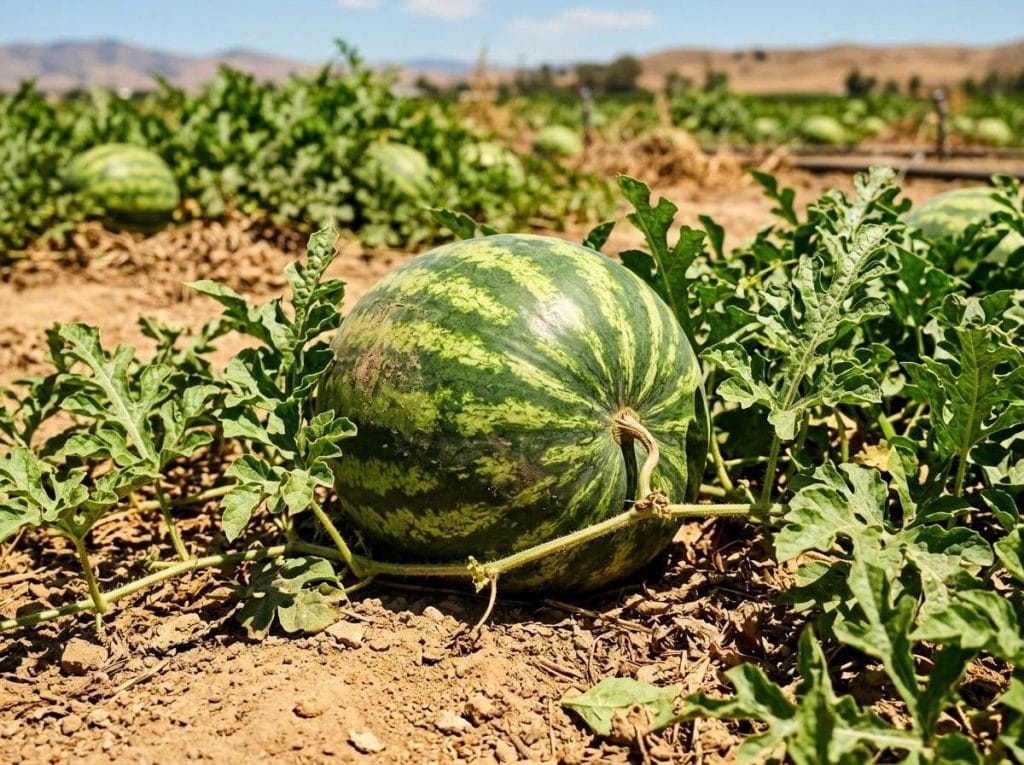
Harvesting watermelon is more complex than it looks. Unlike many fruits, watermelons do not continue to ripen after being picked. This means farmers must be certain each melon is ready before cutting it from the vine.
Farmers and experienced pickers look for several clues:
If picked too early, the fruit will be bland and hard. Too late, and it can become mushy or crack open.
After picking, watermelons are loaded onto trucks. They are often shipped within 24 hours to local markets or even across the country. California’s location lets it supply fresh watermelon to western states quickly, which keeps the fruit crisp and juicy.
Some growers use refrigerated trucks in very hot weather, but most watermelons travel at room temperature. The tough rind protects them during the journey.
Watermelon is more than just a crop in California; it’s a symbol of summer. Many towns host watermelon festivals, contests, and fairs. These events bring together neighbors, farmers, and visitors for food, games, and music.
These gatherings are a great way to meet local growers, taste different varieties, and learn how watermelons are grown.
While most people enjoy watermelon sliced and chilled, California chefs also use it in creative dishes:
Farm-to-table restaurants often feature seasonal watermelon dishes on their summer menus. Foodies and families alike enjoy discovering new ways to enjoy this fruit.
Watermelon is not just delicious; it’s also packed with nutrients. A typical serving (about 1 cup diced) contains:
Eating watermelon can help you stay cool and hydrated, which is especially important during California’s hot summers. The fruit’s natural sugars offer a quick energy boost without adding fat.
Most people eat just the red flesh, but try pickling or stir-frying the rind for a crunchy treat.
Picking a good watermelon can be tricky. Here’s how to get the best one every time:
Avoid melons with soft spots or white streaks, which can mean poor ripeness or disease.
If you need to keep it longer, try making juice, popsicles, or sorbet.
Growing watermelon uses less water than some might expect. Compared to almonds or avocados, watermelon is quite efficient. On average, it takes about 16 gallons of water to produce 1 pound of watermelon.
California’s droughts have pushed many farmers to adopt drip irrigation, which targets water right at the plant roots and reduces waste. Some farms also use cover crops and rotate fields to keep soil healthy and reduce pests naturally.
Because watermelon vines cover the soil and the fruit has a thick rind, the crop is less affected by pests and disease than many others. This means farmers often use fewer chemicals, which benefits the environment and consumers.
Here’s a look at how watermelon farming stacks up to other popular California crops:
| Crop | Water Usage (gallons/lb) | Average Yield (tons/acre) |
|---|---|---|
| Watermelon | 16 | 30–40 |
| Almonds | 1,900 | 1–2 |
| Tomatoes | 25 | 35–40 |
| Avocados | 74 | 6–8 |
This shows that watermelon is a relatively water-wise choice for California’s farmers.
Watermelon is a big part of California’s agricultural economy, even if it’s not as valuable as crops like grapes or almonds. The state’s watermelon industry creates jobs in farming, packing, transport, and retail.
Watermelon farms often operate alongside other crops, which helps support local economies and keeps farmland in production.
While most California watermelons stay in the western US, some are shipped as far as Canada and Asia. California’s shipping ports and highways make it easy to reach distant markets quickly.
Watermelon farming is not without problems. California growers face several challenges each season:
Experienced farmers rotate crops and use resistant varieties to reduce these risks. Many also rely on integrated pest management, using natural predators and careful monitoring.
Prices for watermelon can change quickly, based on supply, weather, and demand. Some years bring high profits, while others are tough for growers.
Despite challenges, the outlook for California watermelon is strong. Demand for fresh, local fruit keeps growing. Consumers want seedless, sweet, and sustainably grown options, all of which California can provide.
As climate change brings hotter summers and less predictable weather, California farmers are adapting with new technology and smarter farming.
When you buy watermelon during the season, you’re supporting California’s family farms and rural communities. Look for signs that say “California Grown” at farmers’ markets and grocery stores.
For more on how California’s agriculture shapes the country’s food supply, visit the California Department of Food and Agriculture.
Watermelon season in California typically begins in late May and continues through September. The exact timing can shift based on region and weather, but peak harvest is usually in July and August.
Look for a creamy yellow spot on the underside, a heavy feel for its size, and a hollow sound when tapped. The rind should look dull, not shiny. These are good signs of ripeness.
California watermelons are known for their sweetness and crispness. The state’s climate helps the fruit develop more sugar, and the long season means you get fresh watermelon for months. However, other states also grow excellent watermelons.
Watermelon is a relatively water-efficient crop compared to others like almonds or avocados. Many California farmers use drip irrigation and eco-friendly practices to save water and protect the soil.
The most common types are seedless, Crimson Sweet, Black Diamond, and mini (personal) watermelons. Seedless varieties now make up more than 90% of what you see in stores.
California’s watermelon season is a highlight of summer, bringing together flavor, community, and a tradition that stretches back generations. Whether you enjoy it in a salad, at a festival, or simply as a cold slice on a hot day, knowing the story behind your watermelon makes every bite even sweeter.