Gardening Made Simple.

Are you growing oyster mushrooms and wondering exactly when to harvest oyster mushrooms for the best results? Timing is everything if you want peak flavor, perfect texture, and maximum yield from your crop. Harvesting at the right stage ensures tender, delicious mushrooms and encourages healthy future flushes.
Picking too early or too late can make your mushrooms tough, bland, or even spoiled. You’ll discover the simple signs to look for and the perfect moment to harvest your oyster mushrooms. Keep reading to make sure you get the most out of your mushroom growing efforts!
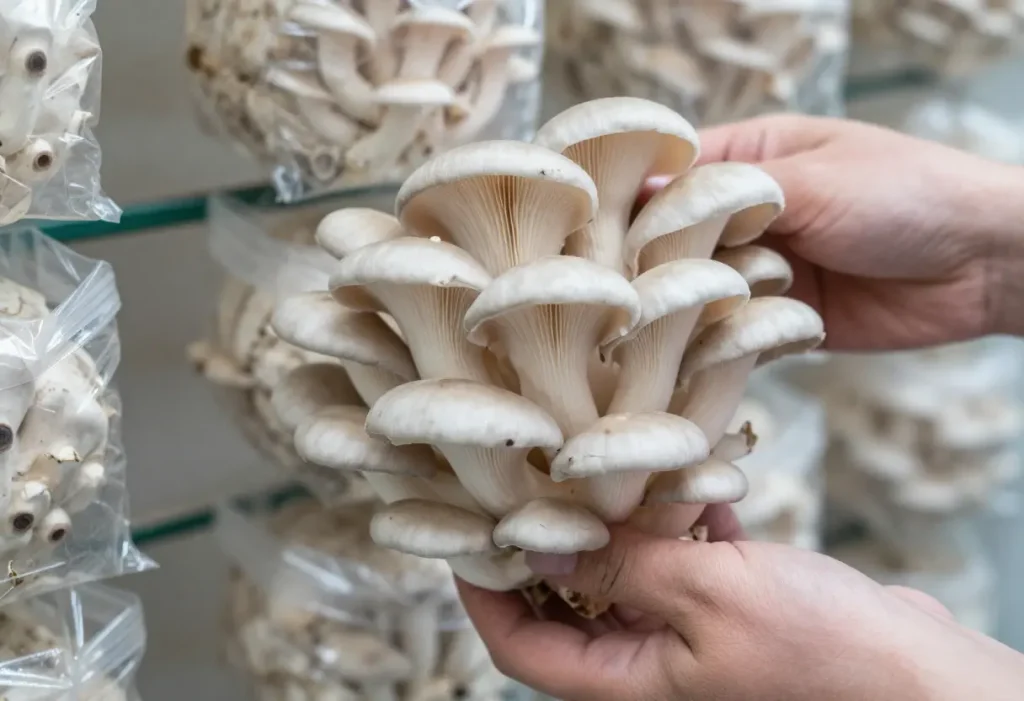
Knowing the signs of mature oyster mushrooms helps harvest at the best time. Picking mushrooms too early or late affects taste and texture. Watch for clear signals in the mushroom’s appearance. These signs include cap size, color changes, and gill development. Each one tells you the mushroom is ready to pick.
The cap grows wide as the mushroom matures. It usually reaches 3 to 6 inches across. The edges start to flatten and may curl slightly upward. A small, round cap means the mushroom is still young. A large, flat cap shows maturity and readiness for harvest.
Oyster mushrooms change color as they grow. Young mushrooms often have a pale or light gray color. As they mature, the color deepens to a darker gray or tan. Avoid harvesting if the color turns yellow or brown, as this means the mushroom is past its prime.
The gills under the cap become more visible and spread out. They turn from light to a creamy white or pale gray. Mature gills are well-formed and easy to see. If the gills look tight or faint, the mushroom needs more time to grow.
Knowing the ideal harvest timeframe for oyster mushrooms helps get the best taste and texture. Harvesting too early or late affects quality and yield. Timing is key to enjoy fresh, tender mushrooms. This section covers the typical growth duration and environmental factors that affect harvest time.
Oyster mushrooms usually grow fast. From spawn to harvest takes about 3 to 4 weeks. The mushrooms start to form small caps in 5 to 7 days after pinning. Full growth happens within 2 to 3 days after the caps open. Most growers pick mushrooms when the caps are 2 to 5 inches wide. This stage offers the best flavor and firmness.
Temperature plays a big role in growth speed. Ideal temperatures range from 55°F to 75°F (13°C to 24°C). Higher temperatures speed up growth but lower quality. Humidity should stay between 85% and 95%. Low humidity can dry out mushrooms and stop growth. Light also affects timing. Mushrooms need indirect light to develop well. Poor air circulation can cause slow growth or mold. Monitoring these factors helps pick mushrooms at the right time.
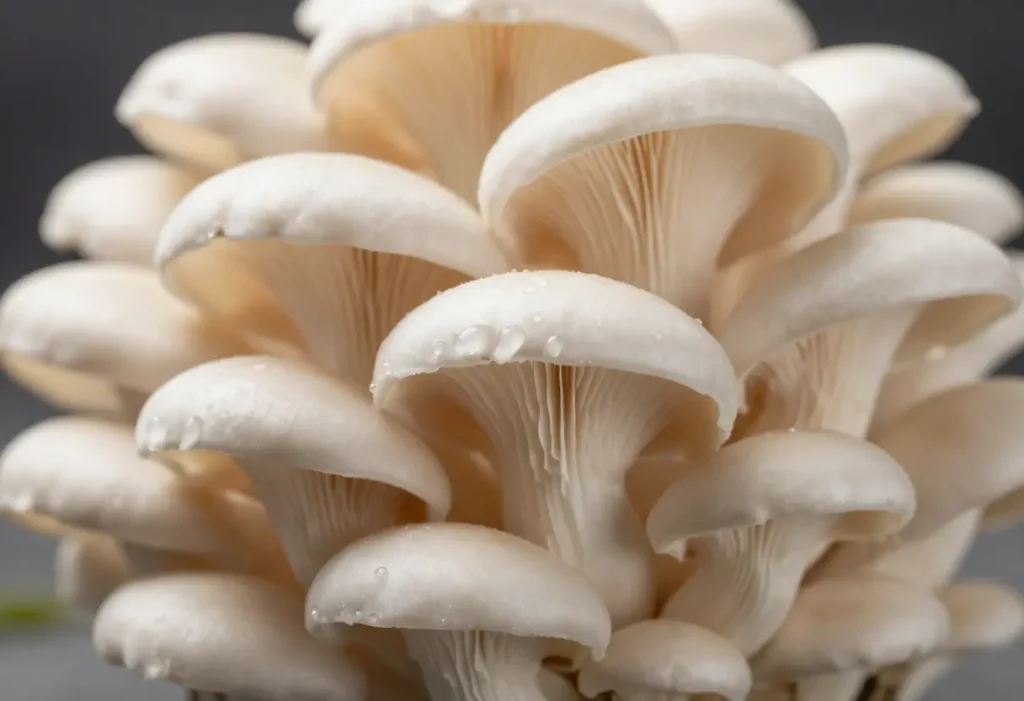
Knowing the right time to harvest oyster mushrooms is key to getting the best flavor and texture. Careful checks help avoid picking too early or too late. Here are simple techniques to check if your mushrooms are ready.
Gently touch the mushroom cap. It should feel firm but soft, not hard or mushy. The edges of the cap start to lift up slightly when ready. Avoid picking if the cap feels dry or brittle. The stem should be sturdy, not slimy or too thin. This test shows if the mushroom is fresh and full of moisture.
Look under the mushroom cap for the gills. When mushrooms mature, they release spores from these gills. A light dusting of white or light gray powder means spores are dropping. If you see heavy spore dust, the mushroom is past peak. Harvest just as spores begin to fall for best quality. This sign helps time your harvest perfectly.
Harvesting oyster mushrooms at the right time is key to a good yield. Many growers make simple mistakes that affect the quality of their mushrooms. Knowing what to avoid helps you get the best results from your crop.
Picking oyster mushrooms too soon means they are small and underdeveloped. The caps may not open fully, reducing their size and flavor. Early harvest also lowers the total weight you get from your crop. Mushrooms picked too early can be less tasty and less useful in recipes.
Waiting too long to harvest causes mushrooms to become tough and dry. The caps can curl up and release spores, making a mess. Overripe mushrooms lose their fresh texture and may start to rot. Late harvesting reduces the shelf life and quality of your mushrooms.
Harvesting oyster mushrooms at the right time ensures the best taste and texture. Proper care during cutting and handling helps keep mushrooms fresh longer. Follow simple steps to get the highest quality from your crop.
Use a sharp knife or scissors for clean cuts. Cut the mushrooms at the base of the stem. Avoid pulling or twisting to prevent damage. Cutting cleanly helps mushrooms stay fresh and last longer. Always cut close to the growing medium but leave some stem for regrowth.
Handle mushrooms gently to avoid bruising. Place them in a paper bag or a breathable container. Do not use plastic bags; they trap moisture and cause spoilage. Store mushrooms in a cool, dry place or in the refrigerator. Use them within a few days for the best flavor and texture.
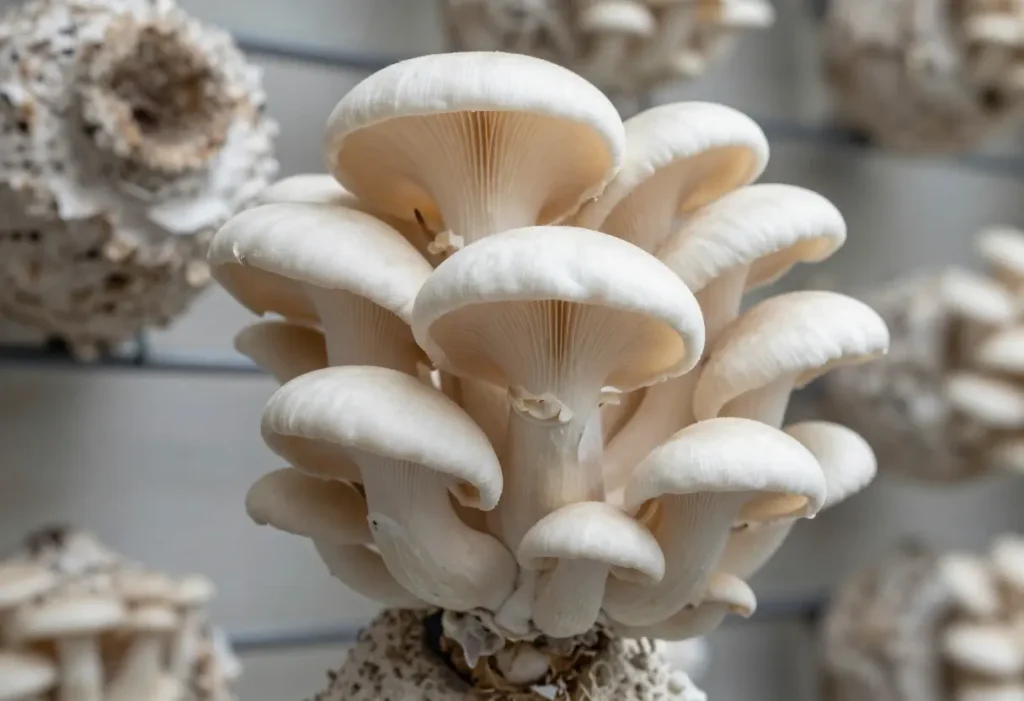
Oyster mushrooms are ready when their caps open fully but edges stay smooth, not curled.
Pick mushrooms when caps are 2 to 4 inches wide for best taste and texture.
Yes, early harvest gives small mushrooms; late harvest causes tough, spore-covered caps.
Check your mushrooms daily once they start growing to harvest at the right time.
Overripe mushrooms drop spores and become tough, losing flavor and market value.
Harvest oyster mushrooms when their caps start to flatten out. Avoid waiting too long, or they may become tough. Picking them at the right time ensures better taste and texture. Watch for the size and color changes closely. Fresh mushrooms cook faster and taste fresher.
Keep checking your crop daily to catch the perfect moment. This simple step helps you enjoy delicious, tender oyster mushrooms every time. Growing and harvesting can be fun and rewarding with a little care. Try it yourself and see the difference in flavor and quality.