Gardening Made Simple.
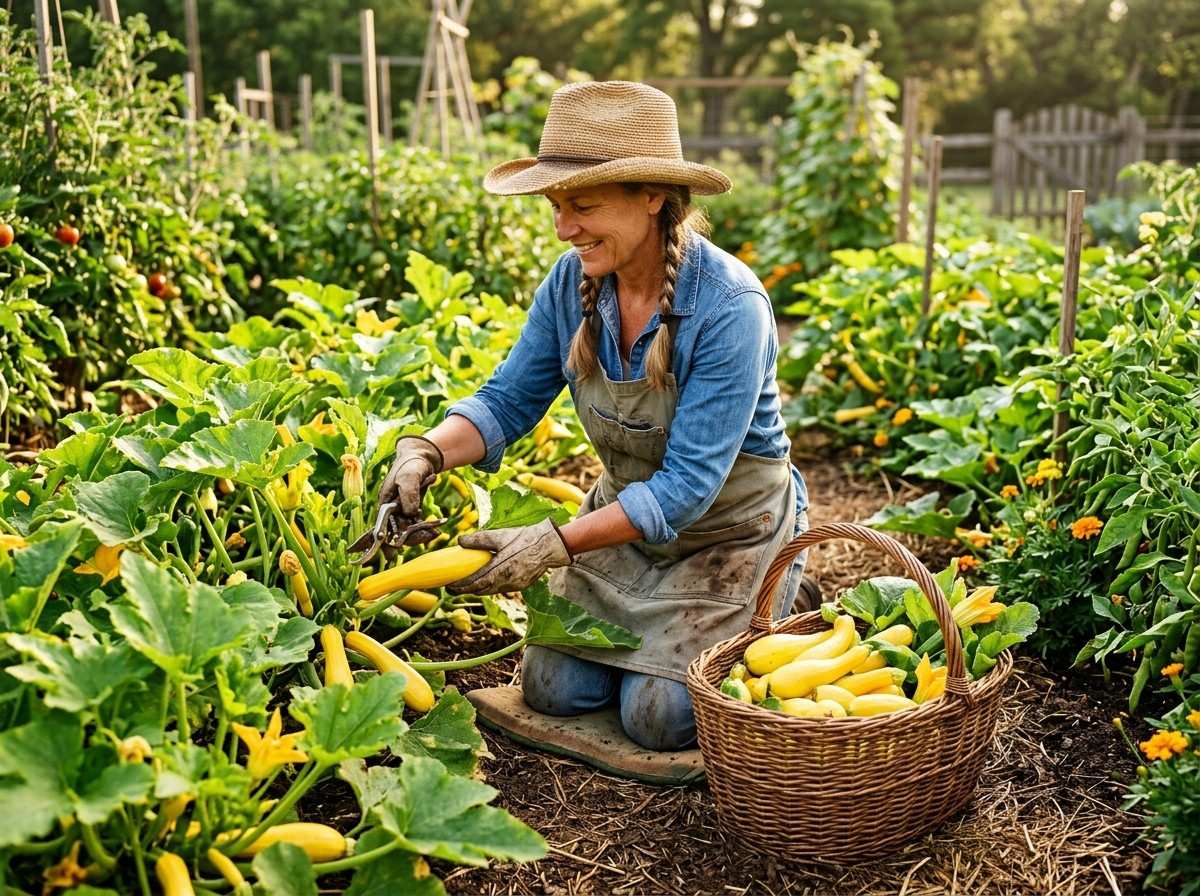
Yellow squash is a staple in many home gardens. Its bright color and mild flavor make it popular in salads, stir-fries, and casseroles. But knowing when to harvest yellow squash is crucial. Pick too early, and you miss out on flavor and texture. Wait too long, and the squash can turn tough and lose its sweetness. The ideal harvest time can depend on several factors, including variety, climate, and growing conditions.
Getting the timing right is not only about taste. It affects plant health, yield, and even pest resistance. If you want yellow squash that is tender, flavorful, and nutritious, it’s important to recognize the signs of maturity and avoid common mistakes.
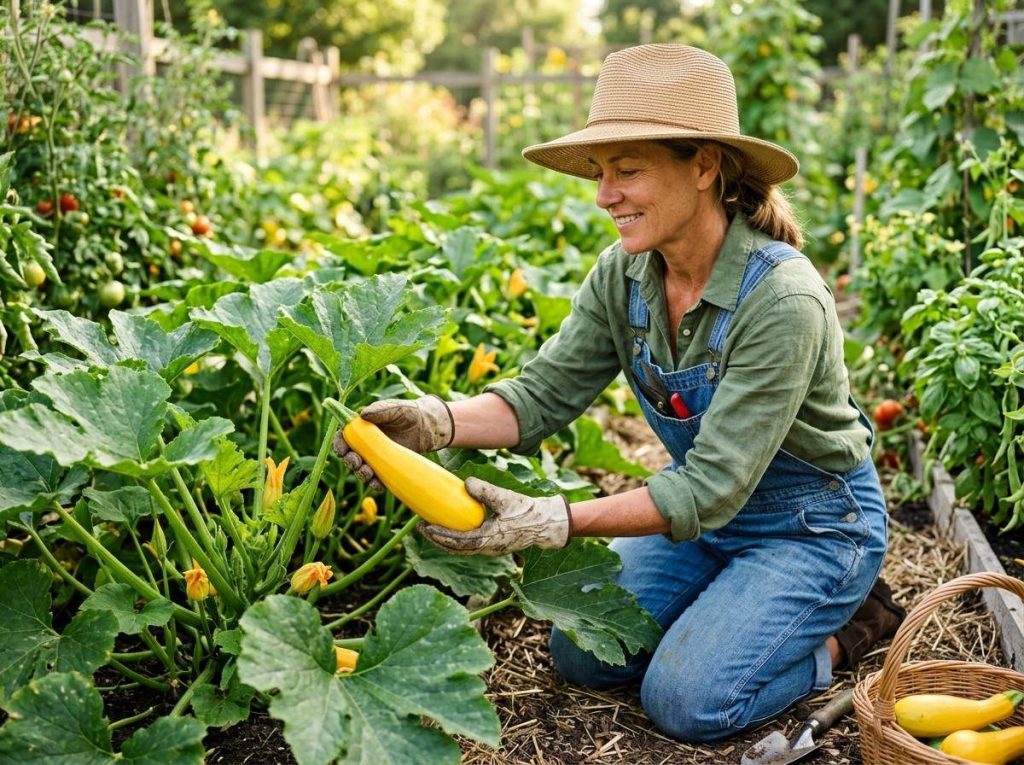
This article will guide you through every detail, from recognizing harvest-ready squash to handling and storage tips. Let’s explore how to get the best from your yellow squash plants.
Yellow squash isn’t just one type. There are several varieties, each with slightly different shapes, growth habits, and ideal harvest times. The two most common are yellow crookneck and yellow straightneck. Both are considered summer squash, but their differences can influence harvest timing.
| Variety | Shape | Average Harvest Size | Texture |
|---|---|---|---|
| Yellow Crookneck | Curved neck, bulbous base | 5–8 inches | Warty, tender skin |
| Yellow Straightneck | Straight, cylindrical | 6–8 inches | Smooth, thin skin |
Some gardeners also grow pattypan squash, which is round and flattened, but these are less common. The main thing to remember is that most yellow squash are best harvested young, before the seeds and skin harden.
The timing of your harvest can affect flavor, texture, and yield. Picking yellow squash at the right moment ensures:
If you let yellow squash grow too large, the skin becomes tougher, seeds enlarge, and the taste can turn bland. In fact, studies show that squash harvested at the ideal size contains up to 20% more vitamin C than overripe fruit. Proper harvest timing also helps prevent squash from attracting pests like squash bugs and cucumber beetles.
Knowing the signs is essential. Here’s how to tell your yellow squash is ready:
Some gardeners notice that the squash grows very quickly—sometimes reaching harvest size in just 3–5 days after flowering. Check your plants daily during peak season.
| Sign | What to Look For | What It Means |
|---|---|---|
| Size | 5–8 inches | Optimal tenderness |
| Color | Bright yellow | Peak flavor |
| Skin | Glossy, soft | Ready to pick |
| Stem | Firm, green | Healthy fruit |
Yellow squash is sensitive to temperature, water, and soil nutrients. These factors can change the speed of growth and ideal harvest window:
For best results, keep soil moist but not soggy, and use mulch to retain water. Fertilize with balanced nutrients, especially during flowering and fruiting.
In states like Texas or Florida, squash can reach harvest size in 3–4 days after pollination. Gardeners must check plants daily. In cooler areas, like Oregon, it can take 7–10 days for squash to reach the right size.
Harvesting yellow squash is simple, but there are tricks to keep plants healthy and fruit fresh. Here’s how to do it right:
Yellow squash is a “cut-and-come-again” crop. Frequent harvesting encourages plants to produce more fruit. If you pick every 2–3 days, you can get up to 30–40 squash per plant per season.
But if you let fruit stay too long, the plant slows down or stops producing. Even one overripe squash can signal the plant to stop making new fruit. Removing squash regularly keeps the plant in production mode.
A typical home gardener with three yellow squash plants, harvesting every 2 days, can expect 90–120 squash over a summer. Larger gardens or commercial growers may use staggered planting to ensure continuous harvests.
Picking yellow squash at the right time affects both taste and health benefits.
A study from the University of California found that squash harvested at the proper stage had 15–20% more vitamin C than overgrown squash. This is because younger fruit retains more nutrients and water.
Some gardeners pick very young squash (2–4 inches long) for grilling or salads. These “baby squash” are extra tender and can be eaten raw. If you want squash for soups or baking, slightly larger squash may be better.
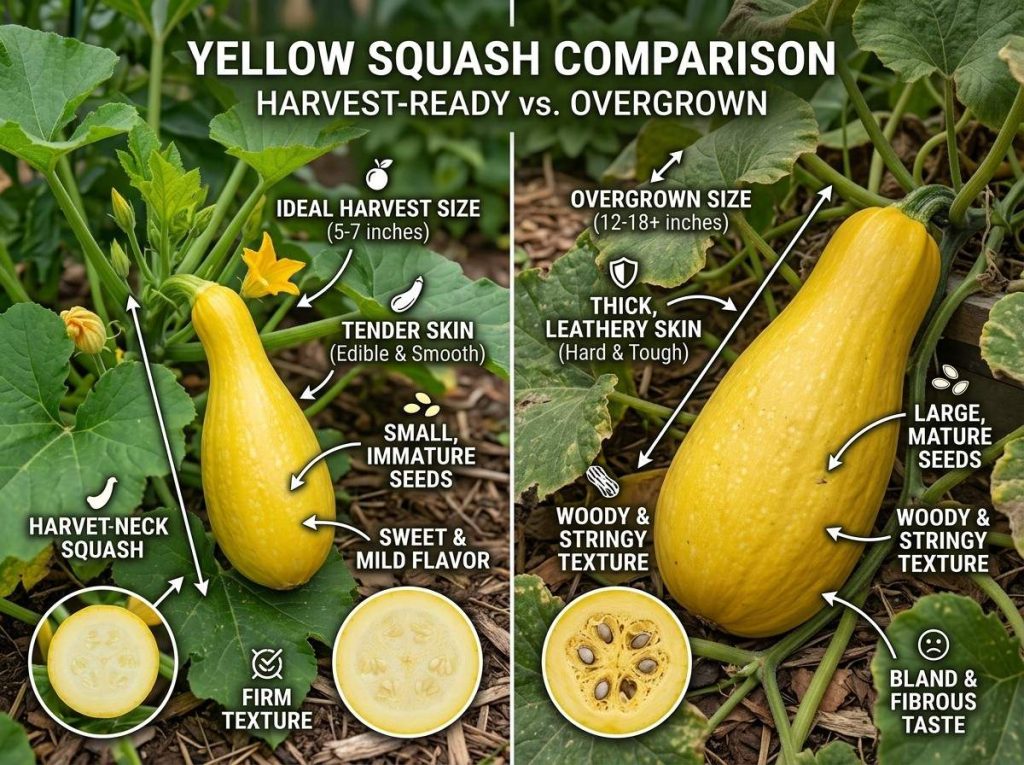
It’s easy to miss the ideal harvest window. Here’s how to spot overripe squash:
You can still use overripe squash in soups or baking, but it won’t be as tasty or tender.
Don’t throw them away. Large, tough squash can be grated for bread or muffins, or used as filler in stews. Some gardeners use overripe squash as compost or animal feed.
The best harvest time also depends on the weather and season. Here are the main influences:
Yellow squash is usually ready 45–55 days after planting. Most gardeners start harvesting in late spring or early summer. In southern states, the season can last until September; in northern states, until August.
Proper handling keeps squash fresh and tasty. Here’s how to store yellow squash:
Yellow squash is best eaten within a week of harvest. Older squash can be used in soups, casseroles, or baked goods.
If you have a bumper crop, consider pickling or fermenting yellow squash. This preserves flavor and nutrients and gives you tasty snacks for months.
If you want to save seeds for next year, let a few squash grow fully mature on the vine. These will be much larger, with tough skin and big seeds. Wait until the skin is hard and the color turns pale.
Cut the squash, scoop out seeds, and rinse them. Dry seeds for 1–2 weeks before storing in a cool, dry place. Remember, only non-hybrid varieties produce reliable seeds.
You might wonder how yellow squash compares to other types, like zucchini or pattypan. Here’s a quick comparison:
| Squash Type | Harvest Size | Skin Texture | Flavor |
|---|---|---|---|
| Yellow Squash | 5–8 inches | Thin, soft | Mild, sweet |
| Zucchini | 6–8 inches | Smooth, green | Earthy, mild |
| Pattypan | 2–4 inches (diameter) | Firm, scalloped | Nutty, mild |
All summer squash are best harvested young, but yellow squash is especially sensitive to size. Zucchini can be a bit larger, while pattypan is often harvested very small.
Here are some key tips to get the most from your yellow squash plants:
Harvesting in the early morning, when temperatures are cool, helps preserve flavor and reduces stress on the plants. Squash harvested in the afternoon can wilt faster.
Even experienced gardeners face challenges. Here’s how to solve them:
If your squash are consistently tough or bland, review your harvest timing and soil conditions. Sometimes, simply picking smaller fruit and improving watering can solve most issues.
Pollination is essential for squash development. Without proper pollination, fruit can be misshapen or fail to mature.
If squash is small and shrivels, it’s likely due to poor pollination. Improve pollinator habitat or try manual pollination.
Many gardeners grow yellow squash in pots or raised beds. The rules for harvesting are the same, but the plants can grow faster due to warmer soil. Check container plants daily, and water consistently.
Container squash may produce fewer fruit, but harvesting regularly keeps them healthy and productive.
Handling squash with clean hands and tools prevents disease. Always wash your hands before harvesting, and sanitize tools if you suspect plant disease. Wear gloves if you have sensitive skin—squash leaves can cause mild irritation.
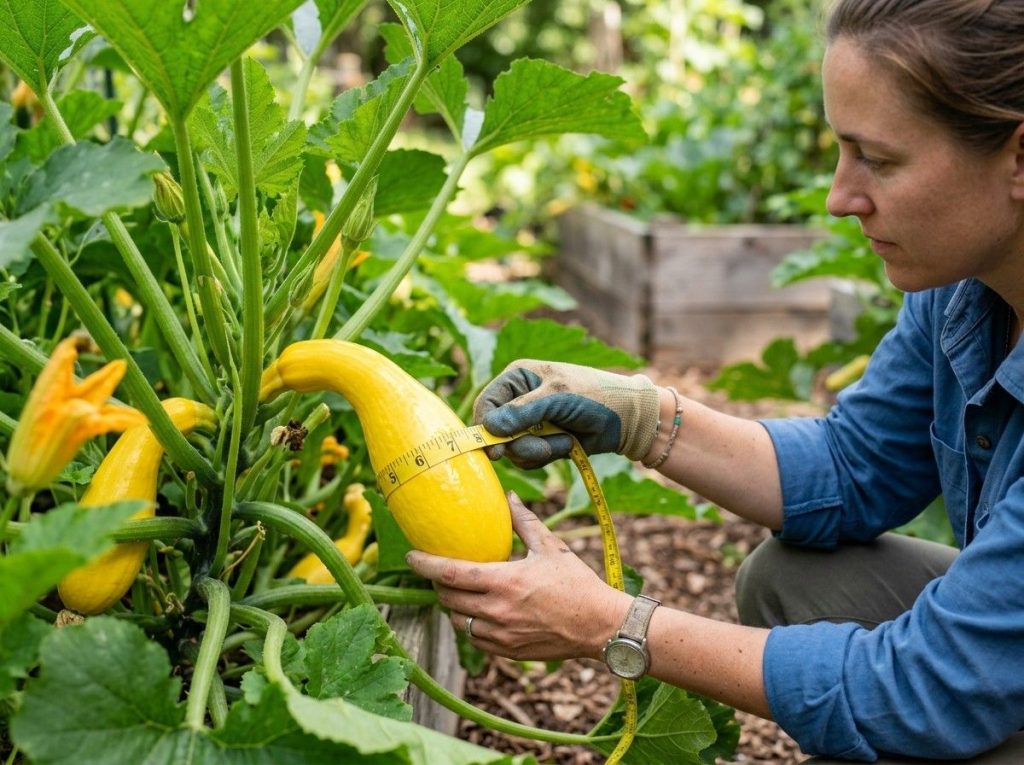
Overripe squash will have hard skin, dull color, and large, visible seeds. It may also be much larger than normal. The flavor is often bland or bitter. If you notice these signs, use the squash for cooking, not fresh eating.
Yes. Many gardeners harvest baby squash at 2–4 inches for salads and grilling. These are extra tender and flavorful. Harvesting early also encourages the plant to produce more fruit.
Yellow squash stays fresh for 4–7 days in the refrigerator. Keep it dry and unwashed until use. For longer storage, blanch and freeze slices.
Absolutely. Frequent harvesting keeps plants producing. If you leave squash on the vine too long, the plant may slow or stop making new fruit.
A sharp knife or garden shears works best. Avoid pulling or twisting the squash, as this can damage the plant and reduce future harvests.
Harvesting yellow squash at the right time is both an art and a science. By paying attention to size, color, and skin texture, you ensure tender, flavorful squash for your table. With regular checks and careful handling, you’ll enjoy a long, healthy harvest season. For more in-depth gardening advice, visit National Gardening Association. Whether you’re a beginner or an experienced gardener, these tips will help you get the most from your yellow squash plants every year.