Gardening Made Simple.
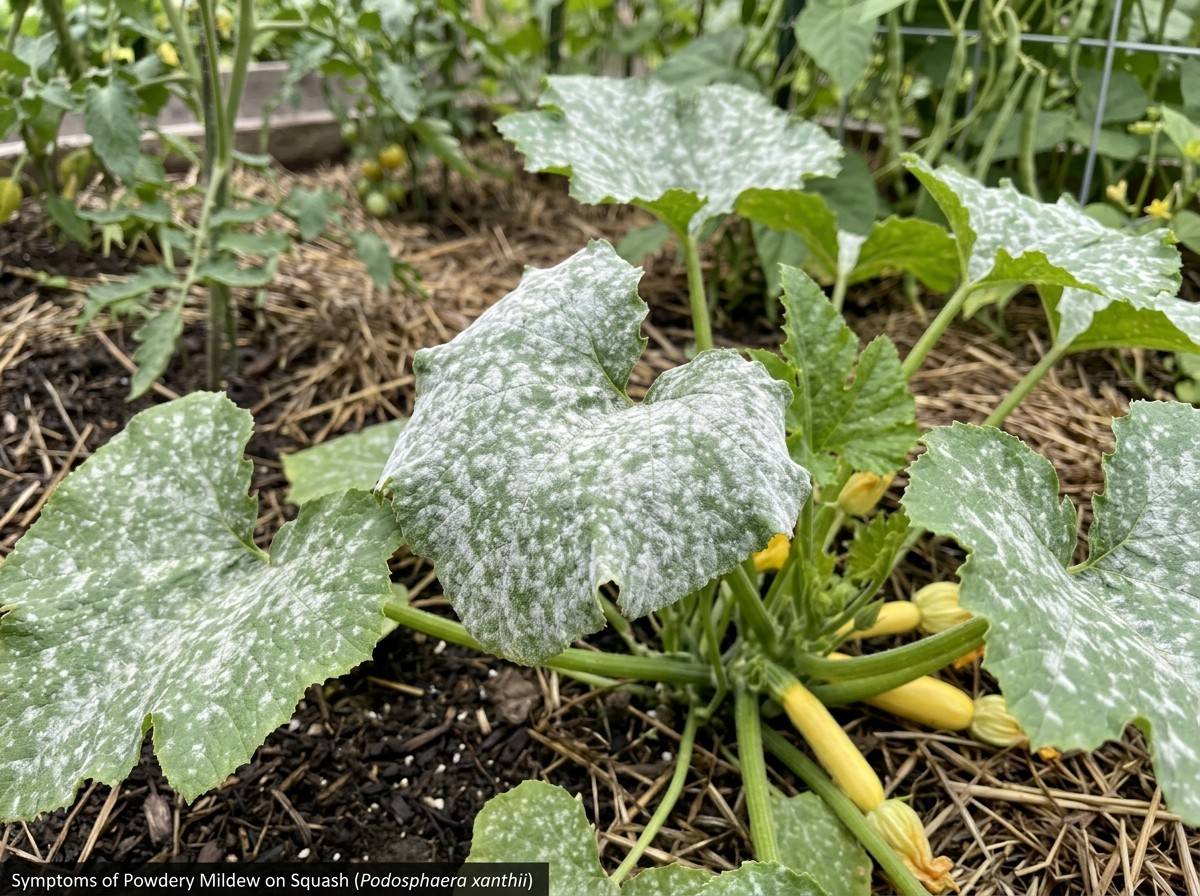
Growing squash is rewarding, but seeing white spots on squash plant leaves can be worrying. These spots often signal that something is wrong with your plants, and ignoring them can lead to bigger problems. Many gardeners face this issue, especially in humid areas or during warm months. Understanding why these spots appear, how to identify the cause, and what to do next will help you keep your squash healthy and productive.
This article explores all you need to know about white spots on squash leaves: from the main causes and how to spot them, to practical solutions and prevention. Whether you’re a beginner or an experienced gardener, you’ll find clear explanations, real examples, and actionable advice. By the end, you’ll feel confident tackling white spots and keeping your squash plants thriving.
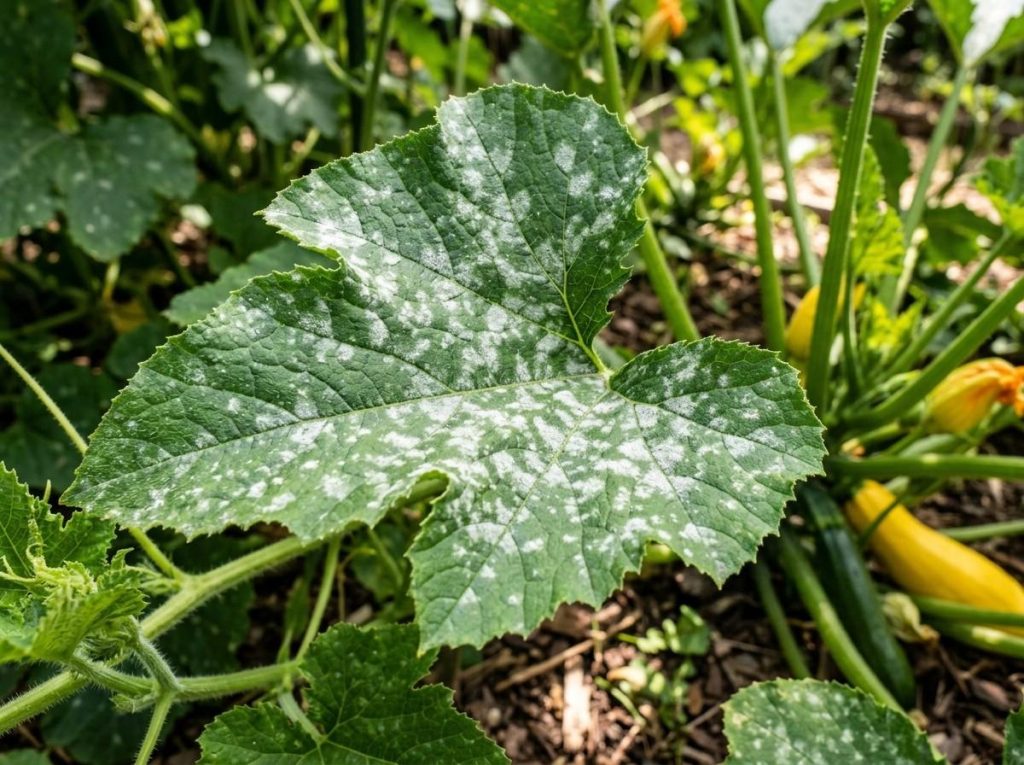
White spots on squash leaves can come from several sources. Not every spot means disaster, but it’s important to know the difference.
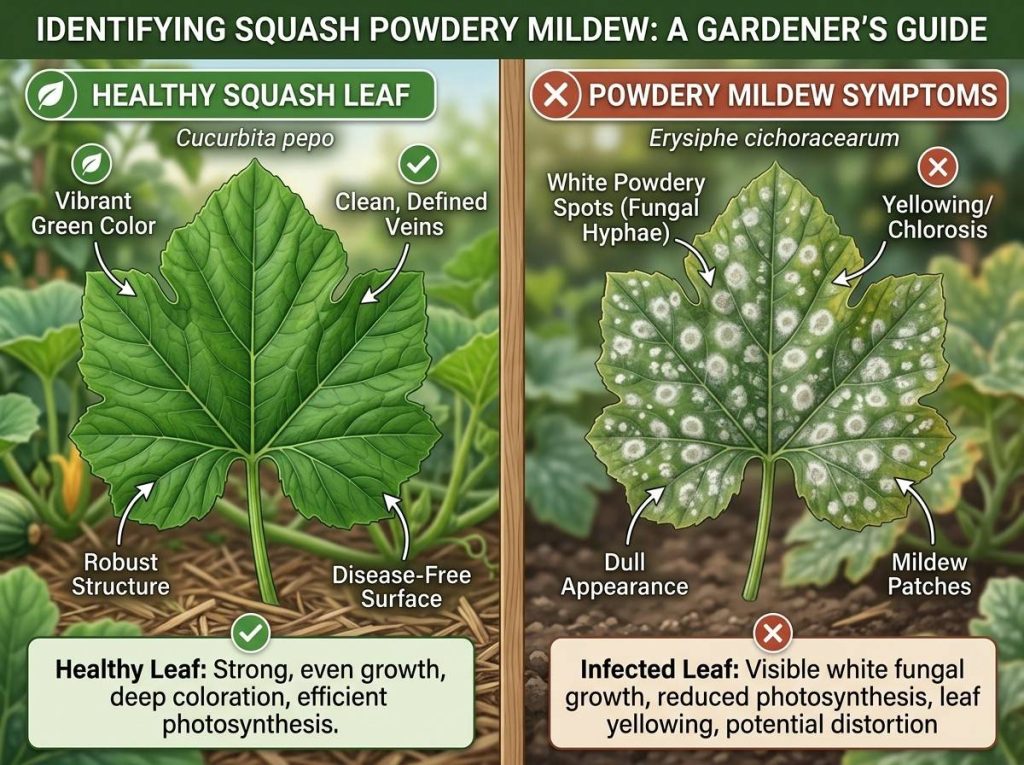
The most common cause is powdery mildew. This fungal disease affects squash, cucumbers, pumpkins, and other plants. Powdery mildew appears as soft, powdery white spots, often starting on the oldest leaves. Over time, the spots grow, covering leaves and making them look dusty or grayish-white.
Key facts about powdery mildew:
Some white spots are caused by other fungi, such as Pseudomonas or Septoria. These spots may be smaller, circular, and sometimes have a dark border. They can appear after rainy weather or if leaves stay wet for long periods.
Certain insects, like spider mites or squash bugs, can cause white spots. These spots are usually tiny and scattered. Sometimes, you’ll see webbing or tiny bugs on the underside of leaves.
White patches can also result from sunscald—when leaves get too much direct sunlight after being wet or pruned. Physical injury, like wind damage or rough handling, can cause pale or white spots as the leaf tissue dies.
Rarely, a lack of nutrients (especially magnesium or calcium) can cause pale spots. These are usually less powdery and more evenly spread across leaves.
Spotting white patches is easy, but knowing what’s causing them is more important. Here’s how to quickly identify the problem.
Turn leaves over. Powdery mildew and most fungi grow mainly on the surface, but pests often hide underneath. Look for:
Powdery mildew loves humid, warm weather. Fungal spots often appear after rain. Sunscald happens after a hot, sunny spell. Nutrient problems build up slowly.
If only squash is affected, it’s likely a squash-specific problem. If nearby cucumbers or pumpkins also have spots, the cause may be powdery mildew or pests.
Ignoring white spots can seem tempting if your squash plants look otherwise healthy. But these spots can cause real damage.
When leaves are covered in white spots, they can’t absorb sunlight well. This means the plant makes less energy, grows slower, and produces fewer fruits.
Fungal diseases like powdery mildew spread quickly. Without treatment, they can cover all leaves and even affect fruits, making them unfit to eat.
Plants fighting disease or pests are weaker. They’re more likely to wilt, lose leaves, or die if conditions get worse.
Studies show that heavy powdery mildew infection can cut squash yield by up to 40%. That’s a big loss, especially for home gardeners who rely on their harvest.
Once you’ve identified the cause, you can act. Here’s how to tackle each main problem.
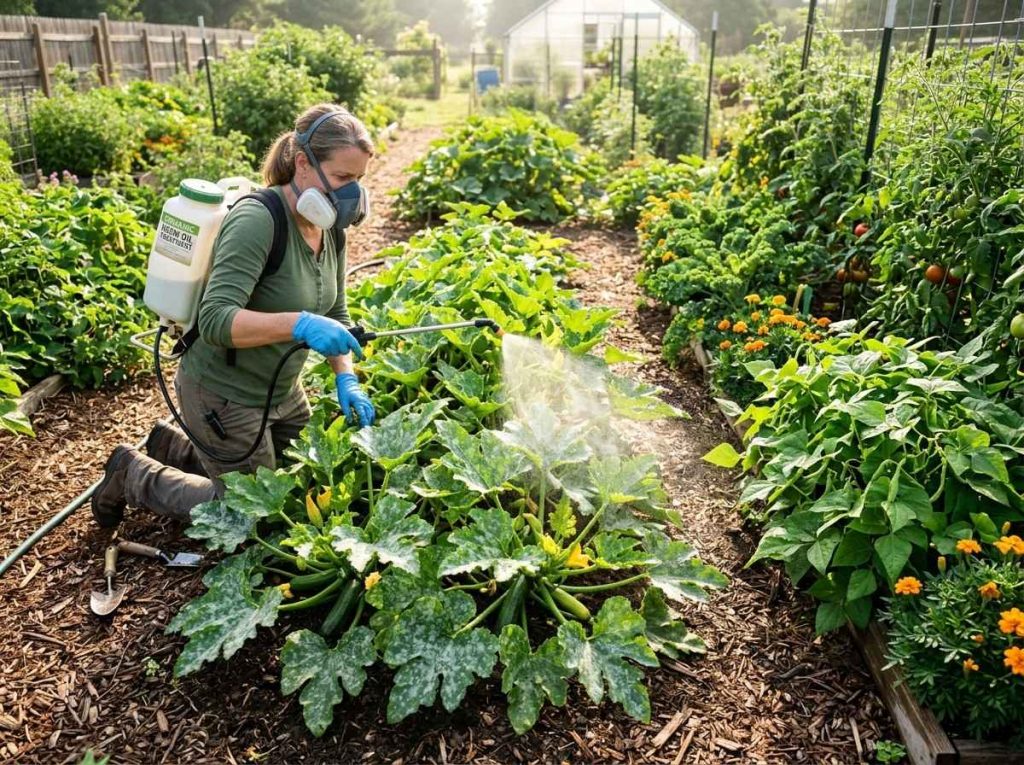
Powdery mildew is stubborn, but not unbeatable.
If organic methods fail, use a fungicide labeled for powdery mildew. Always follow instructions and avoid spraying in hot sun.
Remove heavily infected leaves. Dispose of them away from your garden to stop spores from spreading.
Prevention is easier than cure. Here’s how to stop white spots before they start.
Squash plants need room. Crowded plants trap moisture, making a perfect home for fungi.
Wet leaves invite disease. Water at the base, not above the leaves, and do it early in the day.
Mulch keeps soil moisture steady and reduces splashing of fungal spores onto leaves.
Check leaves often, especially during warm, humid weather. Early detection means easier treatment.
Some squash varieties resist powdery mildew better. Examples include Success PM, Dunja, and Magda.
Old leaves and plant material can harbor disease. Clean up dead leaves and rotate crops each year.
To help you spot the difference between powdery mildew and pest-related white spots, here’s a comparison:
| Feature | Powdery Mildew | Pest Damage |
|---|---|---|
| Appearance | White, powdery patches | Small, irregular white dots |
| Texture | Feels dusty, wipes off | Feels rough, does not wipe off |
| Spread | Spreads fast to new leaves | Stays on affected leaves |
| Other Signs | Yellowing, leaf curl | Webbing, visible pests |
| Weather Link | High humidity, warm temps | Dry, dusty conditions |
Let’s walk through two common situations gardeners face.
A gardener in Georgia notices white, flour-like patches on squash leaves after several humid days. The patches grow quickly, and older leaves turn yellow. The gardener sprays with neem oil and removes badly infected leaves. Within two weeks, the spread slows, and new leaves grow clean.
In California, a gardener sees tiny white spots and webbing on the underside of squash leaves during a dry spell. After spraying with insecticidal soap and releasing ladybugs, the mite population drops. The plant recovers, and no more spots appear.
Powdery mildew affects squash all over the world. Here’s some useful data:
To help you choose the best treatment, compare common organic and chemical options:
| Treatment | Type | Effectiveness | Safety | Cost |
|---|---|---|---|---|
| Neem Oil | Organic | Moderate | Safe for bees | Low |
| Baking Soda Spray | Organic | Low to Moderate | Safe | Very Low |
| Copper Fungicide | Chemical | High | Use with care | Medium |
| Milk Spray | Organic | Low | Safe | Very Low |
| Commercial Fungicide | Chemical | Very High | Follow label | High |
Many new gardeners overlook these key points:
Some squash types resist powdery mildew and other white spot causes better than others:
| Variety | Resistance Level | Fruit Type | Notes |
|---|---|---|---|
| Success PM | High | Zucchini | Early, high yield |
| Dunja | High | Zucchini | Dark green fruit |
| Magda | Moderate | Cousa | Good for humid climates |
| Tigress | Moderate | Zucchini | Good flavor |
| Yellowfin | Moderate | Yellow squash | Uniform fruit |
Most white spot problems can be managed at home. But sometimes, help is needed:
Contact a local extension office or garden center. They may test leaves or recommend specialized treatments. For more details, see this resource from the University of California Agriculture & Natural Resources.
The first signs are small, white, powdery spots on the surface of older leaves. These spots grow larger and can spread to younger leaves, stems, and even fruits. Leaves may turn yellow and curl as the infection worsens.
Yes, you can eat squash from affected plants if the fruits are healthy and the infection is only on leaves. Wash fruits well and check for mold or soft spots. If fruits are covered in white mold or rot, discard them.
Powdery mildew and some fungi can spread to cucumbers, pumpkins, and melons. Pests may move to nearby vegetables. Good spacing and early treatment help prevent the spread.
For powdery mildew, treat every 7–10 days during humid or warm weather. For pests, use insecticidal soap as needed. Always follow product instructions and avoid spraying in midday sun.
Neem oil, baking soda spray, and milk spray are proven organic remedies for powdery mildew. They work best if used early and repeated weekly. Home remedies are less effective once infection is severe.
Keeping squash plants healthy is easier when you know what white spots mean and how to act. Early detection, smart prevention, and using the right treatments will keep your garden productive. With these practical steps, you’ll enjoy strong, green squash plants and a bigger harvest, even in challenging conditions.