Gardening Made Simple.
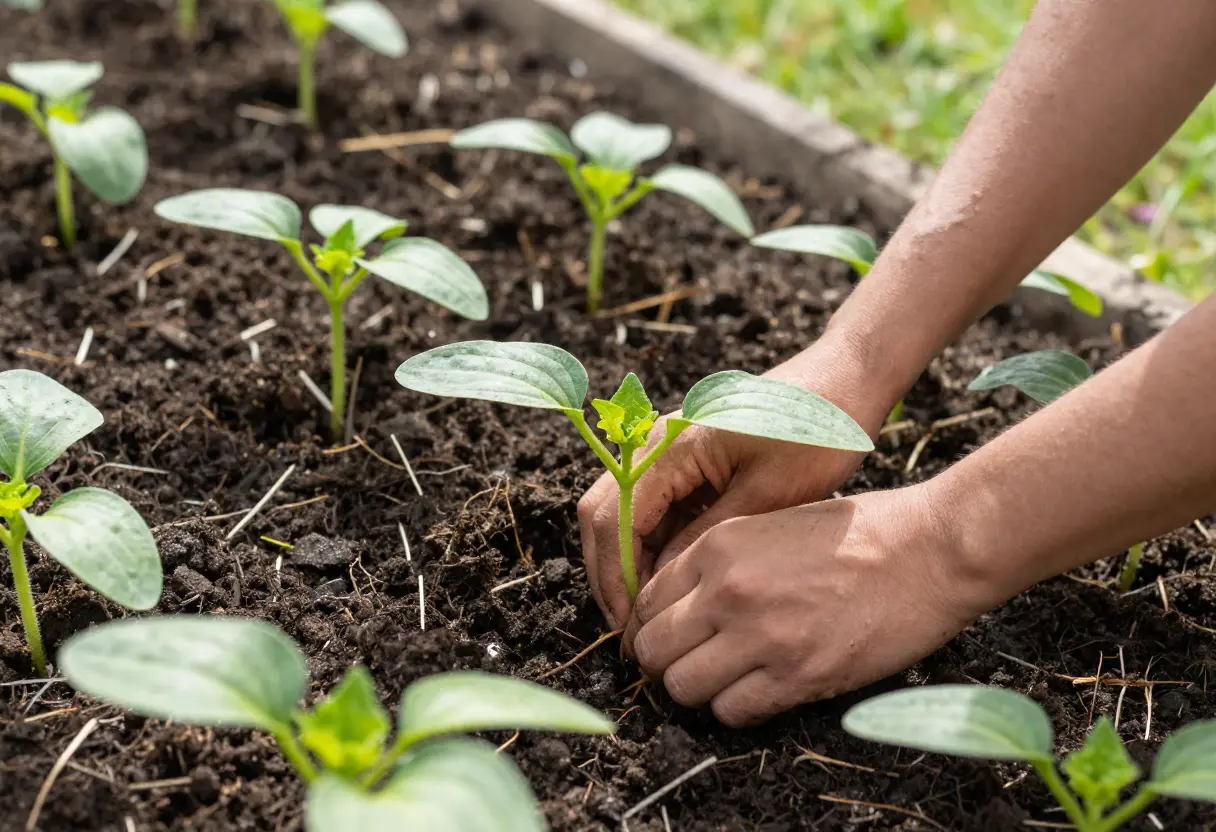
Are you ready to grow fresh, crunchy cucumbers right in your Florida garden? Knowing exactly When to Plant Cucumbers in Florida can make all the difference between a bountiful harvest and a disappointing crop. By timing your planting correctly and providing the right care, you can enjoy healthy vines and a steady supply of delicious cucumbers throughout the season.
If you plant too early or too late, your cucumbers might struggle or fail to thrive. You’ll discover the perfect timing to plant cucumbers in Florida’s unique climate. By following these simple tips, you’ll boost your chances of enjoying homegrown cucumbers all season long.
Keep reading to find out how to get started at just the right time!
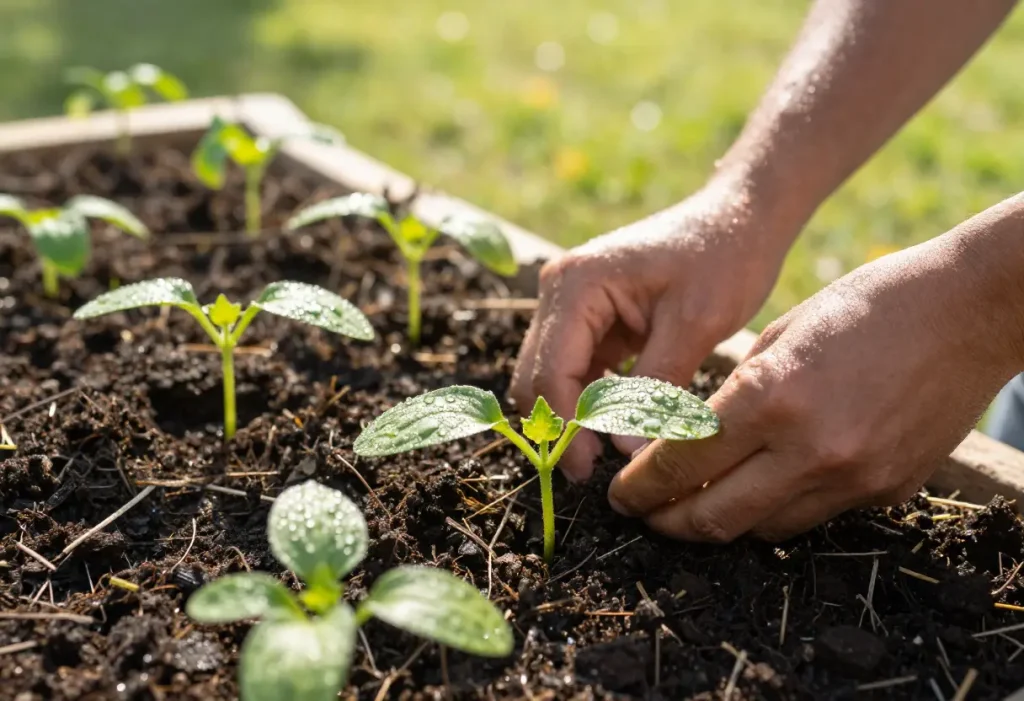
Florida's climate plays a big role in how cucumbers grow here. Warm temperatures and plenty of sunshine help cucumbers thrive. But understanding the details of Florida's weather is key to planting cucumbers at the right time.
The state has a unique climate that can affect cucumber growth in different ways. Knowing the ideal temperature, seasonal weather, and local microclimates will help gardeners get the best results.
Cucumbers grow best when temperatures stay between 70°F and 85°F. Too cold or too hot can slow growth or damage plants. Night temperatures below 60°F or above 90°F can stress cucumbers. Florida’s warm days often fit well into this range during spring and fall.
Florida has a wet season from June to September and a dry season from October to May. Heavy rains can cause problems like root rot or fungal diseases. The dry season is usually better for growing cucumbers. Planting in early spring or late summer helps avoid the hottest and wettest months.
Florida’s climate varies by region. Coastal areas tend to be warmer and more humid. Inland areas may have cooler nights and less humidity. South Florida stays warm longer, allowing a longer growing season. North Florida has cooler winters, so planting times differ. Knowing your local microclimate helps choose the best planting dates.
Choosing the right time to plant cucumbers in Florida is key for a healthy crop. Planting at the correct time helps cucumbers grow well and produce tasty fruits. Florida’s warm climate allows for more than one planting season. Knowing the best planting windows can lead to success in your garden.
Plant cucumbers in spring after the last frost date. In most parts of Florida, this is from mid-March to early April. Soil temperatures should be at least 70°F for seeds to sprout. Early spring planting gives cucumbers enough time to grow before the summer heat. Young plants prefer warm, but not hot, weather.
Fall is another good time to plant cucumbers. Start seeds in late August to early September. This window avoids the hottest months and still offers warm soil. Fall crops grow fast and produce before cold weather arrives. This timing helps avoid pests common in summer.
Frost can damage cucumber plants easily. Avoid planting too early in spring or too late in fall. Check local frost dates carefully. Cover plants if frost is forecasted to protect them. Waiting for frost-free weather ensures strong and healthy cucumbers.
Choosing the right cucumber varieties is key for a good harvest in Florida. Different types handle heat, pests, and uses differently. Picking the right kind helps you grow healthy plants and tasty cucumbers.
Florida’s warm climate needs cucumbers that can thrive under the sun. Disease resistance also matters because humid weather can cause problems. Finally, knowing what you want to do with cucumbers guides your choice of variety.
Florida’s heat can stress many cucumber plants. Heat-tolerant varieties keep growing even in hot weather. They produce more fruit and stay healthy longer. Varieties like 'Tropic Star' and 'Marketmore 76' do well in high temperatures.
Humidity in Florida can cause powdery mildew and other diseases. Disease-resistant cucumbers reduce the need for chemicals. Varieties such as 'County Fair' and 'Ashley' resist common cucumber diseases. This helps keep your garden strong and productive.
Cucumbers come in two main types: pickling and slicing. Pickling cucumbers are small and firm, great for jars. Slicing cucumbers are larger and tender, perfect for salads. Choose the type that fits your kitchen needs.
Preparing the soil is an important step for growing healthy cucumbers in Florida. Good soil helps plants get enough nutrients and water. It also makes roots strong and supports growth. Taking time to prepare the soil will improve your cucumber harvest.
Cucumbers grow best in sandy loam soil found in many parts of Florida. This soil type drains well and warms up quickly. The ideal soil pH for cucumbers is between 6.0 and 6.8. Testing soil pH helps you know if changes are needed. Adjust soil pH with lime to raise it or sulfur to lower it.
Add organic matter like compost or well-rotted manure to the soil. This improves soil fertility and texture. Mix amendments into the top 6 to 8 inches of soil. Nutrients from organic matter support strong cucumber plants. Avoid fresh manure because it can burn plants and cause disease.
Good drainage prevents water from pooling around cucumber roots. Waterlogged roots can rot and kill the plant. If soil drains poorly, create raised beds for cucumbers. Mulch helps keep soil moist and cool. Use straw or shredded leaves as mulch around plants. Mulching also reduces weeds that compete for nutrients.
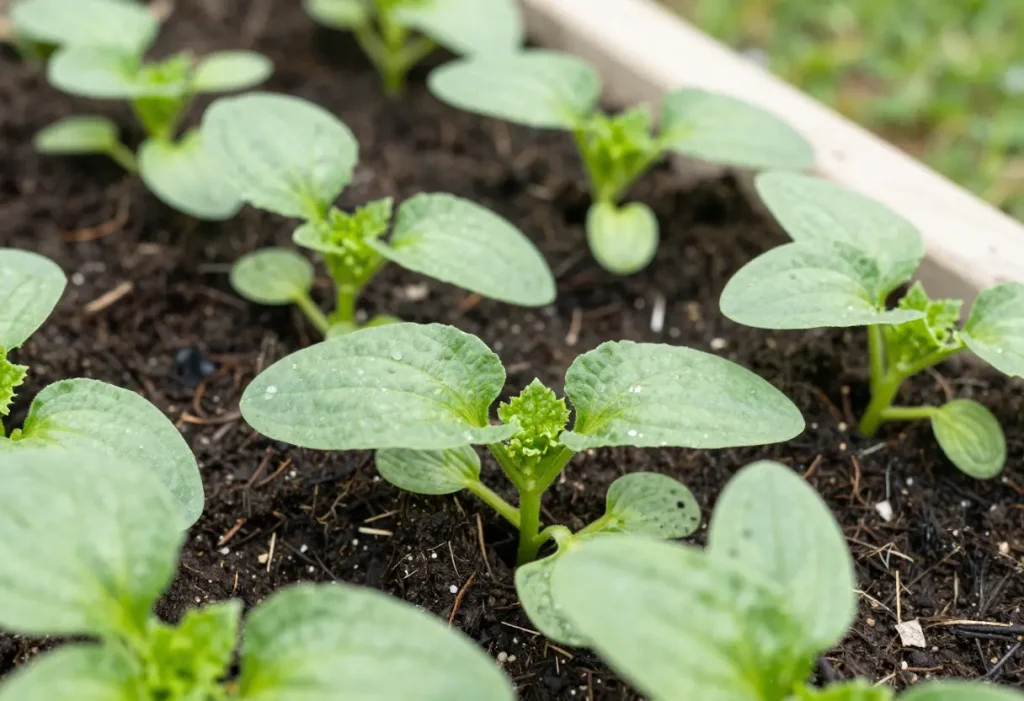
Choosing the right planting technique helps cucumbers grow strong and healthy in Florida. This step affects how well plants start and how much fruit they produce. Understanding the best ways to plant cucumbers can save time and improve your harvest.
Below are important tips on planting methods, spacing, and support for cucumber plants.
Direct seeding means planting cucumber seeds straight into the soil. This method is simple and uses less effort. It works well when the soil is warm and ready for growth.
Transplanting starts seeds indoors or in pots. Seedlings grow for a few weeks before moving outside. This method helps plants get a head start, especially in cooler weather.
Both methods have benefits. Choose based on your climate and garden setup.
Plant cucumber seeds about 1 inch deep in loose soil. This depth protects seeds while allowing easy sprouting.
Space seeds or seedlings 12 to 18 inches apart. Proper spacing gives plants room to grow and helps air flow. Good air circulation reduces disease risk.
Rows should be 3 to 6 feet apart. Wide rows make it easier to care for plants and harvest cucumbers.
Trellises lift cucumber vines off the ground. This saves space and keeps fruits clean.
Vines climb the trellis, making harvesting easier. Trellises also improve air flow around plants.
Use strong, tall supports to hold growing vines. Secure vines gently as they climb to avoid damage.
Watering and fertilizing are key to growing healthy cucumbers in Florida. Proper water and nutrients help plants produce crisp, tasty fruits. Too little or too much water can hurt growth. The right fertilizer supports strong vines and abundant harvests. Understanding how to water and feed your cucumber plants improves your garden’s success.
Cucumbers need consistent moisture for good growth. Water deeply once or twice a week. Avoid shallow watering that dries out quickly. Morning watering reduces leaf diseases. Use drip irrigation or soaker hoses to keep leaves dry. Mulch around plants to keep soil moist longer.
Cucumbers need nitrogen, phosphorus, and potassium. Nitrogen helps leaves grow green and strong. Phosphorus supports root development and fruiting. Potassium improves overall plant health and taste. Test soil before planting to know nutrient levels. Fertilize regularly but avoid overfeeding, which can harm plants.
Organic fertilizers release nutrients slowly and improve soil. They include compost, manure, and bone meal. Synthetic fertilizers provide quick nutrients for fast growth. They are easy to apply but can build up salts in soil. Choose based on your gardening style and soil needs. Both types can work well with proper use.
Managing pests and diseases is key to growing healthy cucumbers in Florida. The warm climate can attract many harmful insects and fungi. These problems can reduce your crop yield and quality. Early care helps keep your plants strong and productive.
Cucumber beetles are a major threat. They chew leaves and spread diseases. Aphids suck plant juices and cause leaves to curl. Spider mites make tiny webs and leave spots on leaves. Whiteflies feed on plant sap and weaken cucumbers. These pests can quickly damage your plants.
Choose disease-resistant cucumber varieties. Plant in well-drained soil to avoid root rot. Space plants properly for good air flow. Remove weeds and plant debris to reduce hiding spots. Water at the base, not on leaves, to prevent fungal growth. Regularly inspect plants for early pest signs.
Use insecticidal soap or neem oil to control pests naturally. Encourage beneficial insects like ladybugs and lacewings. They eat harmful pests and keep balance. For severe infestations, apply approved chemical insecticides carefully. Follow label instructions for safe use. Rotate treatments to avoid pest resistance.
Harvesting cucumbers at the right time ensures the best taste and texture. Picking cucumbers too early or too late can affect their quality. Knowing when and how to harvest helps keep your plants healthy and productive. Follow these tips to enjoy fresh cucumbers from your Florida garden.
Cucumbers are ready to pick when they are firm and green. The skin should be smooth without yellow spots. Size matters; most types are best at 6 to 8 inches long. Check regularly to avoid overripe fruits, which become bitter and tough.
Harvest cucumbers in the morning for the freshest taste. Cooler temperatures keep them crisp and juicy. Pick cucumbers every two to three days during peak season. Frequent harvesting encourages the plant to produce more fruits.
Store cucumbers in the refrigerator to keep them fresh longer. Place them in a plastic bag or container with ventilation. Avoid storing near fruits like bananas or tomatoes; they release gases that spoil cucumbers faster. Use cucumbers within one week for the best quality.
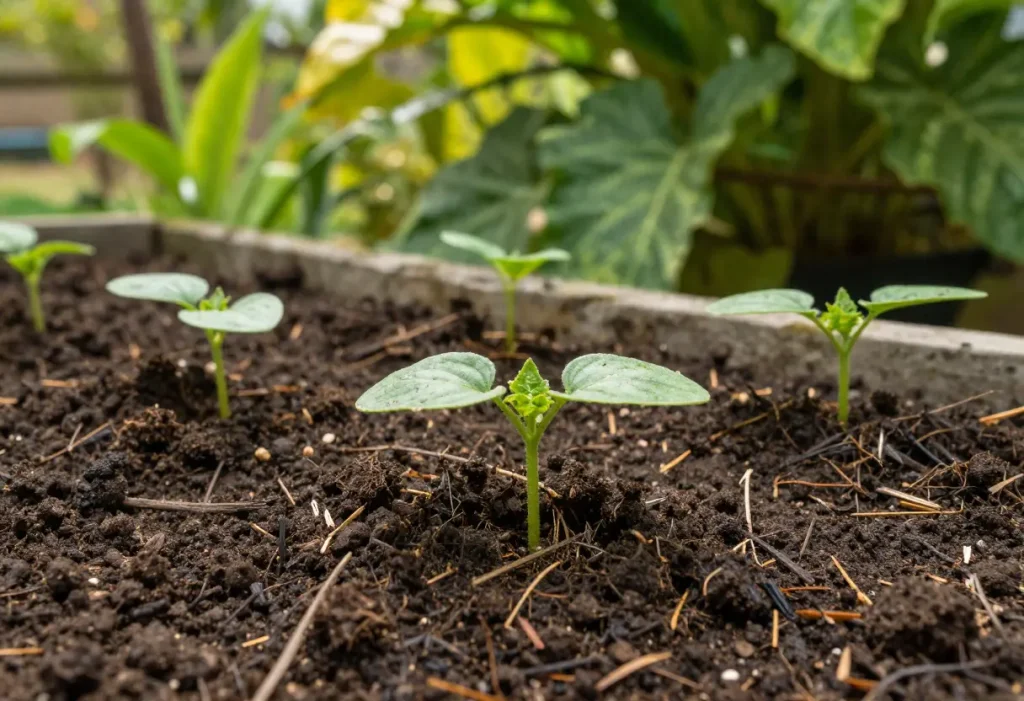
Growing cucumbers in Florida brings some challenges. Knowing how to spot problems early helps keep plants healthy. This section covers common issues and how to fix them.
Yellow leaves often mean nutrient problems. Lack of nitrogen causes pale, yellow leaves. Add a balanced fertilizer to help plants recover. Overwatering can also cause yellowing. Check soil moisture and water only when dry. Pests like spider mites can damage leaves. Inspect plants and use safe pest control methods.
Small or misshapen cucumbers show poor fruit growth. This happens when plants lack pollination. Bees and insects must visit flowers to spread pollen. Plant flowers nearby to attract pollinators. Too much nitrogen also harms fruit growth. Use fertilizer with balanced nutrients for best results.
Wilting leaves may signal root problems or disease. Overwatering causes roots to rot and plants to droop. Ensure soil drains well and water less often. Fungal diseases thrive in wet conditions. Remove infected plants and use fungicide if needed. Good air flow helps keep plants dry and healthy.
Plant cucumbers in Florida after the last frost date. Usually, this is from late February to April. Warm soil helps seeds grow fast and healthy.
Cucumbers can grow almost year-round in Florida’s warm climate. Avoid planting in the hottest summer months to prevent poor growth. Early spring and fall are ideal.
Florida’s warm and humid climate helps cucumbers grow quickly. But too much heat can cause flowers to drop. Plant during mild seasons for best results.
Cucumbers grow well when direct sown into the garden in Florida. Starting indoors is possible but not necessary. Warm soil outdoors speeds up germination.
Cucumbers prefer well-drained, sandy soil with organic matter in Florida. Soil should be warm, moist, and loose for roots to grow easily. Test soil pH for best results.
Plant cucumbers in Florida during warm months for best results. Start seeds after the last frost date for your area. Choose sunny spots with well-drained soil. Water regularly but avoid soaking the plants. Watch for pests and remove them quickly.
Healthy cucumbers grow faster and taste better. Enjoy fresh cucumbers from your garden all season long. Simple steps lead to a successful cucumber harvest. Happy planting!