Gardening Made Simple.
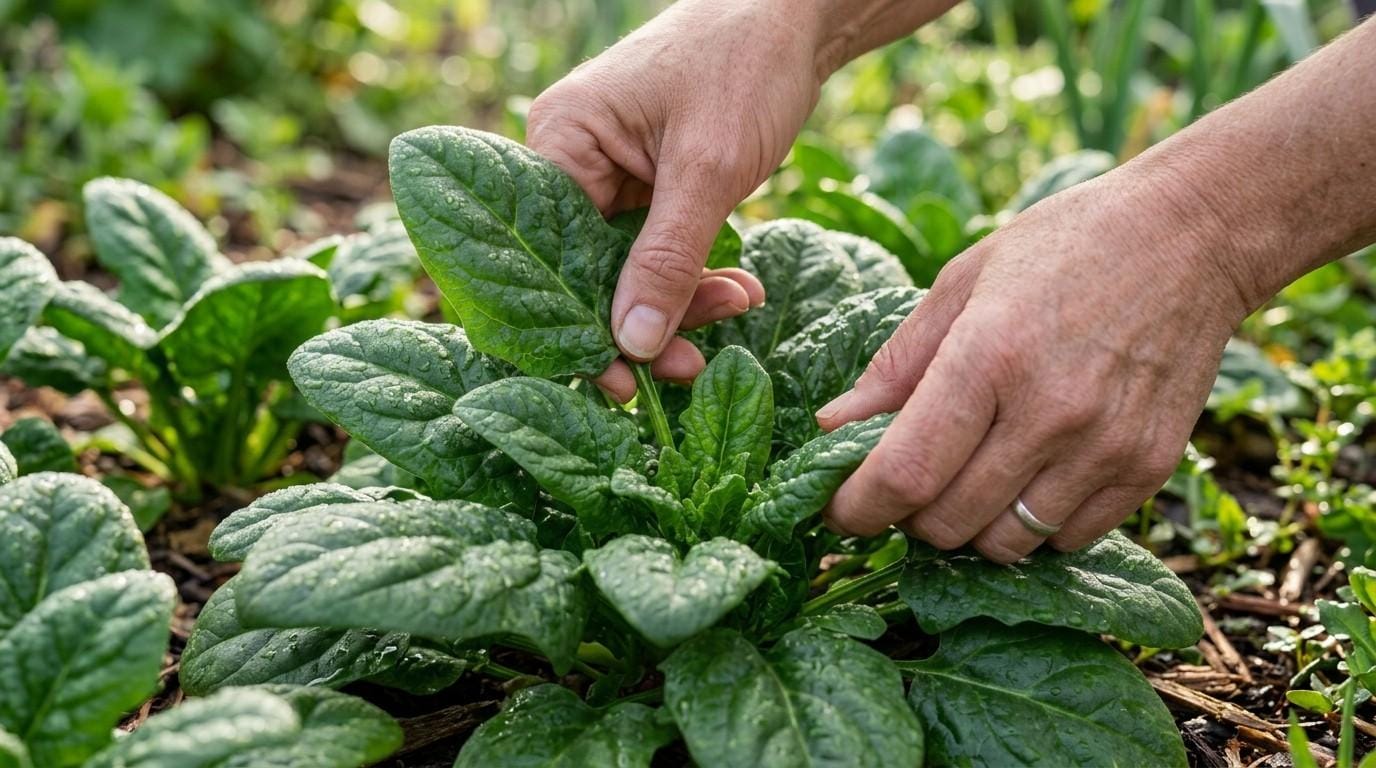
Are you ready to enjoy fresh, homegrown spinach right from your garden? Knowing how to harvest spinach properly can make all the difference in taste, nutrition, and how long your harvest lasts.
Whether you’re a beginner or have some gardening experience, this simple guide will show you exactly when and how to pick your spinach leaves for the best flavor and continuous growth. Keep reading to discover easy tips that will help you get the most out of your spinach plants every time.
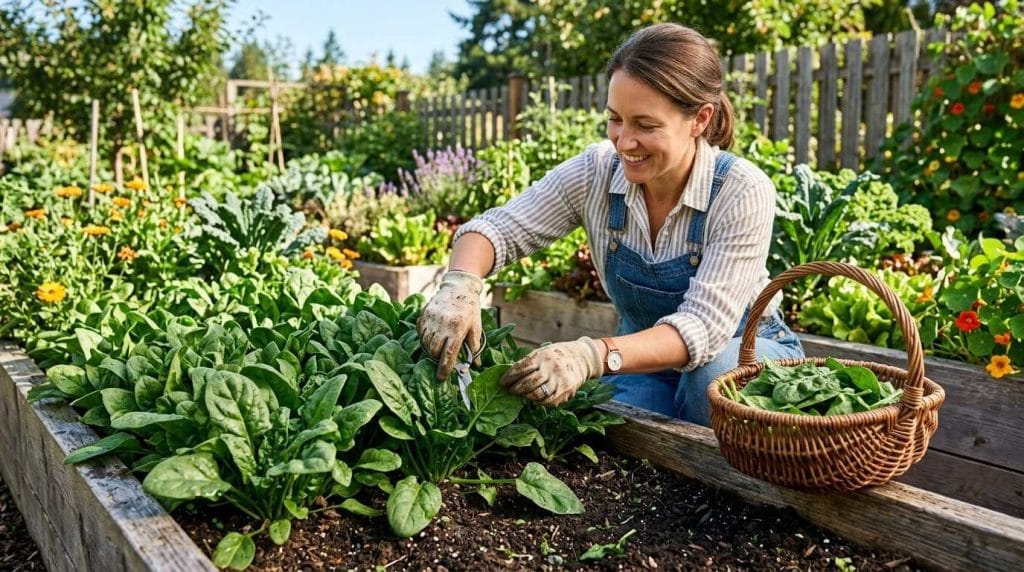
Choosing the right time to harvest spinach is key for fresh, tasty leaves. Picking too early or too late can affect flavor and texture. Understanding when spinach is at its best helps you enjoy every bite.
Spinach leaves are best harvested when they reach 3 to 4 inches long. At this size, leaves are tender and full of nutrients. Wait until the plants have at least 6 to 8 mature leaves. This gives the plant time to grow but keeps leaves from getting tough.
Harvesting young leaves encourages the plant to grow more. Cut the outer leaves first. Leave the inner leaves to keep growing. This method can extend your harvest over several weeks.
Spinach grows best in cool weather. It prefers temperatures between 50 and 60 degrees Fahrenheit. Harvest in early spring or fall for the sweetest leaves. Heat can cause spinach to bolt or turn bitter quickly.
Check your local climate to plan harvest times. In warmer areas, plant spinach early before summer heat arrives. In cooler areas, you can harvest later in spring or early summer. Adjust harvesting based on how fast your plants grow.
Preparing your tools is the first step to harvest spinach smoothly. Using the right tools helps you cut leaves cleanly and avoid damage. Clean tools keep your spinach fresh and reduce the risk of spreading diseases. Organizing tools before you start saves time and effort during harvest.
Sharp scissors or garden shears make cutting spinach leaves easy. A small knife can work well if you do not have scissors. Use a clean basket or container to collect the leaves. Avoid plastic bags; they can trap moisture and cause leaves to rot. Wear gloves to protect your hands from dirt and possible cuts.
Wash your scissors or knife with soap and water before use. Dry tools completely to prevent rust. After harvesting, clean tools again to remove sap and dirt. Regularly oil metal parts to keep them sharp and rust-free. Store tools in a dry place, away from sunlight and moisture.
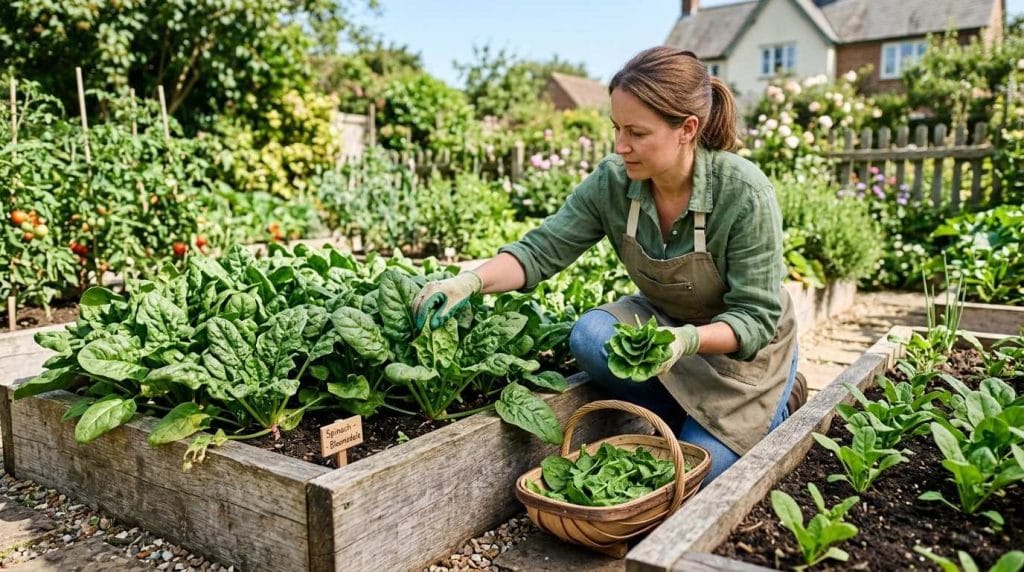
Harvesting spinach is simple and rewarding. Choosing the right technique helps keep your plants healthy and productive. Two common methods work well for different needs and garden sizes. Both ensure fresh, tasty leaves for your meals.
Cut the outer leaves about one inch above the base. Leave the center leaves intact for regrowth. This method allows spinach to grow back several times. Harvest every week or two for fresh leaves. Avoid cutting too close to the crown. This keeps the plant strong and growing.
Pull up the entire spinach plant from the soil. Best for mature plants or when space is limited. Harvest before the plant flowers for the best taste. Use this method to clear space for new seeds. Wash the whole plant before storing or cooking. This method gives a large batch all at once.
After harvesting spinach, proper handling keeps leaves fresh and tasty. Spinach is delicate and needs gentle care. Clean leaves well and store them right. This helps maintain flavor and nutrients.
Rinse spinach leaves in cold water to remove dirt. Use a large bowl or sink. Swish leaves gently to avoid bruising. Drain water and repeat if needed. Dry leaves using a salad spinner or pat with a towel. Remove any damaged or yellow leaves.
Store spinach in a cool, dry place like the refrigerator. Use a breathable container or a plastic bag with holes. Place a paper towel inside to absorb moisture. Keep leaves away from fruits that release gas. Fresh spinach lasts about 5 to 7 days this way.
Encouraging regrowth in spinach allows you to enjoy multiple harvests from the same plants. Proper care after picking leaves helps the plant stay healthy. It also promotes new leaf growth, which means more fresh spinach later. Follow these tips to keep your spinach thriving after the first harvest.
After harvesting, remove any dead or damaged leaves. This keeps the plant clean and reduces disease risk. Cut leaves carefully, leaving the center intact. Avoid cutting too close to the base. Place mulch around the plants to keep soil moist and cool. Mulch also stops weeds from growing near your spinach.
Spinach needs regular water to grow new leaves fast. Water the plants deeply but avoid soaking the soil. Too much water can cause root problems. Use a balanced fertilizer to feed your spinach every two weeks. Nitrogen-rich fertilizer helps leaves grow thick and green. Keep fertilizing light to avoid burning the roots or leaves.
Growing spinach can be easy, but some problems may arise. Knowing common issues helps you keep your plants healthy. This section covers two main problems and how to solve them. Follow these tips for better spinach harvests.
Spinach attracts pests like aphids and leaf miners. These bugs damage leaves and reduce growth. Check your plants often for signs of pests.
Use insecticidal soap or neem oil to control pests naturally. Spray early in the morning for best results. Remove heavily damaged leaves to stop pests from spreading. Encourage beneficial insects like ladybugs to keep pests low.
Bolting means the spinach starts to flower too soon. This makes leaves bitter and tough. Spinach bolts when it gets too hot or stressed.
Plant spinach early in cool weather for longer harvests. Water regularly to avoid dry soil. Mulch around plants to keep soil cool. Pick leaves often to delay flowering and encourage new growth.
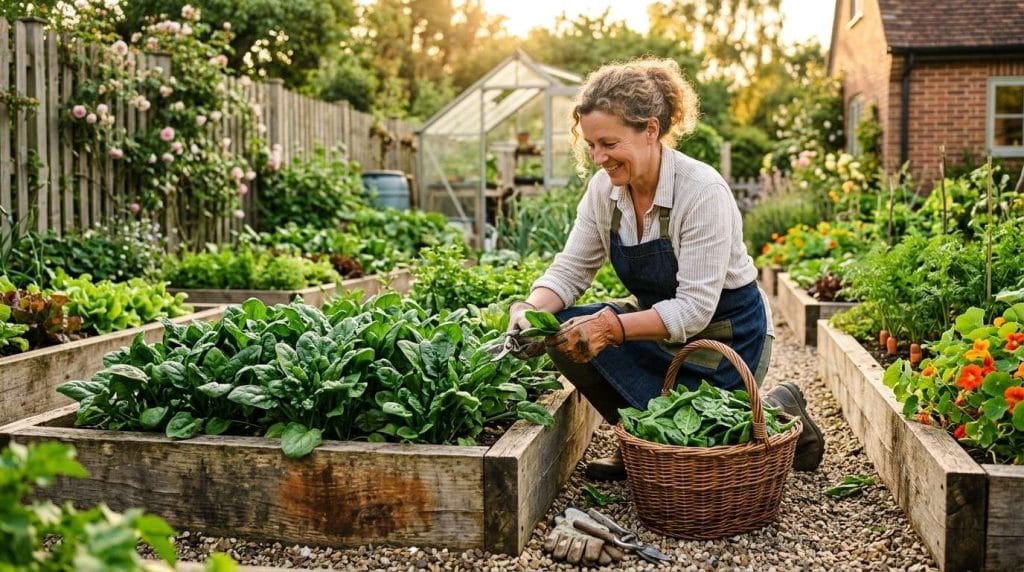
Spinach is ready when leaves are 3-4 inches long and dark green. Pick young leaves for best taste.
Use scissors or a sharp knife to cut leaves about 1 inch above the ground. This helps regrowth.
Yes, harvesting outer leaves allows inner leaves to keep growing for several pickings.
Harvest spinach in the morning when leaves are fresh and full of moisture.
Store spinach in a cool, dry place or refrigerator in a plastic bag with air holes.
Harvesting spinach is simple with the right steps. Pick leaves when they look fresh and green. Use scissors or hands to cut cleanly. Harvest regularly to encourage new growth. Avoid taking too many leaves at once. Store spinach in a cool, dry place.
Fresh spinach tastes best and keeps nutrients well. Growing your own spinach saves money and ensures quality. Try harvesting often to enjoy a steady supply. Gardening can be fun and rewarding. Keep practicing to improve your spinach harvest each time.