Gardening Made Simple.
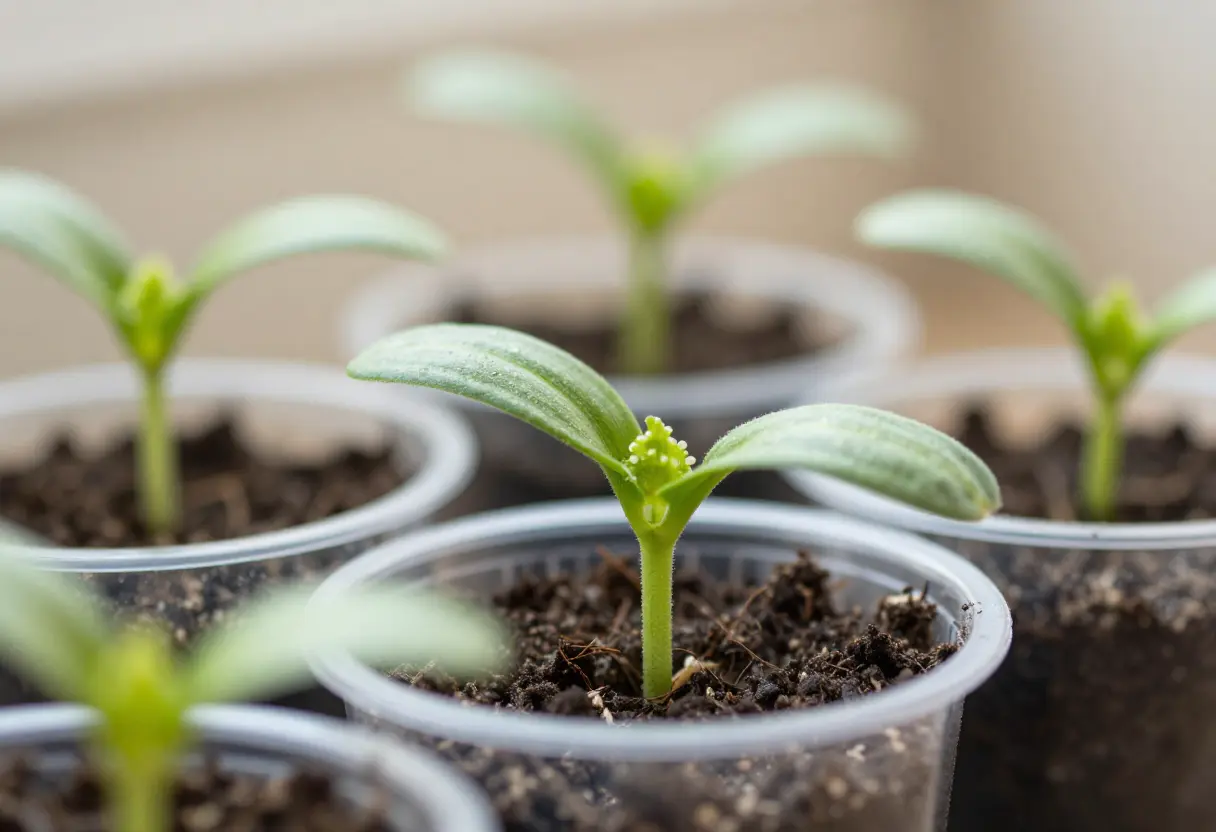
Are you excited to grow fresh, tasty zucchini in your garden this season? Knowing when to start zucchini seeds indoors can make all the difference, ensuring your seedlings get a strong start for a healthy, bountiful harvest.
If you start too early or too late, your plants might struggle or produce less. In this guide, you’ll discover the perfect timing to give your zucchini the best start. Keep reading to unlock the secrets that will help your zucchini thrive from seed to table!
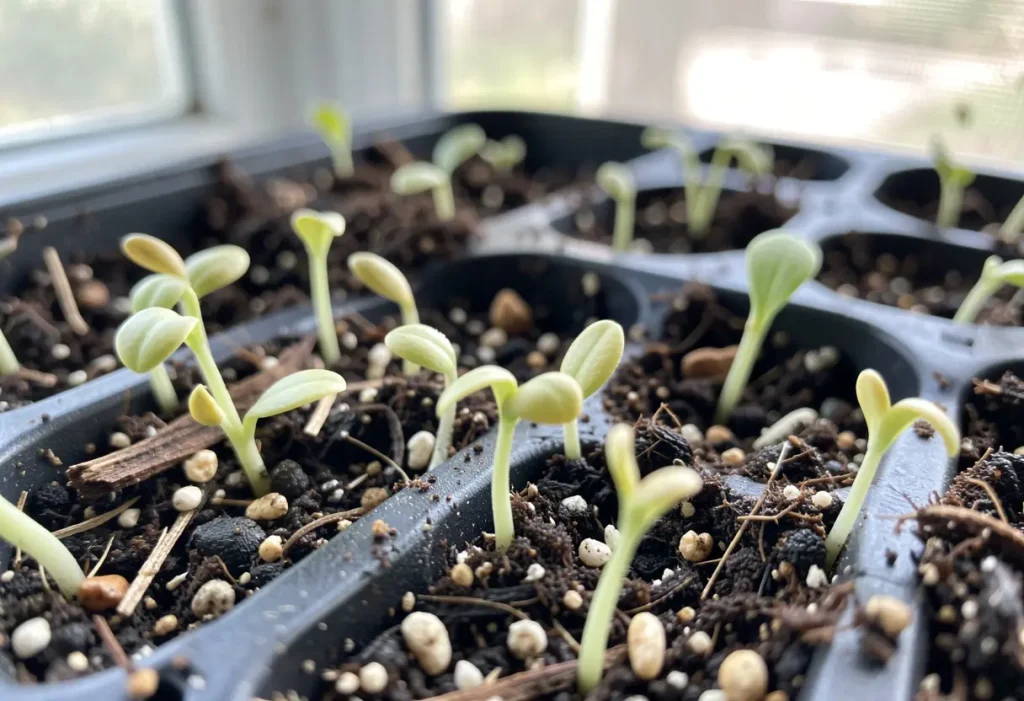
Choosing the right time to start zucchini seeds indoors is important for a healthy garden. Starting too early or too late affects plant growth and fruit production. Understanding the best timing helps you get strong seedlings ready for transplant.
Start zucchini seeds indoors about 3 to 4 weeks before the last frost date. This gives seedlings enough time to grow before moving outside. For most areas, this means planting seeds in early spring. Check your local frost dates to find the best window. Starting seeds too early can cause weak plants that struggle outdoors.
Temperature plays a big role in seed germination and growth. Zucchini seeds need warm soil and air to sprout well. Indoor heating can help keep seedlings warm. Light is also important. Seedlings need plenty of bright light to grow strong. Using grow lights can improve seedling health. Avoid overcrowding pots to reduce disease risk.
Warmer climates allow earlier planting indoors or even direct sowing outdoors. Cooler regions need more careful timing to avoid frost damage. Watch weather forecasts and local conditions closely. Adjust planting time based on how cold or warm your spring usually is. Protect seedlings from cold drafts and sudden temperature drops.
Starting zucchini seeds indoors requires good preparation. Seeds and soil must be ready for best growth. Healthy seeds and proper soil mix give young plants a strong start. This helps zucchini grow fast and healthy once moved outside.
Choose fresh seeds from a trusted source. Old seeds may not sprout well. Look for seeds with no cracks or damage. Pick varieties suited to your climate. Good seeds increase chances of strong plants.
Use a light, well-draining soil mix for planting. A mix of peat moss, perlite, and vermiculite works well. Avoid heavy garden soil that holds too much water. The soil should be loose to help roots grow easily.
Soak seeds in warm water for a few hours before planting. This softens the seed coat and speeds up germination. Some gardeners use a mild fertilizer solution to soak seeds. Keep treated seeds moist but not wet until planting.
Starting zucchini seeds indoors gives your plants a strong beginning. It helps them grow before the outdoor weather is ready. This way, you get a longer harvest and healthier plants.
Indoor planting needs some care and the right setup. Choosing the right container, planting seeds at the right depth, and proper watering are key steps. These steps help your zucchini grow strong and healthy.
Pick containers that are at least 3 to 4 inches deep. This gives roots enough space to grow. Use pots with drainage holes to avoid water buildup. Good airflow helps prevent mold and root rot.
Plastic or peat pots work well. They are light and easy to move. Make sure the container is clean before planting seeds. This reduces the chance of disease.
Plant zucchini seeds about 1 inch deep in the soil. This depth protects seeds and helps them sprout. Place one seed per container or cell to avoid crowding.
Keep some space between containers. This allows good air circulation and light for each plant. Crowding can cause weak growth and disease problems.
Water the soil gently after planting seeds. Keep the soil moist but not wet. Too much water can cause seeds to rot.
Check soil daily. Use a spray bottle for light watering. As seedlings grow, water more to keep soil slightly damp. Proper watering helps strong root development.
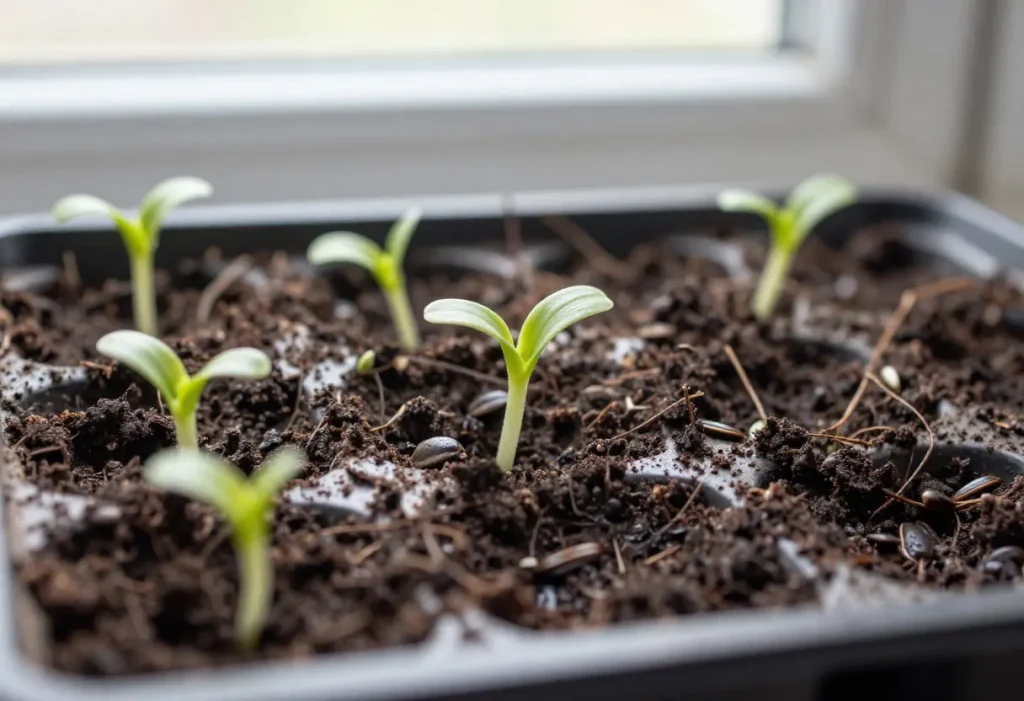
Creating the right environment helps zucchini seeds grow strong indoors. Seeds need the right light, warmth, and moisture to sprout well. Setting these conditions carefully leads to healthy seedlings ready for transplant.
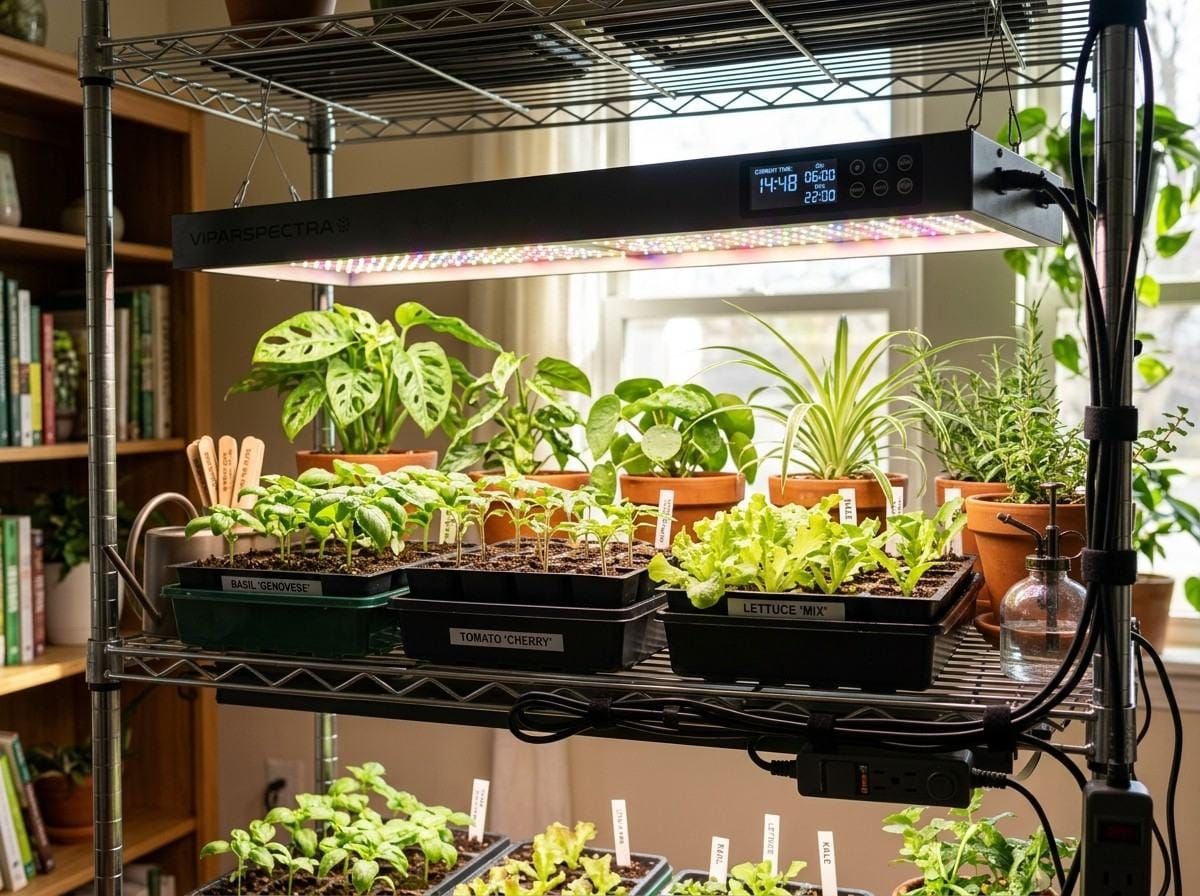
Zucchini seeds need bright light once they sprout. Place seed trays near a sunny window or use grow lights. Aim for 12 to 16 hours of light daily. Too little light makes seedlings weak and leggy.
Keep soil warm for zucchini seeds to germinate. Ideal soil temperature is 70 to 75°F (21 to 24°C). Use a heat mat if the room is cool. After sprouting, keep air temperature around 65 to 70°F (18 to 21°C).
Zucchini seeds need moderate humidity to stay moist. Cover seed trays with plastic wrap or a dome. Remove cover when seedlings appear to avoid mold. Maintain humidity around 50 to 70% for best growth.
Taking care of zucchini seedlings is key to growing strong plants. Seedlings need the right care to grow healthy and ready for the garden. Pay close attention to their needs from the start. Proper care helps prevent problems and supports good growth.
Thin seedlings when they grow their first true leaves. Remove weaker plants to give space to the strongest ones. Leave one seedling every 2 to 3 inches. This avoids crowding and helps roots spread well. Use small scissors to cut seedlings at soil level. Avoid pulling to prevent damage to nearby roots.
Feed seedlings with a mild fertilizer every 7 to 10 days. Use a balanced, water-soluble fertilizer diluted to half strength. Too much fertilizer can burn young roots. Healthy seedlings need nutrients for leaves and stems to grow strong. Stop fertilizing a week before transplanting to avoid shock.
Check seedlings daily for pests like aphids or fungus gnats. Remove any bugs by hand or spray with mild insecticidal soap. Keep soil moist but not wet to prevent mold and root rot. Good air circulation helps reduce disease risks. Use clean tools and pots to avoid spreading diseases.
Transplanting zucchini seedlings outdoors is a key step for a healthy garden. It allows young plants to grow stronger in natural conditions. Doing this carefully helps zucchini thrive and produce more fruit.
Seedlings need time to adjust before planting outside. This process makes them ready to face wind, sun, and cooler temperatures. Proper preparation of the garden bed ensures good soil and space for roots.
Using the right transplanting techniques reduces stress on plants. It helps seedlings settle well and grow fast in the garden.
Start hardening off seedlings about one week before transplanting. Move plants outside for a few hours each day. Increase time outdoors slowly, from two hours to all day.
Protect seedlings from strong sun and wind during the first days. Bring them indoors at night until they get used to outdoor conditions. This process strengthens leaves and stems.
Choose a sunny spot with well-drained soil for zucchini. Remove weeds and loosen the soil to a depth of 12 inches. Mix in compost or organic matter to improve soil fertility.
Space planting areas about 24 to 36 inches apart. This gives each plant room to grow wide and spread vines. Water the bed well before transplanting the seedlings.
Water seedlings before moving them to the garden bed. Gently remove each plant from its pot, holding the leaves. Avoid damaging roots during this step.
Dig holes slightly larger than seedling root balls. Place seedlings in holes and cover roots with soil. Press soil down lightly to remove air pockets.
Water seedlings immediately after planting. Keep soil moist but not soggy for the first week. Watch for signs of stress and protect seedlings if needed.
Starting zucchini seeds indoors can bring some challenges. These problems may stop your seedlings from growing well. Knowing common issues helps you fix them early. Your young plants will have a better start.
Leggy seedlings grow tall and thin. They look weak and may fall over. This happens when seedlings do not get enough light. Move your seedlings closer to a bright window. Use a grow light for 12 to 16 hours a day. Keep the light 2 to 3 inches above the plants. This helps seedlings grow strong and sturdy.
Poor germination means few seeds sprout. Old or dry seeds may not grow well. Use fresh seeds for better results. Plant seeds in warm soil around 70 to 75°F (21 to 24°C). Keep the soil moist but not wet. Cover seed trays with plastic wrap to keep humidity high. Check seeds daily to catch any problems early.
Zucchini seeds need stable warmth to grow. Cold drafts or hot sun can hurt seedlings. Keep seedlings in a warm spot, away from windows or vents. Use a heat mat if room temperature is low. Keep night temperatures above 60°F (16°C). Avoid sudden temperature changes for healthy growth.
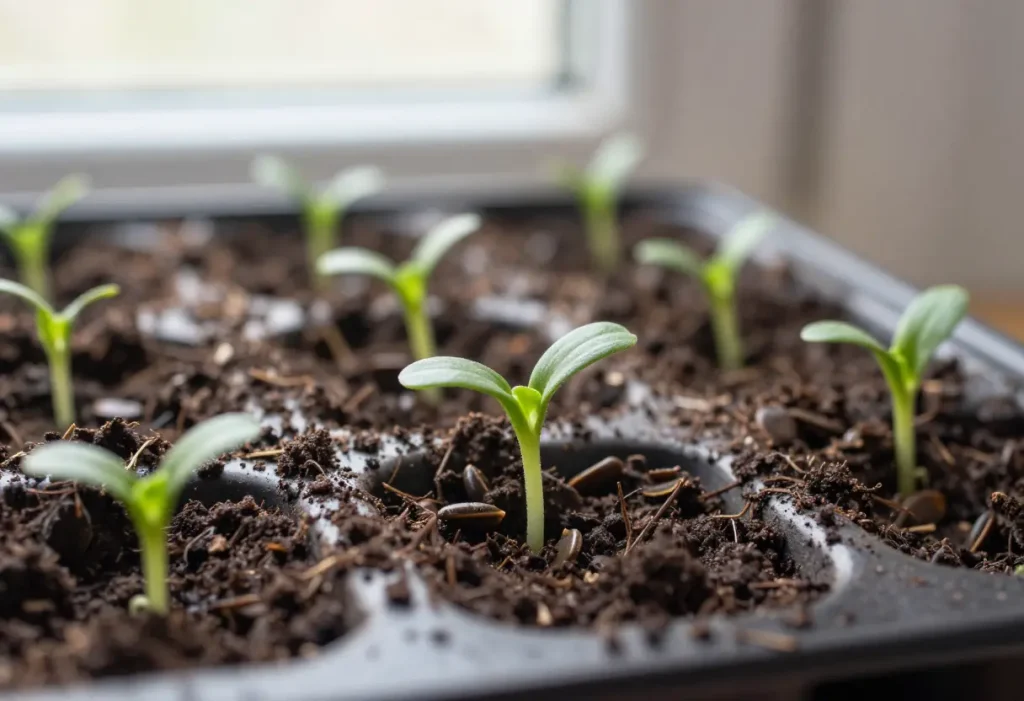
Start zucchini seeds indoors 3 to 4 weeks before the last frost date. This helps young plants grow strong before moving outside. Early starting gives a head start to the growing season.
Zucchini seeds usually germinate within 7 to 10 days indoors. Keep the soil warm and moist for best results. Consistent temperature speeds up sprouting.
The ideal temperature for zucchini seed germination is 70 to 75°F (21 to 24°C). Warmer soil helps seeds sprout faster and healthier. Avoid cold spots to prevent slow growth.
Plant zucchini seeds about 1 inch deep in seed-starting mix. This depth protects seeds while allowing sprouts to reach the surface. Too deep may delay or stop germination.
Move zucchini seedlings outdoors after the last frost and when plants have 2 to 3 true leaves. Harden them off by gradually exposing them to outdoor conditions. This prevents shock and supports strong growth.
Starting zucchini seeds indoors helps plants grow strong before spring. Begin seeds about 4 weeks before the last frost date in your area. Keep soil warm and moist for best results. Transplant seedlings carefully after the danger of frost passes.
This way, you enjoy fresh zucchini earlier in the season. Growing your own zucchini brings joy and fresh food to your table. Remember to watch the weather and timing closely. Happy gardening!