Gardening Made Simple.

Growing garlic can feel simple at first—just plant, water, and wait. But many gardeners struggle with one key question: when to stop watering garlic? This step is crucial. Watering at the wrong time can mean small bulbs, moldy heads, or even a ruined harvest. Knowing when to hold back water is the difference between strong, flavorful garlic and disappointment.
If you want bulbs that store well and taste great, you must understand how garlic grows, what signs to watch for, and how to change your watering as harvest gets close. This article explains everything you need to know in clear, simple language, whether you’re a backyard beginner or a garlic enthusiast aiming for your best crop yet.

To know when to stop watering garlic, it helps to understand how garlic grows. Garlic’s life cycle is divided into several stages, and each one has different water needs.
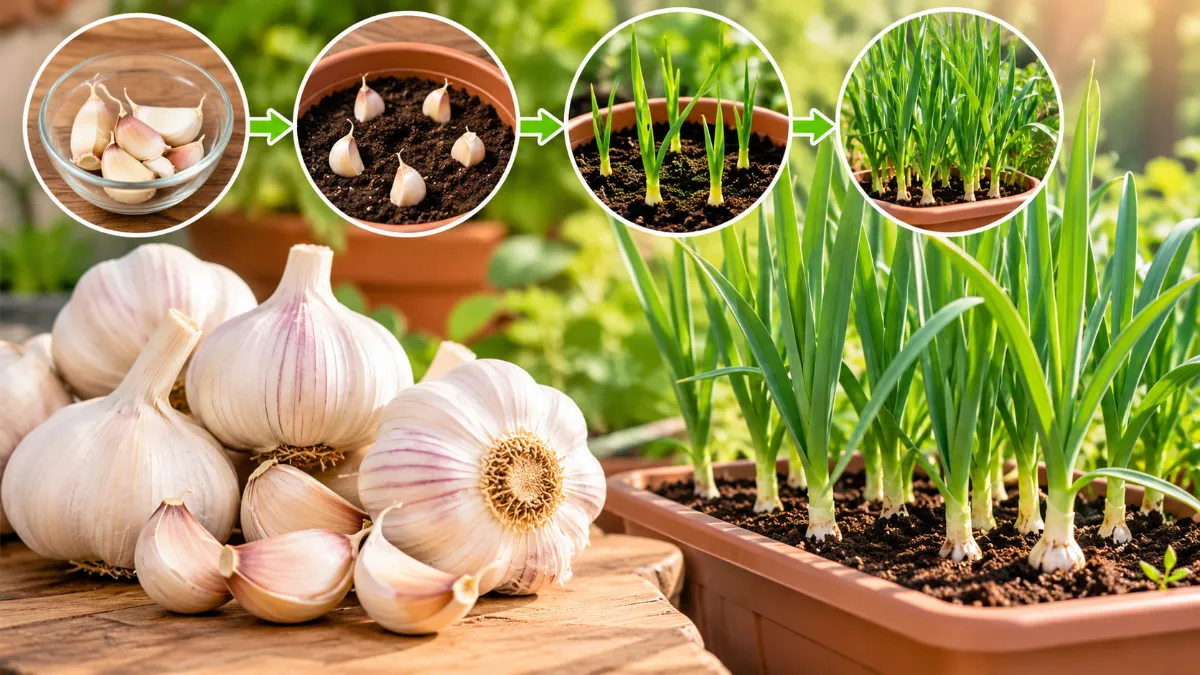
1. Germination and Early Growth
After planting, garlic cloves sprout roots and shoots. This is when garlic needs consistent moisture. Dry soil slows root development and weakens the plant.
2. Leaf Growth (Vegetative Stage)
During spring, garlic grows tall green leaves. The more leaves, the bigger the bulb. Water is very important at this stage. Too little water leads to small bulbs, while too much can cause root rot.
3. Bulb Formation
As days get longer and temperatures rise, garlic switches from growing leaves to making bulbs. This usually happens in late spring or early summer, depending on your climate. Steady watering is still needed, but not as much as before.
4. Bulb Maturation
This is the most important stage for watering. As the bulbs mature, their outer skins harden and the plant prepares for harvest. Here, reducing water is key to forming tight, dry skins and preventing diseases.
5. Harvest Readiness
When garlic is almost ready to harvest, the leaves begin to yellow and die back. At this point, watering should stop completely. This helps the garlic dry out and cure in the ground.
Let’s look at how these stages relate to watering in more detail.
Stopping watering at the right time is not just tradition—it’s based on science. Garlic bulbs are covered with thin, papery layers. If the soil stays wet as harvest approaches, these skins can become loose, making the garlic harder to store and more likely to rot.
Excess watering late in the season can cause:
Stopping water too early can cause:
A good harvest depends on finding the right balance. The goal is to let garlic finish growing, then dry down naturally in the soil.
Many gardeners ask for a specific date, but the right time depends on your location, weather, and garlic variety. Instead, watch for these key signs in your garlic patch:
When the bottom leaves turn brown and dry while upper leaves stay green, your garlic is nearing maturity. Usually, when one-third to one-half of the leaves have died back, it’s time to stop watering.
Gently dig up one or two plants to check bulb size. If the bulbs look well-formed and the skins are tight, you’re close.
Late spring and early summer often bring rain. If soil is still damp 1–2 inches down, you can stop irrigating. Dry weather may require watering a bit longer, but only until the plants start to dry back.
Most garlic varieties mature in about 90–120 days after planting. Check your seed packet for the expected days to harvest and adjust watering accordingly.
If you have a rainy spell as garlic matures, you may need to cover the plants or harvest a bit early. Too much rain can undo all your careful timing.
Garlic’s growth and harvest are tied to the local climate. Here’s how timing can change based on where you live:
| Region | Typical Planting | Stop Watering | Harvest Window |
|---|---|---|---|
| Pacific Northwest (USA) | October–November | Late June–Early July | Early–Mid July |
| Northeast (USA) | October | Late June | Early–Mid July |
| Southern USA | November–December | Late May–Early June | Early–Mid June |
| UK & Northern Europe | October–November | Early–Mid July | Mid–Late July |
| Mediterranean | November–December | Late May–June | June–Early July |
These are just guidelines. Always adjust for local weather and variety. Garlic matures fastest in warm, sunny climates and may take longer in cooler, cloudier regions.
Stopping watering is not always about “turning off the tap” overnight. It’s better to reduce watering gradually as the harvest date approaches.
Start to water less often. Let the top inch of soil dry out between waterings.
Only water if the weather is very hot and dry. Most years, you can stop all irrigation.
Stop all watering. Even if the leaves are still a little green, the garlic will finish drying in the soil.
Tip: If heavy rain is expected in the final two weeks, cover your garlic beds with a tarp or plastic sheet. This prevents the soil from becoming too wet.

Garlic’s watering schedule is unique compared to other garden vegetables. For example, onions and potatoes both need regular moisture until just before harvest, but their timing is a bit different.
Here’s a simple comparison:
| Crop | Stop Watering | Why |
|---|---|---|
| Garlic | 2 weeks before harvest | Helps skins dry and prevents rot |
| Onions | When tops begin to fall | Promotes bulb curing |
| Potatoes | 1–2 weeks before digging | Prevents skin damage at harvest |
| Carrots | Keep moist until harvest | Prevents cracking and bitterness |
Garlic needs less water as it matures. Other crops like carrots prefer steady moisture until the end.
Even experienced gardeners can make mistakes with garlic watering. Here are common problems and how to avoid them:
1. Watering on a Schedule, Not by Soil Condition
It’s tempting to water every few days by the calendar. But weather changes. Always check the soil before watering.
2. Overwatering in Late Season
Garlic roots are shallow. If you keep watering when the leaves die back, bulbs can rot quickly.
3. Underwatering During Bulb Formation
Some gardeners reduce water too soon. Garlic needs moisture when bulbs are swelling in late spring.
4. Ignoring Rainfall
Natural rain counts as watering. If there’s a wet spell, skip extra irrigation.
5. Not Adjusting for Mulch
Mulch keeps soil moist longer. If you use straw or leaves, you may need to water less often as harvest approaches.
Practical Tip: Stick your finger in the soil. If it feels dry an inch down, it’s time to water—unless you’re within two weeks of harvest.
You don’t need fancy equipment, but a few tools can help you water garlic correctly:
Some gardeners use drip irrigation. This can be helpful, especially in dry regions, but remember to turn it off at the right time.
Stopping Too Early:
If you stop watering while garlic is still growing, you may get small bulbs. The plants can’t take up enough nutrients, and the skins may be tough.
Stopping Too Late:
If you keep watering after the leaves have died back, the bulbs may rot in the ground. You might see mold, soft spots, or garlic that doesn’t store well. Sometimes, the cloves may even start to sprout again.
Best Practice:
Let the lower leaves die, reduce water gradually, and stop completely about two weeks before you expect to harvest.
Gardeners around the world share similar experiences with garlic. Here are a few real-world examples:
“It rains a lot in June here. I cover my garlic beds with plastic for the last two weeks. The bulbs store much longer when I keep them dry. ”
“I plant in December and stop watering by late May. The leaves yellow quickly in our heat, and I dig up big, firm bulbs. ”
“In our wet summers, I sometimes pull garlic early to avoid rot. I check the lower leaves and stop watering as soon as they start to yellow. ”
These stories show that weather and location make a difference, but the basic rules are the same: watch the leaves, check the soil, and don’t rely on the calendar alone.
Stopping watering is only the first step to long-lasting garlic. After you pull the bulbs, you need to cure them. Curing means letting the bulbs dry in a warm, airy place for 2–3 weeks. This hardens the skins and gets rid of excess moisture.
How to Cure Garlic:
Well-cured garlic can last 6–9 months in storage.
Here’s a quick reference table for common signs:
| Sign | What It Means | Action |
|---|---|---|
| Lower leaves yellow and dry | Bulbs maturing | Begin reducing water |
| One-half leaves dead | Harvest soon | Stop watering completely |
| Soil stays wet after rain | Risk of rot | Cover beds or harvest early |
| Bulbs feel firm, skins tight | Ready for harvest | Do not water |
Use these signs with your own observations for best results.
Many resources give basic advice, but here are two insights most beginners miss:
1. The Last Watering Is the Most Important
The final time you water before stopping can set the stage for how well your garlic cures. If you water deeply and then stop, the bulbs will dry evenly. A shallow, light watering does not help—make sure the soil is moist, then let it dry out completely.
2. Watch for Flower Stalks (“Scapes”)
Hardneck garlic types send up a flower stalk before harvest. When you see scapes, it’s a signal that bulb growth is nearly finished. Cut off the scapes to focus energy on the bulb, and start thinking about reducing water soon after.
Well-timed watering and proper curing help garlic last longer in storage. Here’s what to do next:
With these steps, your garlic can last through the winter and into the next planting season.

If your garlic bulbs are small or the skins are very tough, you may have stopped watering too early. Garlic needs moisture until the lower leaves start to die. If you see drying leaves but no bulb formation, water a bit longer and check again in a week.
If a heat wave hits and the soil is bone dry, a light watering can help prevent stress. But avoid soaking the soil. Only water if leaves are still green and it’s more than a week before harvest.
Heavy rain after you stop watering can cause rot or split bulbs, especially if the soil does not drain well. If rain is forecast, cover your garlic beds or harvest a bit early to protect your crop.
Yes, mulch helps keep soil moisture even and prevents the surface from drying out too fast. But as harvest nears, pull mulch back slightly to help the soil dry faster and reduce the risk of rot.
You can learn more about garlic growing and care at the University of Minnesota Extension, which offers detailed guides and resources.
Growing garlic is both an art and a science. By paying attention to your plants, adjusting for your local weather, and following these tips, you’ll know exactly when to stop watering garlic—and enjoy a harvest of healthy, flavorful bulbs that last.