Gardening Made Simple.

Are you wondering When to Transplant Zucchini Seedlings for the best results? Getting the timing right can make all the difference, helping your plants grow strong, healthy, and ready for a productive harvest.
If you move your seedlings too early or too late, you might face stunted growth or weak plants. You’ll discover the key signs to watch for and simple tips to help your zucchini thrive in its new home. Keep reading, and you’ll learn exactly how to give your garden the best start possible.
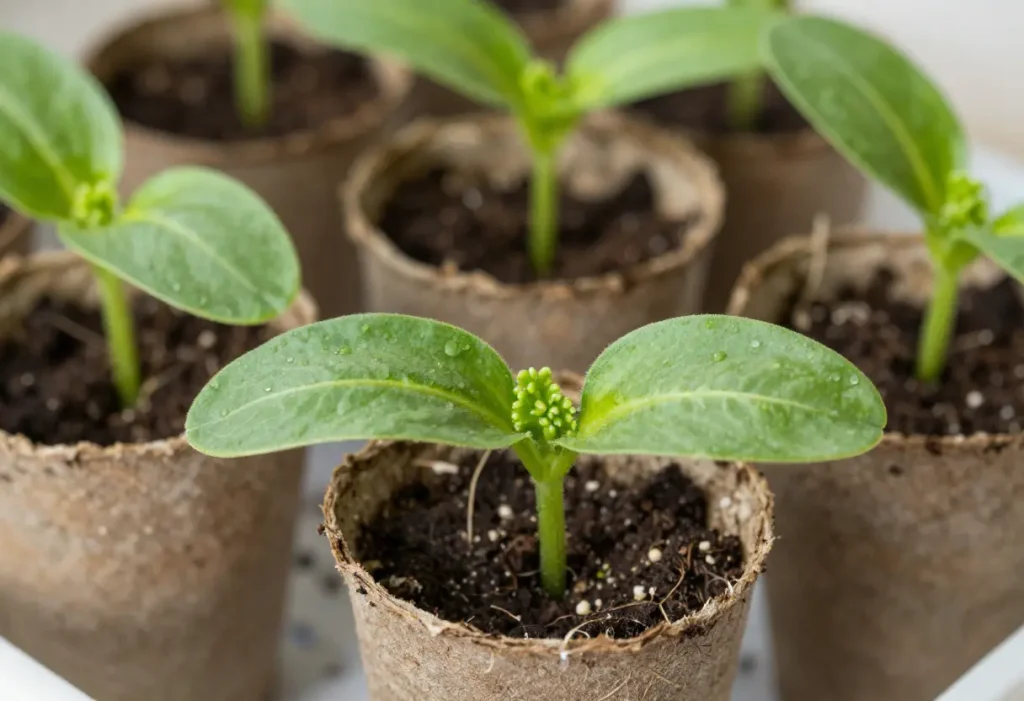
Knowing the right time to transplant zucchini seedlings helps them grow strong. Seedlings need to be healthy and ready before moving to the garden. Transplanting too early can harm the young plants. Waiting too long can cause the plants to become root-bound. Watch for signs that show the seedlings are ready to move.
Focus on the seedling size and the number of true leaves. These factors tell you if the plant can handle the change. A good transplant sets the plant up for a good harvest later.
Seedlings should be about 3 to 4 inches tall. This size shows the plant has grown enough roots. Small seedlings may struggle to survive after transplanting. Bigger seedlings handle the outdoor conditions better. Aim for sturdy stems that stand upright. This size means the plant can support itself well.
True leaves come after the first small seed leaves. The seedling should have at least two or three true leaves. True leaves show the plant is maturing. They help the plant make more food through photosynthesis. More true leaves mean the plant is ready to grow in soil. Check leaves for healthy green color and no damage.
Transplanting zucchini seedlings at the right time helps plants grow strong. Soil and weather conditions play a big role in this process. Knowing the right soil temperature, frost dates, and weather stability ensures healthy plant growth. These factors reduce transplant shock and improve survival rates.
Zucchini seedlings need warm soil to thrive. The soil should be at least 60°F (15°C) before transplanting. Cold soil slows root growth and can stress the plants. Use a soil thermometer to check the temperature. Warm soil helps seedlings establish quickly and grow well.
Frost can kill young zucchini plants. Avoid transplanting before the last frost date in your area. This date marks the end of dangerous cold weather. Check local frost calendars for accurate timing. Waiting until after frost protects seedlings and boosts their chances to grow strong.
Choose a time when the weather is steady. Avoid transplanting before heavy rain or strong winds. Sudden weather changes can shock seedlings and damage them. Calm, mild days give seedlings the best chance to adjust. Stable weather supports healthy growth and reduces stress.
Preparing zucchini seedlings for transplant is a key step for healthy plants. Seedlings need time to adjust before moving to the garden. This helps them grow strong and survive better outside. Proper preparation improves their chance to thrive and produce good fruit.
Hardening off means slowly exposing seedlings to outdoor conditions. Start by placing seedlings outside in a shaded spot for a few hours. Increase the time outside each day over one week. Avoid direct sun at first to prevent leaf burn. Watch for wind and cold, bringing seedlings indoors if needed. This process helps seedlings build strength and resist stress.
Water seedlings carefully during preparation. Keep soil moist but not soggy. Water early in the morning to avoid damp leaves overnight. Use a gentle spray or watering can to protect roots. Overwatering can cause root rot and weak plants. Underwatering can dry out seedlings and slow growth. Balanced watering supports healthy roots and sturdy stems.
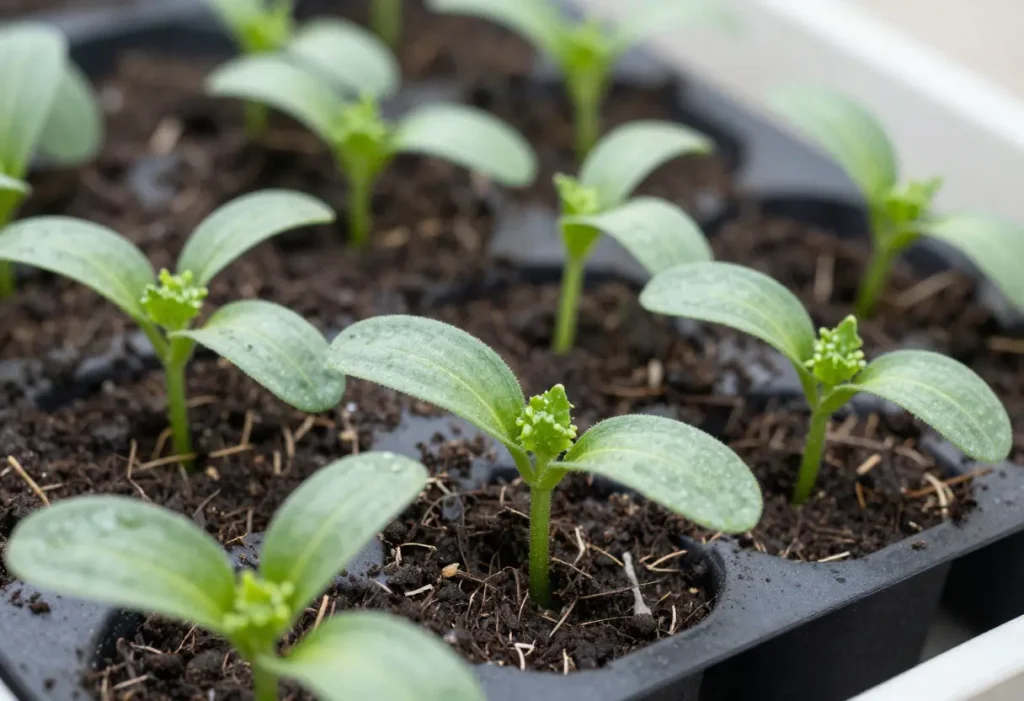
Knowing when zucchini seedlings are ready to transplant helps them grow strong. Healthy seedlings adjust better to outdoor conditions. Watch for clear signs that show they can handle the move.
Strong roots hold the plant in place and absorb water well. Check if roots fill the pot without circling tightly. White, thick roots indicate good health. Avoid seedlings with thin or brown roots.
The stem supports the plant as it grows taller. It should be thick and firm, not thin or floppy. Gently touch the stem to see if it feels sturdy. Weak stems may snap during transplanting or outside.
Transplanting zucchini seedlings is a key step in growing healthy plants. Many gardeners make mistakes that harm seedlings or slow growth. Knowing common mistakes helps you avoid problems and grow strong zucchini plants.
Moving seedlings outside before they are ready can cause shock. Young plants may not handle cold nights or strong sun. Wait until seedlings have 2-3 true leaves and soil warms above 60°F. Transplanting too soon often leads to weak plants and slow growth.
Ignoring weather changes risks seedling damage. Cold snaps or heavy rain can harm young zucchini plants. Check the forecast before transplanting. Choose a calm, warm day with no frost expected. Protect seedlings if sudden cold weather appears after transplanting.
After transplanting zucchini seedlings, proper care helps plants grow strong. Seedlings face stress from moving to new soil. Good care reduces shock and supports healthy roots. Watch plants closely during the first weeks. Small actions make a big difference in growth and yield.
Water zucchini seedlings immediately after transplanting. Keep soil moist but not soggy. Water deeply to encourage strong roots. Water once or twice a week depending on weather. Avoid watering leaves to prevent disease. Morning watering helps plants absorb water well. Adjust watering during hot or dry days.
Mulch around seedlings to keep soil moist longer. Mulch reduces weeds that compete for nutrients. It also keeps soil temperature steady. Organic mulches like straw or leaves work best. Mulching protects roots from extreme heat or cold. Replace mulch if it breaks down or moves away. Mulch saves water and helps plants grow better.
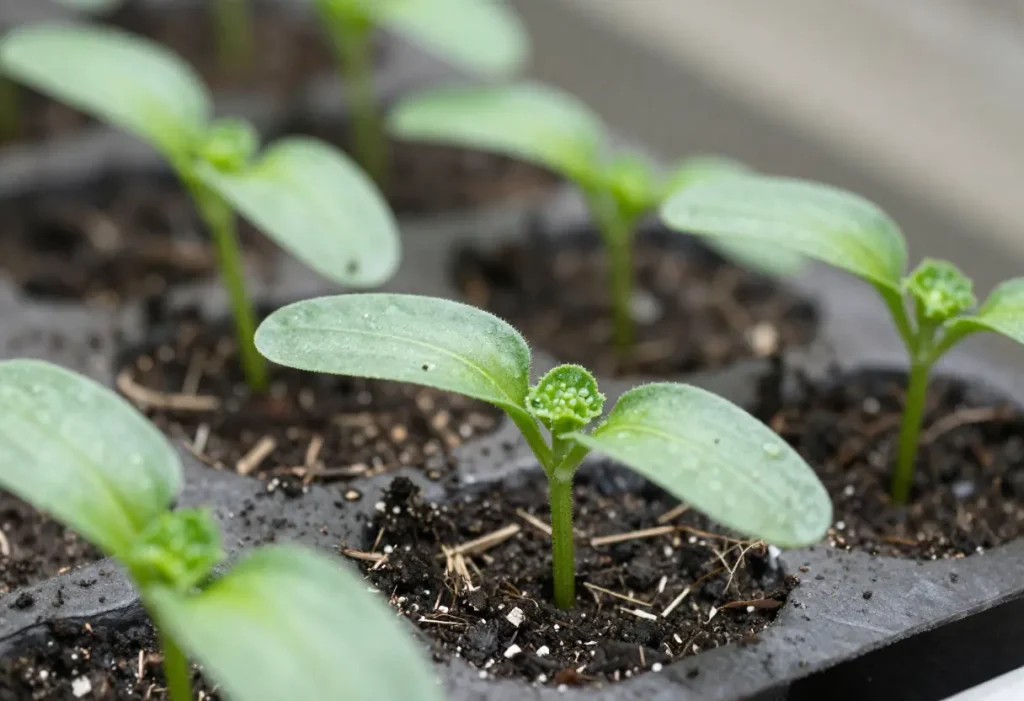
Zucchini seedlings are ready to transplant when they are 3 to 4 weeks old. They should have at least two sets of true leaves. This age helps them grow strong roots.
Transplant zucchini when the weather is warm and frost-free. Daytime temperatures around 70°F (21°C) and nighttime above 50°F (10°C) are ideal. Cold weather can harm young plants.
Seedlings are ready when they look sturdy and have several true leaves. Their stems should be thick, not thin or weak. Small roots visible in the pot’s drainage holes also help.
Plant zucchini seedlings deep enough to cover the root ball fully. You can plant them slightly deeper than in their pots. This helps the plants stand firm and grow well.
Zucchini plants usually start growing actively within a week after transplanting. New leaves and shoots appear as the roots settle in. Proper watering helps speed up growth.
Transplant zucchini seedlings after they grow two to three true leaves. Choose a warm day to move them outside. Plant seedlings carefully to avoid root damage. Give them plenty of space to grow strong. Water them well after transplanting to help settle soil.
Watch for pests and diseases as they grow. Healthy seedlings become healthy zucchini plants. Transplanting at the right time helps your garden thrive. Keep checking soil moisture and sunlight daily. Small steps lead to a big harvest.