Gardening Made Simple.
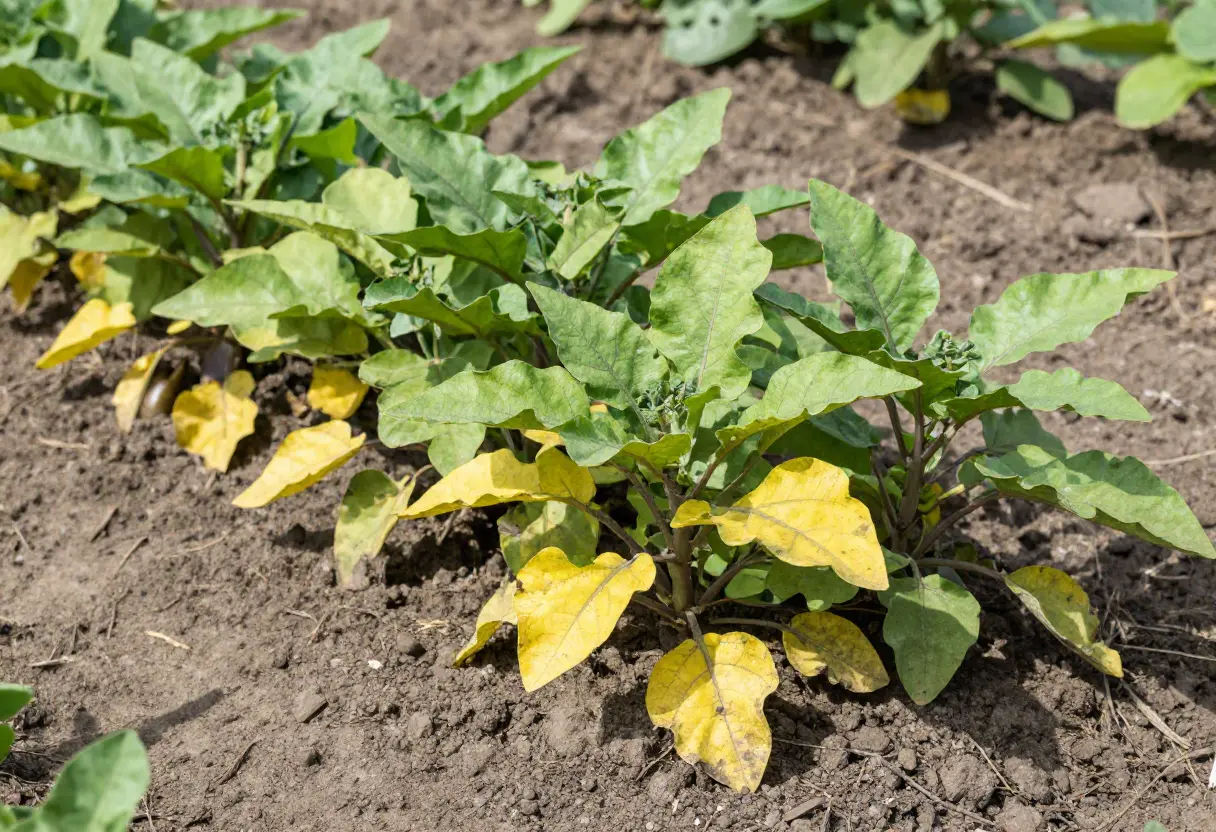
Are you noticing yellow leaves creeping onto your eggplant? Why Are My Eggplant Leaves Turning Yellow is a common question gardeners ask when their healthy plants start to lose color.
Yellow leaves can signal several issues, from simple nutrient problems to pests or watering mistakes. But don’t worry—understanding why this happens is the first step to saving your eggplants and helping them thrive. Keep reading to discover the common causes and easy fixes that will bring your plants back to vibrant green.
Your garden deserves it!
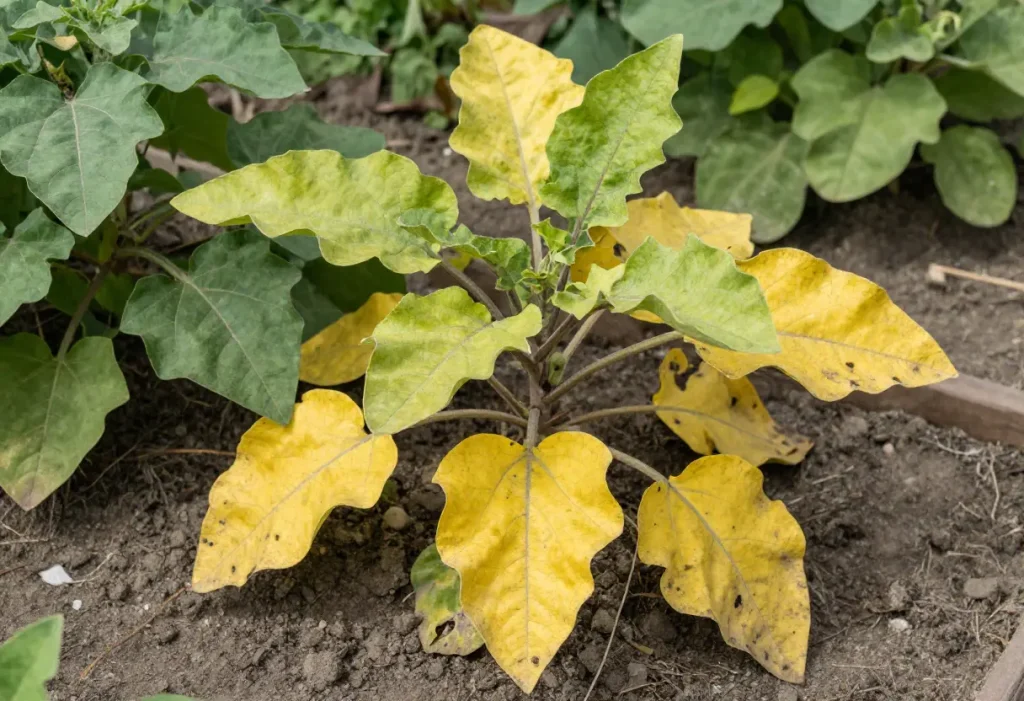
Yellow leaves on eggplants signal stress or problems with the plant. Understanding common causes helps fix the issue fast. Many factors can turn the leaves yellow. Knowing these helps save your plant and improve growth.
Lack of nutrients often causes yellow leaves. Nitrogen is crucial for green, healthy leaves. Without enough nitrogen, leaves turn pale or yellow. Magnesium and iron shortages also cause yellowing. These minerals help leaf color and function. Using balanced fertilizer supports plant health.
Both too much and too little water harm eggplants. Overwatering causes roots to rot and leaves to yellow. Underwatering leads to dry, stressed plants with yellow leaves. Keep soil moist but not soggy. Check soil before watering to avoid problems.
Pests like aphids and spider mites suck plant juices. This weakens eggplants and turns leaves yellow. Diseases such as fungal infections cause yellow spots and leaf damage. Inspect plants often for pests or disease signs. Early action helps protect your eggplants.
Yellowing leaves on eggplants often point to nutrient problems in the soil. Plants need the right nutrients to stay green and healthy. Without enough nutrients, leaves turn yellow and plants grow weak. Understanding which nutrient is missing helps fix the issue quickly.
Nitrogen is key for leaf growth and color. A lack of nitrogen makes older leaves turn yellow first. The yellow spreads from the leaf tips to the center. Plants may look pale and stop growing well. Adding nitrogen-rich fertilizer can bring back the green color fast.
Magnesium helps plants make chlorophyll, the green pigment. Without magnesium, leaves turn yellow between the veins but veins stay green. This pattern is a clear sign of magnesium shortage. Older leaves show symptoms first. Epsom salt in water is a simple way to add magnesium to soil.
Iron is important for new leaves to stay green. Iron deficiency causes young leaves to turn yellow while veins remain green. This is called chlorosis. The plant may look weak and stop growing well. Using iron chelate or adding compost can improve iron levels in soil.
Watering is a key part of growing healthy eggplants. Too much or too little water causes yellow leaves. Watering problems often hide below the soil surface. Understanding these issues helps you save your plant early.
Overwatering drowns eggplant roots. Roots cannot get oxygen and start to rot. Yellow leaves appear as the plant struggles to breathe. The soil stays wet for too long. This condition invites harmful fungi and bacteria. Leaves may also look wilted despite wet soil.
Underwatering leaves eggplant thirsty. Roots dry out and cannot supply water. Leaves turn yellow and become crispy at edges. The plant stops growing and looks weak. Dry soil pulls nutrients away from roots. This stress causes the plant to lose color.
Poor soil drainage traps water around roots. Waterlogged soil prevents proper oxygen flow. This mimics overwatering and causes root rot. Yellow leaves signal that roots suffer from lack of air. Using heavy or compacted soil worsens the problem. Improving drainage helps roots stay healthy and leaves stay green.
Yellow leaves on eggplants often signal pest problems. Tiny insects suck the plant’s sap. This weakens the plant and causes leaves to yellow. Identifying these pests early helps protect your eggplants. Here are common pests that affect eggplants.
Aphids are small, soft-bodied insects. They cluster on the underside of leaves. These pests feed by sucking sap from the plant. This causes leaves to curl and turn yellow. Aphids also spread plant diseases. Look for sticky residue or ants near your plants.
Spider mites are tiny and hard to see. They create fine webs on the plant. These pests pierce leaf cells to feed. This leads to yellow or bronze spots on leaves. Leaves may dry out and fall off. High heat and dry conditions increase spider mite problems.
Whiteflies are small, white flying insects. They gather on the undersides of leaves. These pests suck juice from the eggplant. This causes yellowing and leaf drop. Whiteflies produce honeydew, which attracts mold. Use yellow sticky traps to catch them early.
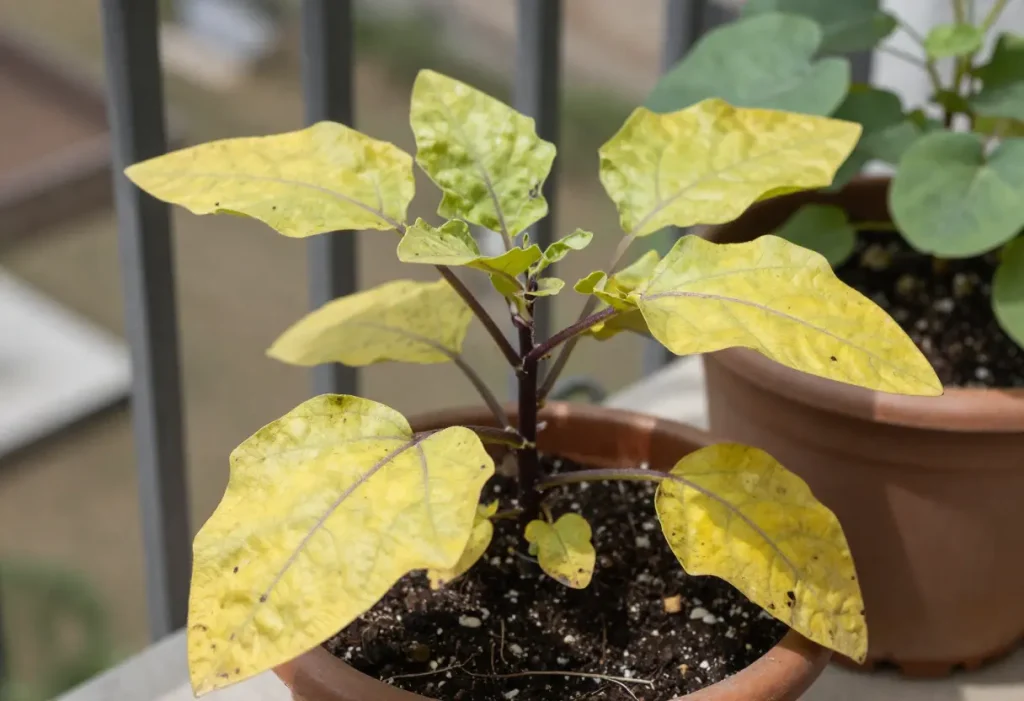
Yellow leaves on eggplants often signal disease problems. These diseases attack the plant's roots and stems. They block water and nutrients. This causes leaves to turn yellow and wilt. Early detection helps save the plant and prevents spread.
Verticillium wilt is a soil fungus. It invades plant roots and spreads inside. The fungus blocks water flow in the veins. Leaves turn yellow, curl, and drop. Plants look weak and stunted. The disease can kill the plant over time.
Fusarium wilt is another common soil fungus. It attacks roots and moves into the stem. Yellowing starts on older leaves first. The plant wilts even with enough water. Dark streaks may appear inside the stem. This fungus survives in soil for years.
Blight causes spots and yellowing on leaves. It spreads quickly in warm, wet weather. Leaves turn yellow, then brown and die. Stems and fruit may also rot. Blight weakens the plant’s health fast. Removing infected leaves helps slow spread.
Environmental factors play a big role in the health of your eggplant. Changes in temperature, light, and soil can cause leaves to turn yellow. Knowing these factors helps you care better for your plant.
Eggplants like warm weather. Too hot or too cold can stress the plant. Cold temperatures slow growth and cause yellow leaves. Heat above 90°F can also damage leaves.
Keep your eggplant in a place with steady warmth. Avoid sudden temperature changes. This helps leaves stay green and healthy.
Eggplants need full sun for at least six hours daily. Too little light makes leaves yellow and weak. Too much harsh sun can also burn leaves.
Find a spot with bright, indirect sunlight. This balance supports strong leaf growth and vibrant color.
Soil pH affects nutrient uptake. Eggplants grow best in soil with pH 5.5 to 6.5. If soil is too acidic or alkaline, leaves may yellow.
Test your soil pH regularly. Adjust it with lime or sulfur to keep it balanced. Healthy soil means healthy leaves.
Preventing yellow leaves on eggplants starts with good care habits. Healthy plants resist stress and disease better. Regular attention to soil, water, and pests helps keep leaves green and strong.
Small changes in how you care for your eggplants can make a big difference. Follow these simple steps to avoid yellowing leaves and grow thriving plants.
Eggplants need balanced nutrients to grow well. Use fertilizer with nitrogen, phosphorus, and potassium. Too little nitrogen causes yellow leaves. Apply fertilizer according to package instructions. Avoid over-fertilizing to prevent root damage. Test soil before adding fertilizer to know what it lacks.
Water eggplants evenly and deeply. Dry soil stresses plants and turns leaves yellow. Avoid waterlogging, which causes root rot. Water early in the day to reduce evaporation. Use mulch to keep soil moist longer. Check soil moisture regularly to adjust watering.
Insects like aphids and spider mites cause yellow leaves. Check plants often for pests. Use natural remedies like insecticidal soap or neem oil. Remove affected leaves to stop spread. Encourage beneficial insects such as ladybugs. Keep garden clean to reduce pest hiding places.
Yellow leaves on eggplants need quick action to save the plant. Treatment options vary by cause. Choose the best method for healthy growth. Below are simple, effective ways to treat yellowing leaves.
Organic remedies work well for mild yellowing. Compost tea adds nutrients naturally. It helps the plant absorb more minerals. Neem oil controls pests without chemicals. It also prevents fungal diseases. Use diluted solutions to avoid leaf burn. Mulching keeps soil moist and cool. This reduces stress on the plant. Organic remedies support long-term soil health.
Chemical treatments target severe problems fast. Use insecticides to kill harmful bugs. Fungicides stop fungal infections quickly. Follow label instructions carefully for safety. Avoid overuse to protect beneficial insects. Chemicals can harm the environment if misused. Apply treatments during calm, dry weather. This ensures better absorption and less drift. Use chemicals only when organic options fail.
Pruning improves air flow and plant health. Remove yellow and damaged leaves carefully. This prevents disease spread to healthy parts. Check stems and roots for rot signs. Water deeply but avoid waterlogging. Eggplants need steady moisture for growth. Fertilize regularly with balanced nutrients. Support plants with stakes or cages. Good care reduces stress and yellowing risk.
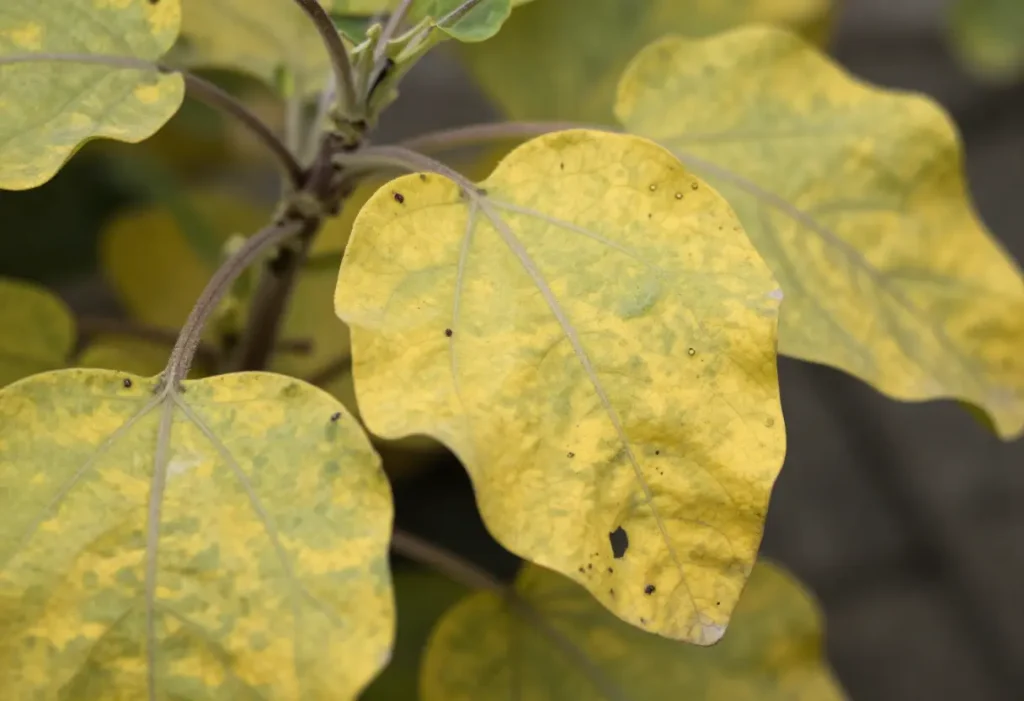
Yellow leaves often show stress from too much water or poor drainage. Check soil moisture and avoid overwatering to help leaves recover.
Yes, pests like aphids and spider mites suck sap and cause leaves to yellow. Inspect leaves regularly and treat pests early to protect your plant.
Nutrient deficiencies, especially nitrogen, can cause yellow leaves. Use balanced fertilizer to provide needed nutrients for healthy growth.
Eggplants need full sun; too little light causes yellowing and weak growth. Ensure your plant gets at least 6 hours of direct sunlight daily.
Yes, fungal infections like verticillium wilt or bacterial spots cause yellowing. Remove infected leaves and improve air flow to reduce disease risk.
Yellow eggplant leaves signal a problem that needs attention. Check water levels and soil quality first. Pests or diseases might be causing the issue too. Healthy leaves mean a strong, productive plant. Act quickly to save your eggplant’s growth. Keep observing your plant regularly for changes.
Small steps can prevent bigger problems later. Growing eggplants can be easy with some care. Stay patient and enjoy your garden’s progress.