Gardening Made Simple.

Will Sand Prevent Root Rot? Many gardeners ask this when their plants start showing signs of stress. Are you worried that your plants might be suffering from root rot? You’ve probably heard that adding sand to your soil can help, but does it really prevent root rot, or could it sometimes make the problem worse?
Understanding how sand affects your plant’s roots could save your garden from damage and keep your plants healthy and thriving. You’ll discover the truth about sand and root rot, and learn simple steps you can take to protect your plants.
Keep reading to find out what really works for healthy roots.
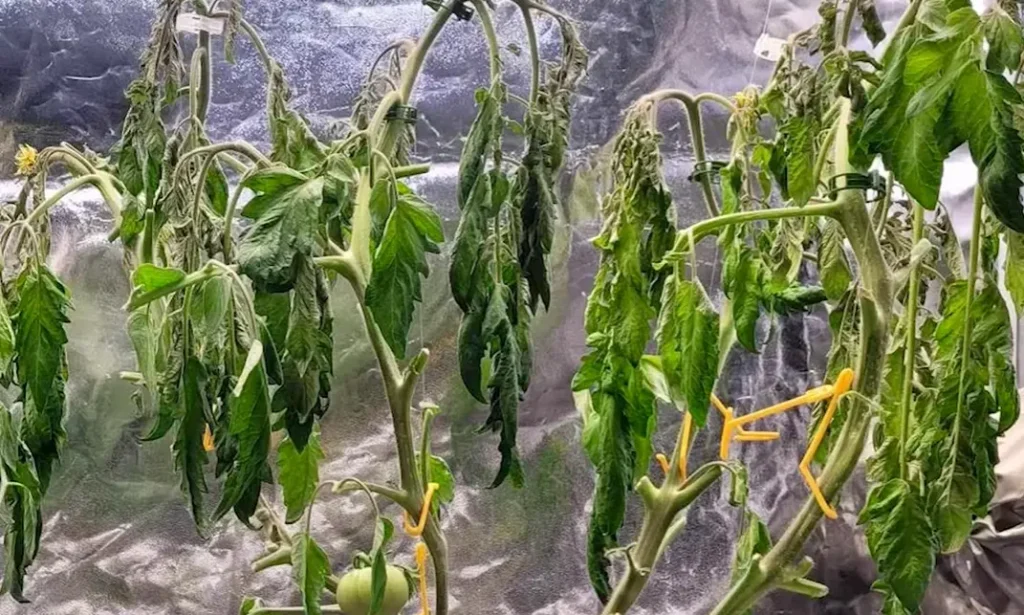
Root rot is a common problem in many plants. It damages the roots and stops them from taking water and nutrients. Understanding what causes root rot helps prevent it. This section explains the main causes and signs of root rot in plants.
Plants with root rot show clear signs. Leaves may turn yellow or brown. The plant looks weak and droopy. Roots become dark, soft, and mushy. A bad smell often comes from the soil. These symptoms help identify root rot early.
Overwatering is a main cause of root rot. Too much water fills the soil pores and blocks air. Roots need air to breathe and stay healthy. Constant wet soil creates a perfect place for harmful fungi. These fungi attack and rot the roots quickly.
Poor soil drainage also leads to root rot. Clay or compacted soil holds water for too long. Waterlogged soil stops roots from getting oxygen. Without oxygen, roots weaken and start to decay. Good soil drainage is key to keeping roots healthy.
Sand changes how soil holds and moves water. It affects soil texture and air space. These changes impact plant health and root growth.
Adding sand can make soil lighter and less compact. This helps water pass through faster. Roots get more air. This can reduce problems like root rot.
Sand creates bigger gaps between soil particles. Water drains quickly through these gaps. This stops water from sitting around roots.
Better drainage means less chance of roots staying wet too long. Wet roots often cause root rot. Sand helps roots stay dry and healthy.
Not all sand works well in soil. Coarse sand or builder’s sand is best. It has large particles that improve drainage.
Avoid fine sand. It can make soil sticky and block water flow. Choose sand that feels gritty and rough.
Too much sand can make soil drain too fast. Plants may not get enough water. This causes stress and poor growth.
Mixing sand with clay soil needs care. Poor mixing can create hard layers. These layers block water and root growth.

Root rot is a common problem for many plants. It happens when roots sit too long in wet soil. Water stays in the soil and causes roots to die. Some gardeners think sand can stop root rot. Can sand help plants avoid this issue? Let’s explore how sand works in different soils and what experts say.
Sand changes how soil drains water. In heavy clay soil, sand can help water move through faster. This reduces water logging around roots. In sandy soil, adding more sand may not help much. It could even make the soil dry out too fast. Sandy soil already drains well, so root rot is less common there.
Sand works best with other soil materials. Mixing sand with organic matter like compost improves soil health. Compost holds some water but lets air reach roots. This balance helps prevent root rot better than sand alone. Gardeners often add perlite or peat moss too. These materials improve drainage and soil texture.
Many experts say sand alone is not enough to stop root rot. They recommend improving overall soil structure. Good drainage and healthy soil microbes protect roots. Some experts warn that too much sand can harm plants. It can create hard layers and block water flow. Proper soil care matters more than just adding sand.
Root rot is a common problem for many plants. It happens when roots stay too wet and start to decay. Sand alone does not stop root rot. Plants need better ways to stay healthy. Here are some alternative solutions to keep roots safe and strong.
These tips help soil drain water well and prevent too much moisture around roots.
Use soil mixes that drain water quickly. A mix with peat, perlite, and bark helps air reach roots. Avoid heavy clay soils that trap water. Well-draining soil keeps roots dry and healthy. This reduces the chance of root rot. Always pick soil suited for your plant type.
Water plants carefully to avoid soggy soil. Let the top inch of soil dry before watering again. Water deeply but less often. Too much water creates the perfect place for root rot. Use pots with drainage holes to let extra water escape. Good watering helps roots breathe and grow strong.
Fungicides can help stop root rot fungi. Use them early if you see signs of rot. Follow product instructions for safe use. Some natural treatments like cinnamon powder can reduce fungi. These treatments protect roots and promote healing. Use fungicides as a last step after soil and watering fixes.
Saving plants affected by root rot requires quick action and careful care. Acting early can stop the damage and help plants grow again. This section shares easy tips to identify problems, revive plants, and prevent future issues. Follow these steps to protect your plants and keep them healthy.
Look for yellow or brown leaves that wilt easily. Soft or black roots show root rot. Plants may also lose leaves fast or stop growing. Smell the soil; a bad odor can mean rot. Spotting these signs early helps save the plant.
Remove the plant from its pot carefully. Cut away all soft, dark roots with clean scissors. Use fresh, well-draining soil to repot the plant. Water only when the top soil is dry. Keep the plant in a bright, warm place. Avoid overwatering to prevent more root rot.
Use pots with drainage holes to stop water buildup. Choose soil that drains well and is light. Water plants only as needed and avoid soaking soil. Check plants often for any signs of trouble. Keeping good air flow around plants helps roots stay dry and healthy.

Sand helps soil drain better, reducing water buildup that causes root rot in plants.
Sand alone cannot fully prevent root rot; good drainage and proper watering are also needed.
Sand lowers water retention, letting excess water flow away and keeping roots healthier.
Yes, mixing sand with potting soil improves drainage and reduces the risk of root rot.
Coarse sand is best as it creates space for water flow and prevents soil compaction.
Sand can help improve soil drainage and reduce root rot risk. It allows water to flow better around plant roots. But sand alone does not stop root rot completely. Good watering habits and healthy soil matter most. Mixing sand with organic matter works best for plant health.
Always check your plants regularly for signs of rot. Proper care keeps roots strong and plants growing well. Simple steps make a big difference in preventing root rot.