Gardening Made Simple.
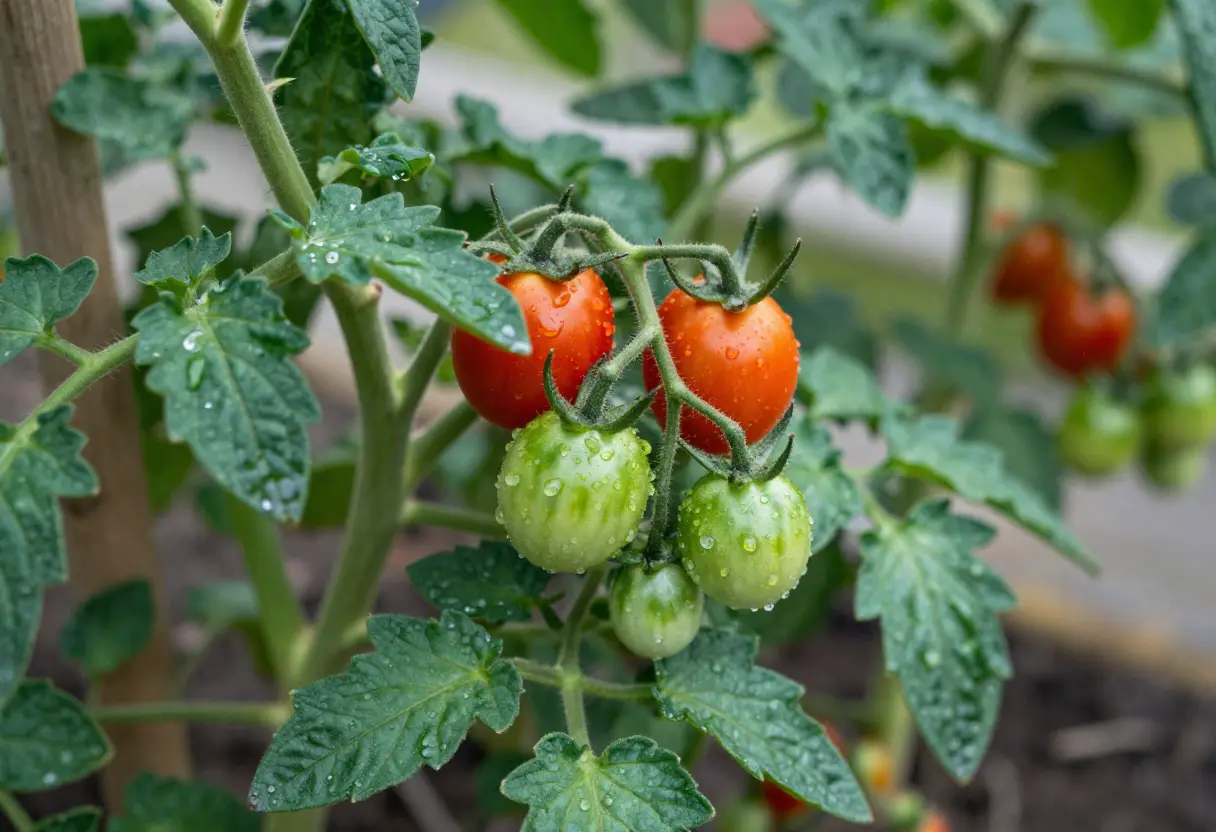
Are you ready to enjoy fresh, juicy cherry tomatoes straight from your garden? Learning how to grow cherry tomatoes is easier than you might think, and the rewards are delicious. With the right steps, you can nurture healthy plants that produce sweet, abundant fruit season after season.
Imagine picking vibrant, sweet tomatoes right off the vine, bursting with flavor in every bite. Whether you have a small balcony or a big backyard, you can grow your own cherry tomatoes with just a little care and attention. In this guide, you’ll discover simple steps to get your plants thriving and producing plenty of tasty fruit.
Keep reading to learn how to turn your space into a cherry tomato haven!
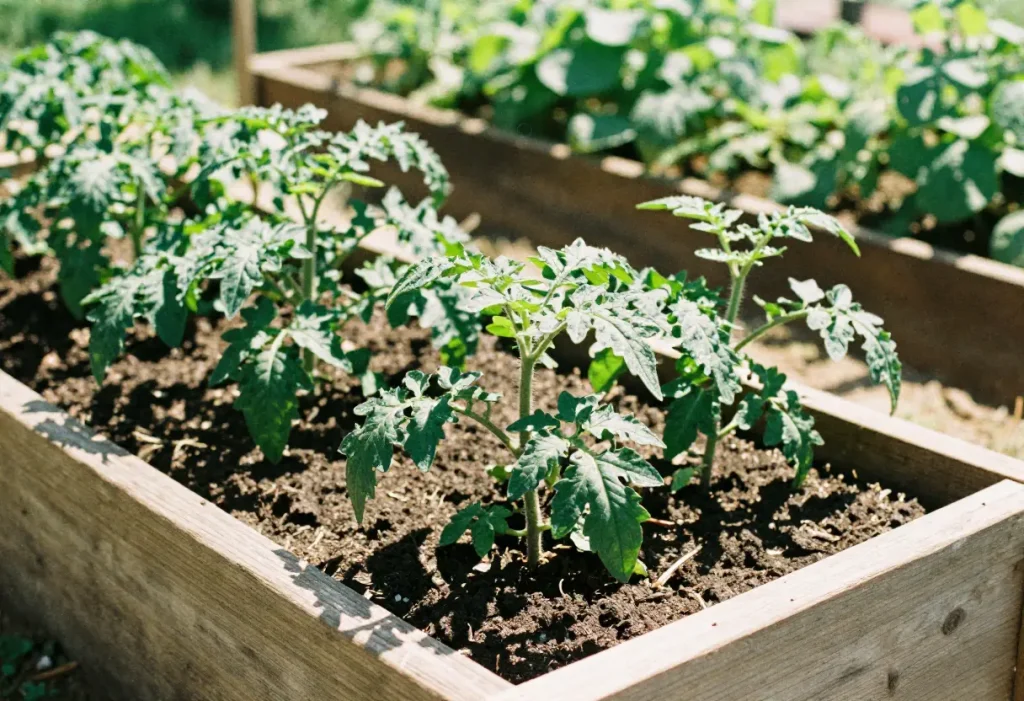
Choosing the right cherry tomato variety is key to a good harvest. Different types suit different gardens and climates. Picking a variety that matches your needs makes growing easier and more fun. Consider your space, weather, and taste preferences before planting.
Some cherry tomato varieties are easier for new gardeners. 'Sweet 100' produces many small, sweet fruits. 'Sungold' is known for its bright orange, very sweet tomatoes. 'Black Cherry' offers a rich, unique flavor and dark red color. These varieties grow well and need less care.
Determinate varieties grow to a set size and stop. They produce fruit all at once, good for canning or sauces. Indeterminate varieties keep growing and producing fruit all season. They need staking or cages for support. Choose determinate for small spaces. Indeterminate suits large gardens with room to grow.
Cherry tomatoes like warm weather and lots of sun. Some types handle heat better than others. Choose heat-tolerant varieties for hot climates. Cooler areas need types that mature faster. Check how long a variety takes to ripen. Match this to your local growing season length.
Preparing the planting site is key to growing healthy cherry tomatoes. Cherry tomatoes need the right conditions to thrive. Setting up the site correctly can boost growth and fruit production.
Cherry tomatoes grow best in well-drained soil. The soil should be rich in organic matter. Use compost or aged manure to improve soil quality. The pH level should be between 6.0 and 6.8. Avoid heavy clay or sandy soils that drain poorly or dry out fast. Good soil helps roots absorb water and nutrients well.
Cherry tomatoes need full sun for at least six hours daily. Choose a spot with plenty of direct sunlight. Avoid shaded areas near tall trees or buildings. Good airflow helps prevent diseases. The location should be sheltered from strong winds but still get fresh air.
Cherry tomatoes can grow in containers or garden beds. Containers need to be large, at least 12 inches deep. Use good potting mix with fertilizer. Garden beds allow roots to spread wider and access more nutrients. Both options require regular watering and feeding. Choose what fits your space and care routine best.
Starting cherry tomato seeds indoors gives them a strong start. It helps you control temperature and moisture. Transplanting seedlings outdoors at the right time ensures healthy growth. Proper care during this stage leads to better fruit production.
Use seed trays or small pots with good drainage. Fill them with seed-starting mix, not garden soil. Plant seeds about ¼ inch deep. Keep the soil moist but not soaked. Place trays in a warm spot with 70-75°F temperature. Use a grow light or a sunny window for 12-16 hours daily. Seeds should sprout in 5-10 days. Thin seedlings to one per pot once they have two sets of leaves.
Transplant seedlings after the last frost date in your area. Soil temperature should be at least 60°F. Choose a sunny spot with well-drained soil. Harden soil by working in compost before planting. Plant seedlings deep, burying part of the stem to encourage roots. Space plants 18-24 inches apart for good air flow. Water well after transplanting to reduce shock.
Harden off seedlings before moving them outdoors permanently. Start by placing them outside in shade for 1-2 hours. Increase sunlight and time outside daily over one week. Avoid strong wind and hot midday sun. Bring plants inside at night until they adjust. This process helps seedlings build strength and reduces transplant shock.
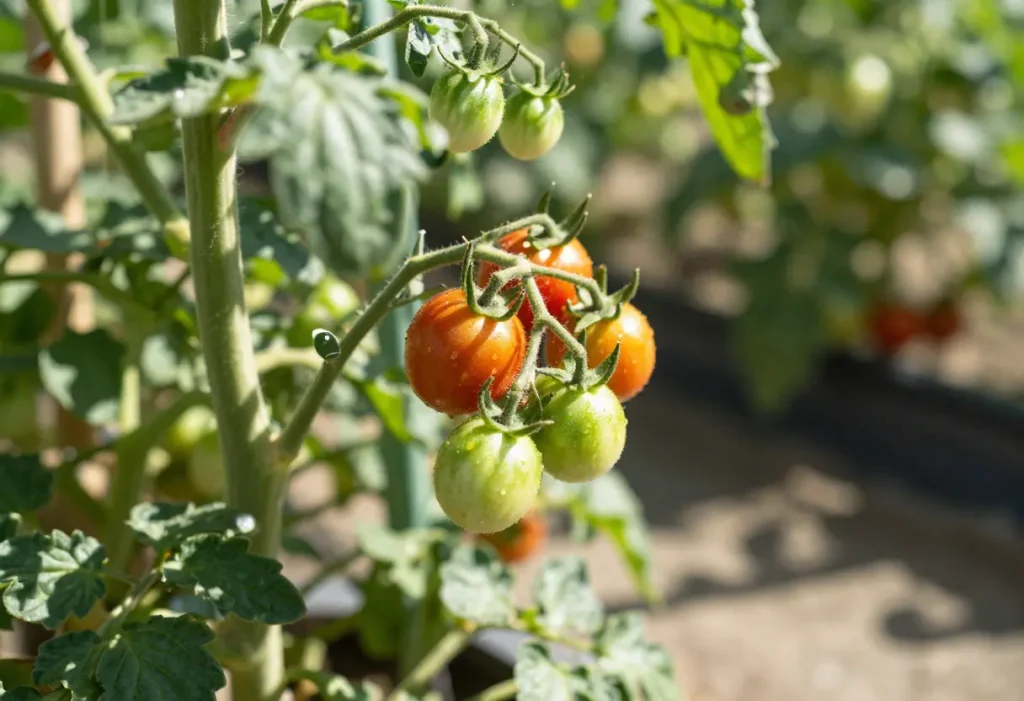
Watering and feeding cherry tomatoes are vital for healthy growth. These plants need steady moisture and nutrients to produce sweet, juicy fruit. Proper care helps avoid problems like cracking or poor fruit development. Understanding how to water and feed your plants well will boost your harvest.
Cherry tomatoes prefer deep, regular watering. Water the plants at the soil level to keep leaves dry. Wet leaves can cause diseases. Water early in the day so plants dry before night. Avoid letting the soil dry out completely. Use a drip system or soaker hose for even watering. Mulching helps keep soil moist longer.
Tomatoes need balanced nutrients for strong growth. Use a fertilizer higher in phosphorus and potassium to support fruit development. Avoid too much nitrogen, which can cause leafy growth but fewer fruits. Apply fertilizer every two to three weeks during the growing season. Organic options like compost or fish emulsion work well. Follow the package instructions carefully to prevent overfeeding.
Mulch helps keep soil temperature steady and retains moisture. It reduces weed growth that can compete for nutrients. Spread organic mulch like straw or shredded leaves around the base. Mulching also protects roots from extreme heat or cold. Replace mulch if it breaks down or gets too thin. This simple step saves water and improves plant health.
Supporting and pruning cherry tomato plants helps them grow strong and produce more fruit. Proper support keeps plants upright and prevents damage. Pruning removes extra growth to focus energy on fruit. Both tasks improve air flow and sunlight exposure. This reduces disease and helps plants thrive.
Stakes and cages keep cherry tomato plants stable. Use a wooden or metal stake and place it near the stem. Tie the plant gently with soft twine. Tomato cages surround the plant and hold branches up. Choose cages tall enough to support full growth. Secure plants early to avoid damage later.
Prune cherry tomato plants to increase fruit production. Remove small or weak branches that do not bear fruit. Cut off yellow or dead leaves to keep the plant healthy. Focus the plant’s energy on main stems and fruit clusters. Pruning helps fruits get more sunlight and grow larger.
Suckers are small shoots that grow between the main stem and branches. Remove suckers to stop overcrowding and improve air flow. Pinch them off by hand when they are small. Leaving suckers can make the plant bushy and reduce fruit quality. Control suckers for better plant shape and bigger tomatoes.
Managing pests and diseases is crucial for healthy cherry tomato plants. Pests can damage leaves and fruits, reducing your harvest. Diseases can spread quickly and ruin plants. Early detection and proper care help keep plants strong. Use safe methods to protect your garden naturally.
Watch for aphids, small green or black bugs that suck plant juices. Whiteflies are tiny white insects found under leaves. Tomato hornworms are large green caterpillars that eat leaves fast. Spider mites cause tiny yellow spots and webbing. These pests weaken plants and stunt growth.
Use insecticidal soap to spray pests off plants. Introduce ladybugs to eat aphids and other small bugs. Spray neem oil to repel many insects safely. Remove pests by hand if you see them early. Keep plants clean and avoid overwatering to reduce pests.
Water plants at the base to keep leaves dry. Space plants well for good air circulation. Remove any diseased or yellow leaves quickly. Use mulch to keep soil moisture steady and reduce soil splash. Rotate crops yearly to avoid soil-borne diseases. Healthy soil grows healthy plants.
Harvesting and storing cherry tomatoes properly helps keep their flavor and texture fresh. Picking them at the right time ensures the best taste. Storing them correctly keeps them fresh longer. This section explains how to tell when tomatoes are ripe, the best ways to pick them, and how to store them for freshness.
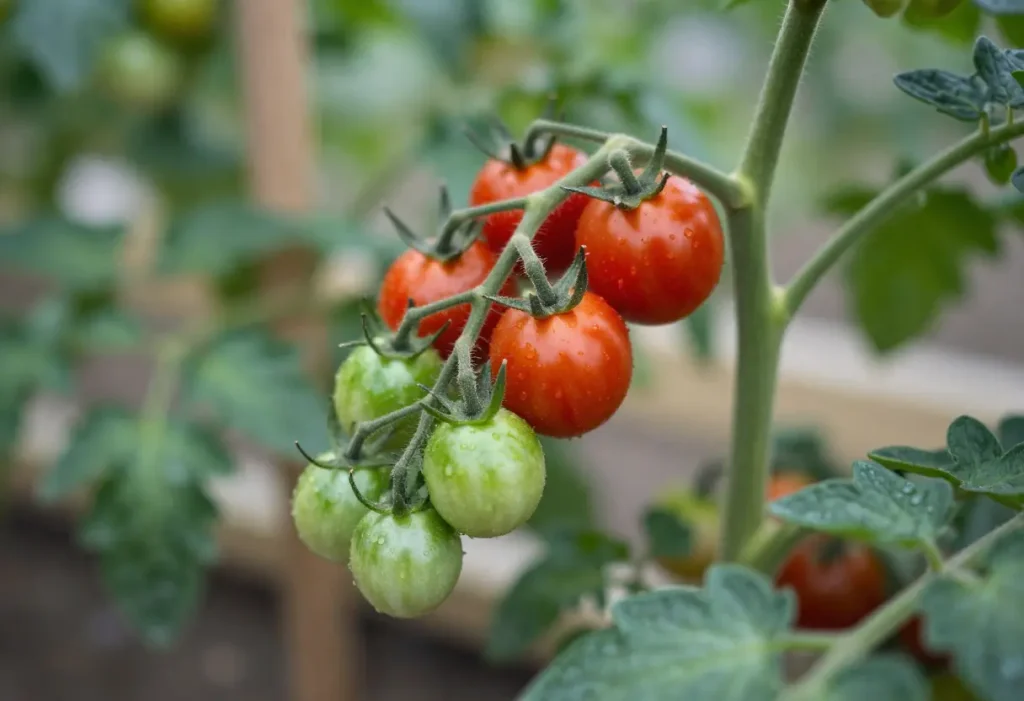
Ripe cherry tomatoes have bright, even color. The skin should be smooth and shiny. Gently squeeze the tomato. It should feel firm but slightly soft. Avoid tomatoes with cracks or wrinkles. The stem area should look healthy, not dry or brown. Color varies by variety, but ripeness shows in a full, rich hue.
Use clean hands or scissors to harvest. Pinch the tomato stem just above the fruit. Avoid pulling or twisting hard. Picking in the morning keeps tomatoes cool. Handle tomatoes gently to avoid bruising. Harvest regularly to encourage more fruit. Remove any damaged or overripe tomatoes from the plant.
Store cherry tomatoes at room temperature. Keep them out of direct sunlight. Avoid refrigerating unless very ripe or soft. Use a shallow container with good air flow. Store tomatoes stem side up to prevent bruising. Use ripe tomatoes within a few days. For longer storage, consider drying or freezing them.
Cherry tomatoes grow best with 6 to 8 hours of direct sunlight every day.
Well-drained, rich soil with organic matter helps cherry tomatoes grow healthy and strong.
Water cherry tomatoes deeply once or twice a week, keeping the soil moist but not soggy.
Plant cherry tomatoes outdoors after the last frost when the soil warms up.
Use natural methods like neem oil, insecticidal soap, or handpick pests regularly.
Growing cherry tomatoes can be a fun and rewarding task. Start with good soil and plenty of sunlight. Water the plants regularly but avoid overwatering. Watch for pests and remove them quickly. Support the plants with stakes or cages. Pick the tomatoes when they turn bright red.
Fresh cherry tomatoes add great flavor to meals. With some care, you can enjoy homegrown tomatoes all season. Keep trying and learning, and your garden will thrive. Simple steps bring tasty results. Enjoy the process and your fresh harvest!