Gardening Made Simple.
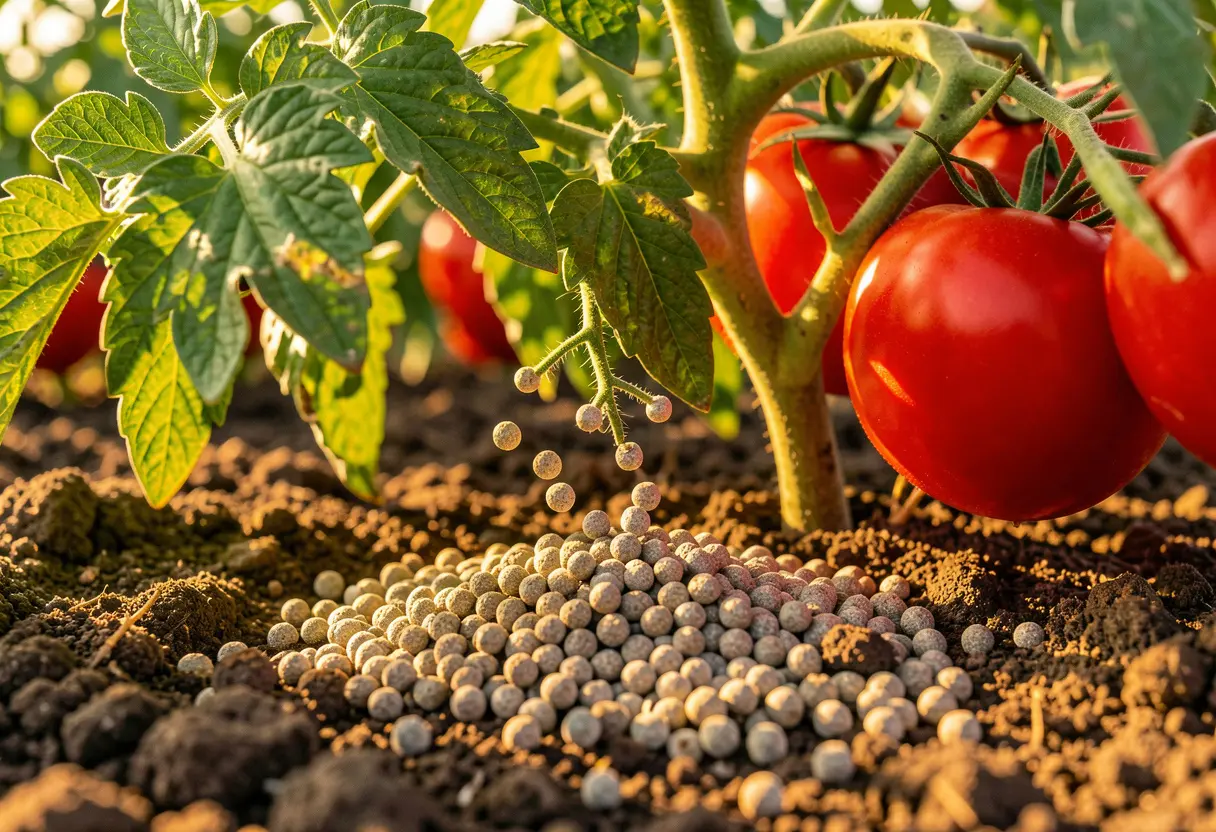
Are you struggling to grow healthy, juicy tomatoes? One key to boosting your tomato plants’ growth and yield is the right Nitrogen Fertilizer for Tomato Plants. Using it correctly ensures strong stems, vibrant leaves, and larger, more abundant fruits throughout the season.
Nitrogen plays a big role in making your tomato plants lush and green. But using too much or too little can harm your crop. You’ll discover how to choose and apply nitrogen fertilizer perfectly for your tomatoes. Keep reading to unlock the secret to bigger, tastier tomatoes right from your garden!
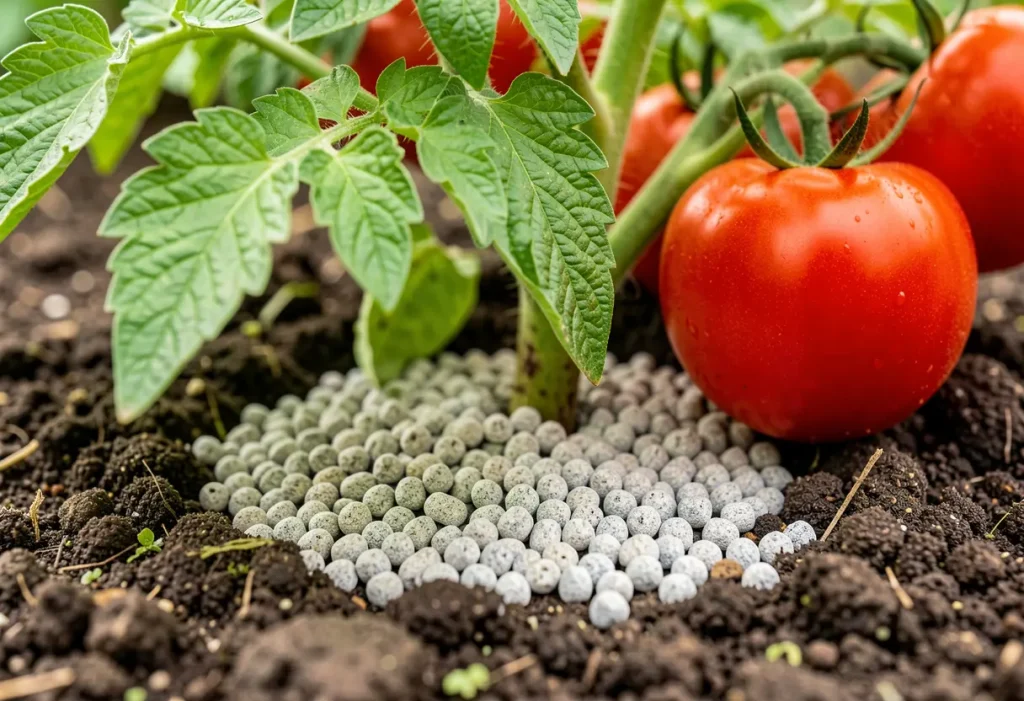
Nitrogen is a vital nutrient for tomato plants. It supports many key growth processes. Using the right amount helps tomatoes grow strong and healthy. Nitrogen improves leaves, stems, fruit, and overall plant health.
Understanding nitrogen’s benefits helps gardeners grow better tomatoes. It plays a crucial role in plant development and fruit yield. Here are the main benefits of nitrogen for tomato plants.
Nitrogen promotes lush, green leaves and sturdy stems. Leaves need nitrogen to make chlorophyll, which fuels photosynthesis. Strong leaves capture more sunlight, helping the plant grow. Healthy stems support the plant and hold up the fruit.
Nitrogen aids in forming bigger and juicier tomatoes. It helps the plant produce more flowers, which turn into fruit. Proper nitrogen levels improve fruit size and color. Balanced nitrogen ensures the tomatoes develop well without too much leaf growth.
Nitrogen strengthens the plant’s resistance to stress and disease. It supports root growth for better nutrient and water uptake. Well-fed plants recover faster from damage and weather changes. Healthy tomato plants yield more and last longer in the garden.
Nitrogen is vital for tomato plants. It helps leaves grow green and healthy. Choosing the right type of nitrogen fertilizer affects plant growth and fruit quality. There are several types available. Each works differently in soil and plant uptake.
Organic nitrogen fertilizers come from natural sources. Compost, manure, and blood meal are common examples. They release nitrogen slowly, feeding plants over time. Organic options improve soil health and increase microbes. They are safe for the environment and reduce chemical use.
Synthetic fertilizers contain nitrogen made in labs. They work fast and show quick results. Examples include ammonium nitrate and urea. These fertilizers are easy to measure and apply. Overuse can harm soil and plants, so use carefully.
Slow-release nitrogen fertilizers release nutrients gradually. They provide steady nitrogen to tomato plants. This reduces the risk of burning roots or leaves. Slow-release options lower the need for frequent feeding. They help maintain balanced plant growth and fruit production.
Nitrogen is a key nutrient for tomato plants. Knowing when to apply nitrogen fertilizer helps plants grow strong and healthy. Timing affects leaf growth, fruit production, and overall plant health. Applying nitrogen at the right stage supports each growth phase effectively. Avoid overfeeding to prevent plant stress or poor fruit quality.
Seedlings need a small amount of nitrogen. This supports root and leaf development. Use a light dose to avoid burning young roots. Nitrogen helps seedlings grow sturdy leaves fast. Apply fertilizer after seedlings have two or three true leaves.
During this phase, nitrogen needs increase. Plants grow stems and leaves quickly. Apply nitrogen regularly to support this rapid growth. Use a balanced fertilizer with nitrogen as the main nutrient. Too little nitrogen slows growth, while too much causes excessive leaf growth.
Nitrogen needs drop during flowering and fruiting. Excess nitrogen can reduce fruit production and quality. Apply lower nitrogen doses to encourage flowers and fruit. Focus more on phosphorus and potassium during these stages. Proper nitrogen balance helps tomatoes ripen well and taste better.
Applying nitrogen fertilizer correctly helps tomato plants grow strong and healthy. It supports leaf growth and improves fruit quality. Choosing the right method makes sure plants get enough nitrogen without waste.
Spread nitrogen fertilizer evenly around tomato plants. Work it into the top few inches of soil. This helps roots absorb nutrients faster. Use granular or powder forms for best results. Avoid placing fertilizer too close to stems. Water the soil after applying to dissolve nutrients.
Spray liquid nitrogen fertilizer directly on tomato leaves. This method delivers nutrients quickly. Use a fine mist to cover leaf surfaces well. Apply in early morning or late afternoon to reduce leaf burn. Repeat every 7 to 14 days for steady feeding. Foliar feeding boosts plant growth during critical stages.
Mix nitrogen fertilizer with water in your drip irrigation system. This feeds plants slowly and evenly over time. It reduces fertilizer loss from runoff or evaporation. Check fertilizer concentration to avoid root damage. Drip systems save water and improve nutrient use. Monitor plants regularly to adjust fertilizer amounts as needed.
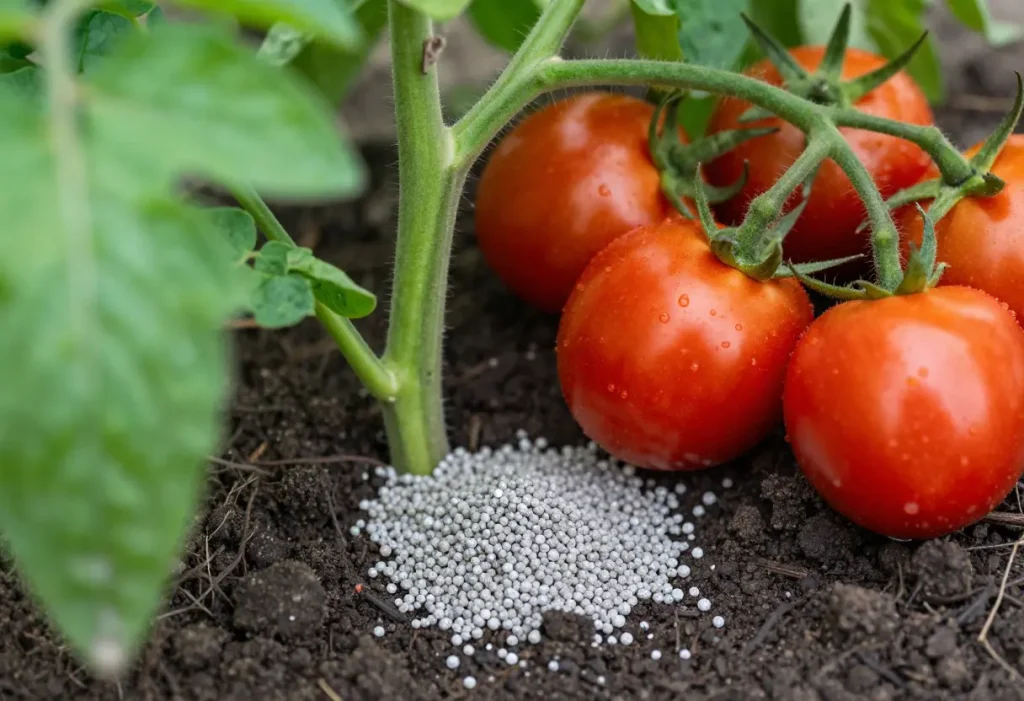
Nitrogen is vital for tomato plants. It helps them grow strong and produce healthy fruit. Without enough nitrogen, tomato plants show clear signs. Spotting these signs early helps you fix the problem fast.
Yellow leaves are the first sign of nitrogen shortage. Older leaves turn yellow first. The color change starts at the tips and spreads inward. This happens because nitrogen moves to new leaves. Yellow leaves mean the plant lacks energy to grow well.
Tomato plants need nitrogen to grow tall and lush. Without it, plants stay small and weak. You will notice fewer leaves and thin stems. Growth slows down, and plants look unhealthy. Stunted growth lowers the chance of good fruit development.
Low nitrogen affects tomato fruit size. Fruits become smaller and less juicy. The harvest will have fewer tomatoes overall. This happens because the plant cannot support large fruits. Nitrogen shortage reduces the plant’s energy for fruit growth.
Using too much nitrogen fertilizer on tomato plants can cause several problems. Over-fertilization may seem helpful, but it often harms the plants and the environment. Understanding these risks helps gardeners avoid common mistakes. Here are the main issues caused by excess nitrogen.
Too much nitrogen encourages tomato plants to grow many leaves. The plants become bushy but produce fewer fruits. This thick leaf growth blocks sunlight from reaching flowers and fruit. It also reduces air circulation, which can lead to diseases. Plants need a balance between leaves and fruit for good harvests.
High nitrogen levels slow down the ripening of tomatoes. The plants focus on growing leaves instead of maturing fruit. This delay can reduce the taste and quality of tomatoes. Gardeners may wait longer to harvest, which can increase the chance of pests and weather damage.
Extra nitrogen that plants do not absorb can wash into the soil and water. This runoff can pollute streams, rivers, and lakes. It causes algae growth that harms fish and other wildlife. Overuse of nitrogen also affects soil health over time. Using the right amount protects both plants and the environment.
Balanced fertilization is key to healthy tomato plants. Too much nitrogen can cause leafy growth but fewer fruits. Too little nitrogen slows plant growth and fruit development. Knowing how to balance nitrogen with other nutrients helps plants thrive and produce more tomatoes.
Soil testing shows nutrient levels and pH. It tells how much nitrogen your soil needs. Testing avoids over-fertilizing or nutrient shortages. Regular soil tests guide smart fertilizer use. This saves money and protects the environment.
Nitrogen works best with phosphorus and potassium. Phosphorus supports root growth and flower development. Potassium helps fruit ripening and disease resistance. Balanced nutrients create strong, productive tomato plants. Use fertilizers labeled for tomatoes for best results.
Tomato plants need different nutrients at each stage. Young plants need more nitrogen for leaf growth. Flowering and fruiting stages require more phosphorus and potassium. Watch plant color and growth to adjust fertilizer amounts. Change feeding as plants grow for better results.
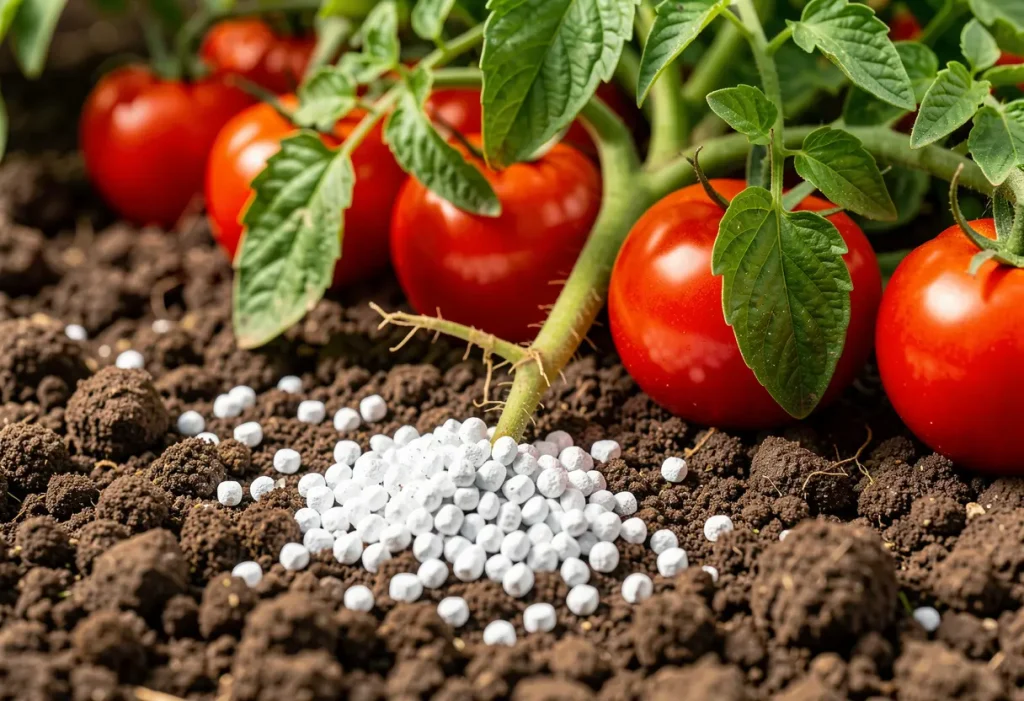
A balanced nitrogen fertilizer with moderate nitrogen levels supports healthy tomato growth and fruit production.
Nitrogen helps tomato plants grow strong stems and leaves for better photosynthesis and fruit yield.
Apply nitrogen fertilizer early in growth and again during fruiting for steady tomato development.
Yes, excess nitrogen causes lush leaves but fewer fruits and weakens plant health.
Yellowing leaves and slow growth often show nitrogen deficiency in tomato plants.
Nitrogen fertilizer helps tomato plants grow strong and healthy. It supports green leaves and good fruit production. Use the right amount to avoid harming the plants. Regular feeding keeps tomatoes vibrant and productive. Watch your plants closely to see how they respond.
Balanced care leads to a better tomato harvest. Healthy plants mean tasty, fresh tomatoes for your table. Remember, simple steps bring great results in gardening.