Gardening Made Simple.
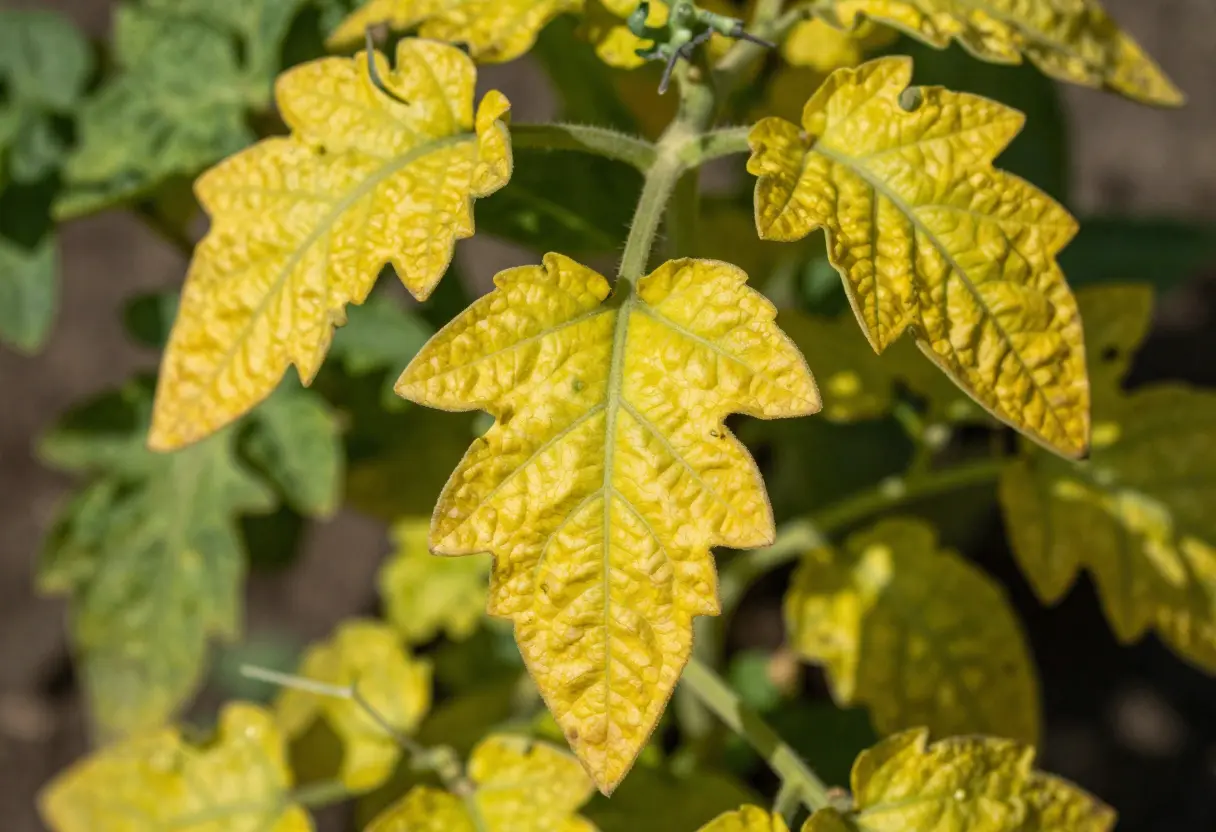
Are you noticing your tomato leaves turning yellow and wondering what’s going wrong? Understanding the causes early can help you fix the issue quickly and restore your plants to healthy, vibrant growth.
If you don’t act quickly, your healthy plants might start to struggle, and your harvest could be at risk. But don’t worry—understanding why this happens and what you can do is easier than you think. Keep reading to discover simple, effective ways to bring your tomato plants back to life and enjoy a bountiful garden.
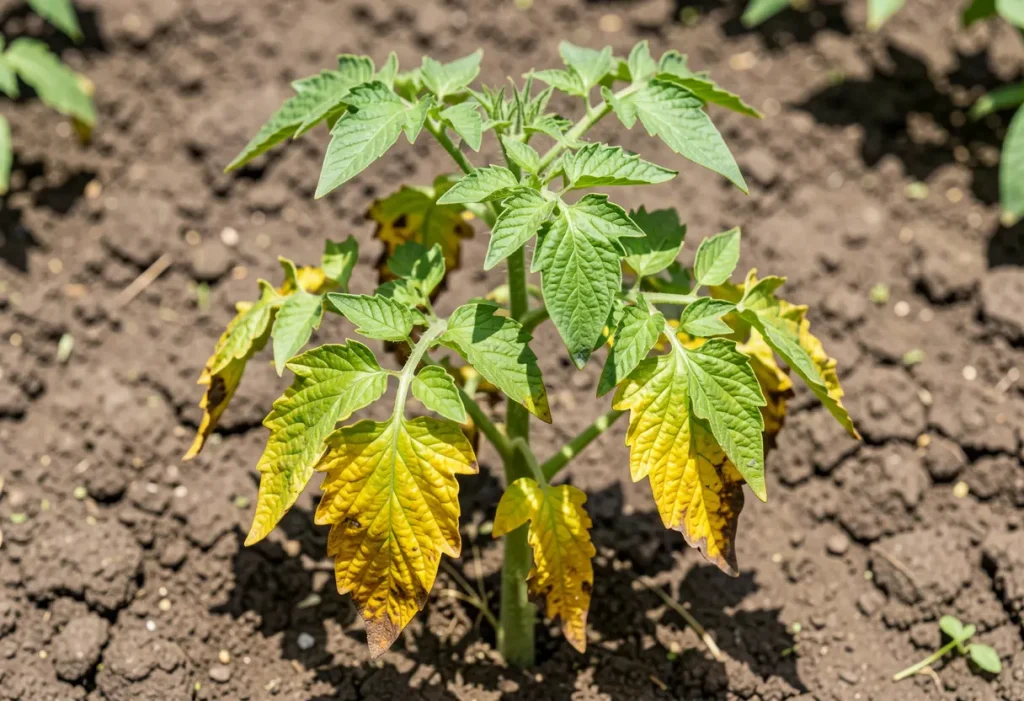
Tomato leaves turning yellow is a common problem gardeners face. Yellow leaves signal that the plant is under stress. Understanding the common reasons helps to fix the issue fast. Several factors cause yellowing, from nutrients to environment. Identifying the cause is key to healthy tomato plants.
Tomato plants need many nutrients to grow well. Nitrogen is vital for green leaves. Lack of nitrogen causes yellow leaves starting from the bottom. Iron deficiency creates yellow leaves with green veins. Magnesium shortage shows yellow patches between leaf veins. Using balanced fertilizer helps prevent these problems.
Water affects tomato plant health a lot. Overwatering can drown roots and cause yellow leaves. Underwatering makes leaves dry and yellow. Tomatoes need consistent moisture, not too much or too little. Check soil often to keep water just right. Good drainage is also important to avoid water buildup.
Pests like aphids and whiteflies suck plant juices. This weakens leaves and makes them yellow. Diseases like blight and fusarium wilt attack tomato plants too. They cause yellow spots and leaf drop. Inspect plants regularly to spot pests or diseases early. Treat problems quickly to save your crop.
Tomatoes react to changes in their environment. Too much heat or cold can turn leaves yellow. Strong winds or sudden temperature drops stress the plant. Poor sunlight or crowded plants also cause yellowing. Give tomatoes a stable and suitable environment for best growth.
Yellow leaves on tomato plants often signal nutrient problems. Nutrients help plants grow strong and healthy. Without the right nutrients, leaves may turn yellow and affect fruit production. Identifying the specific nutrient issue is key to fixing the problem fast.
Nitrogen is vital for leaf growth and green color. A lack of nitrogen causes older leaves to turn yellow first. These yellow leaves may also drop off early. Tomato plants with nitrogen deficiency look pale and weak. Adding nitrogen-rich fertilizer can help leaves regain their green color.
Magnesium helps plants make chlorophyll, the green pigment. Magnesium deficiency causes yellowing between leaf veins. The veins stay green while the rest of the leaf turns yellow. This usually starts on older leaves. Adding magnesium supplements or Epsom salts can correct this problem.
Iron is important for new leaf growth and green color. Iron chlorosis causes young leaves to turn yellow first. The veins may stay green while the leaf tissue yellows. This problem often happens in alkaline soils. Using iron chelates or acidifying the soil can improve iron uptake.
Proper water management helps keep tomato leaves green and healthy. Both too much and too little water cause yellow leaves. Knowing the right watering balance is key for strong tomato plants.
Too much water fills the soil with moisture. This stops air from reaching the roots. Roots may rot and cause yellow leaves. Overwatering also washes away nutrients plants need. Leaves turn yellow as the plant weakens.
Too little water makes the soil dry and hard. Leaves start to wilt and curl at the edges. Yellow spots appear as the plant loses strength. The plant stops growing well and looks tired. Underwatering stresses the tomato plant badly.
Water deeply but less often. This encourages strong roots to grow downwards. Check soil moisture by feeling it a few inches deep. Water when the topsoil feels dry, not wet. Use drip irrigation or a watering can near the base. Avoid wetting leaves to prevent disease.
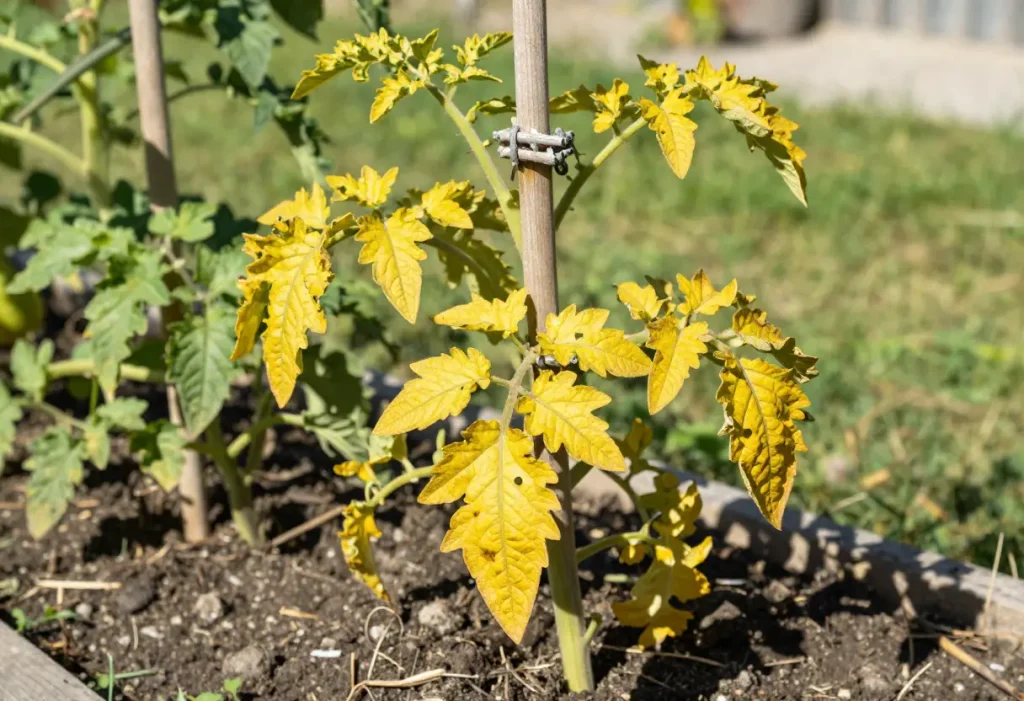
Tomato leaves turning yellow often signal problems with pests or diseases. These issues can weaken plants and reduce tomato yield. Early detection helps control damage and keeps plants healthy. Understanding common pests and diseases is key to effective care.
Aphids, whiteflies, and spider mites often attack tomato plants. These pests suck sap from leaves, causing yellowing and curling. Look for small insects on leaf undersides or sticky residue. Use insecticidal soap or neem oil to reduce pest numbers. Removing affected leaves also helps stop spread.
Fungi like early blight and septoria leaf spot create yellow spots on leaves. These spots grow and merge, causing leaves to die. Good air circulation and avoiding overhead watering reduce fungal growth. Fungicides with chlorothalonil or copper work well to control infections.
Bacterial diseases cause yellowing and wilting in tomato leaves. Bacterial spot and canker are common problems. Infected plants show dark lesions and yellow halos on leaves. Remove and destroy affected plants to stop bacteria spread. Clean tools and avoid working with wet plants to prevent infection.
Tomato leaves turn yellow often because of stress from the environment. Stress weakens the plant and stops it from growing well. Reducing this stress helps keep tomato leaves green and healthy. Simple care steps can protect the plant and improve its strength.
Tomato plants do best in mild temperatures. Too hot or too cold can harm the leaves. Heat stress dries leaves and turns them yellow. Cold temperatures slow growth and cause leaf damage. Keep tomato plants in places with steady temperatures. Use shade or covers to protect from heat or frost.
Tomatoes need sunlight but not too much. Too much sun burns the leaves, causing yellow patches. Too little sun slows photosynthesis and weakens the plant. Place tomato plants where they get morning sun and afternoon shade. Adjust plant location based on daily sunlight intensity.
Healthy soil keeps tomato plants strong. Poor soil with low nutrients causes yellow leaves. Check soil pH; tomatoes prefer slightly acidic soil. Ensure soil drains well to avoid waterlogging. Add compost or balanced fertilizer to improve soil health and support green leaves.
Yellow leaves on tomato plants often signal common care issues. Fixing these problems early helps your plants stay healthy and produce tasty tomatoes. Small changes in care can stop yellowing and boost plant growth.
Tomato plants need balanced nutrients to stay green. Too much nitrogen causes yellow leaves. Use a fertilizer with equal parts nitrogen, phosphorus, and potassium. Follow package instructions to avoid overfeeding. Adding compost also improves soil health.
Both overwatering and underwatering cause yellow leaves. Water tomato plants deeply once or twice a week. Let the soil dry slightly between watering. Avoid wetting leaves to reduce disease risk. Mulch helps keep soil moist and cool.
Pests like aphids and whiteflies cause leaf yellowing. Use natural predators like ladybugs to control pests. Spray plants with soapy water to remove insects. Check leaves regularly for signs of pests or damage.
Tomatoes need full sun for at least six hours daily. Poor light causes leaves to yellow and drop. Ensure good air circulation around plants. Remove weeds that compete for nutrients and water. Support plants with stakes or cages to improve growth.
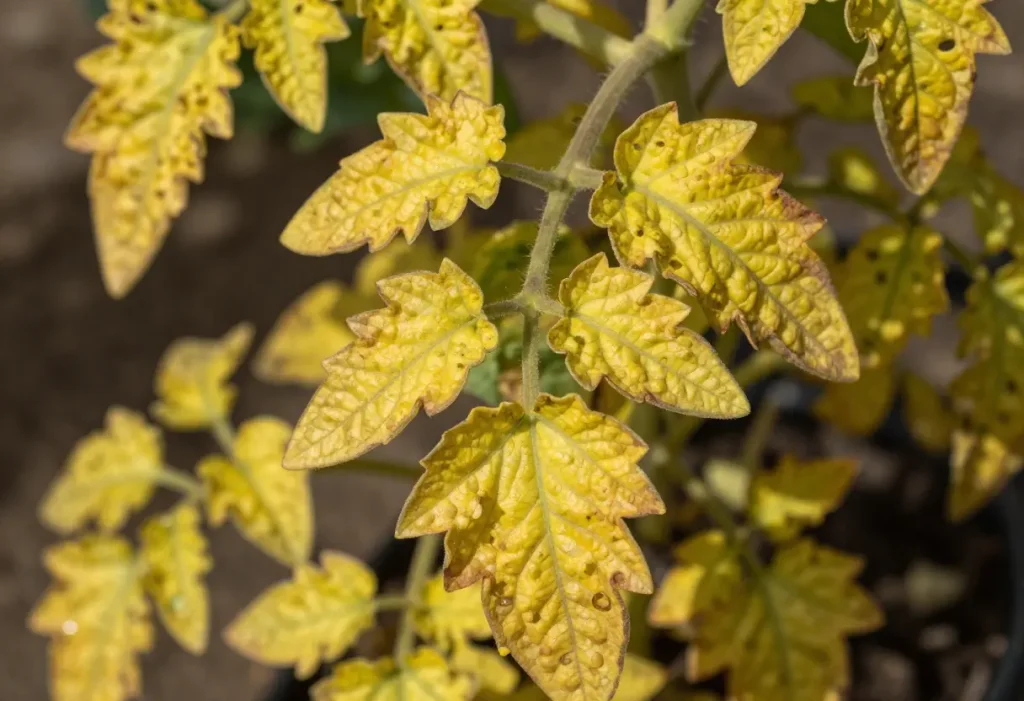
Yellow leaves often signal lack of nutrients, overwatering, or disease in tomato plants.
Water properly, provide balanced fertilizer, and check for pests or diseases regularly.
Not always. Yellow leaves can recover if treated early and given proper care.
Yes, overwatering can lead to root problems and cause leaves to turn yellow.
Common diseases include blight, fusarium wilt, and septoria leaf spot, causing yellowing.
Yellow tomato leaves need quick attention to save your plants. Check soil moisture and avoid overwatering or drought stress. Watch for pests or diseases that cause leaf yellowing. Use proper fertilizer to supply essential nutrients. Trim yellow leaves to help the plant focus on healthy growth.
Healthy tomato plants produce better fruit and resist problems. Small steps make a big difference in your garden’s success. Stay patient and keep caring for your tomatoes daily. Watch your plants closely and act fast to keep them strong.