Gardening Made Simple.
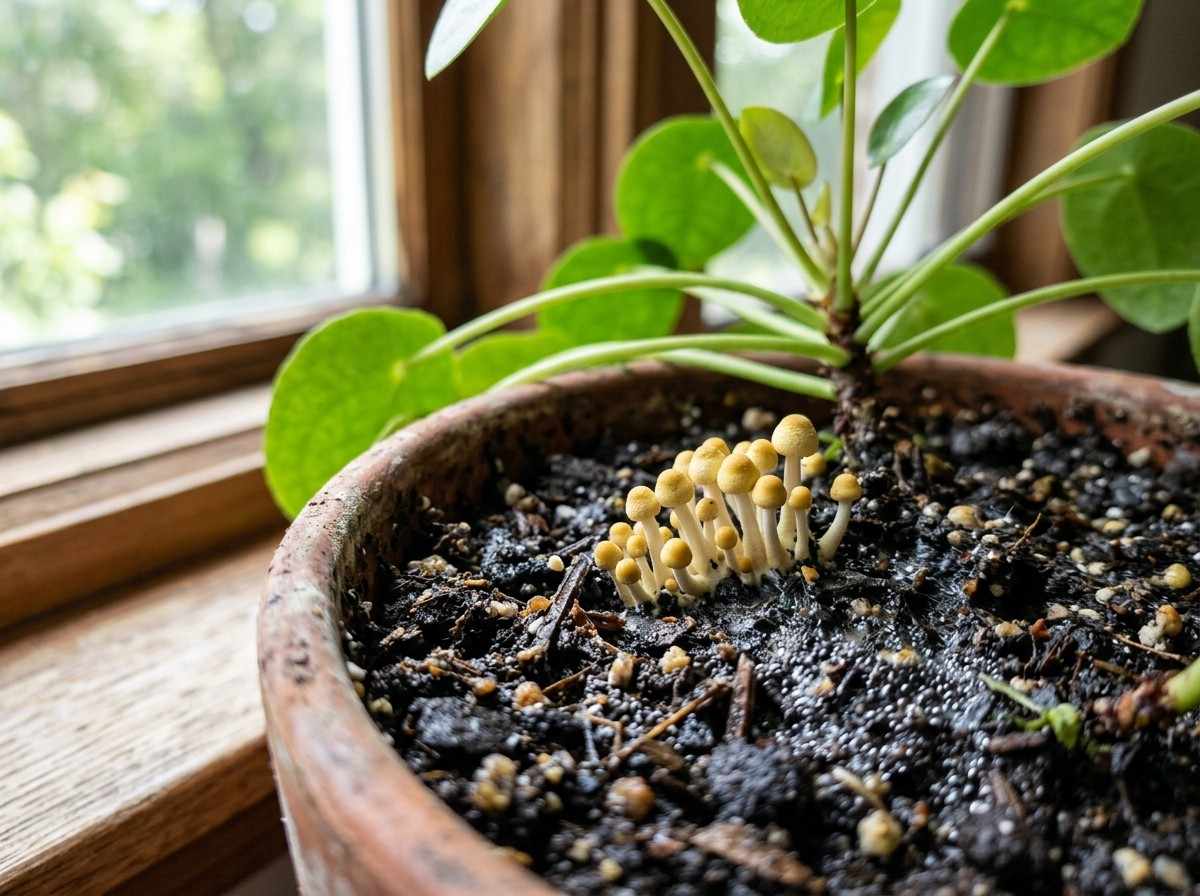
Have you ever spotted tiny mushrooms popping up in your potting soil and wondered what they mean? You might feel worried or curious about whether they are harmful to your plants or even to you. Understanding Mushrooms in Potting Soil can help you identify why they appear and what steps to take to keep your plants healthy.
Understanding why mushrooms appear in your soil can help you take the right steps to care for your plants and keep your indoor garden thriving. You’ll discover what mushrooms in potting soil really are, why they show up, and how you can manage them easily.
Keep reading to unlock the secrets behind these unexpected visitors in your pots!
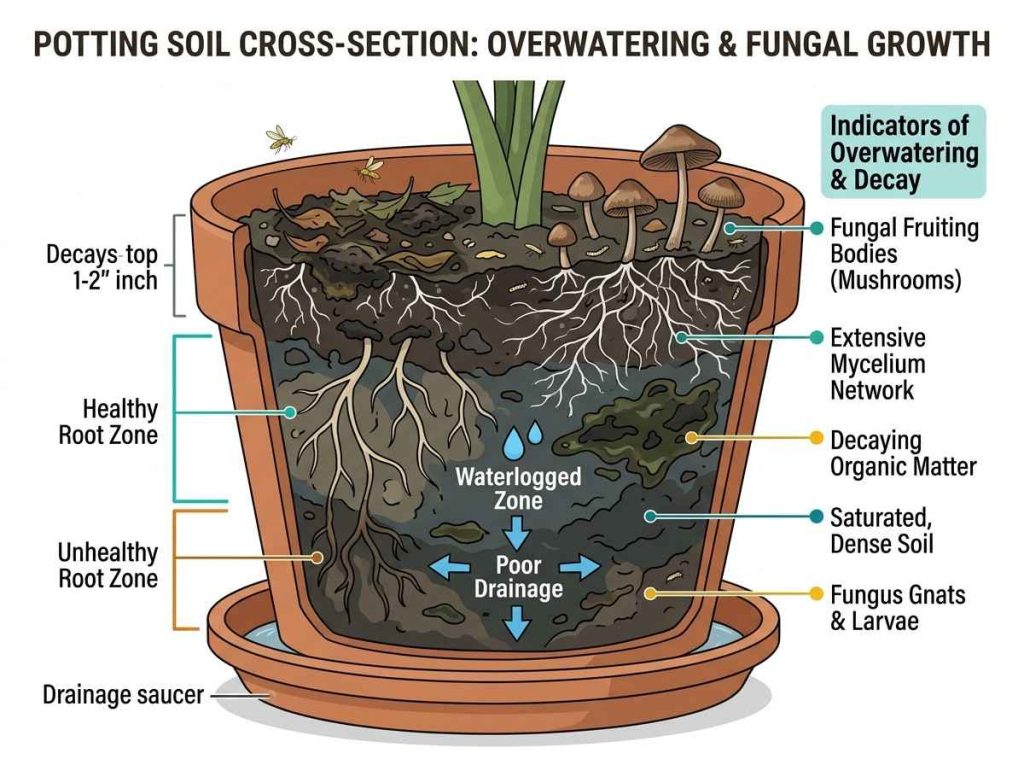
Mushrooms often appear in potting soil without warning. They might surprise you by popping up among your plants. These fungi do not harm most plants but can worry gardeners. Understanding why mushrooms grow in your soil helps you manage them better. The reasons involve common causes, environmental factors, and soil composition.
Mushrooms grow from spores found in the soil or air. Spores land on moist soil and start growing. Organic matter like dead leaves or roots feeds fungi. Overwatering also encourages mushroom growth. Mushrooms are signs of healthy, living soil.
Mushrooms need moisture to grow. Damp, shaded areas create perfect conditions. Warm temperatures speed up fungal growth. Poor air circulation keeps soil wet longer. These factors combined support mushroom development in pots.
Soil rich in organic materials supports fungi. Compost or peat moss often contains fungal spores. Decomposing materials provide nutrients for mushrooms. Well-balanced soil with good drainage slows their growth. Potting mixes with lots of organic matter invite mushrooms.
Mushrooms growing in potting soil can surprise many indoor plant owners. These fungi often appear without warning and may cause concern. Understanding the risks helps keep both plants and people safe. Mushrooms in pots do more than just look unusual. They can affect health in different ways. Knowing these risks helps manage indoor plants better.
Some mushrooms in potting soil are toxic. Children and pets may eat these mushrooms out of curiosity. Toxic mushrooms can cause stomach pain or worse symptoms. Not all mushrooms in soil are safe to touch either. It is best to remove mushrooms promptly to reduce any risk.
Mushrooms usually grow from decaying matter in soil. They rarely harm healthy plants directly. But their presence can mean soil is too wet or rich in organic material. This environment can encourage root rot or mold. Mushrooms may indicate a problem with soil drainage or plant care.
Some people are allergic to mushroom spores. Spores can spread in the air when mushrooms grow indoors. Allergies may cause sneezing, coughing, or itchy eyes. Sensitive individuals should avoid touching or inhaling spores. Good ventilation helps reduce indoor spore buildup.
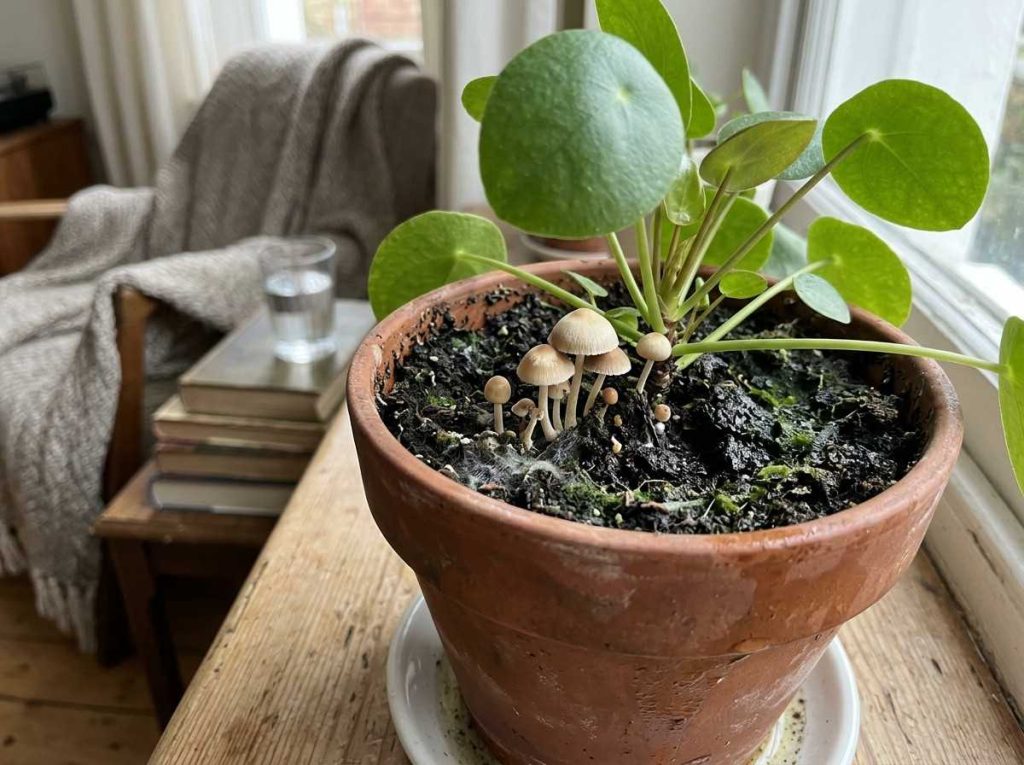
Mushrooms often grow in potting soil because of moisture and organic matter. They may look strange in your pots and worry you. Mushrooms usually do not harm plants. Still, many want to stop their growth for neatness and health reasons. Controlling moisture and soil condition helps prevent mushrooms from growing.
Water your plants only when the soil feels dry. Avoid overwatering, which keeps soil too wet. Use a watering can with a narrow spout for control. Water at the base of the plant, not the leaves. This helps soil dry faster and stops mushrooms.
Good drainage is key to preventing mushrooms. Use pots with holes at the bottom for water to escape. Add small stones or gravel under the soil layer. This stops water from collecting at the roots. Check that water does not pool after watering.
Select soil that drains well and is light in texture. Avoid heavy soils that stay wet for long. Mix sand or perlite with potting soil for better airflow. Use fresh potting soil without old plant debris. Clean soil reduces the chance of mushroom spores growing.
Mushrooms growing in potting soil can be a common issue. They may not always harm your plants, but many prefer to remove them. Safe removal protects your plants and keeps the soil healthy. The following methods help remove mushrooms without damaging your garden.
Start by wearing gloves for safety. Gently pull the mushrooms out by the base. Avoid breaking them to stop spores from spreading. Collect all mushroom parts and discard them in the trash. Do not compost mushrooms as spores may survive. Clean tools and hands after removal to prevent spreading.
Remove the top layer of soil where mushrooms grow. Replace it with fresh, dry potting soil. This method reduces mushroom spores in the soil. Make sure the new soil drains well to avoid moisture buildup. Moist soil encourages mushroom growth, so keep the area dry.
Apply natural fungicides that are safe for plants and pets. Neem oil and baking soda sprays can help control mushrooms. Follow the instructions on the product label carefully. Natural fungicides reduce mushroom growth without harming beneficial soil life. Repeat treatments may be needed for best results.
Mushrooms in potting soil can affect how well your plants grow. Healthy plants need the right balance of moisture, air, and clean soil. Managing these factors helps plants stay strong and vibrant. Understanding how to keep humidity, air, and soil in check supports healthy growth.
Plants need moisture, but too much water can harm them. Mushrooms often grow in damp soil. Keep the soil moist, not wet. Check soil moisture by touching it. Water only when the top feels dry. This stops mushrooms from taking over and keeps roots healthy.
Good air flow stops mold and fungus from spreading. Mushrooms grow faster in still, damp air. Place pots where air moves freely. Avoid crowded spaces. Use small fans if indoors. Fresh air helps soil dry evenly and keeps plants healthy.
Clean soil prevents unwanted mushroom growth. Remove dead leaves and old plant parts. Loosen the soil gently to let air in. Replace potting soil every few months. Healthy soil feeds plants and limits mushroom problems. Check soil often to catch issues early.
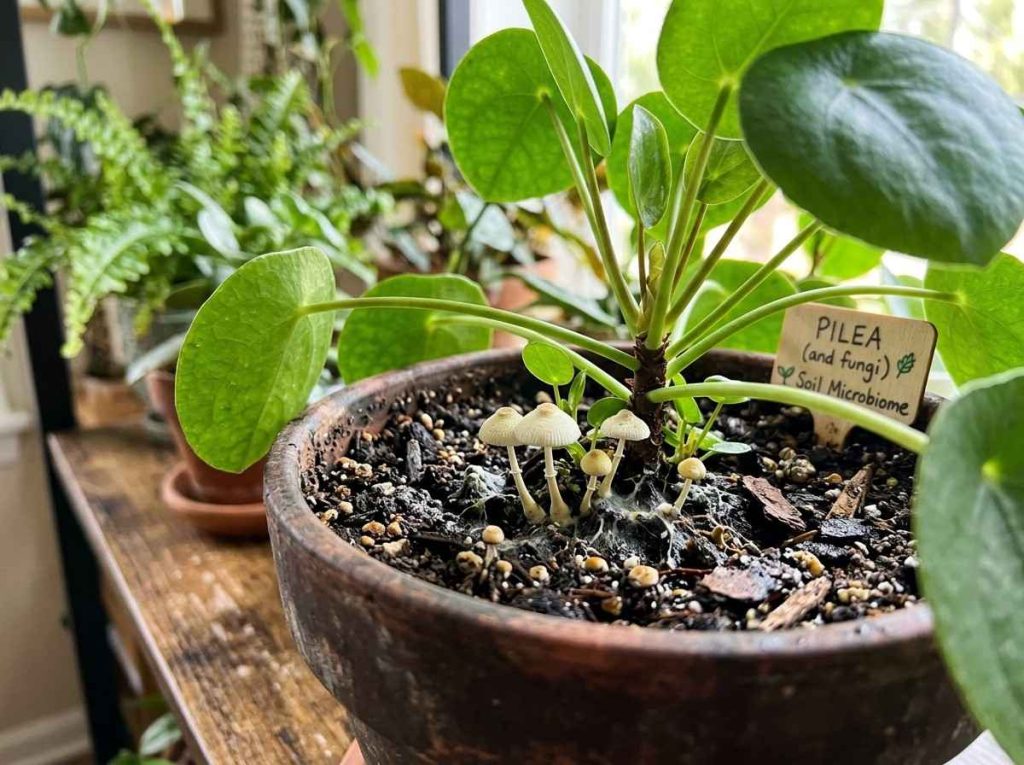
Mushrooms grow in moist, rich soil with organic matter. They indicate healthy soil conditions.
Most mushrooms do not harm plants. They help break down organic material and improve soil health.
Reduce watering and improve soil drainage. Remove mushrooms promptly to prevent spreading spores.
Some mushrooms can be toxic to pets. Keep pets away from soil with visible mushrooms.
Mushrooms usually improve soil by decomposing organic matter, making nutrients easier for plants to absorb.
Mushrooms growing in potting soil can surprise many gardeners. They often mean the soil is rich and alive. These fungi usually do not harm your plants. You can remove mushrooms by hand if you want. Keep soil dry to slow their growth.
Remember, mushrooms show your soil has good organic matter. Watch your plants and soil health closely. Enjoy your garden and its natural balance. Mushrooms are just part of the life cycle in soil.