Gardening Made Simple.
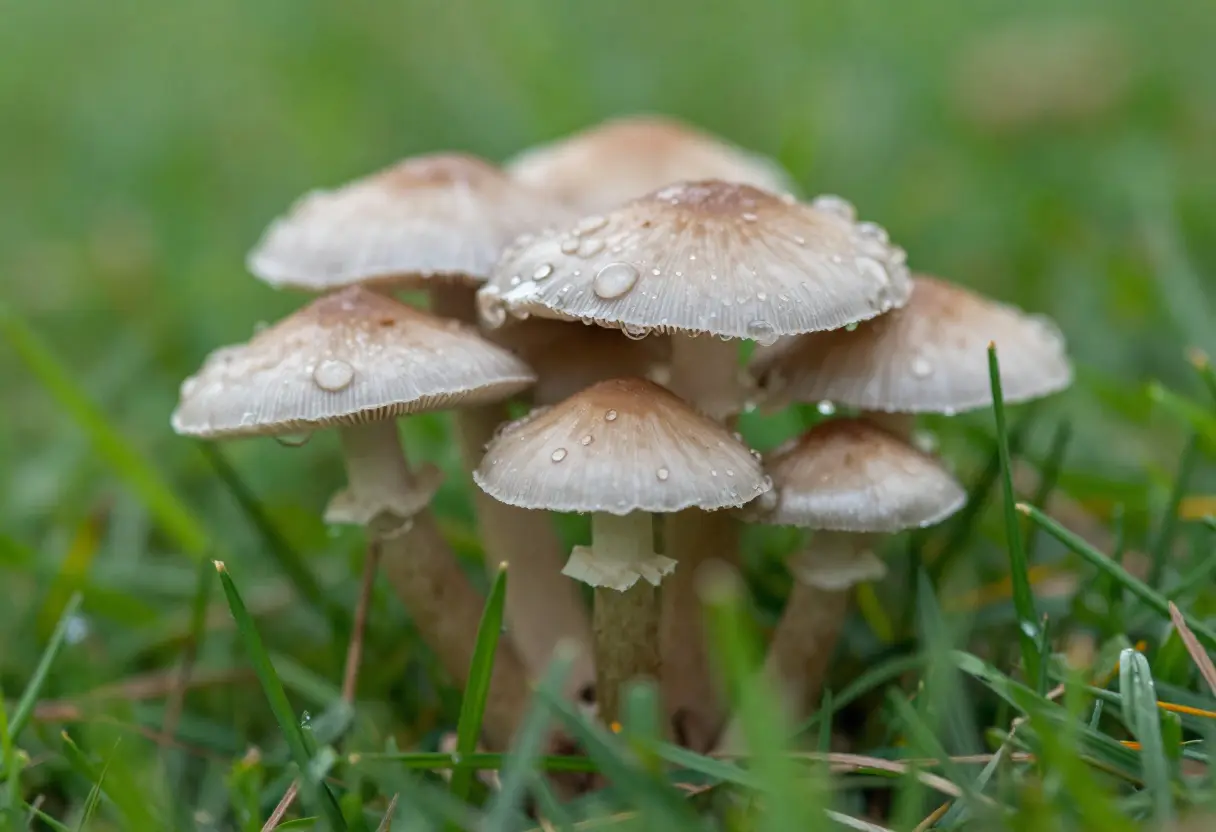
Have you noticed small mushrooms popping up on your lawn and wondered what they mean? Mushroom Growth on Lawn can be caused by natural decomposition, but knowing the risks and how to remove them safely helps protect your grass and keep your family safe.
But before you rush to remove them, it’s important to understand why mushrooms grow on your lawn and what they reveal about your yard’s health. You’ll discover the reasons behind mushroom growth and simple steps you can take to manage them effectively.
Keep reading to learn how to keep your lawn healthy and beautiful, even with mushrooms around.
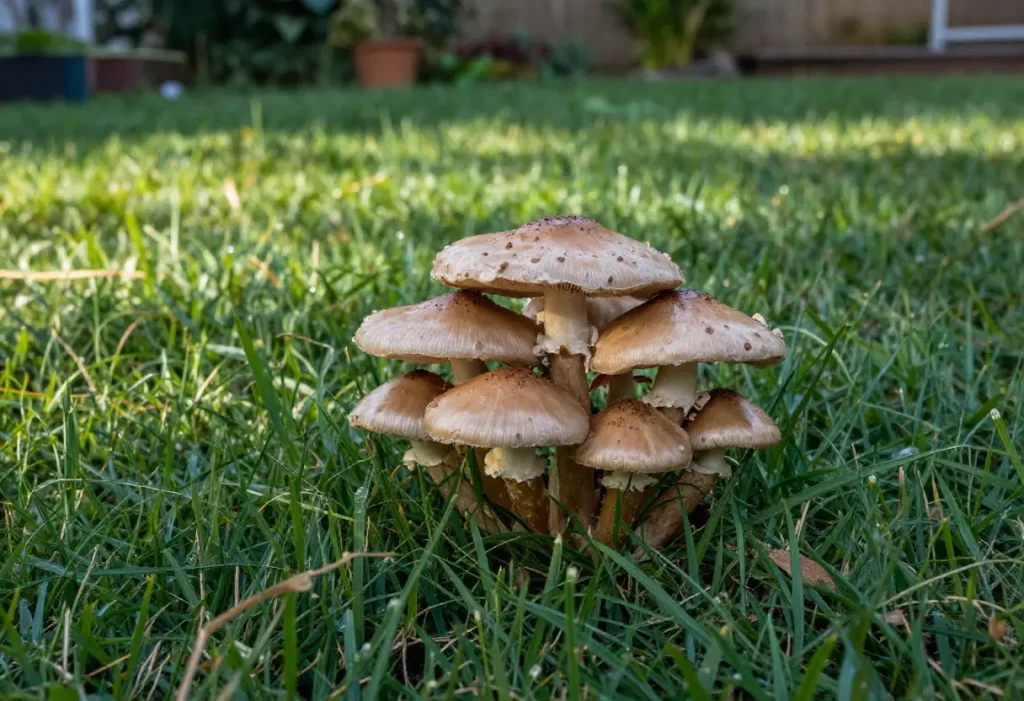
Mushrooms often appear on lawns without warning. Their sudden growth can puzzle many homeowners. Understanding why mushrooms appear helps manage them effectively. Several factors in your lawn create a perfect environment for mushrooms to grow.
Mushrooms thrive in soil that is rich and moist. Soil with good drainage but retains some moisture invites fungal growth. Compacted soil can also cause mushrooms because it holds water longer. Mushrooms break down organic material in the soil. This process helps recycle nutrients back to the lawn.
Warm and wet weather encourages mushrooms to grow quickly. Rain followed by warm temperatures creates the ideal environment. Mushrooms need moisture to sprout and spread spores. Dry or very cold weather usually stops their growth. Seasonal changes often trigger mushroom growth cycles.
Mushrooms feed on decaying organic matter in the lawn. This includes dead roots, leaves, and wood beneath the grass. Lawns with lots of organic debris provide a food source for fungi. Tree stumps or buried wood can cause mushrooms to pop up. Removing excess organic matter helps reduce mushroom growth.
Watering your lawn too much can promote mushrooms. Overwatering keeps the soil damp, perfect for fungi. Mowing grass too short can stress the lawn and create bare patches. Bare spots invite mushrooms to grow. Aerating the lawn helps improve soil drainage and reduces mushrooms.
Mushrooms on your lawn come in many types. Some are safe, some are tasty, and some can be harmful. Knowing the common mushroom types helps you manage them better. It also keeps your family and pets safe.
Poisonous mushrooms can cause illness or worse. The Death Cap is one of the most dangerous. It often looks like edible mushrooms but is deadly. Another is the Destroying Angel, which is white and smooth. Avoid touching or eating any wild mushrooms without expert advice.
Some mushrooms are safe and even good to eat. Morels are popular edible mushrooms with a honeycomb look. Chanterelles have a trumpet shape and a fruity smell. These mushrooms need proper identification before harvesting. Eating the wrong mushroom can be very risky.
Many lawn mushrooms are harmless and do not hurt grass or people. Puffballs are round and release spores when touched. Fairy rings are caused by some harmless mushrooms forming circles. These types usually do not need removal unless they bother you.
Mushrooms growing on your lawn might look harmless at first. They add a natural touch to your yard’s appearance. Yet, these fungi can bring some risks that you should know about. Understanding these risks helps you protect your family, pets, and lawn health.
Some lawn mushrooms release spores that can cause allergies. Breathing in these spores may irritate your nose and throat. Certain mushrooms are toxic if touched or eaten. Children and adults can get sick from handling them. It is best to avoid direct contact with unknown mushrooms.
Mushrooms grow from fungus roots under the soil. This fungus feeds on decaying organic matter. Sometimes, it can harm healthy grass roots too. This weakens the grass and causes brown spots. Over time, your lawn can lose its green, lush look.
Pets and children are curious and may eat mushrooms. Toxic mushrooms can cause serious illness or worse. Watch your kids and pets closely in mushroom-filled areas. Remove mushrooms promptly to reduce the risk. Keep your lawn safe for everyone to enjoy.
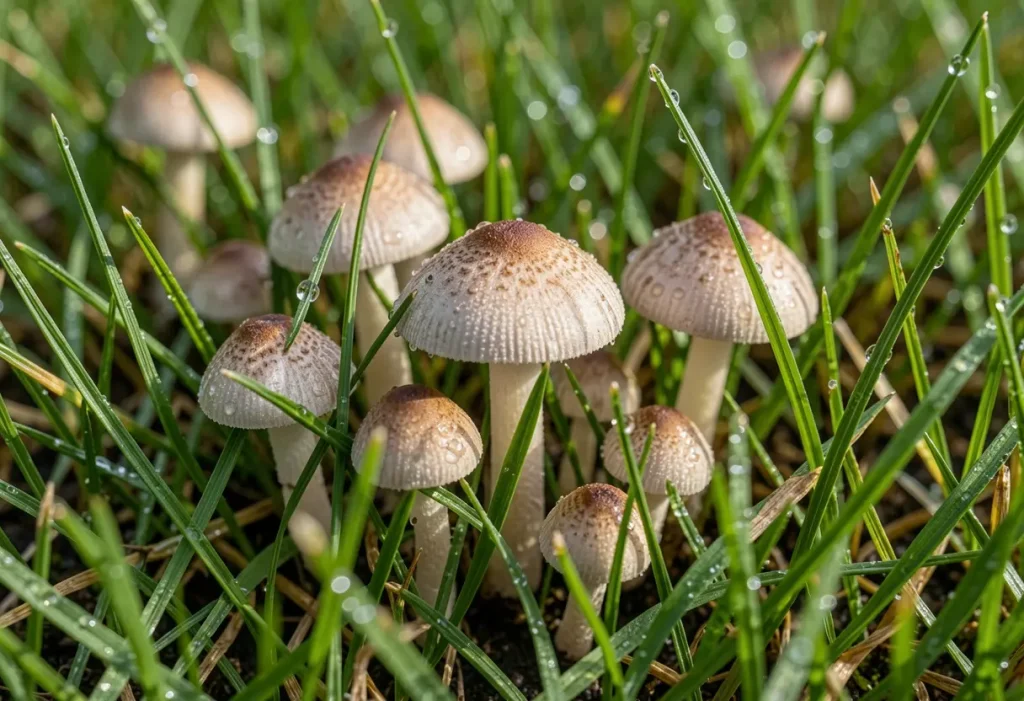
Mushrooms on your lawn can be a sign of healthy soil but may look unwanted. Removing them is simple with the right methods. Easy removal helps keep your lawn neat and healthy without harsh chemicals.
Try these practical steps to control mushroom growth and enjoy a cleaner yard.
Wear gloves to protect your hands from spores. Pull mushrooms out by the base carefully. Dispose of them in a sealed bag to avoid spreading spores. Rake the area lightly to remove any leftover bits. Do this regularly to prevent new growth.
Poor drainage creates moist spots where mushrooms thrive. Aerate your lawn to allow water to drain better. Add sand or organic matter to heavy soil. Fix low spots where water collects. Better drainage reduces mushroom-friendly conditions.
Overwatering encourages mushroom growth. Water your lawn early in the morning. Use less water and avoid watering in the evening. Let the soil dry out between watering sessions. Proper watering keeps mushrooms from growing.
Use fungicides labeled for lawn mushrooms carefully. Follow all instructions on the product label. Apply treatments during dry weather for best results. Avoid overuse to protect grass and soil health. Lawn treatments can reduce mushroom outbreaks effectively.
Preventing future mushroom growth on your lawn helps keep it healthy and neat. Mushrooms grow well in damp, shady places with lots of organic matter. Controlling these conditions reduces mushroom spores and stops them from spreading. Simple lawn care steps can make a big difference in preventing mushrooms from coming back.
Organic debris feeds mushroom growth. Leaves, grass clippings, and dead roots create a perfect home for fungi. Regularly removing this debris lowers food sources for mushrooms. Use a rake or leaf blower to clear your lawn often. Clean lawns dry out faster, making it hard for mushrooms to grow.
Aeration improves soil air and water flow. This reduces damp spots that mushrooms love. Use a lawn aerator to poke holes in the soil. These holes let oxygen reach grass roots and help water drain. Aerated lawns dry more quickly, cutting down mushroom growth chances.
Mowing your lawn at the right height keeps grass strong. Taller grass shades the soil and reduces moisture loss. Do not cut grass too short. Short grass dries out faster but weakens the lawn. Regular mowing encourages thick grass that competes with mushrooms for space.
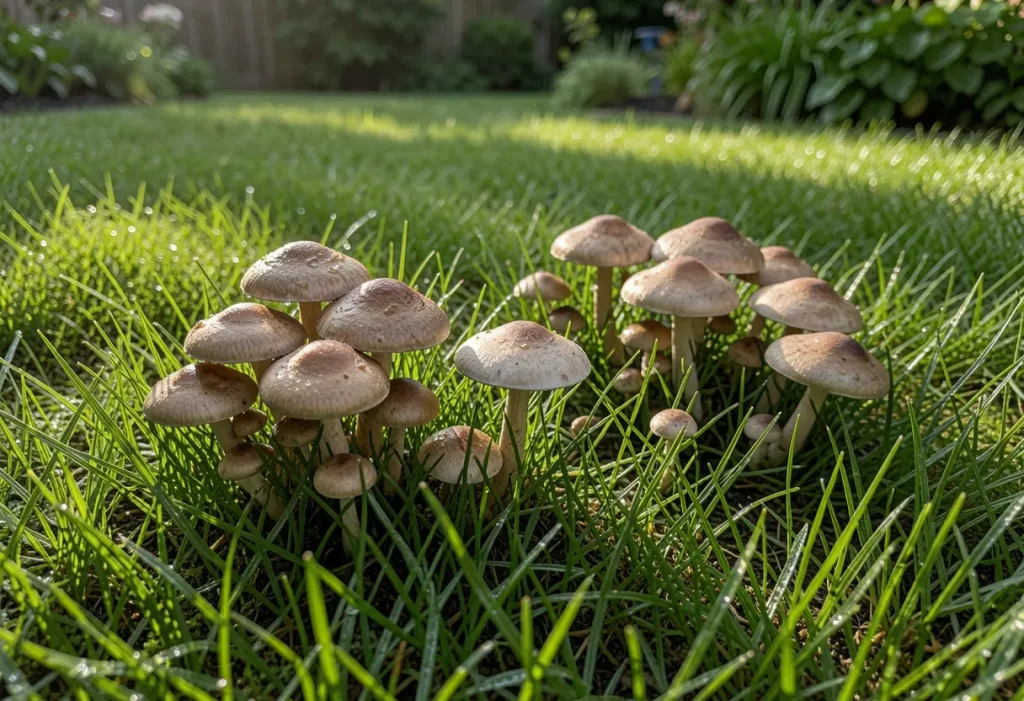
Mushrooms grow in moist, shady places with decaying organic matter like grass roots or leaves.
Most lawn mushrooms do not harm grass but indicate rich soil and moisture.
Remove organic debris, improve drainage, and reduce watering to limit mushroom growth.
Some mushrooms are toxic, so keep pets and children away from lawn mushrooms.
Mushrooms usually show healthy soil with good organic matter, not poor soil conditions.
Mushrooms on your lawn are common and usually not harmful. They grow because of moisture and organic matter in the soil. Removing mushrooms is easy by picking them up and keeping the lawn dry. Healthy grass can stop mushrooms from spreading.
Watch your lawn often to catch mushrooms early. Remember, some mushrooms can be toxic to pets and children. Keep your lawn clean and well-maintained for the best results. Enjoy a green, mushroom-free lawn with simple care steps.