Gardening Made Simple.

If you want to grow your own mushrooms or study their unique traits, collecting mushroom spores is the first crucial step. But how do you do it right? Here’s a complete guide on How to Collect Mushroom Spores to ensure perfect results every time.
You might think it’s complicated or messy, but with the right approach, it’s easier than you imagine. In this guide, you’ll discover simple, clear steps to gather mushroom spores effectively. By the end, you’ll have the confidence to start your own spore collection and unlock the fascinating world of mushrooms.
Ready to learn how? Keep reading!
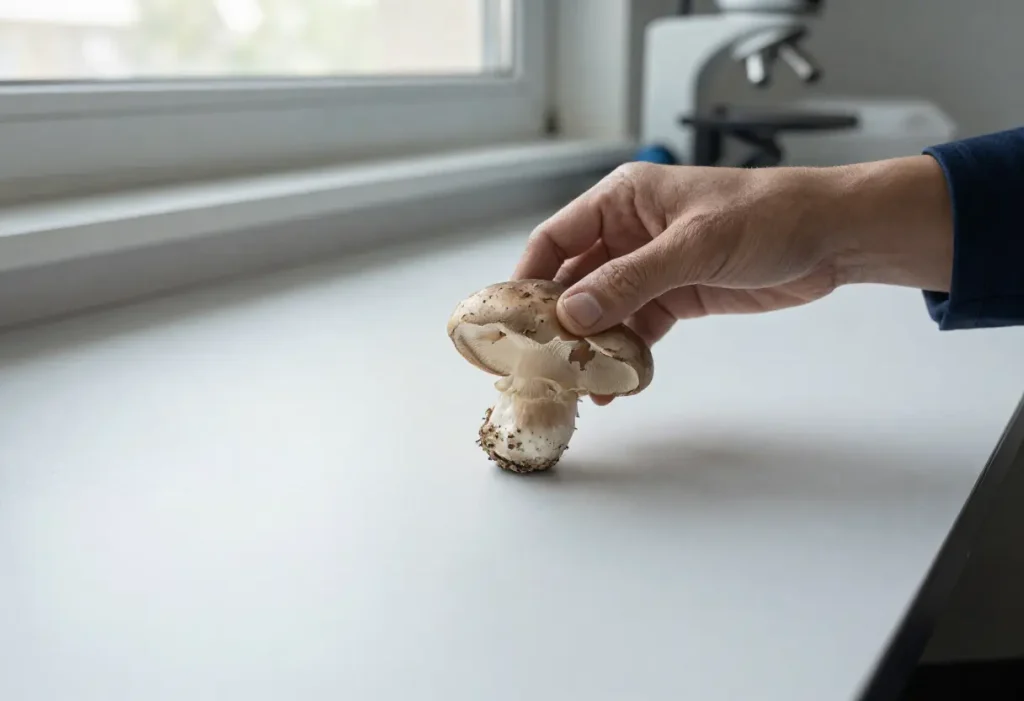
Choosing the right mushroom is the first step to collecting good spores. The quality of spores depends on the mushroom you pick. It is important to find the mushrooms that can give healthy and viable spores. This section will help you know how to select the best mushroom for spore collection.
Mature mushrooms release spores easily. They have fully opened caps and visible gills underneath. The cap edges may start to flatten or turn upward. Avoid mushrooms that are too young or too old. Young mushrooms have closed caps. Old ones may be dry or decayed.
Healthy mushrooms have firm and intact caps. Look for fresh colors and no signs of mold or pests. Avoid mushrooms with bruises or slimy spots. These defects affect spore quality. Choose mushrooms growing in clean environments to reduce contamination risks.
Collecting mushroom spores requires careful preparation. You need the right materials ready before starting. This helps you avoid mistakes and keeps your spores clean. Gathering the right tools and setting up a clean space are key steps.
Begin with a sharp knife or scalpel to cut the mushroom cap. Use clean paper or glass slides to catch the spores. A small container or paper bag helps store the spores safely. Gloves prevent contamination. A notebook is useful for recording details like mushroom type and date.
Choose a clean, dry area free from dust and wind. Wipe the surface with rubbing alcohol or disinfectant. Wash your hands well or wear gloves. Avoid touching the tools or paper directly. This reduces the chance of unwanted spores mixing with yours.
Preparing the mushroom cap is an important first step in collecting spores. It helps to get a clean and good-quality spore print. Proper preparation prevents damage and contamination. Handle the cap with care to keep spores intact and ready for collection.
Start by cutting the stem close to the cap. Use a clean, sharp knife or scissors. Avoid pulling or twisting the stem. This can harm the cap and lose spores. A clean cut helps the cap sit flat for spore release.
Hold the cap gently by its edges. Avoid touching the gills underneath. The gills hold the spores you want to collect. Place the cap upside down on a clean surface. Keep it still to catch falling spores. Careful handling preserves the spore quality and amount.
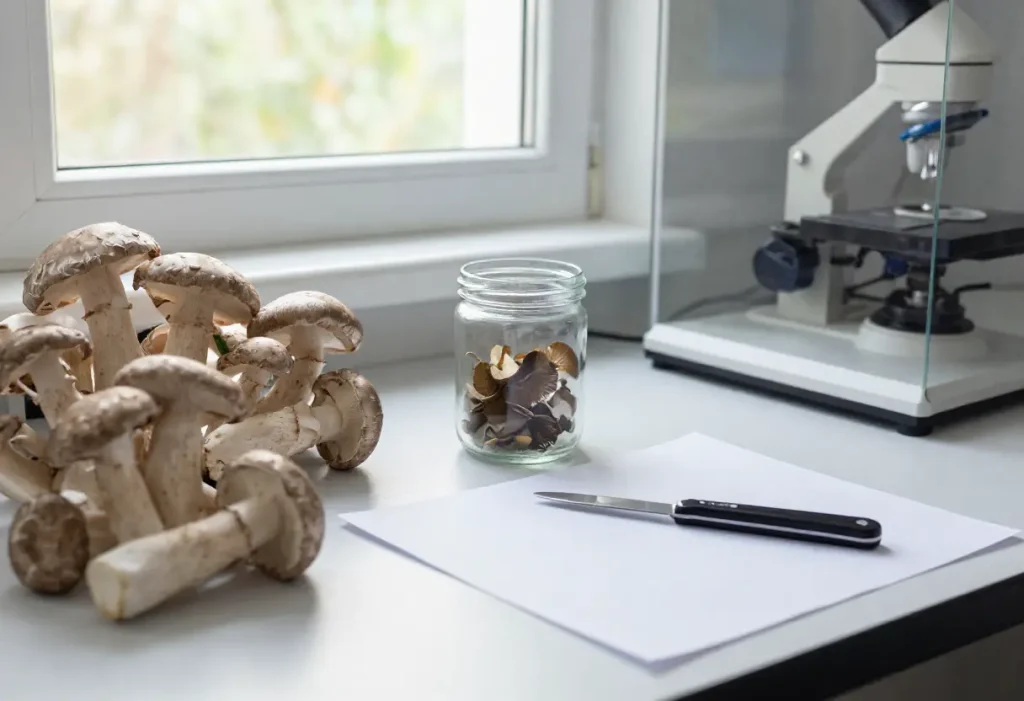
Collecting mushroom spores is a simple process anyone can do at home. Follow the steps carefully to gather healthy spores for growing or study. Each step helps protect the spores and keeps them clean. Take your time and work gently for the best results.
First, find a mature mushroom with a fully open cap. Cut the stem close to the cap using a clean knife. Place the cap, gills facing down, on a piece of white or black paper. The paper color helps you see the spores clearly. Make sure the cap sits flat and steady on the paper.
Cover the mushroom cap with a glass or bowl. This keeps moisture in and stops air from blowing spores away. Leave the setup in a safe place without disturbance. Wait for 12 to 24 hours. During this time, spores will fall from the gills onto the paper.
Carefully lift the glass or bowl. Gently remove the mushroom cap from the paper. Avoid shaking or moving the paper too much. You will see a spore print on the paper. Let the print dry for a few hours before storing or using it.
Collecting mushroom spores is just the first step. Knowing how to store and use them properly helps keep spores alive and healthy. Good storage keeps spores fresh for months. Using spores correctly boosts your chances of growing strong mushrooms.
Store spores in a cool, dry place. Avoid heat and moisture, which can kill spores quickly. Use airtight containers like small glass jars or sealed plastic bags. Label containers with the mushroom type and date collected.
Keep spores away from direct sunlight. Light can damage them. Refrigeration helps but avoid freezing spores unless you know the exact method. Check spores regularly for mold or moisture. Discard any that look damaged.
Use spores to start growing mushrooms on a suitable medium. Sterilized grain or sawdust works well. Spread spores evenly to encourage growth. Maintain clean tools and hands to avoid contamination.
Keep the growing area warm and humid. Spores need these conditions to germinate and form mycelium. Watch for white threads, which show mycelium growth. Once strong, move to a fruiting environment for mushrooms to develop.
Collecting mushroom spores can be tricky. Small mistakes cause big problems. Troubleshooting helps fix these issues quickly. This section covers common problems and how to solve them. Focus on two main points: avoiding contamination and ensuring spore viability. Both are key for good spore collection results.
Contamination is the biggest challenge in spore collection. Dust, bacteria, and mold can ruin spores. Work in a clean area. Use rubbing alcohol to clean tools and surfaces. Wear gloves to stop germs from spreading. Avoid touching the spore print with bare hands. Keep the mushroom cap covered until ready to collect spores. Collect spores in a draft-free space to prevent airborne particles from landing on them.
Fresh spores grow better. Collect spores from mature mushrooms with open caps. Avoid spores from old or damaged mushrooms. Store spores in a cool, dry place to keep them healthy. Use sterile containers for storage. Avoid moisture build-up inside containers. Check spores regularly for signs of mold or decay. Use spores quickly for best results. Old spores may lose the ability to grow.
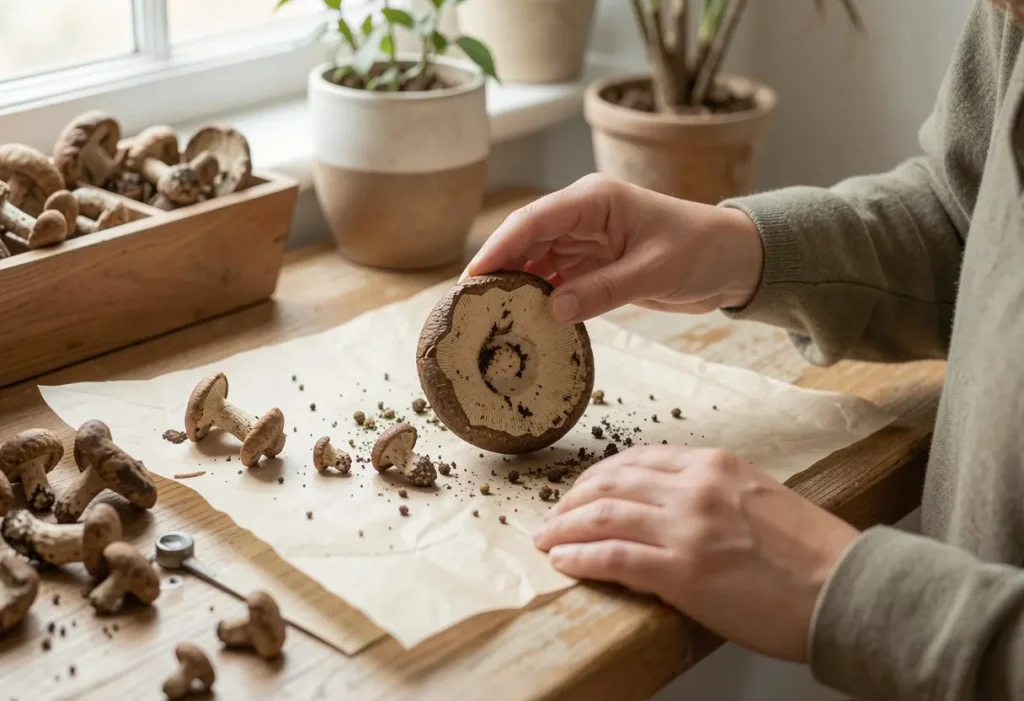
Mushroom spore collection means gathering tiny spores from mushroom caps for growing or study.
Collect spores when the mushroom cap fully opens and releases spores easily.
Cut the mushroom cap and place it gill-side down on paper or foil.
You need fresh mushrooms, paper or foil, a knife, and a clean container.
Keep spores in a dry, cool place inside a sealed container or envelope.
Collecting mushroom spores is simple with the right steps. Use clean tools and a dry area to avoid contamination. Be patient and gentle when handling mushrooms. Store spores carefully for future use or growing. This process helps you explore mushroom cultivation at home.
Keep practicing to improve your skills over time. Enjoy the fascinating world of mushrooms and their spores.