Gardening Made Simple.
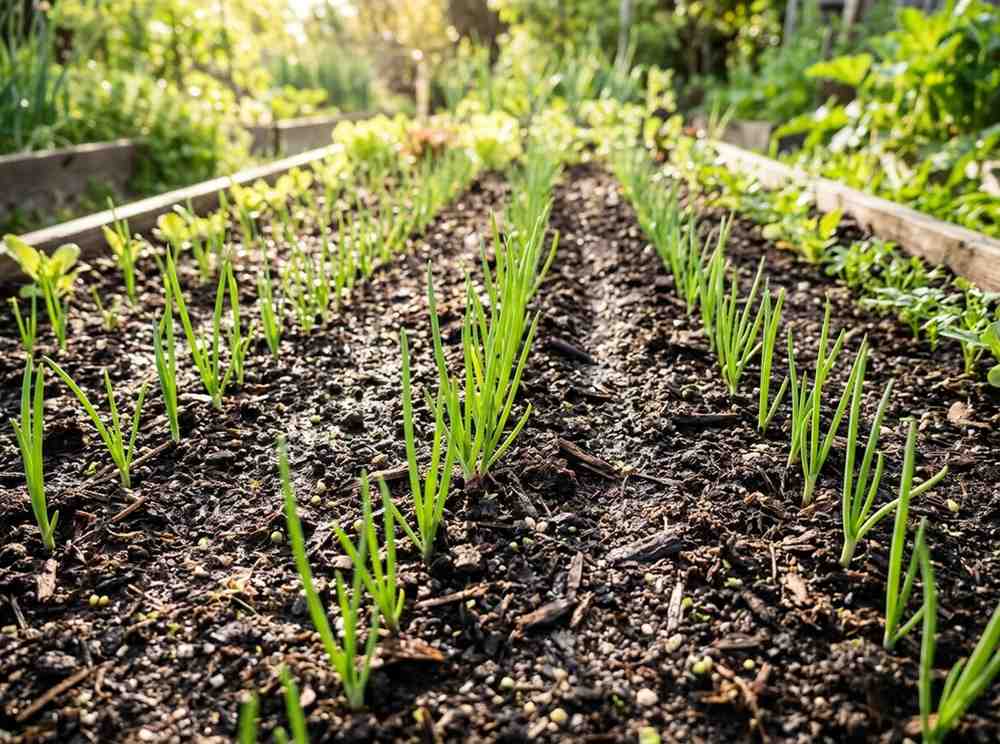
If you want to add vibrant color and rich flavor to your meals, growing red onions in your garden is a great choice. But how do you get started? Learning How to Plant Red Onions is the first step to growing healthy, flavorful bulbs right at home.
You might wonder about the best soil, the right time to plant, or how to care for your onions so they grow big and tasty. This guide will walk you through every step, making it easy for you to grow healthy red onions, even if you’re new to gardening.
Keep reading, and you’ll soon be harvesting your own fresh, crunchy red onions right from your backyard.
Choosing the right red onion variety is key to a healthy, tasty harvest. Not all red onions grow well in every place. Pick the variety that suits your local climate and day length. This choice helps your onions grow big and sweet.
Red onions need the right amount of daylight to grow bulbs. Short-day onions start forming bulbs when daylight lasts 10 to 12 hours. These onions suit places with mild winters and warm springs.
Long-day onions need 14 to 16 hours of daylight to bulb well. They grow best in northern areas with long summer days. Choosing the right day-length type helps onions develop fully.
Warm climates do best with short-day red onions like 'Texas Super Sweet' or 'Red Creole'. These onions handle heat and produce good bulbs.
Cooler climates fit long-day varieties such as 'Red Wing' or 'Walla Walla Sweet'. They thrive in places with long sunny days in summer.
Match your onion variety to your climate for strong growth and rich flavor.
Preparing the soil is the first step to grow healthy red onions. Good soil helps onions grow strong and tasty. The soil must be ready to hold water and nutrients well. Check the soil before planting. Fix any problems to give your onions a good start.
Red onions grow best in loose, sandy, or loamy soil. This soil drains water well and lets roots breathe. Avoid heavy clay soil because it holds too much water. The ideal pH level for red onions is between 6.0 and 7.0. Test the soil pH using a simple kit. Adjust pH by adding lime to raise it or sulfur to lower it.
Onions need rich soil with many nutrients. Mix well-rotted compost or aged manure into the soil. This adds organic matter and nutrients. Avoid fresh manure because it can burn young onion roots. Fertilize the soil with a balanced fertilizer before planting. This helps onions grow big and strong bulbs.
Remove weeds, rocks, and debris from the planting area. Clear the space to reduce competition for nutrients. Use a hoe or rake to loosen the soil to a depth of 8 to 10 inches. Tilling breaks up hard soil and improves drainage. Smooth the soil surface before planting your red onion sets or seeds.
Selecting onion sets or seeds is the first step in planting red onions. This choice affects how quickly your onions grow and how easy they are to care for. Both options have benefits. Understanding these will help you start your onion garden on the right foot.
Onion sets are small, immature onion bulbs. They sprout quickly after planting. This means a faster harvest compared to seeds. Onion sets are easier to handle and plant. They have a higher chance of survival in the garden. They resist pests and diseases better than seeds. This makes them a good choice for beginners.
Starting onions from seeds gives more variety. You can choose from many red onion types. Seeds need more time to grow. They require indoor starting before transplanting outside. Growing from seeds takes patience but saves money. Seeds also allow control over planting time. This method suits gardeners who enjoy the full growing process.
Choose reliable nurseries or seed catalogs for onion sets and seeds. Quality bulbs are firm and free from damage. Avoid soft or moldy sets to prevent poor growth. Check for certified disease-free labels. Buying early ensures the best selection. Trusted sources help your onions grow healthy and strong.
Planting red onions correctly ensures a healthy and strong crop. Proper techniques help bulbs grow large and flavorful. This section explains key steps for planting success.
Plant red onions early in spring. Soil should be workable and not frozen. Ideal soil temperature is about 50°F (10°C). In mild climates, plant in late winter. Avoid planting in hot summer months.
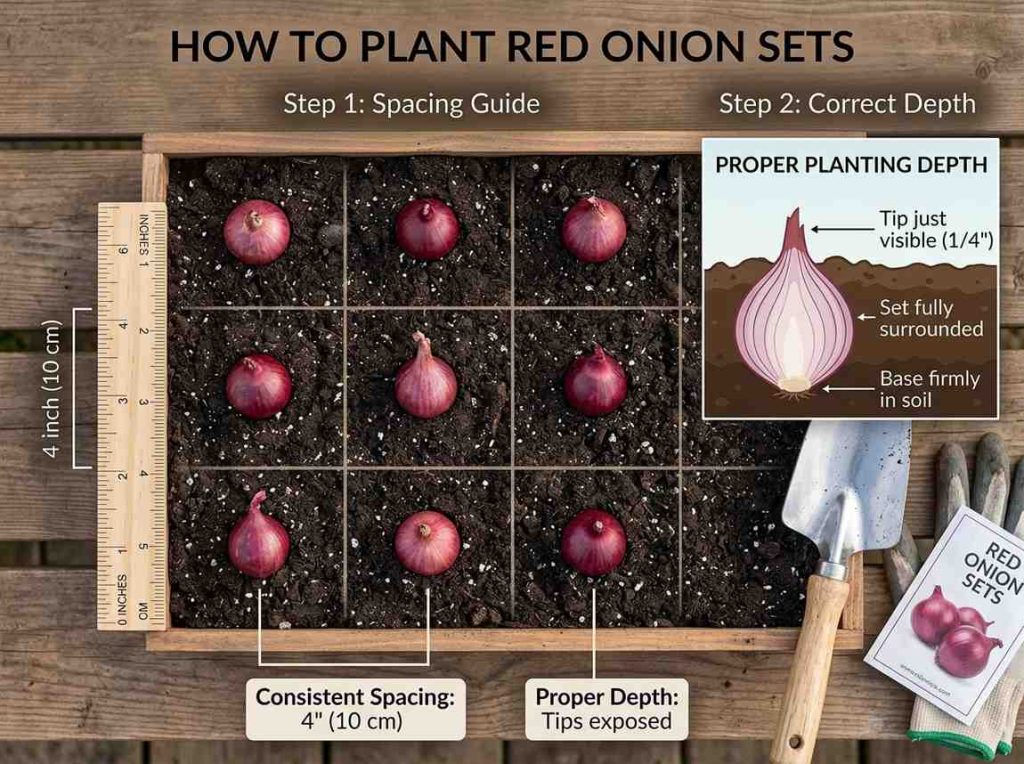
Space onion sets or seedlings 4 to 6 inches apart. Rows should be 12 to 18 inches apart. Plant onions 1 inch deep for best growth. Too deep planting slows bulb development. Proper spacing allows air flow to prevent disease.
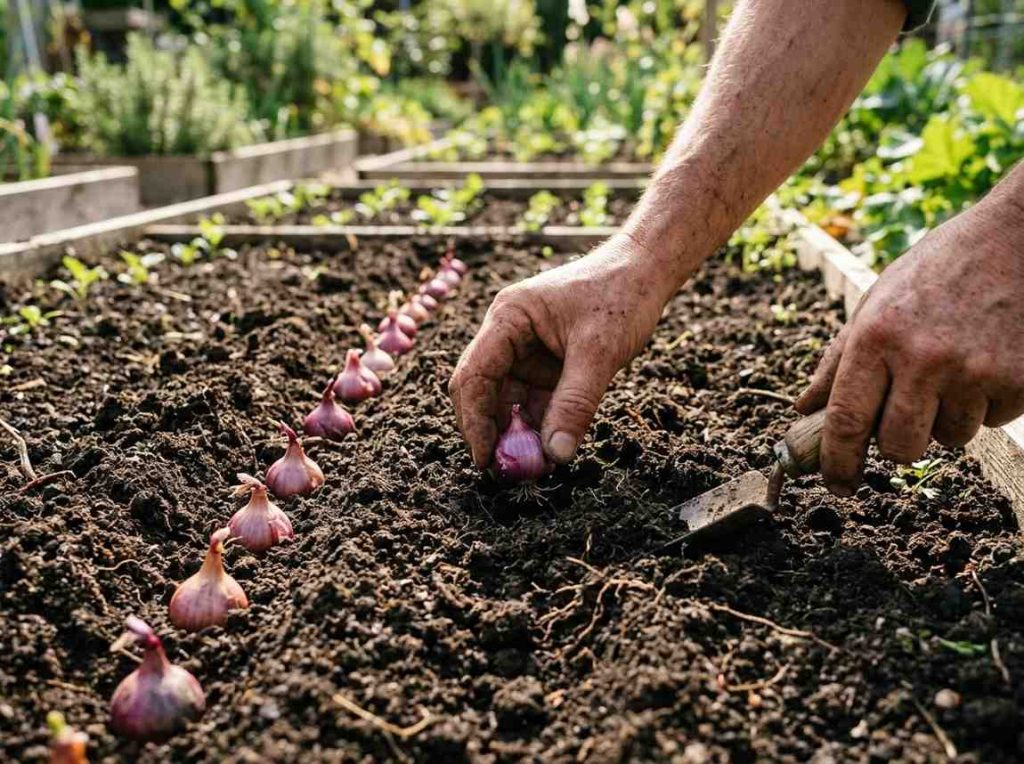
Prepare soil by loosening it to 8 inches deep. Mix in compost for nutrients and drainage. Place onion sets with pointed end up. Cover lightly with soil and press gently. Water immediately after planting to settle soil. Keep soil moist but not soggy.
Watering and fertilizing are key to growing healthy red onions. Proper care helps onions develop strong roots and tasty bulbs. Too little or too much water or fertilizer can harm your plants. Follow clear steps to give your onions what they need.
Red onions need steady moisture. Water them once or twice a week. Check soil before watering. It should feel dry one inch below the surface. Water early in the morning to reduce evaporation. Keep soil moist but not soggy. Adjust watering in hot or dry weather.
Use balanced fertilizers with nitrogen, phosphorus, and potassium. A 10-10-10 mix works well. Apply fertilizer before planting and again after shoots appear. Spread fertilizer evenly around plants, avoiding direct contact with leaves. Organic options like compost or manure also feed onions slowly.
Too much water causes root rot and weak bulbs. Watch for yellow leaves or soft stems. Ensure soil drains well to stop water from pooling. Use raised beds if your soil holds water. Let soil dry slightly between watering sessions.
Controlling pests and diseases is key to growing healthy red onions. These problems can damage plants and lower your harvest. Knowing how to spot common pests and diseases helps protect your crop early. Using safe and natural methods keeps your garden healthy and chemical-free.
Red onions attract pests like onion maggots, thrips, and aphids. Onion maggots eat roots, causing plants to wilt. Thrips suck sap and leave silver marks on leaves. Aphids also suck plant juices, spreading diseases. Watch leaves and soil for tiny insects or damage.
Rot, mildew, and fungal infections often affect red onions. Avoid overwatering to stop root rot. Plant onions in well-drained soil and avoid crowded rows. Rotate crops yearly to reduce disease buildup in soil. Remove any sick plants quickly to prevent spreading.
Use natural predators like ladybugs to eat aphids. Sprinkle diatomaceous earth around plants to deter soft-bodied pests. Plant herbs such as garlic or chives nearby to repel insects. Water plants early in the day to reduce fungal growth. Handpick pests off plants for small gardens.
Weeding and mulching are key steps in growing healthy red onions. Weeds steal water and nutrients from your onions. Mulching helps keep weeds down and soil moist. These practices improve onion growth and yield.
Remove weeds early before they spread. Hand-pull weeds around your onions carefully. Use a hoe to cut weeds at the soil surface. Avoid disturbing onion roots. Keep the area weed-free throughout the season.
Mulch keeps soil moist by reducing evaporation. It lowers soil temperature for better root growth. Mulch blocks sunlight, preventing new weeds from growing. It also adds organic matter to the soil as it breaks down.
Use straw or dried grass for light, airy mulch. Wood chips work well but may slow nitrogen release. Black plastic mulch warms soil and controls weeds effectively. Choose mulch materials that suit your climate and soil type.
Harvesting red onions is an important step to enjoy their full flavor and long shelf life. Knowing when and how to harvest ensures the best quality onions. Proper care during harvesting helps prevent damage and spoilage.
Red onions are ready to harvest when their tops fall over and dry. The leaves turn brown and start to shrivel. The bulbs should be firm and have a deep red color. Avoid harvesting too early to get the best taste and size.
Loosen the soil gently around the onions. Pull the onions by the base of the stem, not the leaves. Handle bulbs carefully to avoid bruises or cuts. Allow the onions to dry on the soil surface for a few hours.
Move onions to a dry, well-ventilated area for curing. Spread them out in a single layer, not touching each other. Cure for 2 to 3 weeks until the outer skins are papery. Store onions in a cool, dry place with good air flow. Avoid plastic bags to prevent moisture buildup.
Growing red onions can be a rewarding experience. Sometimes, problems may appear in your onion patch. Knowing how to fix these common issues helps your onions grow healthy and strong. Troubleshooting quickly can save your plants and improve your harvest.
Yellow leaves often mean your onions need more nutrients. Lack of nitrogen is the usual cause. Use a balanced fertilizer to feed your plants. Water your onions properly. Too much or too little water can stress them. Check the soil moisture regularly to keep it just right.
Small or oddly shaped bulbs happen if onions grow too close. Space your onion sets at least four inches apart. This gives them room to develop. Uneven watering also affects bulb shape and size. Keep the soil moist but not soggy. Harvest onions at the right time to avoid small bulbs.
Rot is a serious issue that can ruin your crop. It happens in wet, poorly drained soil. Plant onions in raised beds or well-drained ground. Avoid overwatering your onions. Remove any rotten onions immediately to stop spread. Use fungicide treatments if needed, following instructions carefully.
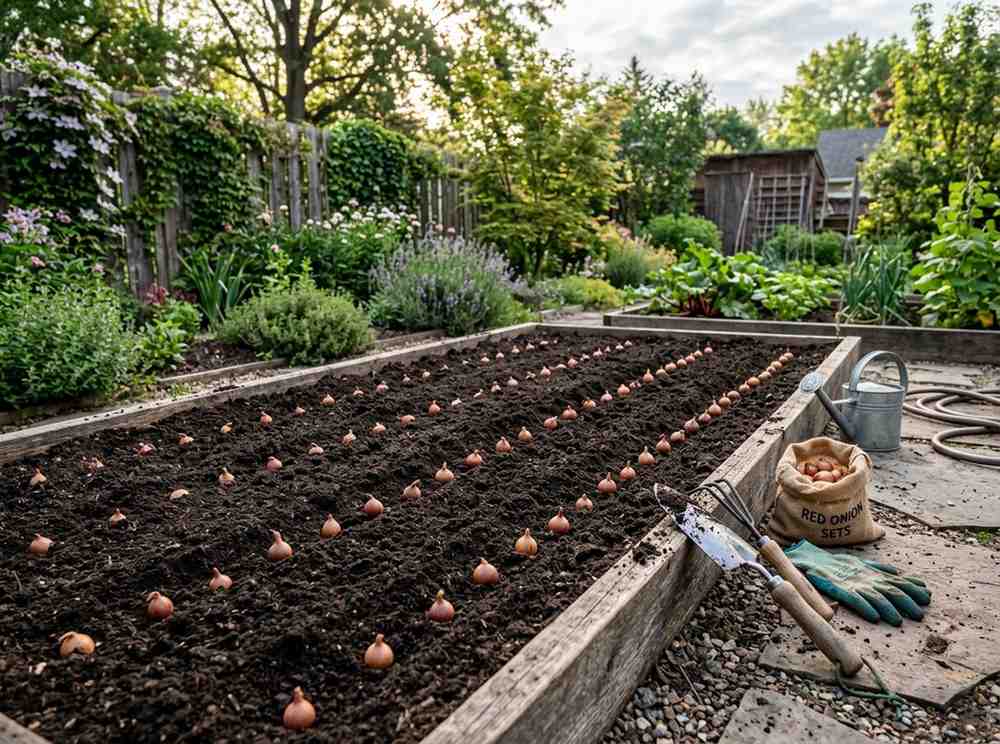
Plant red onion bulbs about 1 inch deep in loose, well-drained soil.
Plant red onions in early spring or late fall for best growth.
Red onions need at least 6 hours of direct sunlight each day.
Water red onions regularly, keeping the soil moist but not soggy.
Yes, red onions grow well in containers with good soil and drainage.
Planting red onions is simple and rewarding. Choose healthy bulbs and good soil. Water them regularly but avoid too much water. Give your onions plenty of sunlight each day. Watch them grow steadily over the weeks. Harvest when the tops start to fall.
Store them in a dry, cool place. Growing your own red onions saves money and tastes better. Enjoy fresh onions in your meals anytime. Start planting today and see the results soon!