Gardening Made Simple.
Organic Solutions for Garden Plant Problems help you protect your garden naturally without relying on harsh chemicals. If you're looking for organic solutions for garden plant problems, natural pest control, healthy soil practices, and eco-friendly treatments can keep your plants strong and productive. This guide shares safe, effective methods to prevent and solve common garden problems while supporting a healthier environment.
What if there was a way to solve common garden problems naturally, keeping your plants healthy and your environment safe? You’ll discover simple, organic solutions that work wonders for your garden. By using these easy methods, you’ll protect your plants, boost their growth, and enjoy a flourishing garden—all without harmful chemicals.
Keep reading to transform your garden the natural way!
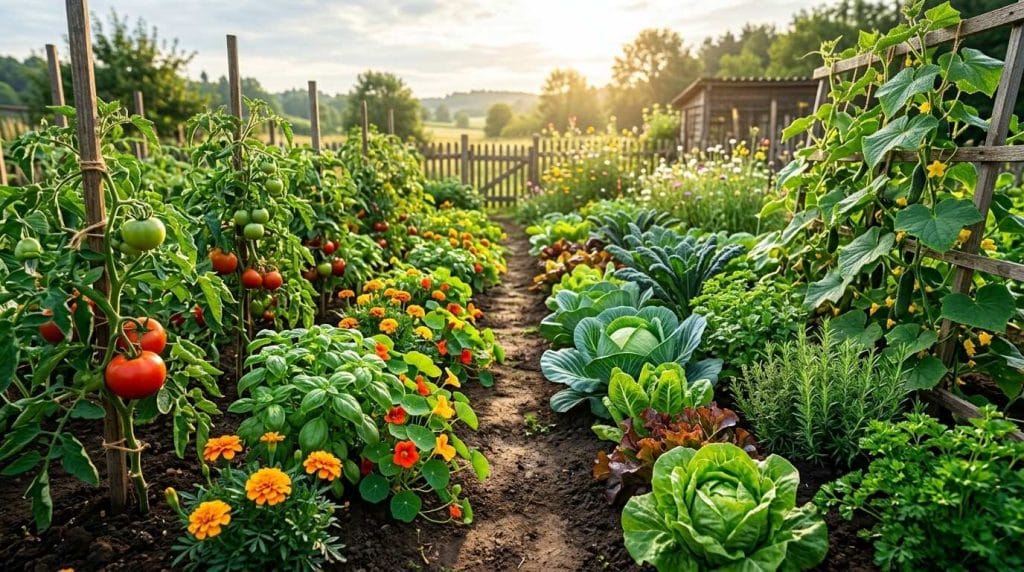
Garden plants face many problems that can stop them from growing well. Knowing common issues helps you take care of your plants better. Plants can suffer from pests, diseases, lack of nutrients, and stress from their environment. Each problem needs a careful, natural approach to fix it.
Small bugs can harm plants by eating leaves and stems. Aphids, caterpillars, and spider mites are common pests. These insects can spread diseases too. Use natural methods like neem oil or insecticidal soap to control them. Encourage helpful insects like ladybugs to keep pests low.
Fungi cause spots, mold, and rot on plants. Wet and humid conditions make fungi grow fast. Powdery mildew and root rot are common fungal issues. Remove affected parts and improve air flow around plants. Organic fungicides made from sulfur or copper can help control fungi safely.
Plants need nutrients like nitrogen, phosphorus, and potassium to grow strong. Yellow leaves or stunted growth often show nutrient lack. Use compost or natural fertilizers to add nutrients to soil. Test soil to know what your plants need most.
Heat, cold, too much sun, or water can hurt plants. Stress makes plants weak and less able to fight pests or diseases. Provide shade during hot days and mulch to keep soil moist. Water plants deeply but not too often for best growth.
Natural pest control methods protect garden plants without harsh chemicals. These methods keep your garden healthy and safe for people and pets. They work by using natural ingredients and living creatures to reduce pests. This approach supports the environment and encourages strong plant growth.
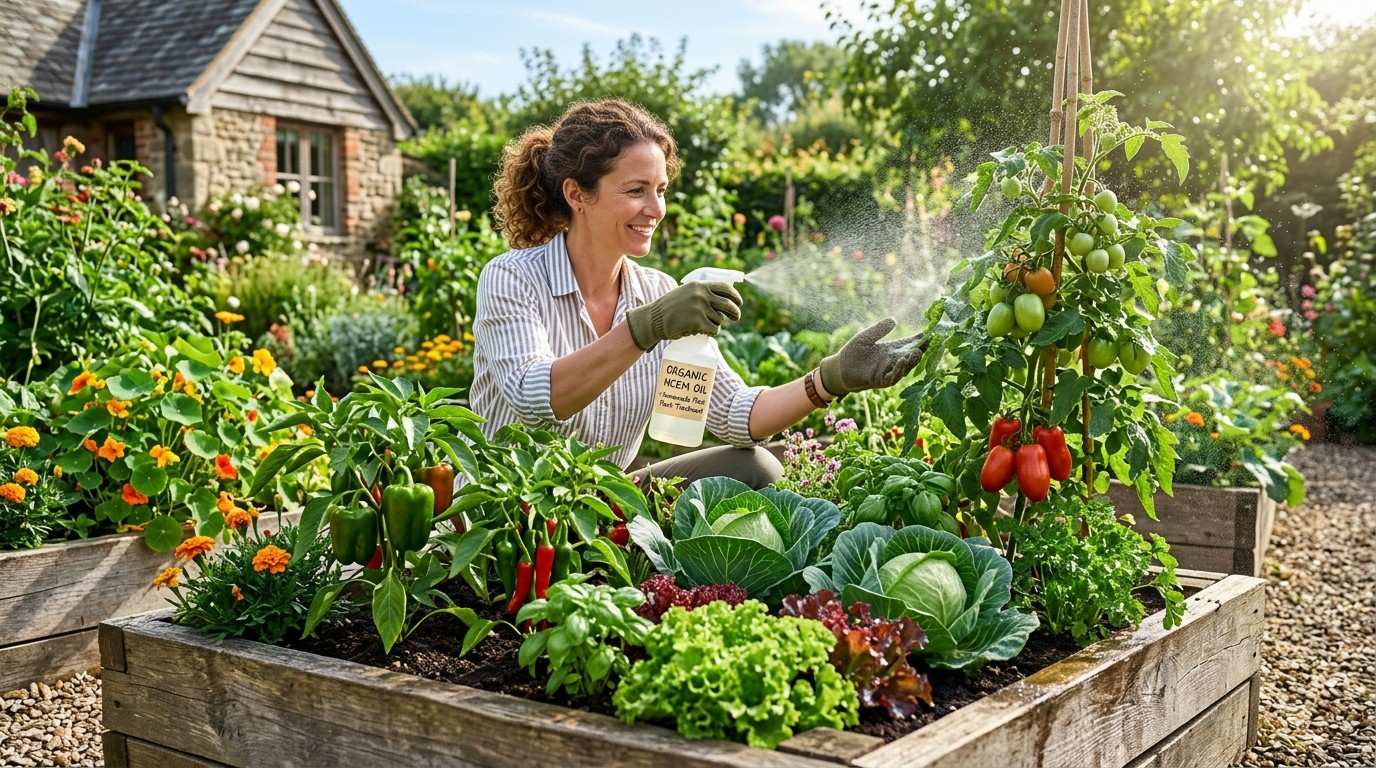
Neem oil comes from the neem tree seeds. It acts as a natural pesticide and repellent. Spray neem oil on leaves to stop insects from feeding. It interrupts the life cycle of pests like aphids and mites. Neem oil is safe for beneficial insects and breaks down quickly in soil.
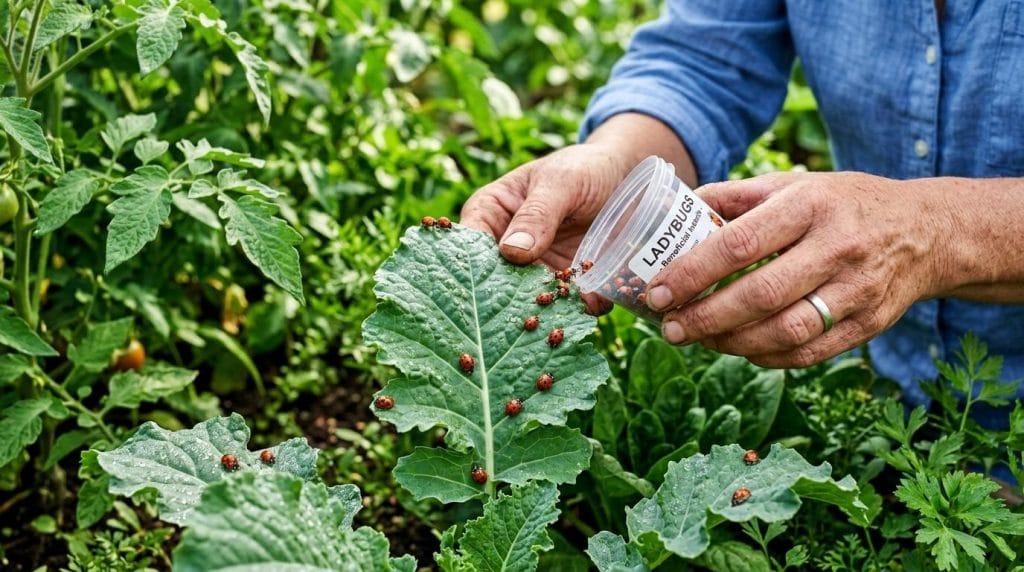
Beneficial insects eat harmful pests in your garden. Ladybugs, lacewings, and praying mantises are common examples. Release these insects near affected plants to reduce pests naturally. They target aphids, caterpillars, and whiteflies without damaging plants. This method helps maintain a balanced garden ecosystem.
Homemade sprays use natural ingredients to fight pests. Mix water with garlic, soap, or chili peppers to make a spray. Apply it on plants to repel or kill insects. This spray is cheap and easy to prepare at home. It controls many common pests without toxic chemicals.
Companion planting grows different plants close together for pest control. Some plants repel insects naturally. For example, marigolds keep nematodes away from tomatoes. Basil planted near peppers can reduce aphids. This method also attracts beneficial insects and improves garden health.
Fungal diseases can harm garden plants and stop their growth. These diseases spread quickly in wet and warm conditions. Many gardeners prefer natural ways to fight these problems. Using organic methods keeps plants healthy without harmful chemicals.
Natural solutions often work well to stop fungi. They protect plants and help the garden thrive. Try these simple and safe methods to keep fungal diseases away.
Baking soda is a common kitchen item that fights fungi. Mix one teaspoon of baking soda with one quart of water. Add a few drops of mild soap to help it stick to leaves. Spray this solution on plants to stop fungal growth. Use it once a week for best results. Baking soda changes the leaf surface, making it hard for fungi to grow.
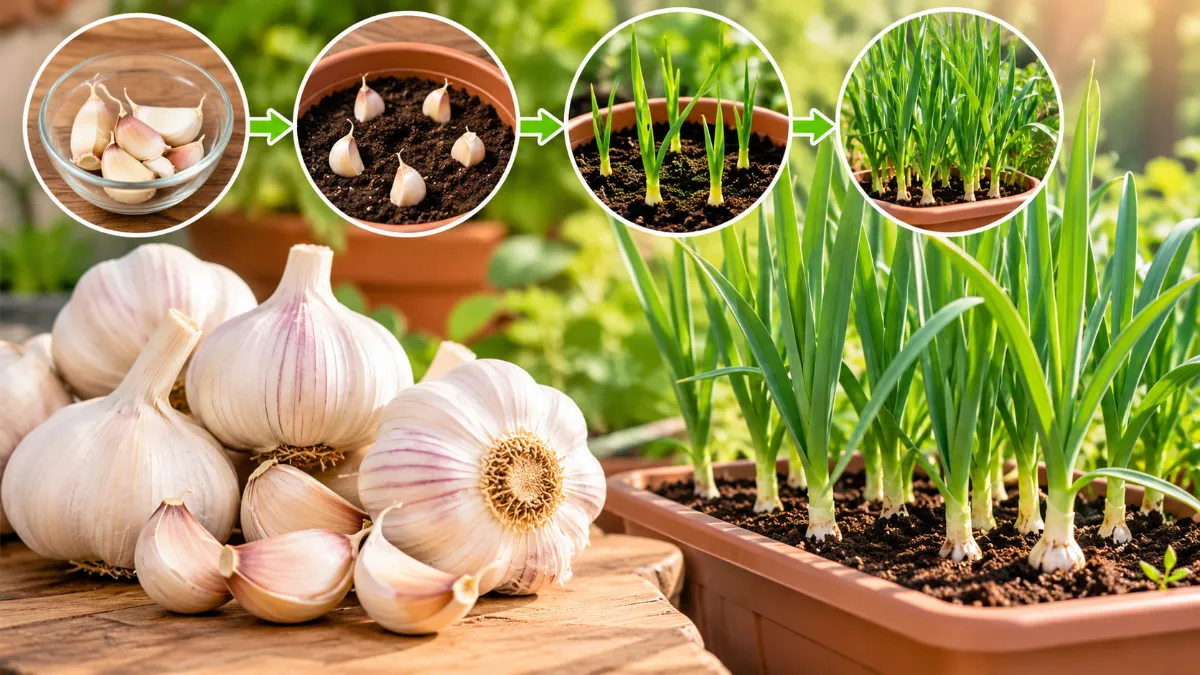
Garlic and onions have natural antifungal properties. Crush a few cloves or bulbs and soak them in water overnight. Strain the mixture and spray it on infected plants. These extracts kill fungi and keep plants strong. Repeat every seven days for protection. This method is safe and easy to prepare at home.
Good air flow helps plants stay dry and healthy. Space plants properly to avoid crowding. Prune dense foliage to allow more air movement. Remove weeds that block air around plants. Dry leaves slow fungal growth and reduce disease risk. Air circulation is a simple way to keep fungi away.
Cut off leaves or stems with fungal spots. Use clean tools to avoid spreading disease. Dispose of infected parts far from the garden. Removing damaged areas stops fungi from spreading. Regular checks help catch problems early and protect plants.
Boosting plant nutrition organically helps gardens grow healthy and strong. Using natural methods improves soil health and plant growth. It avoids harmful chemicals that can damage the environment and plants.
Organic nutrition supports beneficial insects and microbes. These living helpers keep plants safe and promote nutrient uptake. Healthy soil means healthy plants that resist diseases better.
Composting turns kitchen scraps and yard waste into rich soil food. It adds nutrients and improves soil structure. Simple materials like fruit peels, leaves, and grass clippings work well.
Keep the compost moist and turn it often to speed up decay. Finished compost looks dark and crumbly. Mix it into garden beds for best results.
Liquid fertilizers made from kitchen waste feed plants quickly. Soak banana peels, eggshells, or coffee grounds in water for a few days. Strain the liquid and use it to water plants.
This natural feed gives plants minerals and vitamins. It is gentle and safe for all garden plants. Use regularly to boost plant growth without chemicals.
Mulch covers soil to keep moisture in and weeds out. Organic mulches like straw, wood chips, or leaves slowly break down. They add nutrients back to the soil as they decay.
Mulch also protects roots from extreme temperatures. It improves soil texture and supports earthworms. Spread mulch around plants to keep them healthy and hydrated.
Crop rotation means changing plant types in the same spot each season. It prevents soil nutrient depletion and reduces pests. Different plants use and add different nutrients.
Rotate beans, leafy greens, and root crops to keep soil balanced. This practice helps maintain soil fertility naturally. It lowers the need for added fertilizers and keeps plants vigorous.
Plants face many challenges from the environment. Stress from heat, wind, or poor soil affects their growth. Managing environmental stress is key to healthy gardens. Simple organic methods help plants stay strong and grow well.
Water plants deeply but less often to encourage strong roots. Early morning watering reduces water loss by evaporation. Use rainwater if possible; it is free of chemicals. Mulch around plants to keep soil moist longer. Avoid overwatering, which can harm roots and cause disease.
Provide shade during the hottest part of the day to prevent leaf burn. Use shade cloths or plant taller companion plants nearby. Wind can dry out plants quickly and break stems. Create windbreaks using fences or rows of shrubs. Protect young plants with small barriers or covers.
Healthy soil supports strong plant growth and fights stress. Add compost or organic matter to enrich soil nutrients. Use natural mulches to keep soil temperature steady and reduce weeds. Avoid chemical fertilizers that may harm soil life. Check soil pH and adjust with lime or sulfur as needed.
Extreme temperatures harm plants and slow growth. Use mulch to cool soil in summer and warm it in winter. Cover plants with row covers or cloth to protect from frost. Plant heat-tolerant varieties in hot areas. Position plants where they get morning sun and afternoon shade.
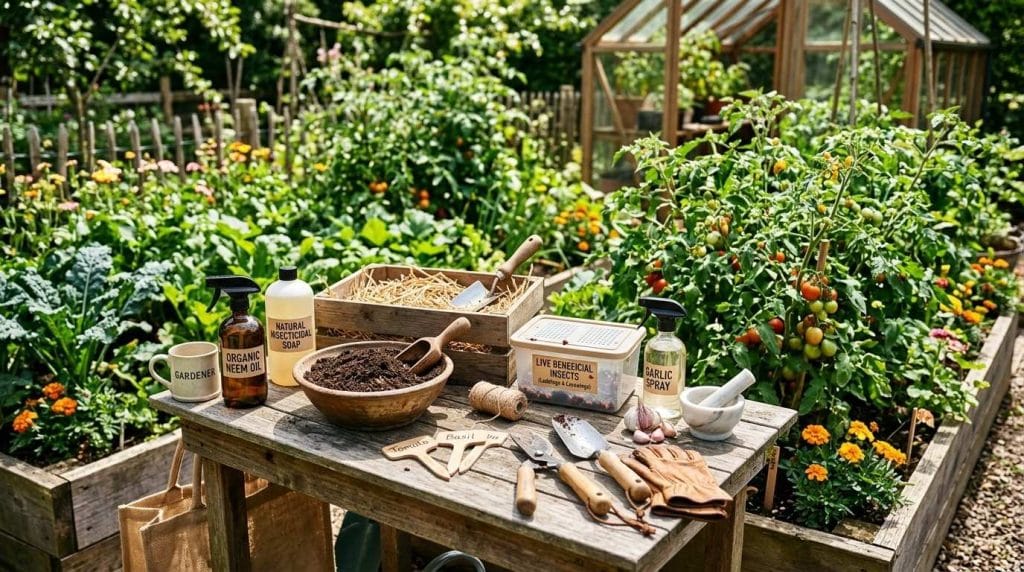
Organic gardening needs the right tools and supplies. These help plants grow healthy without chemicals. Using natural products supports the earth and your garden’s health. Choosing the best tools makes gardening easier and more fun.
Simple tools can do big jobs. A trowel helps dig small holes for seeds and plants. Pruning shears keep plants neat and remove dead parts. Gloves protect hands from dirt and sharp objects. A watering can or hose delivers water gently to roots. These tools make daily gardening tasks smooth and effective.
Healthy soil grows strong plants. Compost adds nutrients naturally. It improves soil texture and water retention. Worm castings enrich soil with minerals. Mulch helps keep moisture and stops weeds. These amendments feed plants without chemicals. They build good soil life and better growth.
Keep bugs away without poisons. Neem oil controls many pests and is safe for plants. Garlic spray deters insects with a natural smell. Diatomaceous earth dust harms soft-bodied pests but is safe for soil. Companion planting, like marigolds near vegetables, also helps keep pests away. These methods protect plants gently.
Wear gloves to protect skin from thorns and irritants. Wash hands after gardening. Store tools in a dry place to avoid rust. Follow instructions on organic product labels carefully. Keep products away from children and pets. Proper handling keeps you safe and your garden healthy.
Maintaining a healthy organic garden takes care and attention. Simple habits can keep plants strong and free from pests. These tips help create a thriving garden without chemicals. Follow easy steps to support natural growth and protect your plants.
Check plants often for signs of pests or disease. Early spotting stops problems from spreading. Look under leaves and around stems for bugs. Notice any yellow or wilted leaves quickly. Catching issues early saves time and effort.
Write down planting dates and weather changes. Track when pests appear and how you treat them. Notes help spot patterns in plant health. Good records make better decisions for next season. Keep a simple journal or spreadsheet for your garden.
Adjust watering and feeding based on the season. Plants need more water in hot months. Add compost or mulch to keep soil healthy. Clean up dead leaves to reduce pests. Follow seasonal tasks to support steady growth year-round.
Plant different flowers, herbs, and vegetables together. Diverse plants attract helpful insects like bees and ladybugs. These insects control pests naturally. Avoid planting one type of crop only. Mix plants to create a balanced and healthy garden.
Using neem oil, insecticidal soap, and companion planting helps control pests naturally. These methods protect plants without harmful chemicals. They keep your garden safe and healthy.
Add compost, mulch, and organic fertilizers to boost soil nutrients. These improve soil structure and water retention. Healthy soil grows stronger plants.
Baking soda spray, garlic extract, and chamomile tea reduce fungal infections. These remedies stop disease spread gently and safely. They keep plants clean and healthy.
Mulching, hand weeding, and vinegar sprays reduce weeds without chemicals. They prevent weed growth and protect soil life. Organic weed control is safe and effective.
Yes, organic methods enrich soil and support beneficial insects. This creates a balanced environment for plants to thrive. The result is healthier plants and better harvests.
Organic methods keep your garden healthy and safe. They protect plants without harmful chemicals. Using natural solutions helps soil stay rich and alive. Pests and diseases become less of a problem. Your garden grows stronger and more beautiful each day.
Simple steps make a big difference in plant care. Try these easy, eco-friendly tips for better growth. Nature offers many answers to garden troubles. Choose organic ways for a greener, happier garden.