Gardening Made Simple.
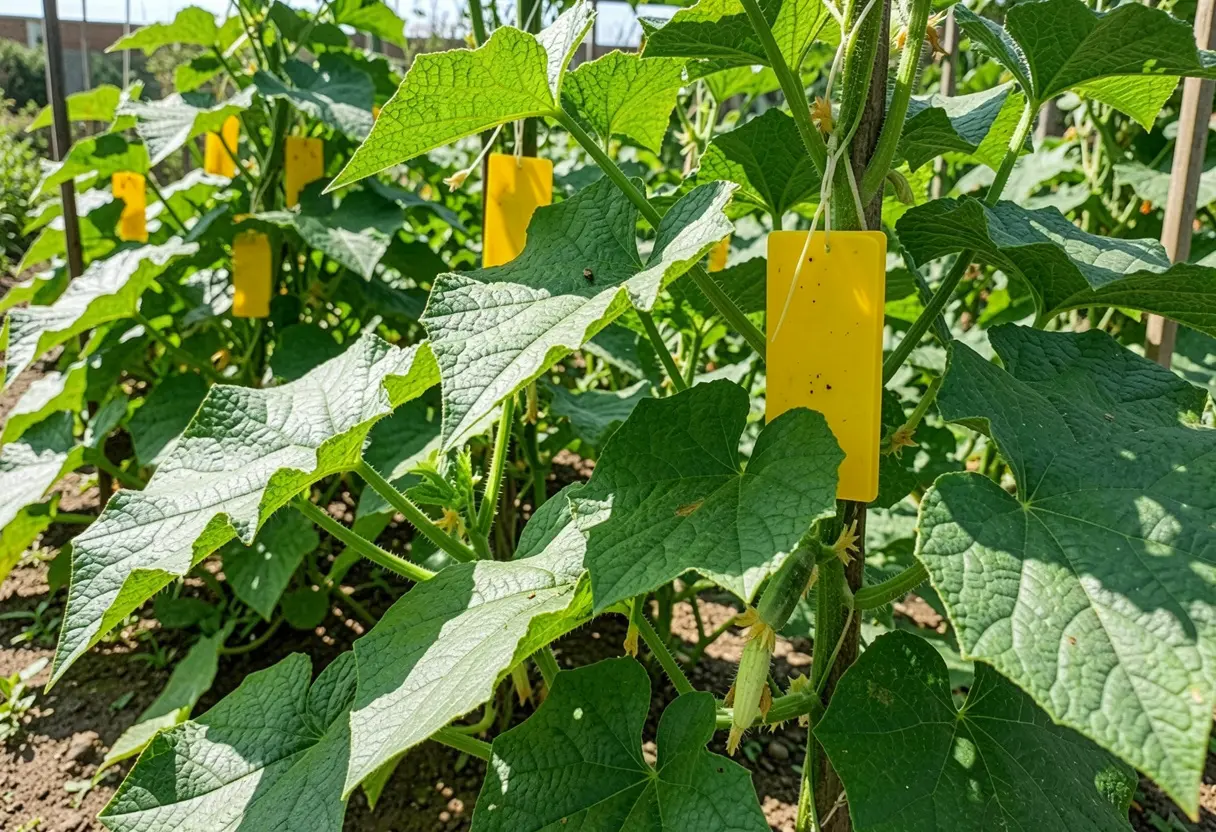
Are you tired of watching your cucumber plants fall victim to pesky cucumber beetles? These tiny pests can quickly damage your garden, leaving you frustrated and worried about your harvest. Using Yellow Sticky Traps for Cucumber Beetles is an effective way to control these pests and protect your plants naturally.
But what if there was a simple, effective way to protect your plants without using harsh chemicals? Yellow sticky traps might be the solution you’ve been searching for. You’ll discover how these traps work, why they’re perfect for catching cucumber beetles, and how to use them to keep your garden healthy and thriving.
Keep reading to find out how you can take control of your garden and enjoy a bountiful cucumber harvest.
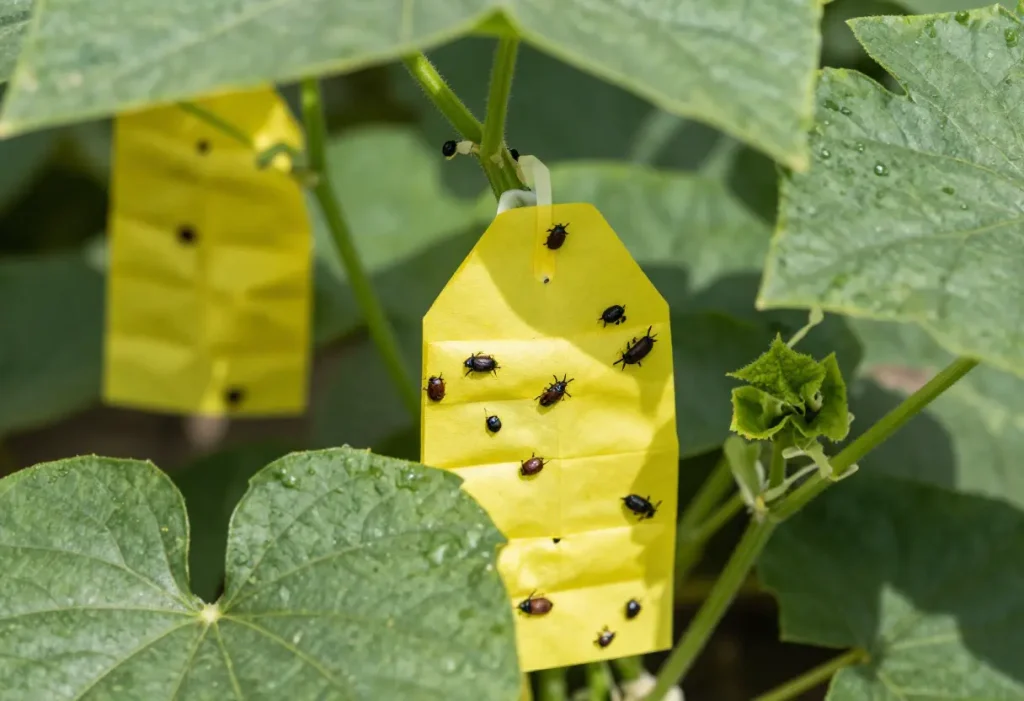
Yellow sticky traps are a smart choice for managing cucumber beetles. They use color and stickiness to catch pests without harmful chemicals. These traps help gardeners protect their cucumber plants effectively and safely. They work day and night, giving constant protection.
Simple to use and eco-friendly, yellow sticky traps fit into any garden. They reduce pest problems and help keep plants healthy. Many gardeners find them more reliable than other methods.
Cucumber beetles are drawn to yellow colors. This color looks like flowers or young leaves to them. The sticky surface traps beetles when they land on it. The traps keep beetles from damaging plants. No poisons are needed to catch pests.
Yellow sticky traps do not harm beneficial insects. They do not pollute soil or water. These traps are safer for children and pets. They require less effort than spraying chemicals. They also help monitor pest levels easily. Gardeners see how many beetles are present by counting trapped insects.
Setting up yellow sticky traps is a simple way to catch cucumber beetles. These traps attract beetles with their bright color. The sticky surface holds the insects so they cannot escape. Proper setup improves the trap’s effectiveness. Follow clear steps to place and time your traps well. This helps protect your cucumber plants from damage.
Place sticky traps near young cucumber plants. Beetles like to feed on fresh leaves and flowers. Hang traps about 2 to 3 feet above the ground. This height matches beetles’ flying level. Avoid placing traps under dense leaves. Open spots with good sunlight work best. Space traps evenly around the garden. This covers more area and catches more beetles.
Set traps early in the growing season. Beetles appear when temperatures rise in spring. Check local pest reports for exact timing. Place traps before beetles start to damage plants. Keep traps in place until harvest time. Replace sticky sheets when they get full. Regularly monitor traps to track beetle activity. This helps decide if more control is needed.
Maintaining and monitoring yellow sticky traps is key to controlling cucumber beetles. Proper care keeps traps effective and helps track beetle activity. Regular checks improve your garden’s protection and give clear results.
Clean traps gently to remove dirt and debris. Avoid touching the sticky surface, as this reduces trap effectiveness. Replace traps when they are full or lose stickiness. Fresh traps catch more beetles and give better data on pest levels.
Check traps daily or every few days to count beetles. Note the number and location of trapped beetles. This data helps identify beetle hot spots and peak activity times. Use this information to plan pest control steps effectively.
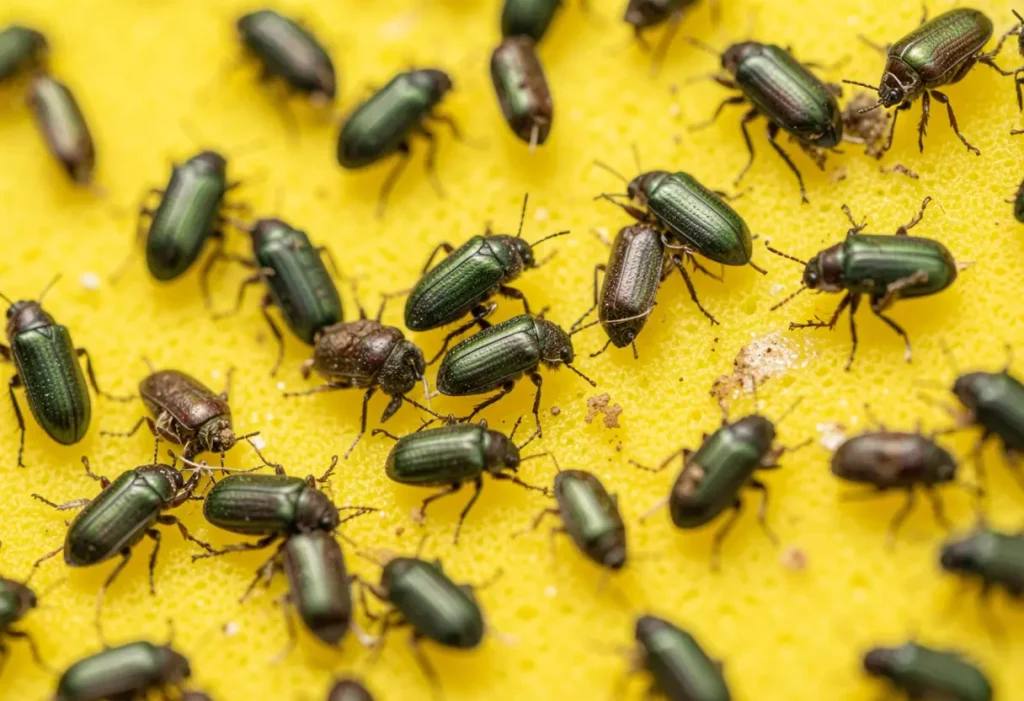
Combining yellow sticky traps with other control methods makes managing cucumber beetles more effective. Using multiple strategies reduces beetle numbers faster. It also lowers damage to your cucumber plants.
Yellow sticky traps catch adult beetles. But other methods target larvae and hidden pests. Together, these methods create a stronger defense for your garden.
Natural predators like ladybugs and lacewings feed on cucumber beetle eggs and larvae. Releasing these insects near your plants helps control beetle populations. They work well alongside sticky traps.
Sticky traps catch flying adults. Predators hunt beetle eggs and young beetles on leaves and soil. This combo stops beetles at different life stages. It keeps beetle numbers low over time.
Organic pesticides kill beetles without harming beneficial insects. Use them carefully around sticky traps. Spray during early morning or late evening for best results.
Sticky traps catch beetles before pesticide use. This reduces the number of pests that need spraying. Together, traps and organic sprays make pest control safer and more efficient.
Using yellow sticky traps for cucumber beetles brings challenges. Knowing these helps keep traps effective. Understanding problems and their solutions improves pest control.
Yellow sticky traps catch many insects, not just cucumber beetles. This can include bees, butterflies, and beneficial bugs. Losing helpful insects harms garden health. Place traps away from flowering plants to protect pollinators. Check traps daily and remove caught beneficial insects carefully. Use traps only when beetle numbers rise. Rotate trap locations to reduce harm to other insects.
Weather affects how well traps work. Rain can wash away the sticky surface. Wind can blow traps down or move them. Strong sunlight may dry out the adhesive faster. Hang traps in sheltered spots to protect them. Replace traps after heavy rain or strong wind. Use fresh traps regularly for better catch rates. Monitor weather to plan trap use effectively.
Yellow sticky traps offer a practical way to control cucumber beetles. Understanding their cost and availability helps gardeners plan better. These traps are usually affordable and easy to find. Prices vary depending on trap size and quantity. Bulk purchases can reduce the overall cost. Availability depends on the season and location. Some stores stock them year-round, while others have limited supply. Knowing where to buy quality traps ensures effectiveness. For budget-conscious gardeners, DIY options provide a flexible choice. Both store-bought and homemade traps play a key role in pest control.
Garden centers often carry yellow sticky traps for cucumber beetles. These stores provide traps designed for outdoor use. Online retailers offer a wide selection with customer reviews. Buying online allows easy comparison of prices and types. Agricultural supply shops also stock these traps for farmers. Local nurseries may have seasonal availability. Choose traps with strong adhesive and bright yellow color. Quality traps increase the chance of catching more beetles. Check product details before purchasing to ensure proper use.
Making your own yellow sticky traps saves money. Use yellow cardboard or plastic sheets as a base. Coat the surface with a sticky substance like glue or petroleum jelly. Hang the traps near cucumber plants to catch beetles. DIY traps allow customization of size and shape. Use caution with glue to avoid harming beneficial insects. This option suits gardeners who enjoy hands-on projects. Regularly replace or clean traps for best results. Homemade traps can be as effective as store-bought ones with proper care.
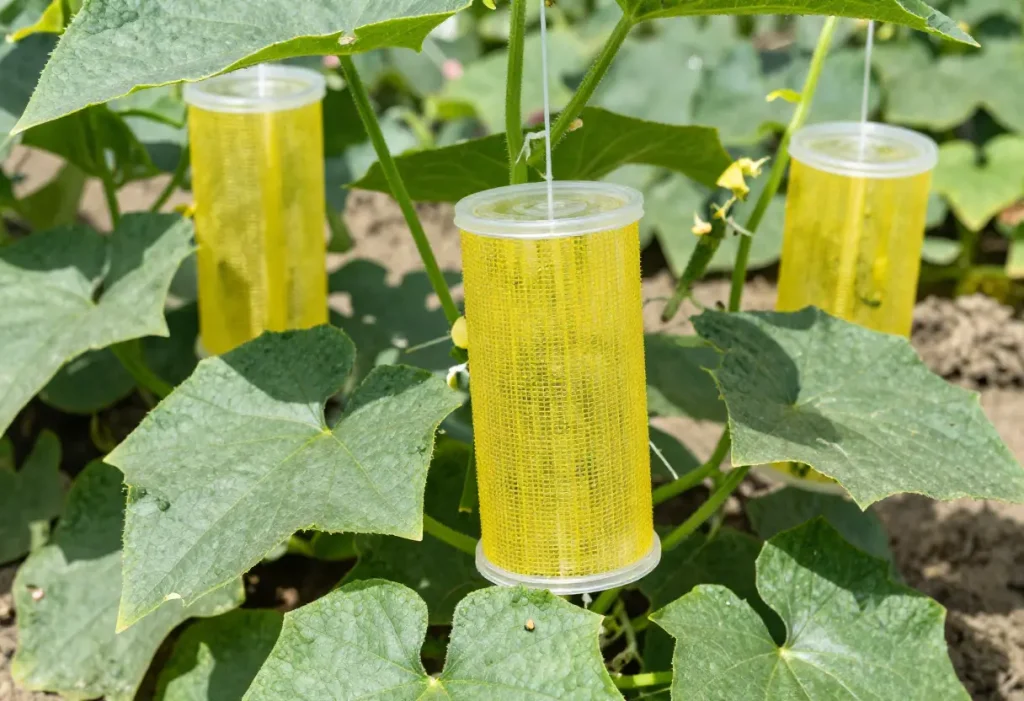
Yellow sticky traps are bright yellow boards coated with sticky glue. They attract and catch cucumber beetles to reduce their numbers in gardens.
Cucumber beetles are drawn to the yellow color, which looks like flowers. The sticky surface then traps the beetles when they land on it.
Place traps near cucumber plants and other crops that beetles like. Put them at leaf height for best results.
Replace traps when they are full of beetles or covered with dust. Usually, every 2 to 3 weeks works well during beetle season.
Yes, some helpful insects can get caught on sticky traps. Use traps carefully and monitor them often to reduce harm.
Yellow sticky traps catch cucumber beetles effectively. They reduce damage to your plants. Place traps near cucumber leaves for best results. Check traps often and replace when full. These traps help protect your garden naturally. Use them alongside other pest control methods.
Keep your cucumbers healthy and strong. Simple steps can keep beetles away. Try yellow sticky traps in your garden today.