Gardening Made Simple.

Spider Mites on Cucumber Plants can quickly become a serious problem if left untreated. Are you noticing tiny, almost invisible bugs on your cucumber plants? Those could be spider mites, and they can cause significant damage by sucking plant juices, leading to yellow leaves, webbing, and reduced growth if you don’t act fast.
These pests drain the life from your leaves, making your plants look weak and less productive. But don’t worry—you can protect your garden with the right knowledge and steps. Keep reading to discover how to spot spider mites early and stop them before they ruin your cucumbers.
Your healthy, thriving garden depends on it!
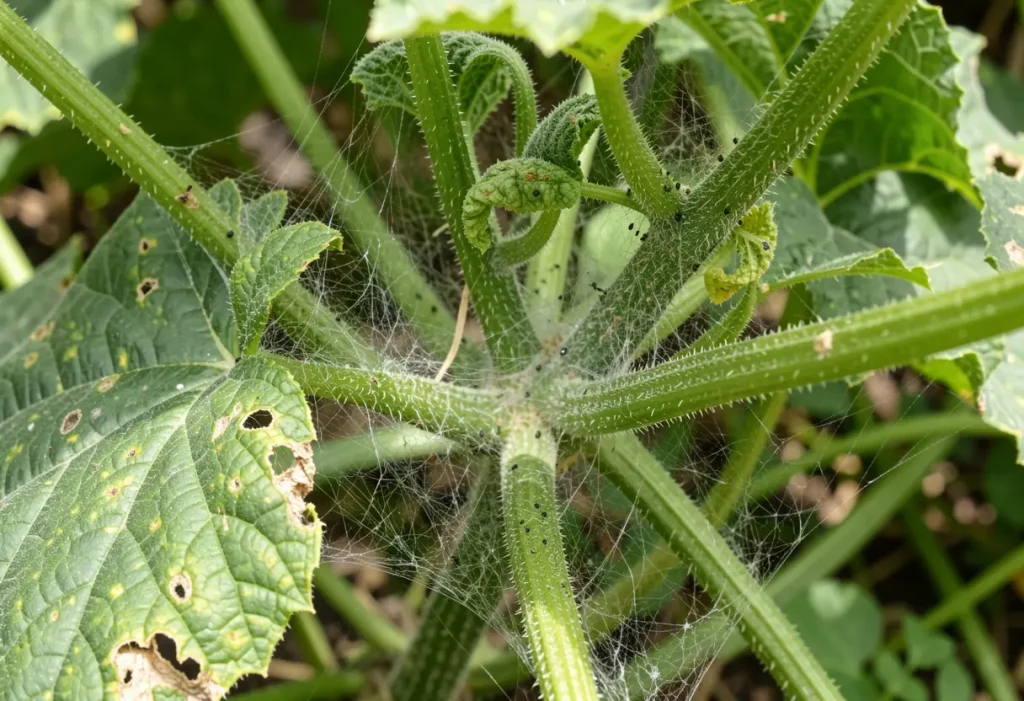
Spider mites are tiny pests that harm cucumber plants. They are hard to see with the naked eye. Early signs of their presence help protect your plants. Identifying these signs quickly can save your cucumber crop from damage.
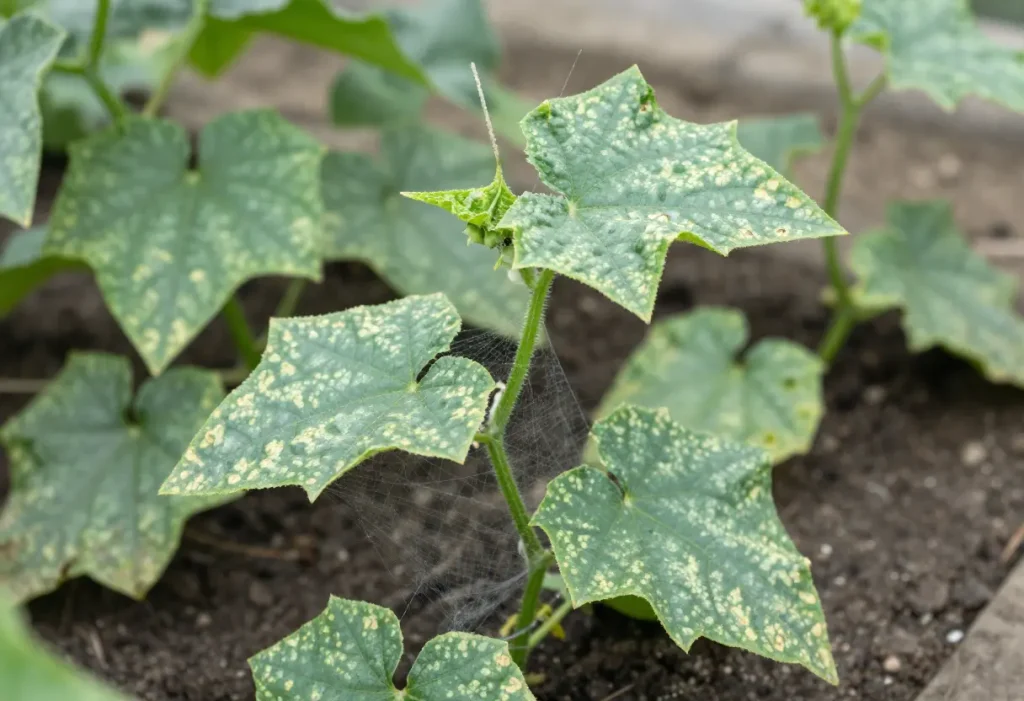
Spider mite damage shows first on the leaves. You may notice tiny yellow or white spots. Leaves can look speckled or dusty. Over time, leaves turn pale and dry out. Leaf edges might curl or become brittle. Check both sides of the leaves carefully.
Spider mites spin thin webs on the plant. These webs look like fine, silky threads. Webbing often appears on the underside of leaves. It can also form between stems and leaves. This webbing traps dust and small debris. Its presence confirms a spider mite infestation.
Spider mites suck sap from cucumber plants. This weakens the plant’s ability to grow. Leaves lose their green color and fall off. Growth slows down and fruits may be smaller. Severe infestations can kill young plants. Keep checking plants regularly for these signs.
Spider mites are tiny pests that often attack cucumber plants. These mites suck the plant's juices, causing damage and reducing growth. Several species of spider mites target cucumbers, each with unique traits. Knowing the common species helps in identifying and managing them effectively.
The two-spotted spider mite is the most common pest on cucumbers. It is very small, about the size of a grain of pepper. Its body is light green or yellow with two dark spots on the back. These mites multiply quickly and cause leaves to turn yellow or bronze. They create fine webs on leaves and stems. This species thrives in hot and dry conditions, making summer a high-risk time for infestations.
The carmine spider mite is bright red and easier to see than other mites. It prefers cooler temperatures and can appear in spring or fall. This mite also feeds on cucumber leaves, causing spots and leaf drop. It spins fine webs like the two-spotted spider mite. Early detection is important to control this species before it spreads widely.
Spider mites thrive under certain conditions that make cucumber plants vulnerable. Knowing these conditions helps prevent infestations early. They multiply fast in environments that suit their needs. Understanding the factors that favor spider mites is key to protecting your cucumbers.
Spider mites prefer hot and dry weather. They breed quickly when temperatures rise above 80°F (27°C). Low humidity helps them spread easily. Dry air makes cucumber leaves weak and dusty. These conditions create a perfect home for spider mites. Rainy or very humid weather slows their growth down. They avoid wet leaves and cold temperatures.
Stressed cucumber plants attract spider mites. Lack of water weakens the plants. Over-fertilizing can also harm them. Stress makes plants less able to fight pests. Damaged leaves or poor soil reduce plant health. Spider mites find it easier to feed on weak plants. Healthy plants resist better and grow stronger. Keeping plants well-watered and fed reduces spider mite risks.
Manual methods offer simple and effective ways to control spider mites on cucumber plants. These techniques help reduce the pest population without chemicals. They also keep the plants healthy and strong. Regular attention and care make these methods work well.
Strong water sprays can remove spider mites from cucumber leaves. Use a hose with a jet nozzle to wash both leaf tops and undersides. This knocks off many mites and their eggs. Water sprays also clean dust that helps mites thrive. Repeat spraying every few days for best results.
Cutting off leaves heavily damaged by spider mites stops their spread. Use clean scissors or pruners to remove these leaves carefully. Dispose of the leaves away from the garden to prevent re-infestation. Pruning helps the plant focus on healthy growth. Check plants often and remove affected parts quickly.
Natural predators and biological control are safe ways to manage spider mites on cucumber plants. These methods use living organisms to reduce mite populations. They help keep the garden healthy without harmful chemicals. Many gardeners trust these techniques for organic and eco-friendly pest control.
Beneficial insects eat spider mites and stop their spread. Ladybugs, lacewings, and minute pirate bugs are common helpers. These insects feed on tiny pests and keep them under control. You can attract them by planting flowers like marigolds and daisies nearby. They live naturally in many gardens and work well in cucumber patches.
Predatory mites are natural enemies of spider mites. They hunt and feed on spider mites without harming plants. These mites are small but very effective at reducing pest numbers. Introducing predatory mites to cucumber plants can quickly lower spider mite damage. They survive in similar conditions and multiply fast to protect your crop.
Spider mites harm cucumber plants by feeding on leaves. They cause yellow spots and leaf drop. Chemical treatments can control these pests quickly. Choosing the right product and using it safely is important. This section covers effective chemical options and safe application tips.
Miticides target spider mites directly and kill them fast. They work by disrupting the mite’s life cycle. Many miticides are available in sprays or dusts. Insecticidal soaps are mild and safer for plants. They kill mites by breaking their outer skin. Both options reduce mite numbers quickly. Use these treatments early for best results.
Read product labels carefully before use. Wear gloves and protective clothing during application. Spray in early morning or late afternoon to avoid sun damage. Apply evenly on all plant surfaces, including undersides of leaves. Avoid overuse to prevent resistance and plant harm. Keep children and pets away during treatment. Store chemicals in a safe, cool place after use.
Preventing future spider mite infestations on cucumber plants is key to a healthy garden. Small steps taken regularly can stop these pests before they cause damage. Careful attention and good habits protect your plants and keep them strong.
Check your cucumber plants often. Look under leaves for tiny spider mites or fine webbing. Early detection helps control the problem fast. Use a magnifying glass if needed. Catching mites early saves your plants from harm.
Healthy cucumber plants resist pests better. Water them properly and avoid overwatering. Use balanced fertilizer to keep plants strong. Remove dead or damaged leaves quickly. Strong plants are less likely to attract spider mites.
Spider mites thrive in hot, dry places. Keep the garden moist by watering regularly. Use shade cloth during hot days to reduce heat stress. Increase humidity around plants by misting leaves. These steps make the environment less friendly for spider mites.
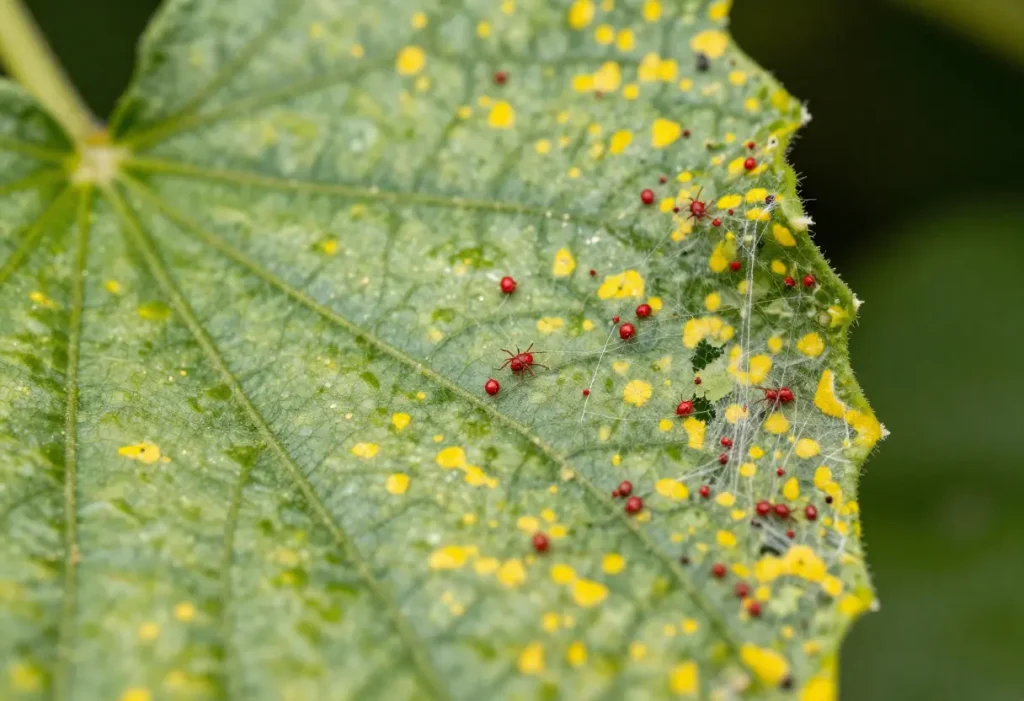
Spider mites cause tiny yellow or white spots on leaves. Leaves may look dusty or have fine webbing. Plants can become weak and stop growing well.
Spider mites suck the plant’s juices, causing leaf damage. This reduces the plant’s ability to make food. Severe damage can lead to leaf drop and lower fruit yield.
Spider mites can survive in warm, dry conditions year-round. They multiply quickly in hot weather. Cooler, wetter weather usually slows them down.
Spraying plants with water can wash away mites. Introducing ladybugs or predatory mites helps eat them. Keeping plants healthy also reduces mite problems.
Some insecticidal soaps and oils are safe if used right. Always follow label instructions carefully. Avoid harsh chemicals that can harm beneficial insects or the plant.
Spider mites can harm cucumber plants quickly if left unchecked. Watch your plants often for tiny webs and spots. Act fast to stop these pests from spreading. Use safe methods like water sprays or natural predators. Healthy plants resist damage better and grow strong.
Keep your garden clean and remove dead leaves. With care and attention, you can protect your cucumbers well. Stay patient and consistent for best results. Your garden will thank you with fresh, healthy cucumbers.