Gardening Made Simple.
Are you ready to grow fresh, crunchy cucumbers right in your garden? One key to a successful cucumber harvest is knowing exactly How Deep to Plant Cucumber Plants. Planting at the right depth ensures strong roots, healthy growth, and a more abundant, thriving crop.
Plant them too shallow, and they might dry out or fail to take root. Plant them too deep, and they could struggle to sprout or grow properly. Getting this just right can make all the difference between a handful of cucumbers and a bountiful crop.
Keep reading, and you’ll discover simple tips to help your cucumber plants thrive from the very start.
Choosing the right cucumber variety is key for a healthy garden. Different types grow differently and fit various spaces. Picking the best one can make planting easier and harvest better. It also affects how deep you plant the seeds or seedlings. Let’s explore the main types and find the best match for your climate.
Bush cucumbers grow in a small, compact shape. They do not need much space or support. Plant bush types closer together and at a shallower depth. Vining cucumbers spread out and climb. They need more room and a trellis or fence. Vining types often require deeper planting for strong root growth. Choose bush types for small gardens or containers. Pick vining types for large gardens with space to climb.
Cucumber varieties perform best in certain climates. Some do well in hot, dry areas. Others prefer cooler or humid conditions. Choose varieties labeled for your region. For warm climates, try heat-tolerant varieties. For cooler places, pick early-maturing types. Match the cucumber to your weather for faster growth. Healthy plants produce more cucumbers and resist disease better.
Preparing the soil is the first step to grow healthy cucumber plants. Good soil helps the plants get enough water and nutrients. It also supports strong root growth. Proper soil preparation leads to better fruit and higher yields.
Start by clearing the area of weeds and debris. Loosen the soil to allow air and water to reach the roots easily. This makes it easier for cucumber seeds to grow deep and strong.
Cucumbers grow best in loose, sandy, or loamy soil. These types drain water well but keep enough moisture. Heavy clay soils hold too much water and may cause root rot. Test the soil pH before planting. Cucumbers prefer a pH between 6.0 and 7.0. This range helps plants absorb nutrients efficiently. Adjust the pH by adding lime to raise it or sulfur to lower it.
Cucumber plants need rich soil full of nutrients. Add compost or well-rotted manure to improve soil fertility. These materials provide nitrogen, phosphorus, and potassium. Nitrogen helps leaves grow strong and green. Phosphorus supports root and flower development. Potassium boosts fruit quality and disease resistance. Mix the nutrients evenly into the top 6 to 8 inches of soil. This depth encourages roots to grow well and supports deep planting.
Planting cucumber at the right depth helps seeds and seedlings grow strong. Proper depth keeps roots safe and allows good water access. Too deep or too shallow can slow growth or cause problems.
Follow these simple planting depth guidelines. They fit both seeds and young plants. This ensures healthy cucumber plants and better harvests.
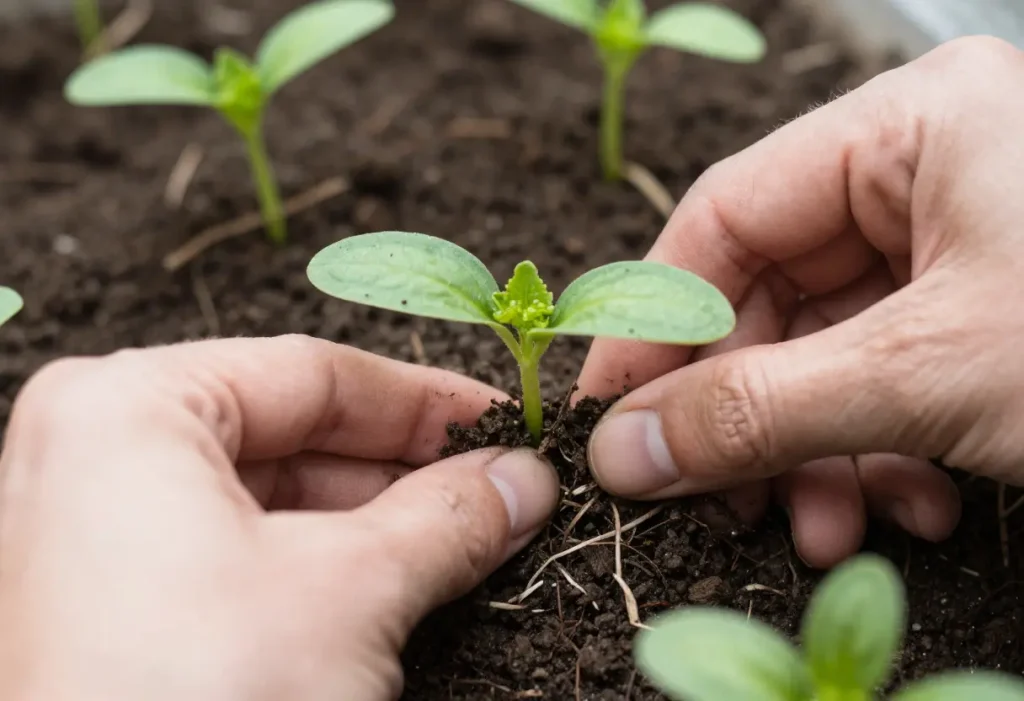
Plant cucumber seeds about 1 inch deep in loose soil. This depth protects seeds from drying out. It also lets seedlings break through easily. Cover seeds gently with soil and water lightly. Avoid pressing soil hard to keep it soft for sprouting.
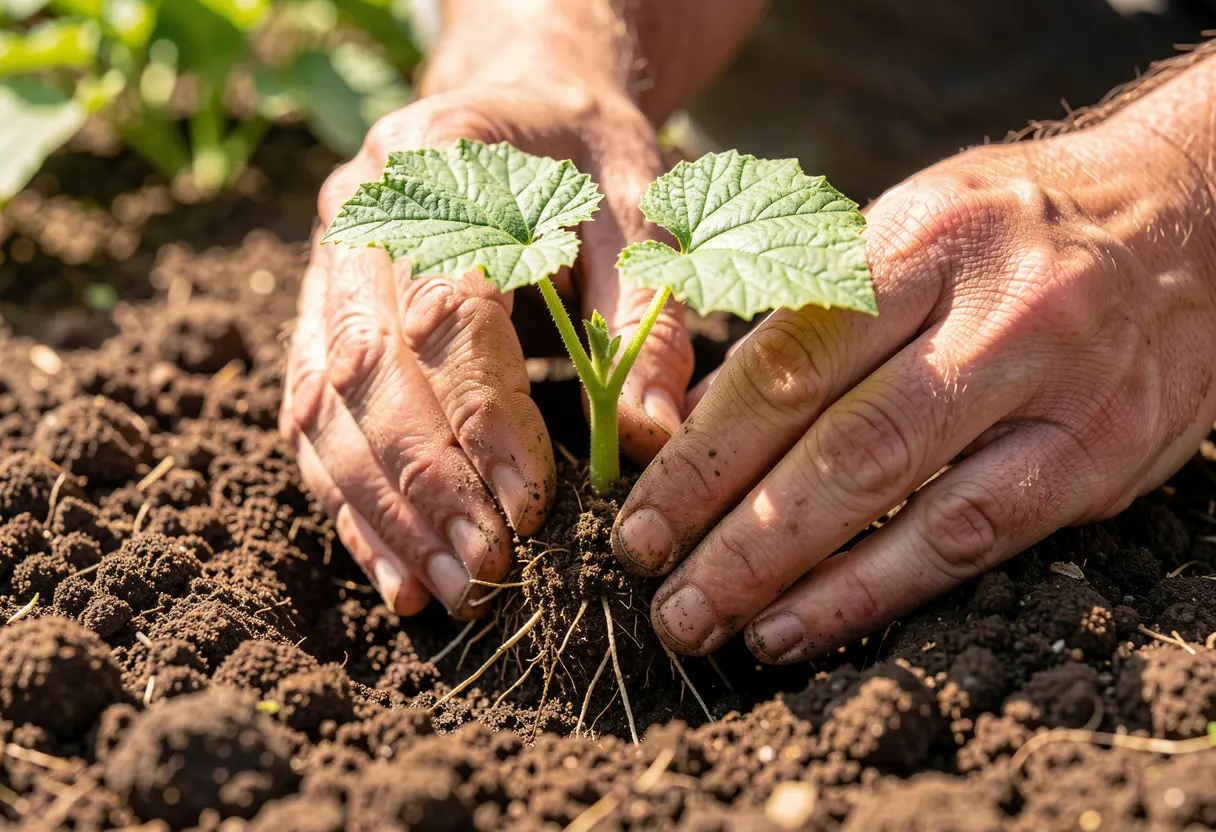
Plant cucumber seedlings at the same depth they grew in pots. This prevents stem rot and stress. Dig a hole wide enough for roots. Place the seedling carefully and fill soil around it. Water well after planting to settle soil and reduce air pockets.
Proper spacing helps cucumber plants grow strong and healthy. It allows air to flow and sunlight to reach all parts. Crowded plants may get diseases and produce less fruit.
Knowing the right distance between rows and plants is key. It gives cucumbers room to spread and roots space to find nutrients. Let’s explore the best spacing for cucumber plants.
Rows should be about 3 to 4 feet apart. This space helps with air circulation and sunlight access. Wider rows make it easier to work between plants. It also reduces the risk of mildew and rot.
Plant cucumber seeds or seedlings 12 to 18 inches apart. This distance gives each plant enough room to grow vines. It stops plants from competing for water and nutrients. Proper spacing helps cucumbers develop bigger fruits.
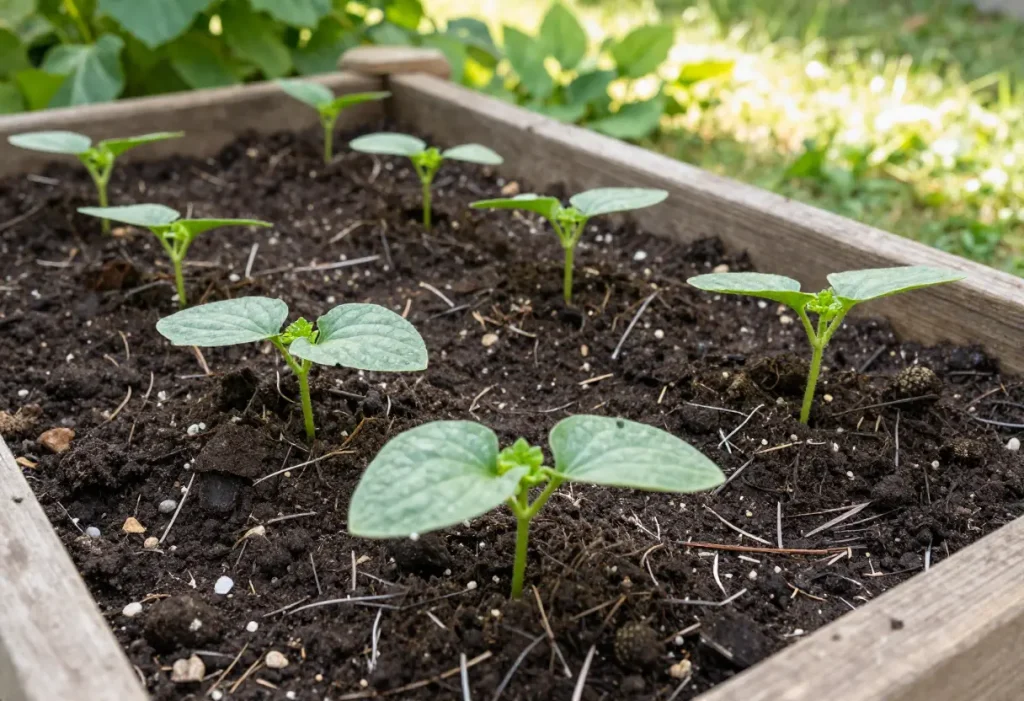
Watering and mulching are key to growing healthy cucumber plants. Proper care helps plants grow strong and produce tasty cucumbers. The right watering keeps soil moist without overwatering. Mulching helps keep soil cool and holds moisture. This section explains simple tips for watering and mulching cucumber plants.
Cucumber plants need steady moisture to grow well. Water the plants deeply once or twice a week. Avoid shallow watering that dries out quickly. Check soil by touching it; water if the top inch feels dry. Water early in the morning to reduce water loss. Use a drip system or water at the base to keep leaves dry. Wet leaves can lead to disease. Consistent moisture helps cucumbers grow juicy and tender.
Mulch protects soil and keeps moisture longer. Spread a 2-3 inch layer of straw, leaves, or grass clippings around plants. Mulch stops weeds from stealing water and nutrients. It keeps soil cooler on hot days. Mulch also prevents soil from splashing on leaves, reducing disease risk. Organic mulch breaks down and adds nutrients to soil. Mulching makes cucumber plants healthier and easier to care for.
Vining cucumbers grow long and need strong support. Without support, vines can spread on the ground. This can make harvesting harder and increase disease risk. Supporting your plants helps keep fruits clean and healthy. It also saves space in your garden.
Proper support allows better air flow around the vines. This helps the leaves dry faster after rain or watering. Healthy vines produce more cucumbers and reduce pest problems.
Use a sturdy trellis to hold vining cucumbers upright. A trellis can be made from wood, metal, or plastic. Place it near the plants when you plant the seeds or seedlings. Train the vines to climb by gently tying them with soft garden ties or twine. Vertical growth makes cucumbers easier to see and pick. It also saves ground space for other plants.
Simple trellis styles include A-frames, teepees, or flat fence-like structures. Choose one that fits your garden size and style. Check vines regularly and tie them as needed for support.
Keeping vines off the ground helps prevent common cucumber diseases. Powdery mildew and bacterial wilt spread more on wet leaves and soil. Trellising improves air circulation and reduces leaf moisture. Water plants at the base, not overhead, to keep leaves dry. Remove any diseased leaves right away to stop spread. Crop rotation also lowers disease risk by avoiding planting cucumbers in the same spot every year.
Healthy plants resist pests and diseases better. Support your vining cucumbers well for a strong, productive harvest.
Planting cucumbers at the right depth is key to strong growth. Many gardeners make common mistakes that harm the plants. These errors often cause weak plants or no fruit at all. Understanding these mistakes helps you avoid them and grow healthy cucumbers.
Planting cucumbers too deep can drown the seeds or stems. Roots may rot without enough air. Planting too shallow exposes roots to drying out. Seeds might not sprout well if they dry out. The best depth is about one inch below the soil surface. This balance helps seeds grow fast and strong.
Planting cucumber seeds too close limits space for growth. Plants fight for sunlight, water, and nutrients. Leaves become crowded and block air flow. This causes diseases and weak vines. Give cucumbers enough room—at least 12 to 18 inches apart. Space lets them spread and produce more fruit.
Planting cucumber seeds at the right depth is key to healthy growth. Signs show if seeds are planted properly. These signs help gardeners know if seeds will grow strong plants.
Watch the soil and seedlings closely. Early signs tell if cucumbers have a good start. Let’s explore these important signs.
Seedlings push through the soil surface within 7 to 10 days. They appear straight and firm. If seedlings emerge easily, seeds are at the right depth. Seeds planted too deep take longer or fail to appear.
Soft or weak seedlings may mean planting was too shallow. Proper depth protects seeds and helps steady growth.
Healthy seedlings have bright green leaves and strong stems. They grow steadily each day. Leaves open wide and face sunlight. Small roots anchor the plant well in soil.
Slow growth or yellow leaves can signal poor planting depth. Good depth gives roots room to spread and plants a strong start.
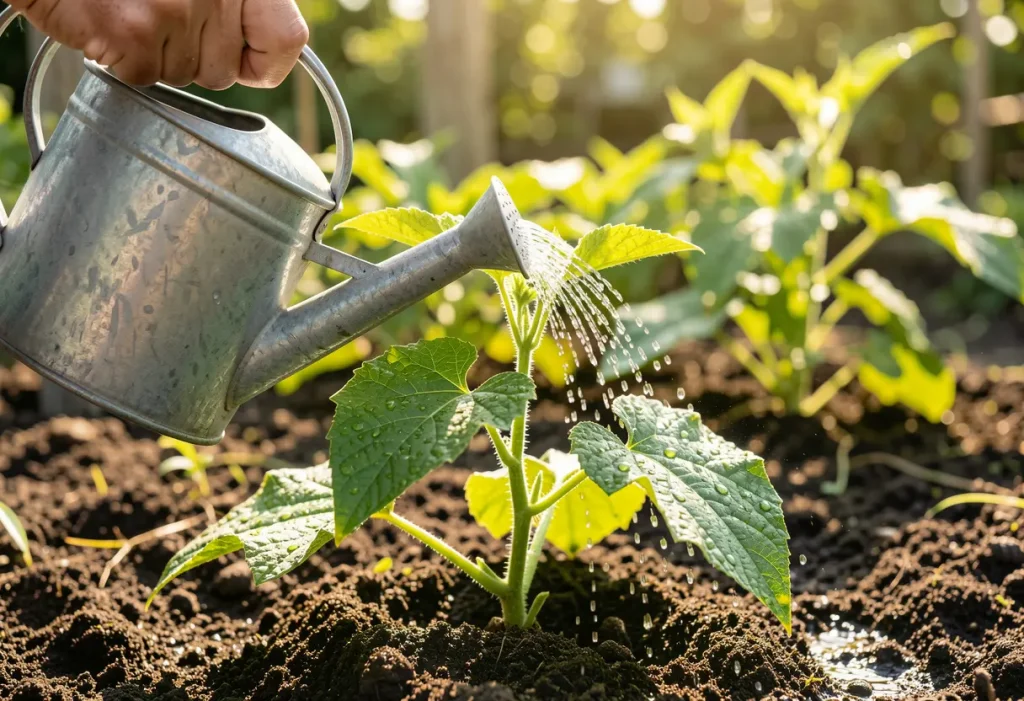
Plant cucumber seeds about 1 inch deep in loose, well-drained soil. This depth helps seeds get enough moisture to sprout properly.
Yes, planting cucumber seeds too deep can slow germination or cause weak seedlings. Keep the depth shallow for best results.
Soil type matters slightly. In sandy soil, plant seeds a bit deeper; in heavy clay, plant shallower to avoid waterlogging.
Space cucumber seedlings about 12 to 18 inches apart to allow room for vines to grow and spread comfortably.
Transplant seedlings when they have 2 to 3 true leaves and the outdoor soil temperature is above 60°F.
Plant cucumber seeds or seedlings at the right depth for best growth. Too shallow, roots dry out; too deep, plants may rot. Usually, planting just below the soil surface works well. Keep soil moist and warm for faster sprouting. Strong roots mean healthy cucumbers and better harvests.
Remember, simple care goes a long way in gardening success. Start with the right depth and watch your cucumber plants thrive. Easy steps lead to fresh, tasty cucumbers in your garden.