Gardening Made Simple.
Imagine plucking ripe tomatoes from your backyard, still warm from the sun, their flavor bursting in every bite. That's the magic of vegetable gardening. Yet, many new gardeners feel lost amid endless advice on tools, soil, and seeds.
This Vegetable Gardening Guide For Beginners cuts through the confusion, giving you a clear step-by-step path from setup to your first harvest so you can grow fresh veggies with confidence and ease.
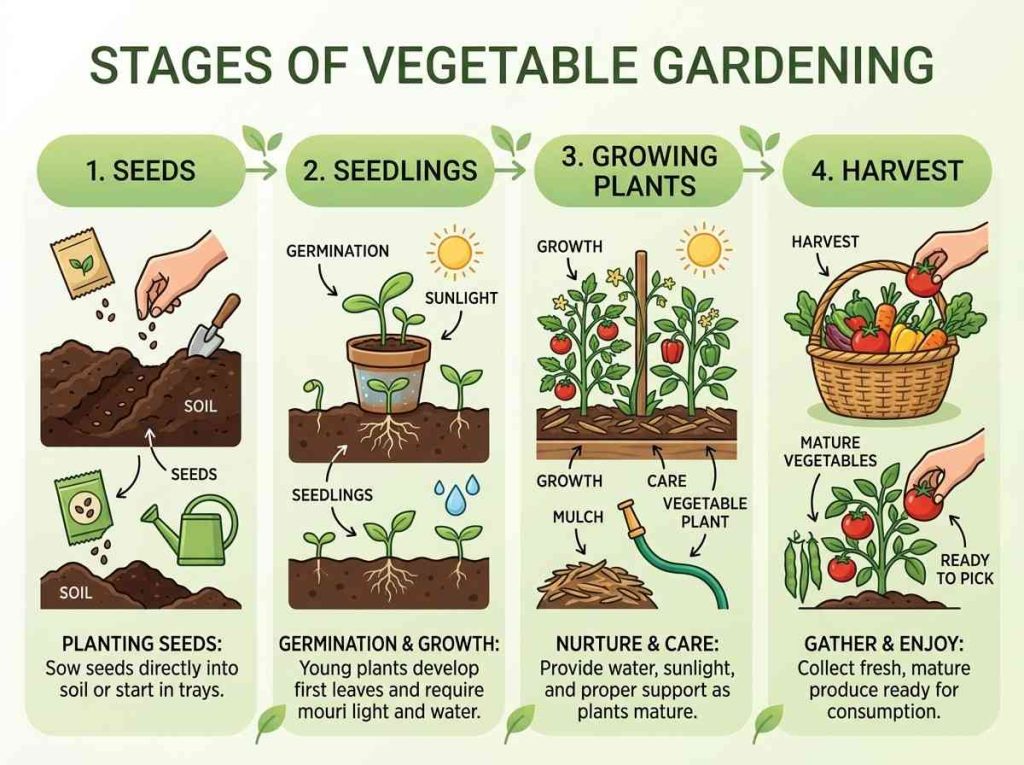
Think of your garden as a home for plants. Pick the right spot, and everything falls into place. Start with basics like light and soil to build a strong base.
Most veggies need full sun to thrive. That means at least six hours of direct light each day. Fruiting plants like tomatoes and peppers demand this to produce well; without it, yields drop and flavors fade.
Pick a flat area away from trees that cast shade. Stay close to a water source too, like a hose or faucet. Walking far with a watering can gets old fast.
Track sunlight in your yard with a simple method. Mark the spot with stakes. Check shadows every two hours from morning to afternoon. A compass helps note the sun's path. This way, you spot the best areas before planting.
In-ground gardens suit large yards with good soil. You dig right into the earth, saving on setup costs. But poor native soil means extra work to fix it.
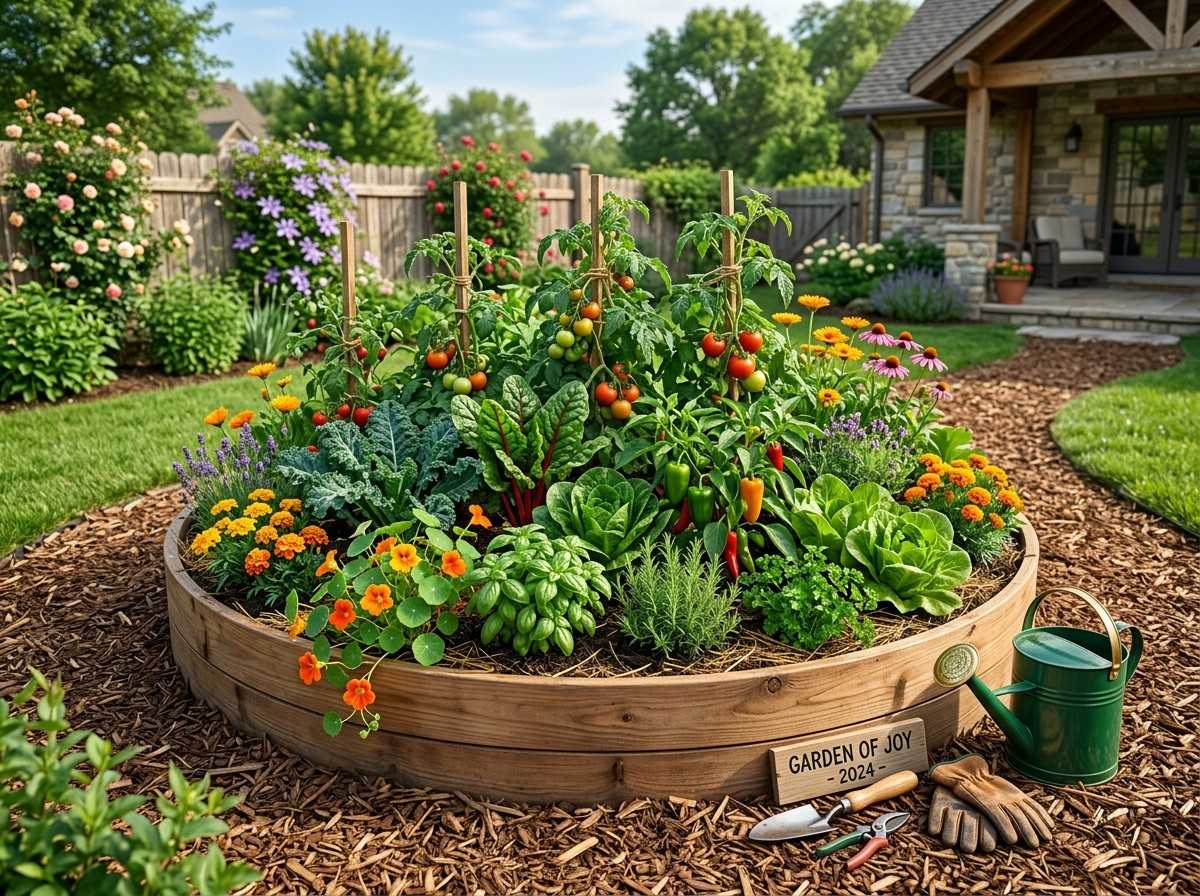
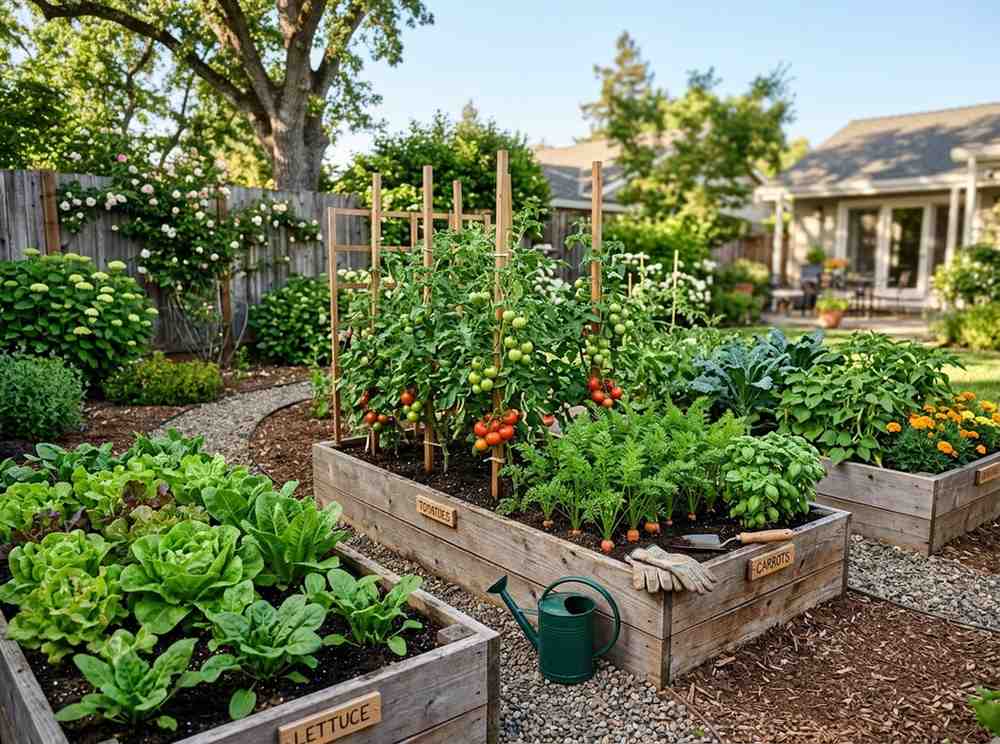
Raised beds lift the garden off the ground. They use wood or stone frames filled with custom soil. Beginners love them for better drainage and less bending. Costs run higher upfront, but they pay off in healthier plants. If your yard soil is rocky or clay-heavy, this style shines.
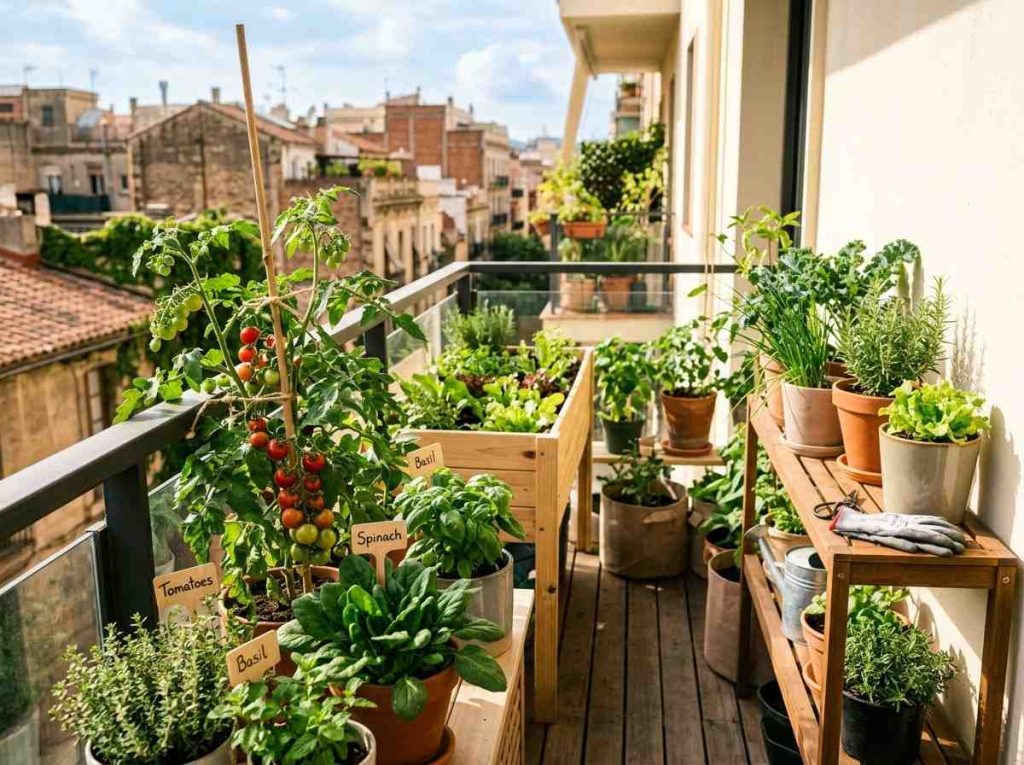
Containers work great in small spaces, like patios or balconies. Use pots at least 12 inches deep for roots to spread. They're easy to move and control pests. Urban folks grow lettuce or cherry tomatoes this way, harvesting fresh salads all summer.
Soil feeds your plants more than water does. Healthy dirt grows strong roots and tasty veggies. Test it first to know what to add.
Grab a soil test kit from a garden store. It checks pH levels—aim for 6.0 to 7.0 for most crops. Too acidic or alkaline hurts nutrient uptake.
Mix in compost to enrich it. Dig two inches deep, then spread a three-inch layer of rotted leaves or manure. Turn it under with a shovel. This boosts microbes that break down nutrients for plants. Master gardeners stress organic matter keeps soil alive and fluffy.
Pick easy wins to stay motivated. Start small, and watch your garden fill with greens. Choose based on your space and climate for best results.
Leafy greens top the list for quick harvests. Lettuce matures in 30 days, perfect for salads. Spinach handles cool weather and packs nutrition.
Root veggies like radishes pop up in three weeks. Carrots need loose soil but reward with sweet crunch. Bush beans climb no supports and yield pods all season.
Go for compact varieties. They fit tight spots without sprawling. Skip vining types unless you have room for trellises. These picks give fast success and build your skills.
Your area's climate sets the planting calendar. The USDA Hardiness Zone map divides the U.S. into 13 zones based on winter lows. Zone 5, for example, sees colder snaps than Zone 9.
Know your last frost date in spring. It's when temps stay above freezing. Plant tender seedlings after that to avoid damage.
Find your zone online through extension services like those from universities. Search "USDA zone finder" with your zip code. This tool ensures you time seeds right for outdoor starts.
Seeds cost less and offer more choices. Sow them indoors under lights for a head start. But they take patience—germination can take weeks.
Seedlings give quicker results. Buy them from nurseries as young plants. They're hardened off and ready to go. For beginners, grab tomato or pepper starts; they fruit faster than from seed.
Mix both methods. Use seeds for beans and greens, seedlings for fussy crops. This balances effort and speed in your first garden.
Timing matters as much as how you plant. Match methods to each veggie for strong growth. Follow seed packets for exact dates.
Direct sow seeds where they grow. Carrots and peas hate root disturbance, so plant them straight in beds. Push seeds into moist soil, cover lightly, and water gently.
Transplant seedlings for broccoli or eggplant. Start them inside, then move outside after frost. Harden them by setting pots outdoors for a week, increasing time each day.
Check seed packets for clues. They list depth and spacing. A mental list helps: poke hole, drop seed, pat soil, water. This simple routine avoids mistakes.
Crowded plants fight for light and air. Diseases spread fast in tight groups. Space them per packet instructions—lettuce at 6 inches, tomatoes at 2 feet.
Thin seedlings once they sprout true leaves. Pull extras to leave the strongest. This gives room for roots to expand.
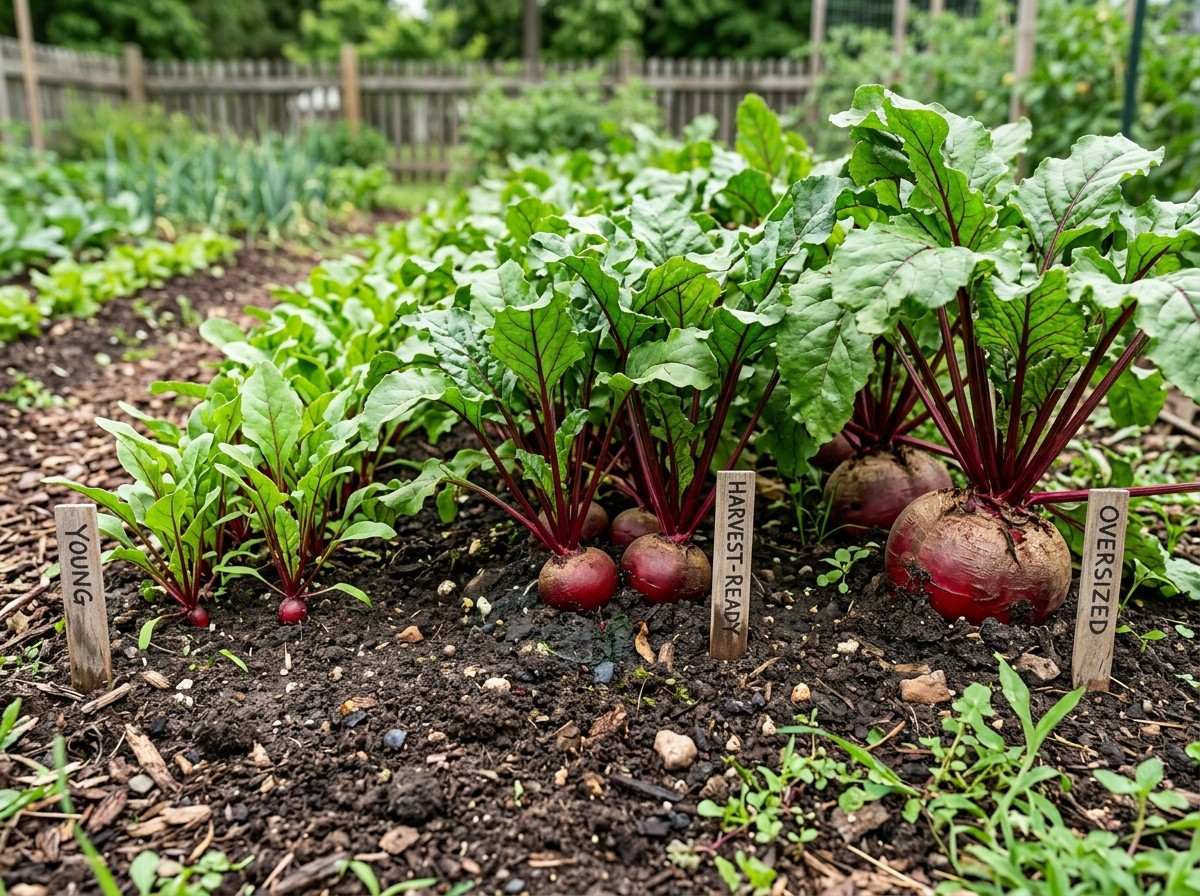
Picture two carrot rows: one thinned yields fat, even roots; the other stays skinny and twisted. Proper spacing boosts your harvest size by up to 50 percent.
Pair plants that help each other. Marigolds near tomatoes repel nematodes, those soil pests that stunt growth. It's like a natural guard.
Basil boosts pepper flavors and deters aphids. Plant them side by side for mutual benefits. Beans fix nitrogen in soil, aiding corn nearby.
Keep it simple at first. These combos cut pest issues without sprays. Over time, you'll see healthier gardens from smart neighbors.
Daily checks keep plants happy. Water, weed, and feed as needed. Small habits lead to big rewards.
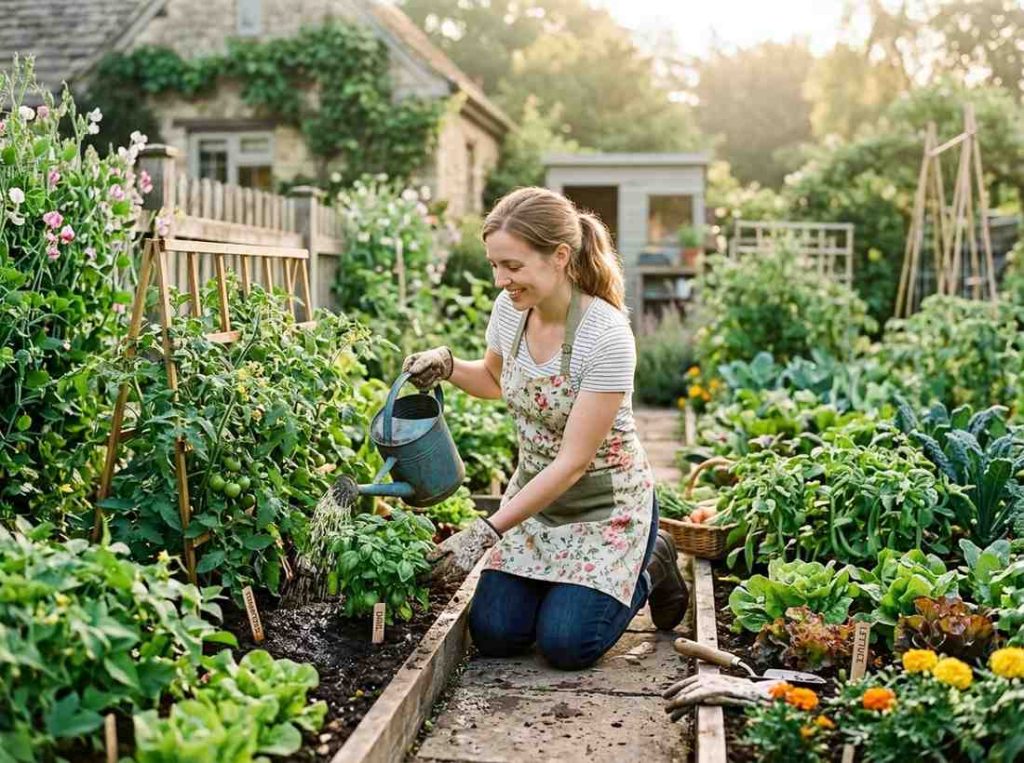
Plants need steady moisture, especially young ones. Deep soak once a week beats daily sprinkles. This encourages roots to reach down.
Use the finger test: stick it two inches into soil. If dry, water; if damp, wait. Morning pours let leaves dry fast.
Drip hoses or soakers save water and keep leaves dry. Fungi love wet foliage. These tools cut disease risk and make care easy.
Weeds steal nutrients and water from veggies. Pull them young, before they seed. Hoe shallow to avoid root damage.
Mulch suppresses them best. Spread two to three inches of straw or bark around plants. It holds moisture and cools soil in heat.
Organic mulch breaks down to feed earthworms. They aerate dirt naturally. A mulched bed needs half the weeding of bare ground.
Some veggies guzzle nutrients. Tomatoes and corn pull hard on soil. Feed them mid-season for steady fruit.
Nitrogen greens leaves, phosphorus builds roots, potassium aids blooms. Use a balanced mix like 10-10-10 for most.
Dissolve organic fertilizer in water every four weeks. Apply at the base, not on leaves. This fuels growth without burn.
Problems pop up, but fixes are simple. Spot issues early and act. Harvest often for the best taste.
Aphids cluster on stems, sucking sap. Blast them with a hose spray; it knocks them off. Ladybugs eat them too—invite those helpers.
Tomato hornworms munch leaves big-time. Pick them by hand and drop in soapy water. Check undersides daily.
Powdery mildew coats leaves white. Improve air flow by spacing plants. Milk spray (one part milk to nine water) stops it early.
Pick at prime ripeness for max taste. Zucchini at six inches stay tender; larger get seedy. Beans snap crisp when young.
Tomatoes glow deep red—pull with stem for storage. Lettuce cut outer leaves for ongoing harvest.
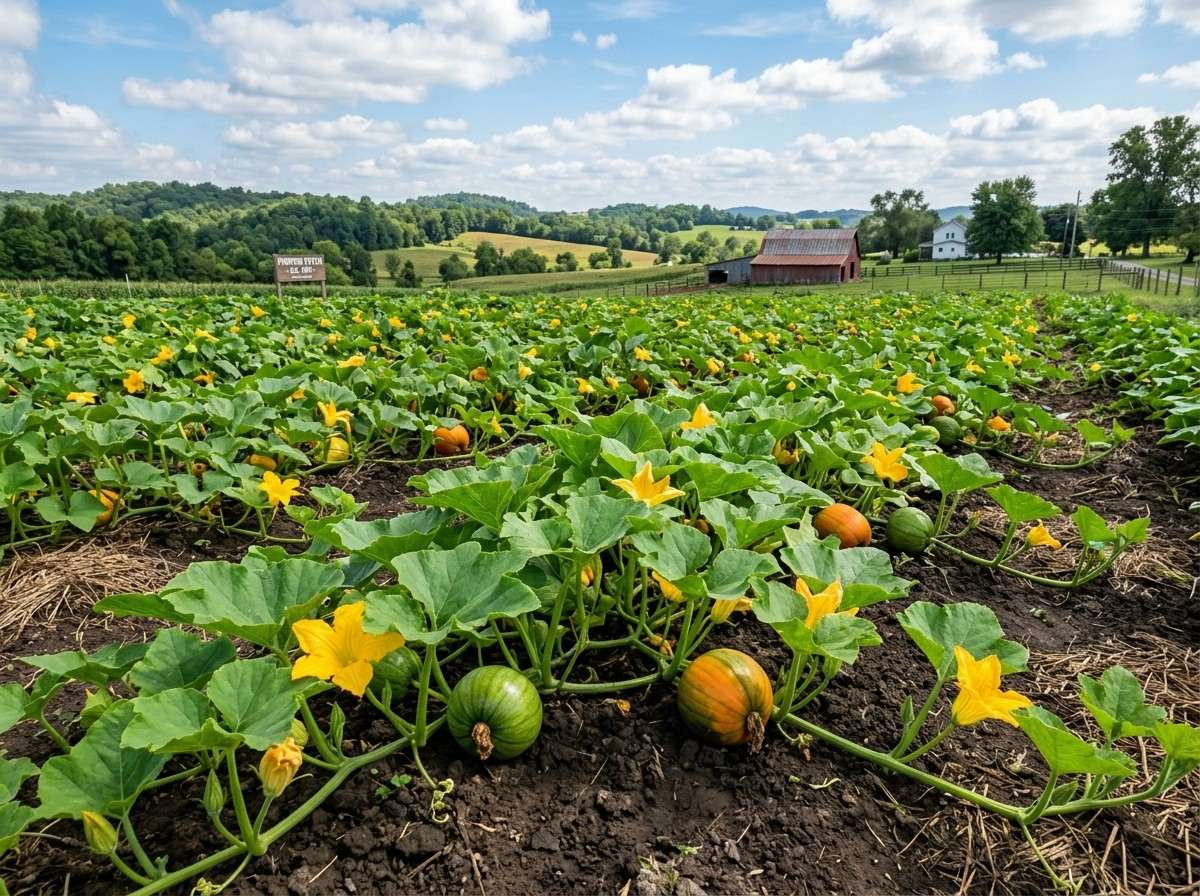
Harvest often on producers like squash. It tricks plants into more fruit. Regular picks extend your season by weeks.
Sunlight and soil set your garden's stage. Choose easy plants for your zone, and water consistently. These steps lead to fresh meals from your yard.
Mistakes happen—bugs eat a leaf, or rain drowns seeds. See them as lessons, not failures. Next year, your plot grows bigger and better.
Grab tools and start digging today. Your homegrown veggies wait. Share your wins with friends; gardening spreads joy.
Start small with a few easy crops, choose a sunny spot, and use quality soil with good drainage.
Tomatoes, lettuce, spinach, radishes, cucumbers, and herbs like basil are great for beginners.
Most vegetables need 6–8 hours of direct sunlight daily for healthy growth and good yields.
Water regularly to keep soil moist, usually 2–3 times per week, adjusting based on weather conditions.
Yes, using compost or organic fertilizer helps provide essential nutrients for better plant growth and harvest.