Gardening Made Simple.

Yes, potatoes should be planted in loose mud. Loose soil allows proper root growth, better nutrient absorption, and healthier tubers. Understanding Should Potatoes Be Planted in Loose Mud helps gardeners create the ideal conditions for a strong, productive potato harvest.
Planting potatoes in loose mud is essential for healthy growth. Loose soil provides good aeration, which is crucial for root development. It also helps in retaining moisture while ensuring good drainage. This prevents the roots from rotting and promotes a healthy, robust plant.
Loose soil makes it easier for the tubers to expand and grow larger. Compact soil can hinder growth and reduce yield. Therefore, preparing your garden bed with loose, well-drained soil is vital. It ensures your potato plants receive the nutrients and water they need for optimal growth. By doing so, you set the stage for a bountiful potato harvest.
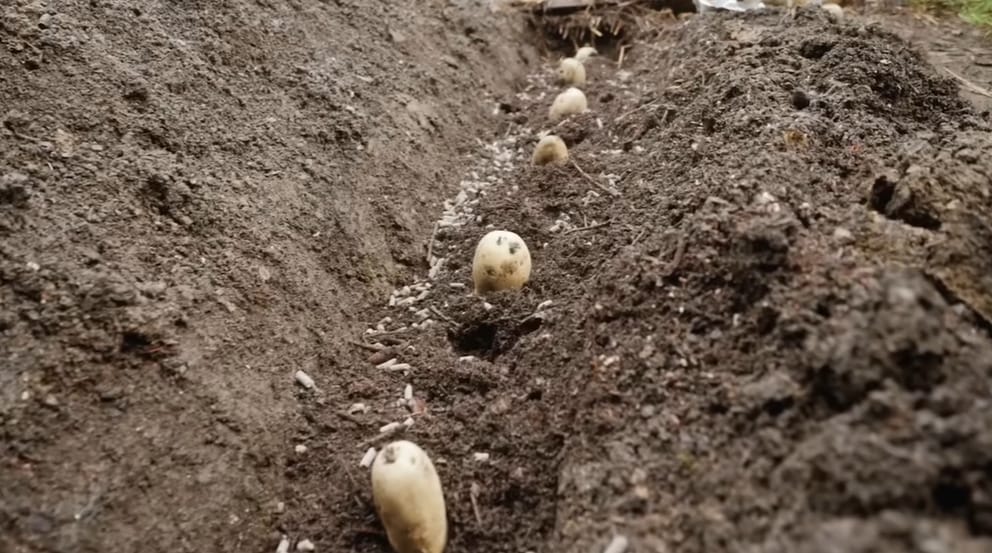
Planting potatoes in loose mud offers several benefits. Loose soil helps potatoes grow better. This section explores the benefits of loose mud for planting potatoes.
Loose mud allows roots to spread easily. Potatoes need space to grow. With more room, roots can absorb more nutrients. This leads to healthier plants. Roots in loose soil also get more oxygen. This helps the plant stay strong and healthy.
Loose mud improves water drainage. Potatoes do not like soggy soil. Too much water can cause rot. Loose soil helps water flow away. This keeps the roots dry and healthy.
| Benefit | Details |
|---|---|
| Enhanced Root Growth | Roots spread easily, absorb more nutrients, get more oxygen. |
| Improved Drainage | Prevents waterlogging, keeps roots dry, reduces rot risk. |
Planting potatoes in loose mud is very beneficial. Healthy roots and proper drainage ensure strong plants.
Soil preparation is crucial for growing healthy potatoes. Proper soil ensures strong roots and better yields. Let's explore how to prepare the soil for planting potatoes.
The first step is choosing the right soil. Potatoes need loose, well-drained soil. This type of soil allows roots to grow freely. Avoid heavy clay soils as they hold water. Sandy loam soils are ideal for potatoes. They provide good drainage and are easy to work with.
You can test your soil's texture using a simple jar test. Fill a jar with soil, add water, and shake it. Let it settle overnight. Layers will form showing sand, silt, and clay content. Aim for a balanced mix with more sand and silt.
Proper tools help in loosening the soil. A garden fork is excellent for breaking up compacted soil. It allows air and water to penetrate deeper. Another useful tool is a rototiller. It makes quick work of large areas. For smaller spaces, a hand trowel works well.
Here is a table of common tools for soil preparation:
| Tool | Purpose |
|---|---|
| Garden Fork | Breaks up compacted soil |
| Rototiller | Loosens large areas quickly |
| Hand Trowel | Ideal for small spaces |
Always keep your tools clean and sharp. This makes soil preparation easier and more effective. Regular maintenance ensures your tools last longer.
Remember, well-prepared soil leads to a bountiful potato harvest. Happy planting!
Planting potatoes in loose mud can be very effective. Using the right techniques ensures a good harvest. Below are some key techniques to help you plant potatoes successfully.
Proper spacing and depth are crucial for potato growth. Plant potato seeds 12 inches apart. This gives them space to grow large tubers. Rows should be 24 inches apart. This allows for easy access and maintenance.
Potato seeds should be planted 4 inches deep. This depth protects them from pests and harsh weather. Cover them with loose mud to encourage root growth. Loose mud allows roots to spread easily.
Companion planting helps potatoes grow better. Plant potatoes near beans, corn, or cabbage. These plants do not compete for nutrients. They also deter pests that harm potatoes.
Avoid planting potatoes near tomatoes or peppers. These plants attract the same pests and diseases. Keeping them apart reduces the risk of infestations.
| Good Companions | Bad Companions |
|---|---|
| Beans | Tomatoes |
| Corn | Peppers |
| Cabbage | Eggplants |
Using these planting techniques ensures healthy and strong potato plants. Remember to use loose mud for the best results.
Watering practices play a crucial role in potato cultivation. Proper watering can enhance growth and yield. Let's explore the best practices for watering your potato plants.
Potatoes need a balanced watering schedule. It's essential to keep the soil consistently moist but not waterlogged. Here's a handy table to guide you:
| Growth Stage | Water Frequency | Amount |
|---|---|---|
| Germination | Every 2-3 days | 1 inch per session |
| Vegetative | Every 4-5 days | 1.5 inches per session |
| Tuber Formation | Every 3 days | 2 inches per session |
| Maturation | Every 6-7 days | 1 inch per session |
Overwatering can lead to root rot and other issues. To prevent overwatering, follow these tips:
Use a moisture meter to measure soil moisture. This tool helps in avoiding overwatering. Keep the soil slightly damp, not soggy. Overwatering can harm your potato plants.
Planting potatoes in loose mud requires careful nutrient management. Proper nutrients ensure healthy growth and high yields. Understanding the right fertilizers and organic amendments is key.
Different types of fertilizers can be used for potatoes. Here are a few:
Use a balanced fertilizer with a ratio of 10-10-10. This ensures an even supply of essential nutrients.
Organic amendments enrich the soil naturally. They improve soil structure and fertility. Here are some effective organic options:
These amendments not only provide nutrients but also improve soil health. This creates an ideal environment for potato growth.
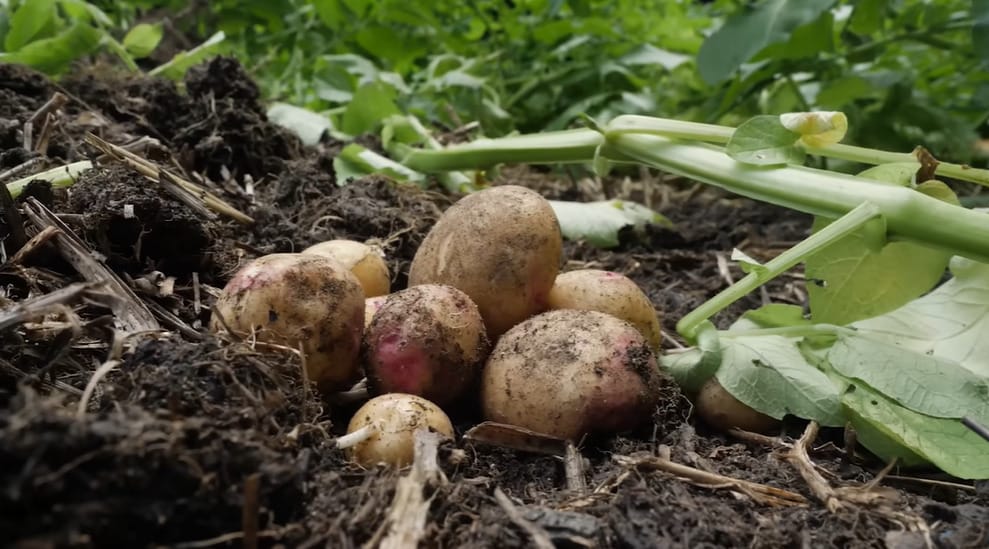
Growing potatoes in loose mud can be beneficial. But, it can also attract pests and diseases. Proper control methods are essential to ensure a healthy harvest.
Several pests can harm potato plants. Here are some of the most common ones:
To protect your potato plants, adopt these preventive measures:
| Pest | Signs | Action |
|---|---|---|
| Colorado Potato Beetle | Defoliated leaves | Handpick beetles |
| Wireworms | Holes in tubers | Use traps |
| Aphids | Sticky leaves | Spray with water |
| Potato Tuber Moth | Burrowed tubers | Use pheromone traps |
Effective pest and disease control starts with prevention. With the right strategies, you can ensure a bountiful harvest.
Harvesting potatoes correctly ensures you get the best yield. Follow these tips for a bountiful harvest and long-lasting storage.
The right time to harvest potatoes is crucial. Wait until the potato plants turn yellow and die back. This indicates that the tubers have matured. Use a garden fork to dig them up carefully. Avoid damaging the tubers as they can rot during storage.
Proper storage is key to keeping potatoes fresh. Follow these steps to store potatoes correctly:
By following these harvesting tips, you can enjoy your home-grown potatoes for months.
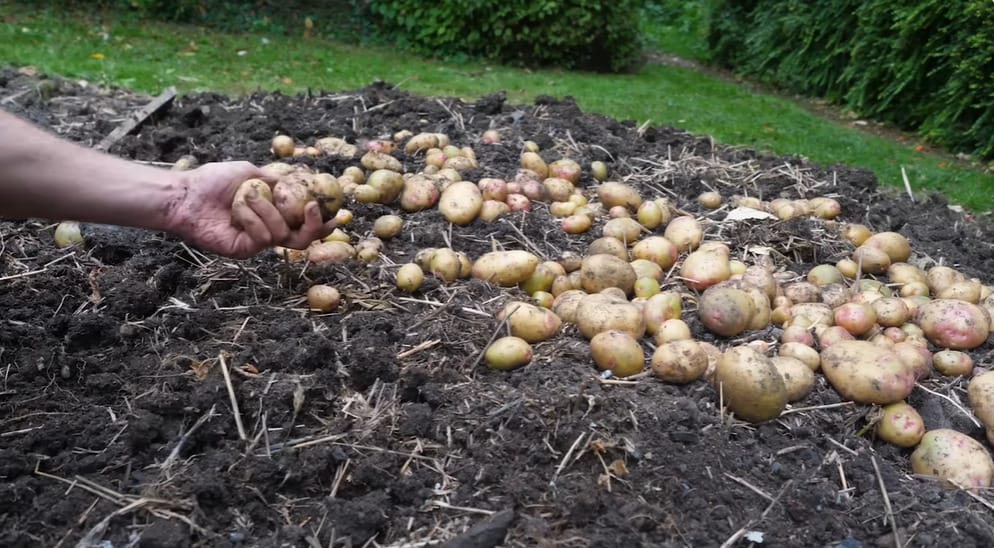
Planting potatoes can be tricky. Many gardeners make common mistakes. These errors affect the growth and yield of potatoes. Knowing these mistakes helps you avoid them.
One major mistake is over compacting soil. Potatoes need loose soil to grow well. Compacted soil restricts root growth. It also reduces air flow. This can lead to smaller potatoes.
To avoid this, always check the soil. Use a garden fork to loosen it. Ensure that the soil is fluffy. It should crumble easily in your hand.
Another common mistake is incorrect watering. Potatoes need the right amount of water. Too much water can cause rot. Too little water leads to dry soil. Both conditions harm your potatoes.
Water the plants deeply once a week. Use a soaker hose for even watering. Always check the soil moisture. It should be damp but not soggy.
Loose mud allows potatoes to grow easily. It prevents soil compaction and promotes healthy root development.
Plant potatoes about 3-4 inches deep. This depth protects them from sunlight and helps them grow strong roots.
Potatoes thrive in well-drained, loose soil. Sandy loam or loamy soil is ideal for healthy potato growth.
Yes, compact soil restricts root expansion. It can lead to poor tuber development and stunted potato plants.
Yes, adding compost enriches the soil. It improves soil structure and provides essential nutrients for potato plants.
Planting potatoes in loose mud offers numerous benefits, including better root growth and easier harvesting. The soil's aeration ensures healthy plants and higher yields. For the best results, prepare your garden with well-loosened soil. This simple step can significantly impact your potato crop's success.
Start planning your garden today for bountiful harvests.