Gardening Made Simple.

Growing your own San Marzano tomatoes is a rewarding experience for any gardener, whether you’re a home cook seeking the perfect sauce or a hobbyist who loves rare and classic varieties. Known for their rich taste and low acidity, San Marzano tomatoes are famous in Italian cuisine, especially for pasta sauces and pizza. But their legendary flavor comes from more than just the seed—it’s about proper care and technique.
If you’re wondering How to Grow San Marzano Tomatoes, understanding the right planting, watering, and feeding methods makes all the difference. Many beginners find them challenging, but with the right approach, you can enjoy a bountiful harvest of these prized tomatoes
This guide walks you through every step, from selecting seeds to harvesting and troubleshooting problems. Along the way, you’ll learn practical tips that even many experienced gardeners overlook. If you want to grow San Marzano tomatoes that rival those from the slopes of Mount Vesuvius, here’s everything you need to know.

San Marzano tomatoes come from the Campania region of Italy and are prized for their sweet flavor, firm flesh, and fewer seeds. The long, slender shape and intense red color make them easy to recognize. Unlike most supermarket tomatoes, these are classified as plum tomatoes and are the gold standard for traditional Italian sauces.
A non-obvious insight: San Marzano tomatoes are indeterminate, meaning they keep growing and producing fruit throughout the season until killed by frost. This makes their care and pruning different from determinate types, which stop growing after a set period.
Another key fact: Authentic San Marzano tomatoes are grown in volcanic soil near Naples. While you can’t import the Italian soil, you can mimic its loose, nutrient-rich qualities for better results at home.
Not all San Marzano seeds are the same. Some are genuine Italian varieties, and others are adapted for different climates.
For best results, buy from reputable sources. Seeds from Italy are often available online, but check reviews and germination rates.
San Marzano tomatoes need a long growing season—usually 80-90 days from transplanting to harvest. In most climates, you should start seeds indoors 6–8 weeks before the last expected frost.
Most seeds sprout in 7–10 days. Once seedlings emerge, ensure good air circulation to prevent fungal problems.
Pro tip: Brush your hand gently across the seedlings a few times a day. This movement encourages stronger stems, mimicking outdoor wind.
When seedlings have two sets of true leaves and outdoor temperatures are reliably above 50°F (10°C) at night, it’s time to prepare them for the garden.
This step helps seedlings adjust to outdoor conditions.
Skipping this step is a common beginner mistake that can lead to transplant shock.
San Marzano tomatoes need full sun—at least 6–8 hours daily. They prefer well-drained, fertile soil with a pH of 6.2–6.8.
Avoid planting tomatoes in the same spot where potatoes, peppers, or eggplants grew the previous year. These plants share diseases that can linger in the soil.
Good soil is the foundation for healthy tomatoes. Prepare your garden bed or containers at least two weeks before transplanting.
San Marzano tomatoes need nutrients, but too much nitrogen can lead to leafy plants with few fruits. Use a balanced fertilizer or one lower in nitrogen (N) and higher in phosphorus (P) and potassium (K).
Here’s a quick comparison of common organic amendments:
| Amendment | N-P-K Ratio | Best Use |
|---|---|---|
| Compost | 1-1-1 | General soil health |
| Bone Meal | 3-15-0 | Boosts root & fruit |
| Wood Ash | 0-1-3 | Adds potassium |
| Fish Emulsion | 5-1-1 | Early growth |
Mix amendments into the top 6 inches (15 cm) of soil before planting.
When nighttime temperatures stay above 50°F (10°C), you can transplant your seedlings.
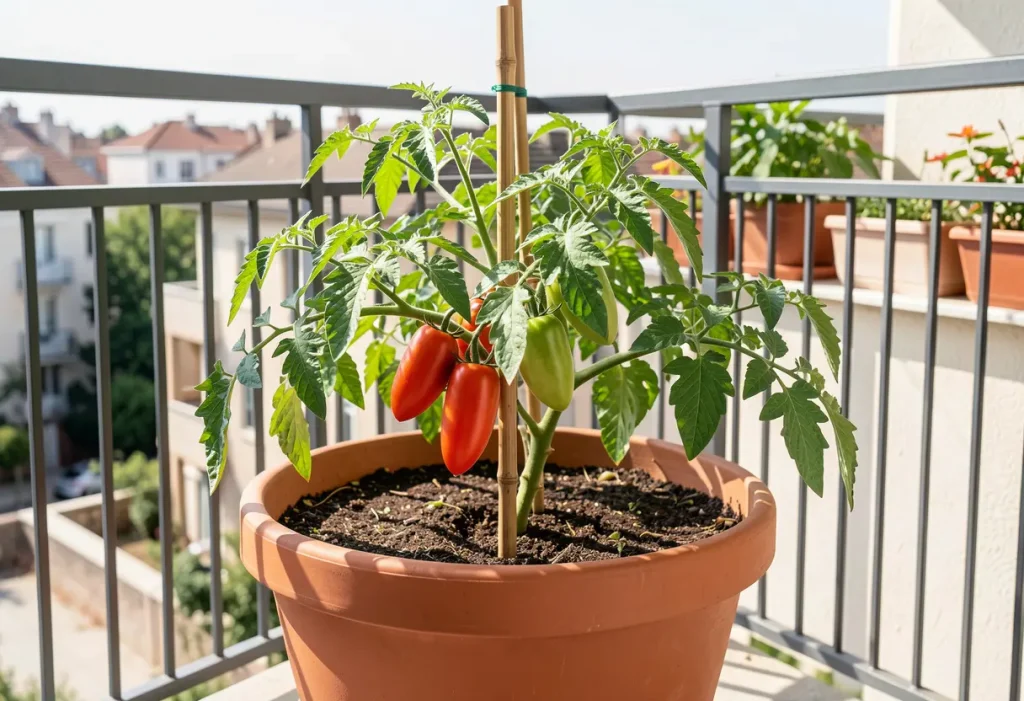
San Marzano tomatoes grow large. Space plants 24–36 inches (60–90 cm) apart in rows at least 36 inches (90 cm) apart. In containers, use at least a 5-gallon (19-liter) pot per plant.
A key tip for tomatoes: plant them deeper than they grew in the seed tray. Remove lower leaves and bury the stem up to the top set of leaves. Roots will grow from the buried stem, making a sturdier plant.
Install stakes, cages, or trellises at planting time. Indeterminate tomatoes like San Marzano need strong support as they grow tall and heavy with fruit.
Supporting plants early prevents root damage later.
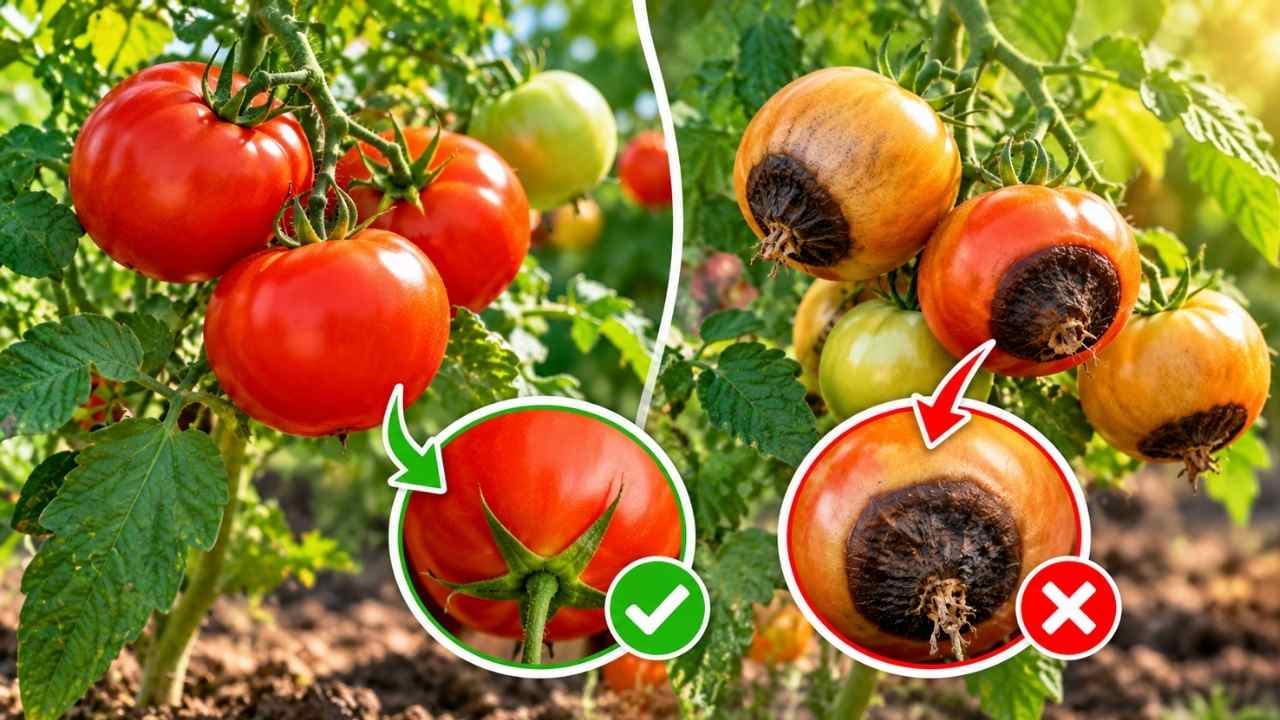
Consistent watering is crucial for San Marzano tomatoes. Irregular watering often leads to problems like blossom end rot and cracked fruits.
A non-obvious insight: Mulch the soil with straw, shredded leaves, or compost. This keeps moisture even, prevents weeds, and protects roots.
San Marzano tomatoes are moderate feeders. Too much fertilizer, especially nitrogen, causes lush leaves but fewer tomatoes.
Here’s a sample fertilizer schedule:
| Growth Stage | Fertilizer Type | Notes |
|---|---|---|
| At Planting | Balanced (e.g., 5-5-5) | Mix into soil |
| First Flowers | Low N, higher P/K (e.g., 2-6-4) | Side-dress or liquid feed |
| Fruit Set | Compost Tea / Bone Meal | Optional boost |
Avoid over-fertilizing. Too many nutrients can harm fruit quality.
Indeterminate tomatoes like San Marzano benefit from pruning and training.
Pruning improves air circulation, reduces disease, and produces larger, better fruit.
A practical tip: Use clean, sharp pruners. Wipe blades with alcohol between cuts to prevent spreading disease.
San Marzano tomatoes are not immune to problems. Watch for these common issues:
Resistant varieties help, but good garden hygiene is the best prevention.
Mulch is a simple way to keep your San Marzano tomatoes healthy.
Hand-pull weeds regularly. Never use chemical weed killers near edible plants.
San Marzano tomatoes are self-pollinating, but weather can affect fruit set.
A non-obvious insight: If you’re growing in a greenhouse or indoors, use a small paintbrush to transfer pollen between flowers.
San Marzano tomatoes are ready to pick when:
Pick regularly to encourage more fruit. Overripe tomatoes left on the plant can attract pests and slow new growth.
After harvesting, store tomatoes at room temperature for best flavor. Avoid refrigerating, as cold damages texture and taste.
If you want to grow San Marzano tomatoes again, you can save seeds from your best fruits.
Pro tip: Label saved seeds with the year and variety to avoid confusion.
If you lack garden space, San Marzano tomatoes can thrive in containers.
Container plants are more vulnerable to heat and wind—move them if needed during extreme weather.
Even with care, challenges can happen.
Many issues resolve with consistent care and observation.
For the best-tasting San Marzano tomatoes:
An advanced tip: Remove some leaves above ripening fruit clusters. This gives more sun to the tomatoes, improving color and taste.
San Marzano tomatoes are famous for sauce, but they’re also excellent fresh.
For canning, use a boiling water bath and follow safe guidelines. San Marzano’s low water content makes for thick, rich sauce.
How do San Marzano tomatoes stack up against other popular types? Here’s a quick look:
| Feature | San Marzano | Roma | Beefsteak |
|---|---|---|---|
| Shape | Long, slender | Egg-shaped | Large, round |
| Flavor | Sweet, rich | Mild, less sweet | Juicy, mild |
| Seeds | Few | Few | Many |
| Best Use | Sauce, canning | Sauce, paste | Fresh eating |
San Marzano wins for sauce and canning, while Roma is a common substitute. Beefsteak is best for sandwiches and salads.
Want tomatoes earlier or later in the season? Try these strategies:
San Marzano tomatoes grow well with certain plants, which can boost growth and reduce pests.
For healthier plants and better-tasting fruit:
Pro tip: Leave some weeds like clover between rows to attract pollinators and beneficial insects.

San Marzano tomatoes usually take 80–90 days from transplanting to produce mature fruit. If you start seeds indoors, add 6–8 weeks for seedlings to grow before planting outside.
It’s not recommended. Store-bought tomatoes are often hybrids or treated and may not produce true-to-type plants. For best results, use seeds from a reputable supplier or save seeds from your own healthy, disease-free plants.
Common reasons include temperatures outside the ideal range (below 55°F/13°C or above 90°F/32°C), too much nitrogen, or poor pollination. Make sure plants get enough sun, and try gently shaking them to help with pollination.
Blossom end rot is a dark, sunken spot on the bottom of tomatoes. It’s caused by inconsistent watering and lack of calcium. Keep soil moisture even, mulch well, and don’t over-fertilize with nitrogen.
For more in-depth history and regional information, visit the San Marzano Tomato Wikipedia page.
Growing San Marzano tomatoes is a journey that rewards patience and attention to detail. With the right techniques, you can enjoy abundant harvests of flavorful, authentic tomatoes—perfect for sauces, canning, or fresh eating. Whether you’re planting in a backyard garden or a sunny balcony, these classic Italian tomatoes are worth the effort. A little planning, steady care, and a few expert tips will make your San Marzano crop the envy of any tomato lover.