Gardening Made Simple.
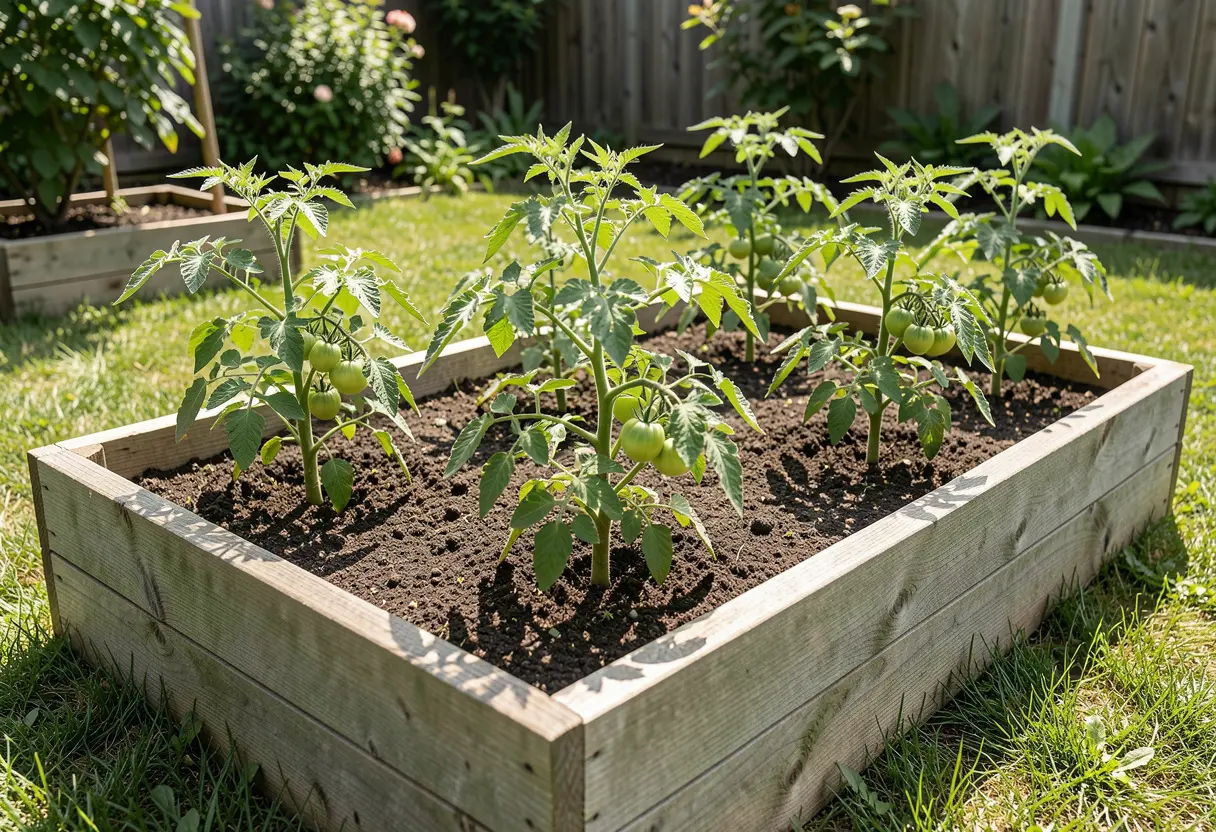
Are you ready to grow juicy, flavorful Roma tomatoes in your garden? Roma Tomato Plant Spacing plays a key role in healthy growth, helping your plants get enough sunlight, airflow, and nutrients for a bigger harvest.
If you plant too close, your tomatoes may struggle to thrive. Too far apart, and you waste precious garden space. You’ll discover exactly how to space your Roma tomato plants for the biggest, healthiest harvest. Keep reading to unlock the secret to a thriving tomato patch that will have you enjoying fresh, homegrown Roma tomatoes all season long.
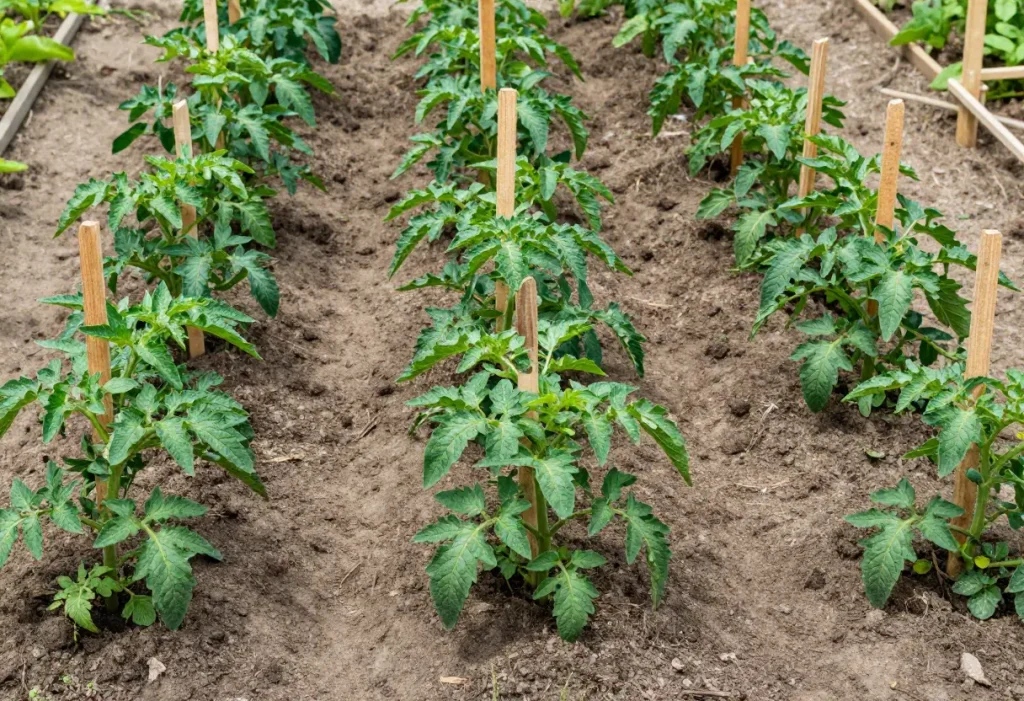
Proper spacing is key to growing healthy Roma tomato plants. It helps plants get enough light, air, and nutrients. Good spacing also reduces disease risk and improves fruit quality. Knowing the right distance between rows and plants leads to a better harvest.
Space rows about 36 to 48 inches apart. This width lets you walk between rows for care and harvesting. It also allows sunlight to reach all plants evenly. Avoid crowding rows to keep plants healthy and strong.
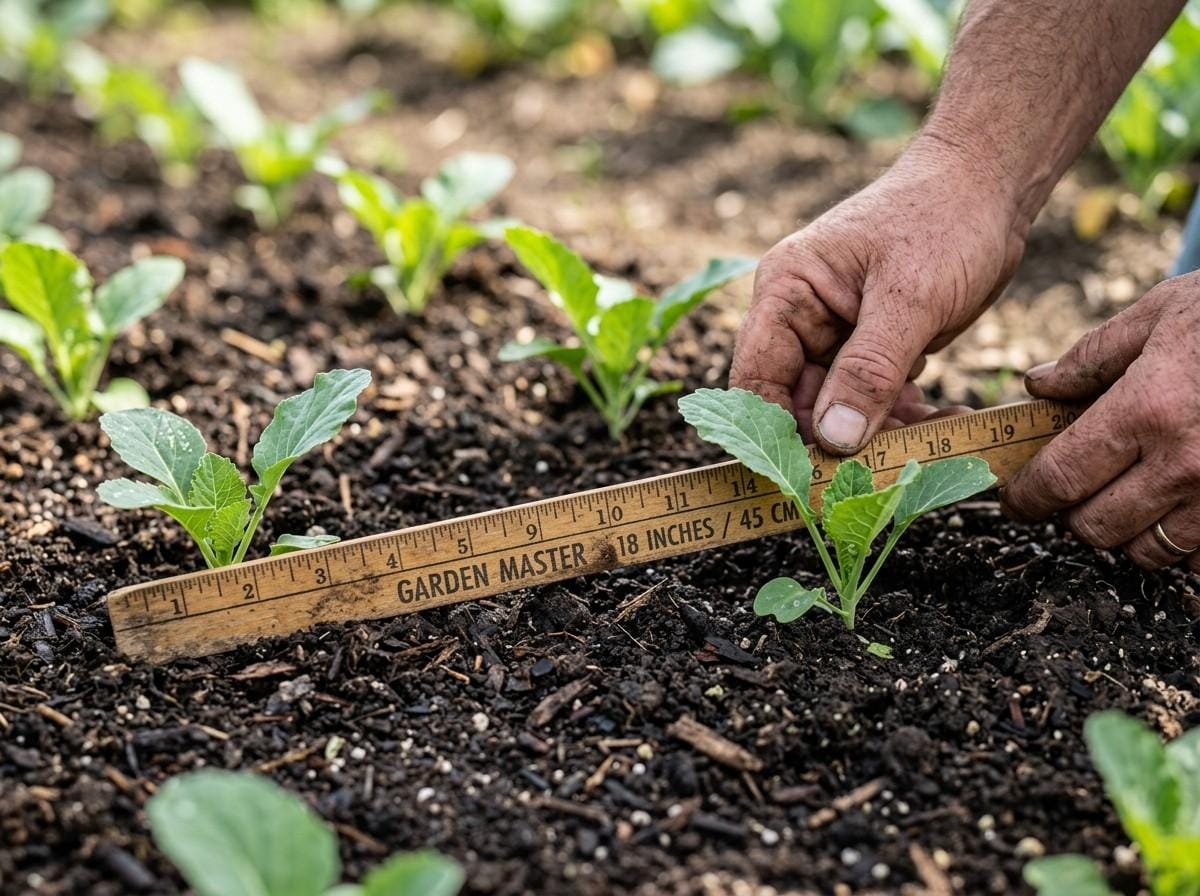
Plant Roma tomatoes 18 to 24 inches apart in each row. This gives each plant room to grow its roots and leaves. Proper distance helps plants avoid competition for water and nutrients. It also makes pruning and tying easier.
Good spacing improves airflow around plants. Air moves freely, drying leaves and reducing mold risk. Better airflow lowers the chance of fungal diseases. Plants with enough space stay healthier and produce better fruit.
Proper soil preparation and bed layout are key for healthy Roma tomato plants. Good soil helps roots grow deep and strong. A well-planned bed layout ensures plants have enough space and nutrients. This section covers how to prepare soil and design beds for Roma tomatoes.
Roma tomatoes grow best in loose, well-draining soil. Sandy loam or loamy soil works well. Avoid heavy clay or waterlogged soil. The soil pH should be slightly acidic, between 6.0 and 6.8. Test soil before planting to check its condition. Add organic matter like compost to improve texture and fertility.
Raised beds warm faster in spring, helping early growth. They drain water well and reduce soil compaction. Raised beds also limit weed growth. In-ground planting works well in large spaces with good soil. It allows roots to spread deeper. Choose based on your space and soil quality.
Healthy Roma tomatoes need balanced nutrients. Add compost or aged manure before planting. Use a fertilizer rich in phosphorus and potassium. Avoid too much nitrogen, which causes leafy growth over fruit. Test soil regularly and adjust nutrients as needed. Mulch helps keep soil moist and cool.
Planting Roma tomatoes correctly helps them grow strong and produce many fruits. Good planting techniques improve air flow and reduce disease risk. Proper spacing also makes watering and care easier.
Start Roma tomatoes from seedlings or sow seeds directly in the soil. Seedlings give a head start and grow faster. Direct sowing is simpler but takes longer to mature. Choose based on your climate and time available.
Plant Roma tomatoes deep to encourage strong roots. Bury the stem up to the first leaves. Planting at a slight angle helps the plant stand firm. Good root growth supports healthy plants and better fruit.
Water seedlings gently after planting to settle the soil. Use stakes or cages early to support growing plants. Early care prevents damage and keeps plants upright. Healthy plants produce more tomatoes and resist pests well.
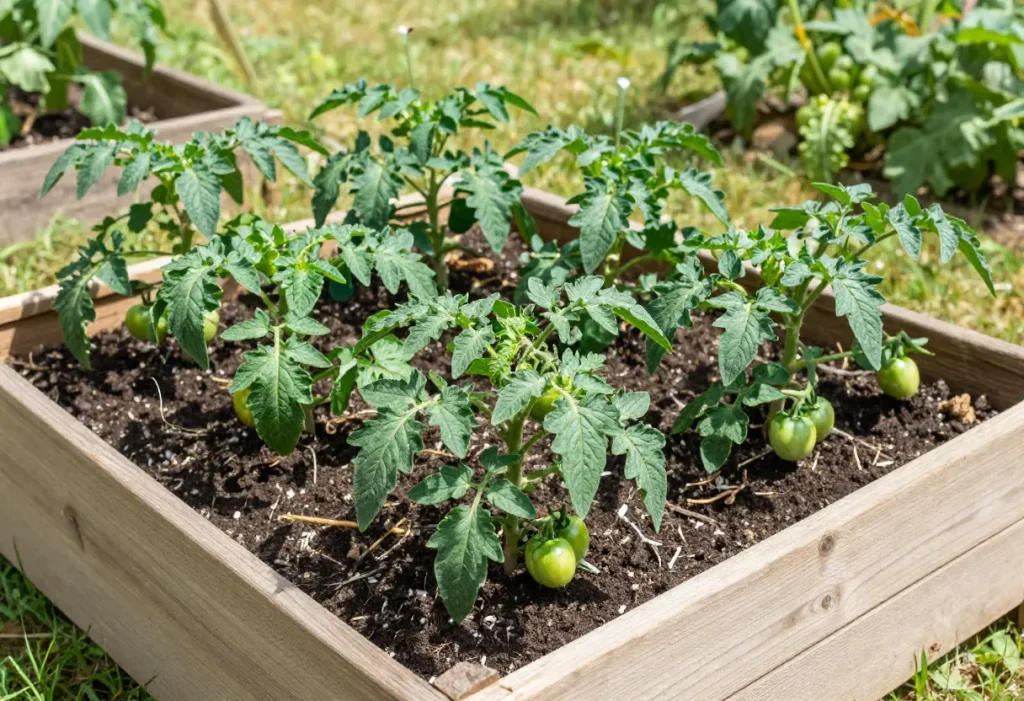
Proper spacing is key for growing healthy Roma tomato plants. It helps each plant get enough air, light, and nutrients. Giving plants enough room supports strong growth and bigger harvests.
Plants need sunlight to grow and produce fruit. Spacing Roma tomato plants correctly lets sunlight reach all leaves. This improves photosynthesis, the process plants use to make food. More sunlight means healthier plants and better fruit development.
Good spacing reduces moisture buildup between plants. Wet, crowded plants encourage diseases like blight and mold. Air moves freely with proper spacing, keeping leaves dry. Healthy airflow lowers the chance of infections.
Pollination helps tomatoes form fruit. Space allows bees and insects to move easily between plants. This improves pollination rates. More pollination means more tomatoes on each plant.
Adjusting the spacing of Roma tomato plants depends on the growing environment. Different conditions need different space for plants to grow well. Proper spacing helps air flow, sunlight, and nutrient access. This leads to healthy plants and better fruit production.
In containers, space is limited. Choose pots that are at least 12 inches wide. Plant one Roma tomato per container to avoid crowding. Keep containers 18 to 24 inches apart on shelves or patios. This allows good air circulation and easy care.
Greenhouses provide controlled environments. Space Roma tomato plants about 18 to 24 inches apart. This spacing balances plant growth and airflow. Avoid overcrowding to reduce disease risk. Use stakes or cages for vertical growth to save space.
High-density gardens grow many plants close together. Space Roma tomatoes about 15 inches apart in rows. Keep rows 24 inches apart for walking and care. Prune lower leaves to improve airflow. This method saves space but needs more attention.
Proper spacing is key for healthy Roma tomato plants. Mistakes in spacing can cause many problems. These errors affect plant growth and fruit quality. Avoiding common spacing mistakes helps your garden thrive.
Plants too close together compete for sunlight and air. Crowded plants have poor air flow. This leads to more disease and pests. Fruits may not grow well or ripen evenly. Overcrowded roots also struggle for nutrients and water.
Giving plants too much space wastes garden area. It can reduce the total yield. Large gaps allow weeds to grow easily. Soil dries out faster without plant cover. Wide spacing also makes watering and care less efficient.
Roma tomatoes grow tall and spread wide. Ignoring these habits causes wrong spacing choices. Some plants need more room to grow fully. Others stay compact. Knowing growth patterns helps set the right distance. This supports healthy plants and better harvests.
Harvesting Roma tomatoes at the right time and maintaining the plants properly can boost your garden’s success. Healthy plants produce more fruit and resist diseases better. Careful attention to pruning, watering, and pest control helps keep your Roma tomatoes strong and fruitful.
Remove the lower leaves to improve air flow around the plant. Cut off small side shoots, called suckers, that grow between the main stem and branches. Pruning focuses the plant’s energy on producing larger tomatoes. Trim dead or yellow leaves regularly to avoid disease spread.
Water Roma tomato plants deeply and evenly. Deep watering encourages roots to grow further into the soil, helping plants tolerate heat and drought better throughout the growing season. Keep soil moist but not soggy. Avoid wetting the leaves to reduce the risk of fungal diseases.
Water in the morning to let plants dry during the day. Early-day watering is widely recommended because it allows foliage to dry quickly and helps reduce fungal disease pressure. Use mulch around the base to keep soil moist longer.
Check plants daily for pests like aphids and tomato hornworms. Remove pests by hand or use safe insecticidal soap. Look for signs of disease such as spots or mold on leaves. Remove affected leaves immediately. Rotate crops each year to reduce disease build-up in soil.
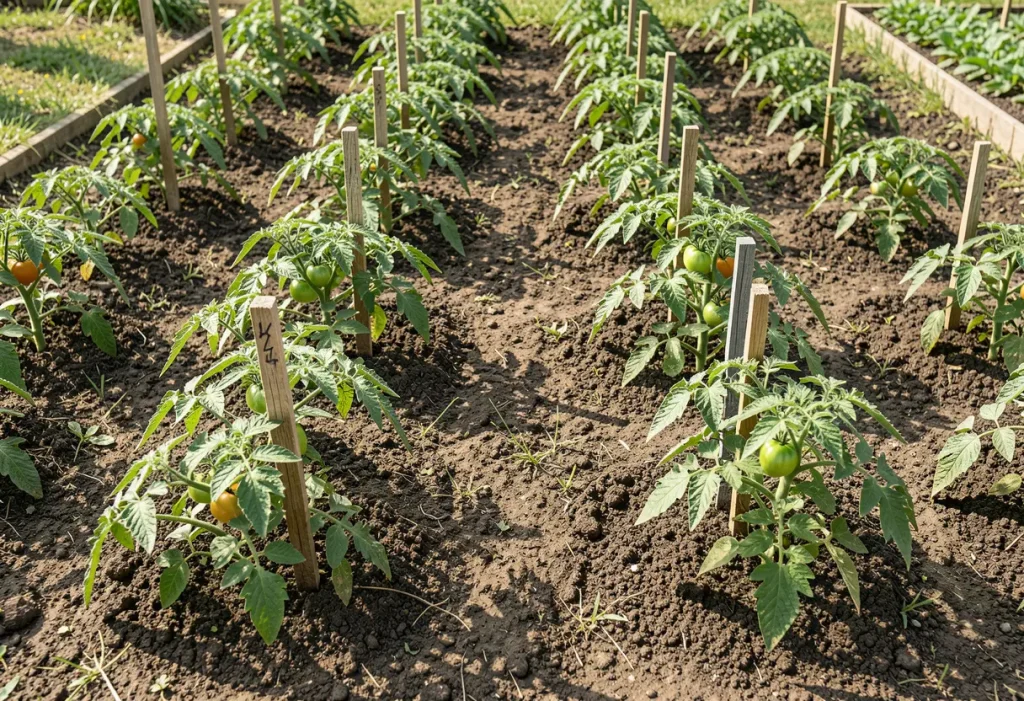
The ideal spacing for Roma tomato plants is 18 to 24 inches apart. This allows enough room for growth and air circulation. Proper spacing helps prevent diseases and promotes healthy plants.
Rows of Roma tomato plants should be spaced about 36 to 48 inches apart. This space allows easy access for watering and harvesting. It also improves sunlight exposure and airflow.
Spacing Roma tomato plants too close can cause crowding and poor air circulation. This increases the chance of disease and reduces fruit quality. Stick to recommended spacing for best results.
Spacing Roma tomato plants too close can cause crowding and poor air circulation. This increases the chance of disease and reduces fruit quality. Stick to recommended spacing for best results.
Good spacing helps Roma tomato plants grow bigger and healthier. It supports better fruit development and higher yields. Crowded plants often produce fewer and smaller tomatoes.
Yes. Roma tomatoes grow well in containers that are at least 5 gallons in size and receive full sunlight throughout the day.
Most Roma tomato plants benefit from cages or stakes to support fruit production and improve airflow around the plant.
A healthy Roma tomato plant can produce dozens of tomatoes during the growing season, depending on variety and growing conditions.
Spacing Roma tomato plants correctly helps them grow healthy and strong. Plants need enough room for air and sunlight. Crowded plants can get sick or produce less fruit. Give each plant enough space to spread its leaves and roots. Good spacing makes it easier to water and pick tomatoes.
Follow the right distance to enjoy a better harvest. Healthy plants mean more tasty Roma tomatoes for your table. Keep spacing in mind for a happy garden and delicious results.
Once your Roma tomatoes begin ripening, knowing the perfect harvest window is important for flavor and storage quality. Learning when tomatoes are fully ripe helps prevent picking them too early or too late.