Gardening Made Simple.

Are you planting eggplants in your garden? Choosing the right companion plants can make a big difference in how healthy and productive your eggplants become. Knowing which Bad Companion Plants for Eggplant to avoid helps prevent growth problems, pest issues, and lower yields, ensuring a thriving harvest.
But did you know that some plants can actually harm your eggplants or stunt their growth? If you want to avoid wasting time, effort, and space, it’s important to know which companions to steer clear of. Keep reading to discover the bad companion plants for eggplant and learn how to protect your garden from common planting mistakes.
Your eggplants will thank you!
Choosing the right companion plants for eggplants is key for a healthy garden. Some plants harm eggplants by attracting pests, stealing nutrients, or slowing their growth. Avoiding these bad companions helps your eggplants thrive. Below are common eggplant companions to avoid.
Certain plants draw pests that attack eggplants. For example, potatoes and peppers attract flea beetles. These tiny beetles damage eggplant leaves quickly. Beans can bring aphids, which spread diseases. Avoid planting these near eggplants to reduce pest problems.
Some plants compete heavily for nutrients in the soil. Corn and fennel are strong nutrient users. They take nitrogen and other minerals from eggplants. This competition stunts eggplant growth. Keep these plants separate from your eggplants for better nutrition.
Certain plants release chemicals that stop eggplants from growing well. Black walnut trees produce juglone, which harms many vegetables. Sunflowers can also inhibit nearby plants by shading and chemical release. Avoid planting eggplants near these to protect their growth.
Eggplants need the right neighbors in the garden to grow healthy and strong. Some plants harm eggplants and stop them from growing well. Knowing why some plants are bad companions helps you avoid problems. It also helps your eggplants thrive and produce more fruit.
Some plants release chemicals into the soil. These chemicals can stop eggplants from growing. This process is called allelopathy. These chemicals hurt eggplant roots and slow their growth. Avoid planting eggplants near plants with strong allelopathic effects.
Certain plants attract the same pests as eggplants. These pests damage both plants and reduce growth. Planting them close helps pests spread faster. It also makes pest control harder. Keep eggplants away from plants that share pest problems.
Plants with big root systems compete with eggplants for space. They also take more water and nutrients from the soil. Eggplants may become weak if roots fight for resources. Choose companion plants with small roots to avoid this problem.
Choosing the right plants to grow near eggplants is very important. Some plants can hurt eggplants by stealing nutrients or attracting pests. Avoid planting certain companions to keep your eggplants healthy and strong. Below are some common bad companion plants to watch out for.
Fennel releases chemicals that stop eggplants from growing well. It can lower eggplant’s ability to absorb nutrients. Keep fennel away to avoid poor eggplant growth and weak plants.
Fennel is considered one of the least compatible companion plants for most vegetables. Its natural allelopathic properties can interfere with root development and reduce overall plant vigor.
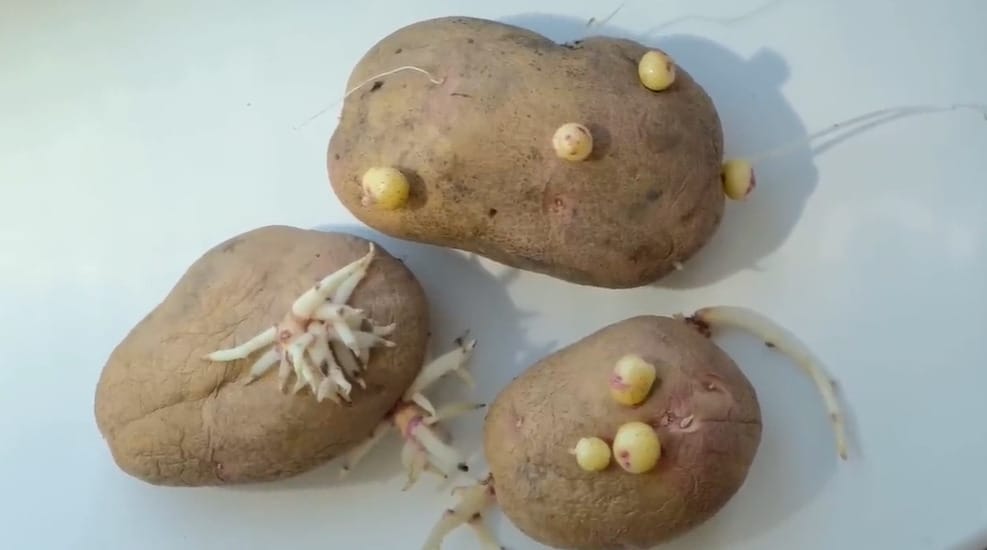
Potatoes and eggplants both suffer from similar diseases. Planting them close can spread problems quickly. They compete for the same nutrients, which can reduce eggplant yield.
Both potatoes and eggplants belong to the nightshade family. Because they are closely related, they are vulnerable to many of the same fungal diseases, including early blight and verticillium wilt. Growing them together can increase the risk of disease spreading throughout the garden.
Cabbage family plants like broccoli and cabbage attract pests that harm eggplants. These pests can jump from cabbage to eggplants easily. Avoid planting them near eggplants to protect your crop.
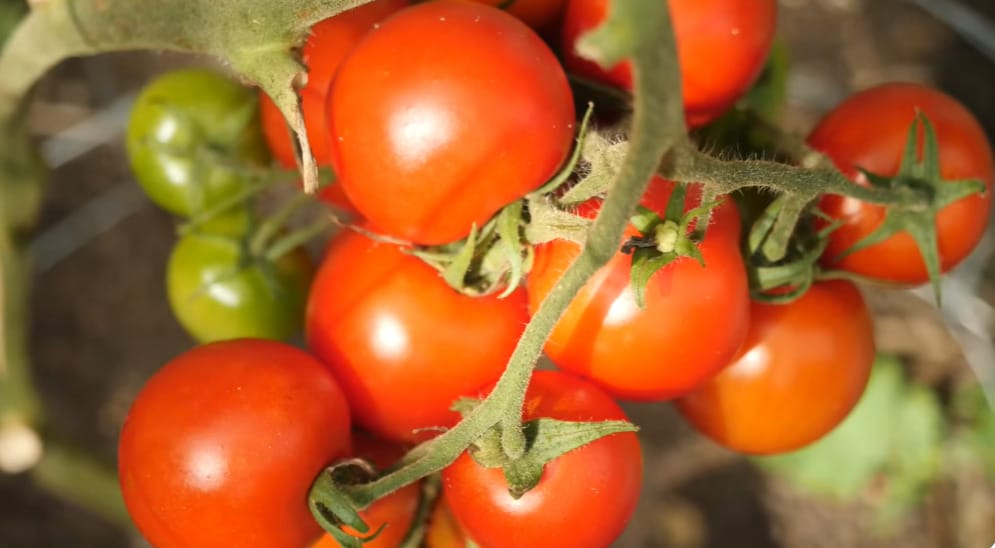
Tomatoes and eggplants share pests and diseases. Planting them together can increase pest attacks. They also compete for nutrients, which can weaken eggplants over time.
Poor plant pairing can harm your eggplants. It affects their health and growth. Recognizing signs of bad companion plants helps you avoid problems early. Watch your garden closely for these warning signs.
Eggplants may stop growing well with bad neighbors. They look smaller than usual. Leaves can turn yellow or wilt. Plants may stay short and weak. This happens because they compete for nutrients and space.
Wrong companion plants can attract more pests. Bugs like aphids and beetles may gather. These pests damage leaves and stems. Your eggplants become less healthy and more vulnerable. Pests spread diseases too, which harms your plants further.
Eggplants with poor companions often produce fewer fruits. The fruits may be smaller or misshapen. Sometimes, flowers drop before turning into fruit. This lowers the overall harvest from your garden. Healthy pairing supports strong and abundant fruit growth.
Choosing the right companion plants helps eggplants grow strong and healthy. Some plants harm eggplants by taking nutrients or inviting pests. Picking better companions improves soil health and reduces bugs. Here are tips to find plants that work well with eggplants.
Good companions share space and resources without competing. They can also protect eggplants from pests naturally. Avoid plants that attract the same pests or need too much water and nutrients.
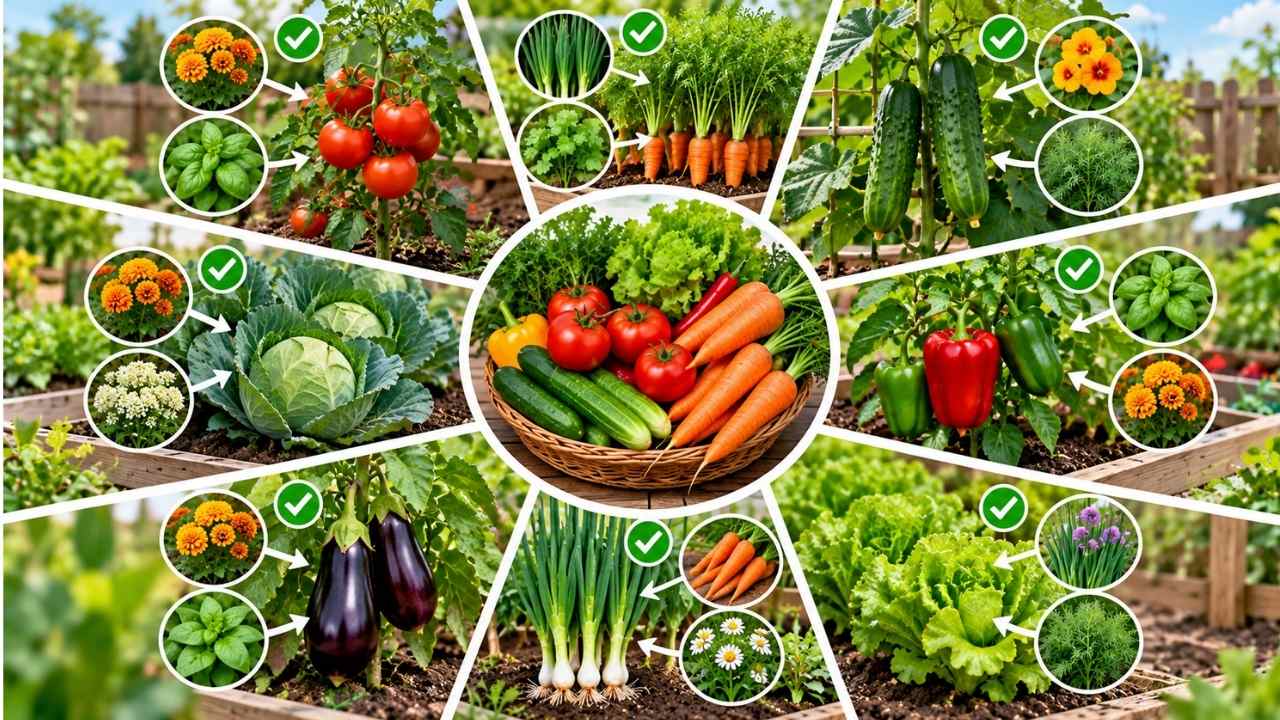
Basil is a great match. It repels insects like aphids and beetles. Beans add nitrogen to the soil, helping eggplants grow. Marigolds keep away nematodes and harmful insects. Peppers and spinach also grow well nearby without crowding eggplants.
Change plant locations each year to stop disease build-up. Avoid planting eggplants after tomatoes or potatoes. These plants share pests and diseases. Rotate with beans, peas, or leafy greens to refresh soil. Crop rotation keeps soil healthy and plants strong.
Eggplants need full sun and rich, well-drained soil. Space plants at least 18 inches apart. This prevents crowding and disease spread. Use mulch to keep soil moist and cool. Proper spacing and soil care help eggplants thrive with their companions.
While some plants should be avoided, others can benefit eggplants.
Choosing compatible companions helps create a healthier and more productive garden environment.
Avoid fennel, potatoes, peppers, tomatoes, and corn near eggplants to prevent growth problems.
Potatoes and eggplants share pests and diseases that can harm both plants.
Yes, peppers compete for nutrients and attract similar pests, reducing eggplant health.
Corn attracts pests that also damage eggplants, so keep them apart for better growth.
Fennel releases chemicals that stop eggplants from growing properly and reduce their yield.
They can be grown together, but both belong to the nightshade family and may share pests and diseases, requiring careful monitoring.
Basil is often considered one of the best companion plants because it may help repel certain insect pests while taking up little space.
Yes. Crop rotation helps reduce soil-borne diseases and pest populations that commonly affect eggplants.
Choosing the right plants near eggplants matters a lot. Some plants can harm eggplants or slow their growth. Avoid planting beans, fennel, or potatoes close to eggplants. These companions can cause problems like pests or diseases. Keep eggplants happy by giving them space from bad neighbors.
Good planning leads to a stronger, healthier garden. Remember, simple choices make gardening easier and more fun. Stay careful and watch your eggplants grow well!