Gardening Made Simple.
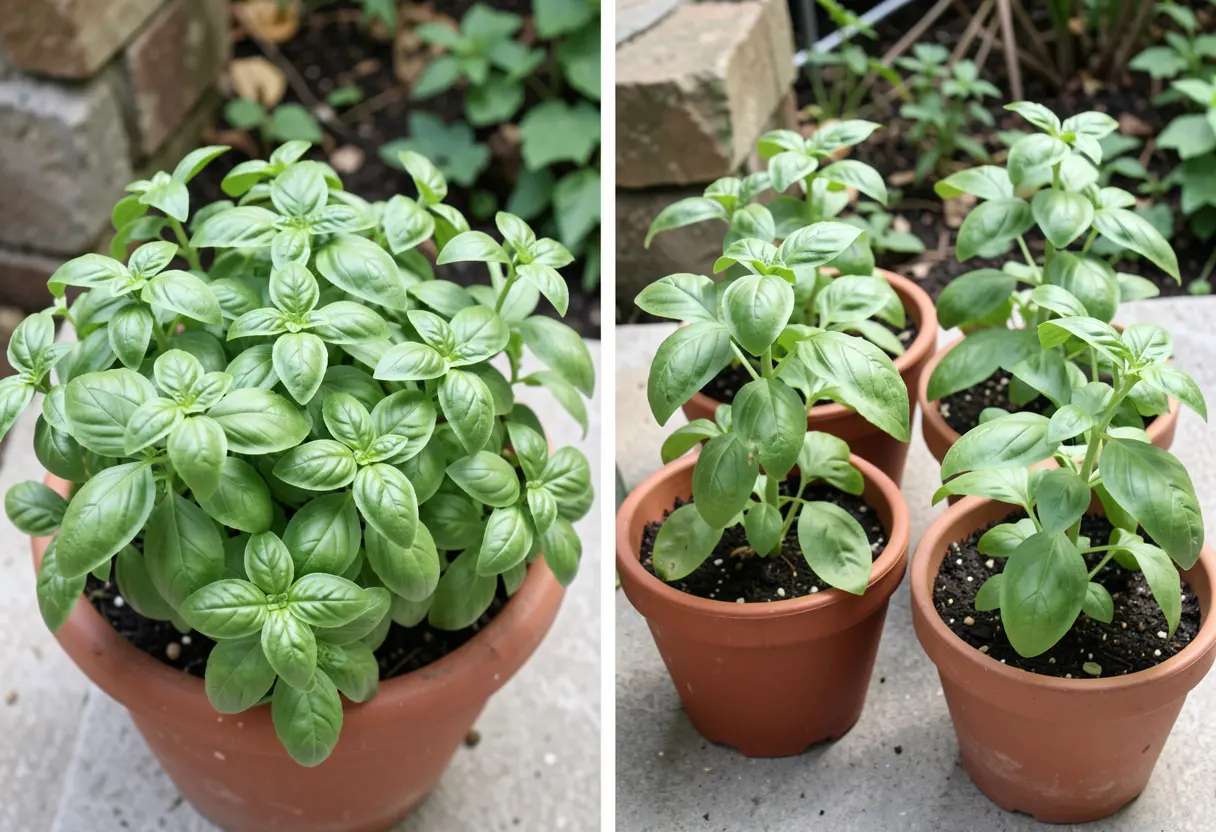
No, you should not plant a lot of basil in one pot. Basil needs space to grow healthily, develop strong roots, and produce lush leaves. If you’re wondering, Should I Plant a Lot of Basils in One Pot, the answer is simple: overcrowding leads to poor air circulation, weak growth, and higher risk of disease. Giving each plant enough room helps ensure better flavor, healthier foliage, and a longer harvest period.
Basil is a popular herb known for its aromatic leaves and culinary versatility. Growing basil at home can be rewarding, but proper planting techniques are essential. Each basil plant requires adequate space for roots to spread and leaves to flourish.
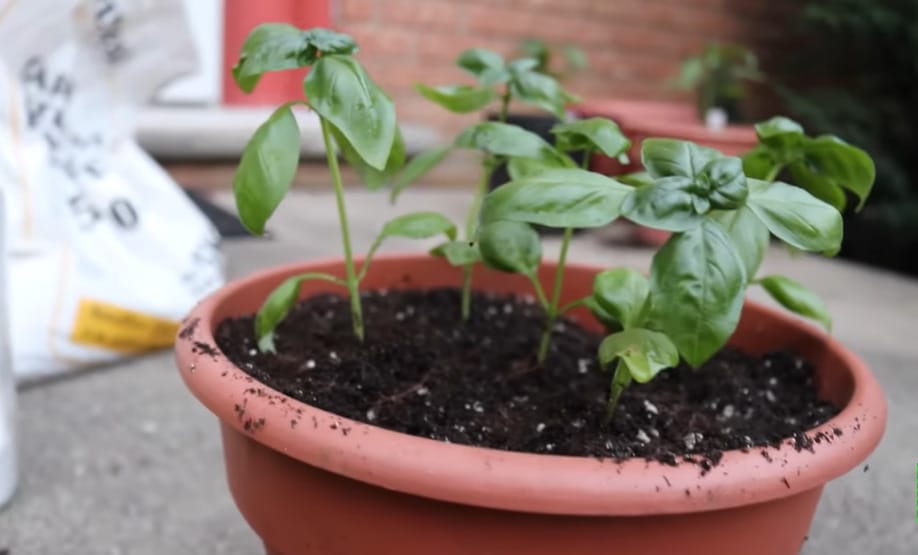
Crowding multiple plants in one pot can lead to competition for nutrients and water, stunting growth. It may also increase the risk of diseases due to poor air circulation. For optimal growth, plant one basil seedling per pot or ensure each plant has enough space in larger containers. This approach promotes healthy development and a bountiful harvest.
Growing basil offers a variety of benefits that make it a popular herb. This versatile plant can enhance your cooking, health, and garden.
Basil is known for its rich flavor and aroma. This makes it a favorite in many kitchens. Fresh basil can elevate the taste of dishes like pasta, salads, and soups.
Here are some popular uses of basil:
The aroma of basil is also a natural air freshener. It can make your home smell delightful.
Basil is not just tasty; it is also packed with health benefits.
Some of the health benefits include:
| Benefit | Description |
|---|---|
| Rich in Antioxidants | Basil helps fight free radicals in the body. |
| Anti-Inflammatory | It can reduce inflammation and swelling. |
| Supports Digestion | Basil aids in improving digestion. |
Including basil in your diet can boost your overall health. It provides essential vitamins and minerals.
Planting basil in one pot can be tricky. Basil needs specific conditions to thrive. Understanding these conditions helps ensure healthy growth.
Basil loves the sun. It needs at least 6 hours of sunlight each day. Place the pot in a sunny spot. If indoors, use a grow light. Ensure the plant gets enough light to thrive.
Basil prefers well-drained soil. The soil should be rich in nutrients. Use a potting mix designed for herbs. Add compost to boost fertility.
The soil's pH level should be between 6.0 and 7.0. This range is slightly acidic to neutral. Test the soil if unsure. Adjust the pH with lime or sulfur.
| Condition | Requirement |
|---|---|
| Sunlight | 6 hours daily |
| Soil Type | Well-drained, nutrient-rich |
| pH Level | 6.0 - 7.0 |
Ensure the pot has drainage holes. This prevents waterlogging. Water the basil when the top inch of soil is dry. Avoid overwatering to prevent root rot.
Planting basil in pots can be a great way to grow this herb. The right pot choice is crucial. It can impact the health and growth of your basil plants. In this section, we will discuss the best pot size and drainage needs for basil.
Choosing the correct pot size is important. Each basil plant needs space for its roots. A small pot can restrict growth. For a single plant, a pot with a diameter of at least 12 inches works well. For multiple plants, use larger pots.
Here is a simple table for reference:
| Number of Plants | Recommended Pot Size |
|---|---|
| 1 | 12 inches diameter |
| 2-3 | 18-24 inches diameter |
| 4 or more | 24+ inches diameter |
Basil plants need well-draining soil. Standing water can cause root rot. Ensure your pot has drainage holes. These holes let excess water escape. You can also add a layer of gravel at the bottom. This helps with drainage.
Here are some tips for improving drainage:
Following these tips will help keep your basil plants healthy. A good pot with proper drainage is key to success.
Planting multiple basils in one pot can be tempting. They look lush and green together. But is it a good idea? Let’s dive into the details.
Basils need room to grow. Crowding them can stunt their growth. Each basil plant should have enough space for its leaves to spread. Ideally, keep at least 6 inches between each plant. This allows air to circulate and prevents fungal diseases.
If you plant them too close, they will compete for sunlight. This can lead to weak, leggy plants. Always consider the mature size of your basil. The right spacing ensures healthy, robust plants.
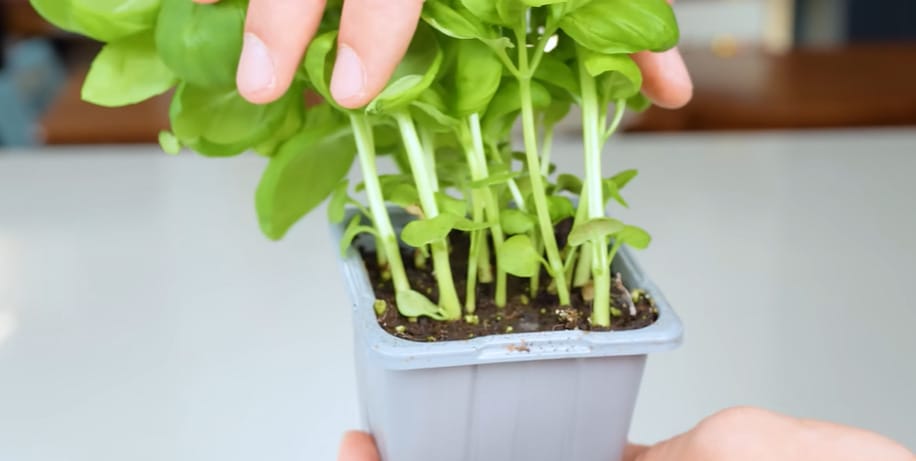
Basil plants have extensive root systems. Planting many in one pot can cause root competition. They will fight for nutrients and water. This can lead to poor growth and smaller leaves.
To avoid this, use a larger pot if you want multiple plants. Ensure the pot has good drainage. Use high-quality soil to provide enough nutrients. A well-fed plant is a happy plant.
| Spacing Requirement | Result |
|---|---|
| 6 inches apart | Healthy growth |
| Too close | Weak plants |
| Adequate pot size | Strong roots |
| Small pot | Root competition |
In summary, give each basil enough space. Use a large pot and good soil. This ensures your basil thrives and stays healthy.
Basil is a popular herb with a delightful aroma and flavor. Caring for basil plants ensures their healthy growth. Here’s how you can take care of your basil plants.
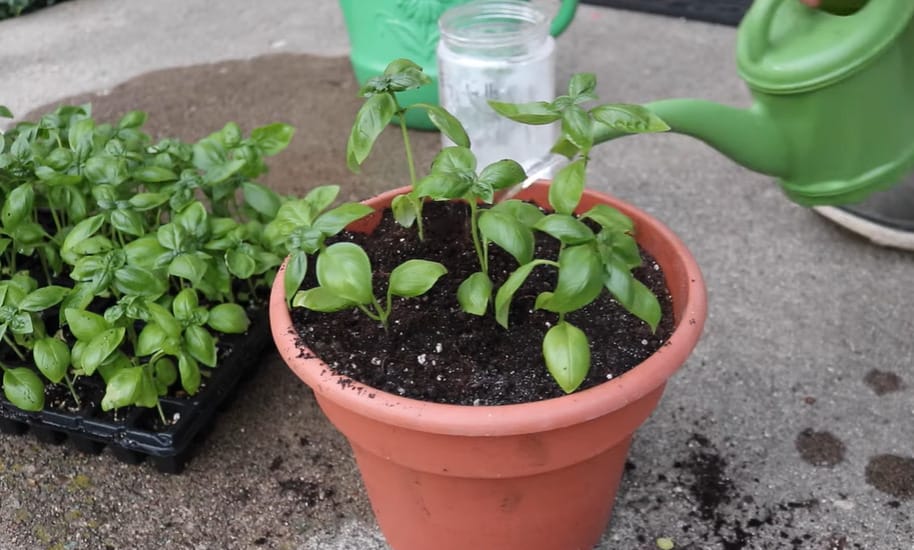
Basil plants need a consistent watering schedule. Water the plants every 3-4 days. Check the soil before watering. The top inch of soil should be dry. Overwatering can harm basil plants. Use a watering can with a narrow spout. This helps you water the soil directly. Avoid wetting the leaves. Wet leaves can attract diseases.
Basil plants need nutrients for healthy growth. Use a balanced fertilizer every 2-3 weeks. A 10-10-10 fertilizer works well. This means equal parts nitrogen, phosphorus, and potassium. You can also use organic compost. Mix it into the soil for best results.
Here’s a simple table to guide you:
| Type | Frequency | Application |
|---|---|---|
| 10-10-10 Fertilizer | Every 2-3 weeks | Mix with water |
| Organic Compost | Monthly | Mix into soil |
Keep the soil nutrient-rich for healthy basil plants. Happy gardening!
Planting a lot of basil in one pot can be tricky. It's essential to know the common issues and solutions. This guide will help you maintain healthy basil plants.
Basil plants attract pests. The most common pests include aphids, spider mites, and whiteflies. Here are some solutions:
Keep an eye out for pests. Check your plants daily. Early detection is key.
Basil plants are prone to diseases like downy mildew and fusarium wilt. Preventing these diseases is crucial. Follow these tips:
Maintain a clean growing area. Remove any diseased leaves immediately. This helps to prevent the spread.
| Tip | Action |
|---|---|
| Proper Watering | Water in the morning. Keep the soil moist. |
| Sunlight | Ensure 6-8 hours of sunlight daily. |
| Pruning | Prune regularly to encourage growth. |
Follow these tips. Your basil plants will thrive. Enjoy fresh, healthy basil from your garden.
Knowing how to harvest basil is important for healthy growth. Proper harvesting ensures you get the most flavor from your plants.
The best time to harvest basil is in the morning. The leaves have the most oils then. Harvest before the plant flowers for the best taste. Cut the leaves when the plant is about 6-8 inches tall.
Use clean, sharp scissors or pruners to cut the leaves. This prevents damage to the plant. Cut just above a leaf node to promote new growth.
Store the harvested leaves in a cool, dry place. Use fresh basil for the best flavor. You can also dry or freeze the leaves for later use.
Fresh basil is a versatile herb with many uses. It adds flavor to dishes and has numerous health benefits. Growing your own basil can be rewarding. Let's explore how to use fresh basil effectively.
Fresh basil enhances the taste of many dishes. Here are some popular uses:
Proper storage keeps basil fresh for longer. Follow these tips:
Using these methods, you can enjoy fresh basil anytime. Always make sure to use clean and dry containers for storage.
| Storage Method | Duration |
|---|---|
| Refrigeration | 1 week |
| Freezing | 6 months |
| Drying | 1 year |
| Oil Preservation | 1 month |
Yes, you can plant multiple basil plants in one pot. Ensure the pot is large enough.
One to two basil plants per pot is ideal. This ensures they have enough space to grow.
A 12-inch diameter pot works well for basil. It provides adequate space for roots to spread.
Yes, basil thrives in full sunlight. Aim for at least 6-8 hours of direct sunlight daily.
Water basil when the top inch of soil is dry. Avoid overwatering to prevent root rot.
Planting many basil plants in one pot can be risky. They need space to grow well. Overcrowding may stunt growth and reduce yield. For healthy basil, consider spacing them out. This will ensure better airflow and nutrient distribution. Happy gardening!