Gardening Made Simple.
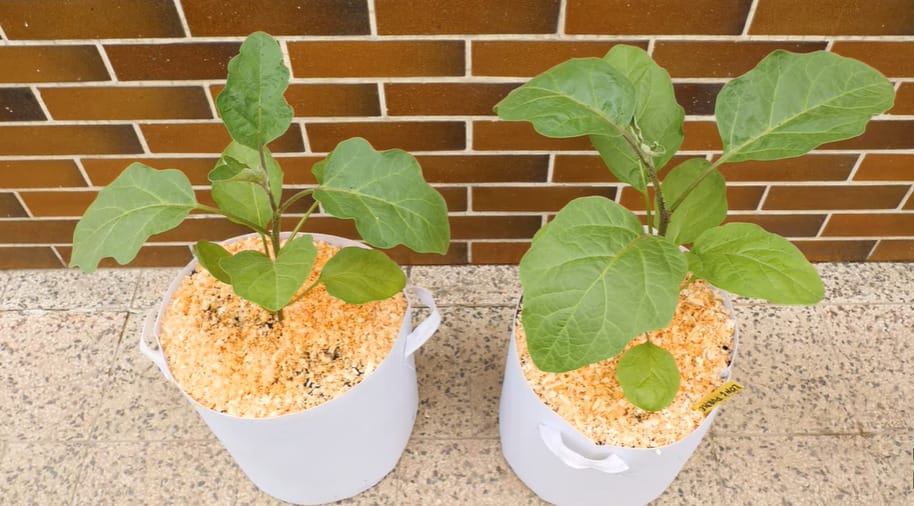
Are you ready to grow your own fresh, tasty eggplants right from seed? Growing Eggplant from Seed might seem tricky at first, but with the right tips and care, you can enjoy a bountiful harvest of healthy, flavorful eggplants straight from your garden.
Imagine picking vibrant purple fruits you grew yourself—no store trips needed. In this guide, you’ll discover simple steps that make growing eggplants easy and rewarding. Keep reading, and you’ll learn how to turn tiny seeds into healthy, thriving plants that will impress your family and friends.
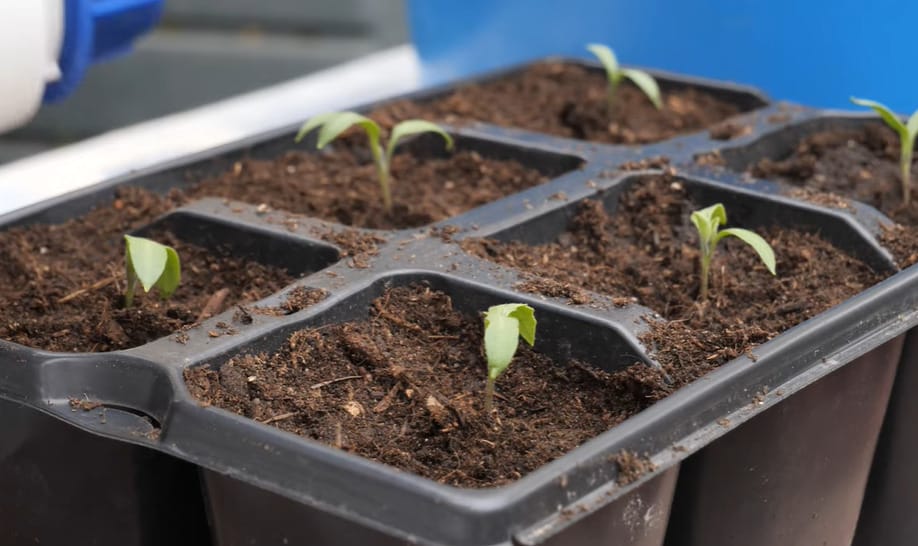
Choosing the right eggplant variety is key to a successful garden. Different types suit different needs and climates. Picking a variety that fits your space and weather helps your plants thrive. This guide covers popular options, seed types, and climate choices.
Start with easy-to-grow eggplants. 'Black Beauty' is common and reliable. It produces large, shiny purple fruits. 'Dusky' also works well with good disease resistance. These varieties grow well in most gardens. Their care needs are simple, perfect for new growers.
Heirloom seeds come from plants grown for many years. They keep their traits and taste unique. Hybrids result from crossing two varieties. They often yield more fruit and resist disease better. Choose heirlooms for flavor and tradition. Pick hybrids for stronger plants and bigger harvests.
Warm climates suit most eggplants. Varieties like 'Thai Long Green' thrive in heat. Cooler areas need early maturing types. 'Little Finger' grows well in shorter seasons. Select varieties that match your local weather. This improves growth and fruit quality.
Preparing eggplant seeds before planting helps improve germination and growth. Proper seed care ensures strong, healthy seedlings. Simple steps can make a big difference in your garden's success.
Understanding seed quality and using the right techniques helps your seeds sprout faster. This section explains how to handle eggplant seeds for the best results.
Choose seeds that look healthy and firm. Avoid seeds that are cracked or shriveled. Fresh seeds usually sprout better than old ones.
Store seeds in a cool, dry place. Use airtight containers to keep moisture out. Keep seeds away from heat and sunlight. Proper storage keeps seeds alive longer.
Soaking seeds softens their outer shell. Soak eggplant seeds in warm water for 12 to 24 hours. This speeds up germination by helping water reach the seed inside.
Scarification means gently scratching the seed coat. Use fine sandpaper or a nail file. This helps water enter seeds with hard shells. Be careful not to damage the seed inside.
Soaking and scarification improve seed sprouting. Use these methods to give your eggplants a strong start.
Starting eggplant seeds indoors gives them a warm, safe place to grow. It helps young plants develop strong roots before moving outside. This step improves the chances of a healthy and fruitful garden. Proper care during this stage sets the foundation for big, tasty eggplants.
Choose a light, well-draining soil mix for eggplant seeds. A mix of peat moss, vermiculite, and perlite works well. Avoid heavy or clay soils that hold too much water. The soil should stay moist but not soggy. Good soil helps seeds sprout quickly and keeps roots healthy.
Eggplant seeds need warmth to germinate. Keep the soil temperature between 75°F and 85°F for best results. Use a heat mat if your home is cool. Once seeds sprout, provide 12 to 16 hours of bright light daily. A sunny window or grow lights can work. Proper light prevents seedlings from growing tall and weak.
Select containers with drainage holes to avoid water buildup. Seed trays, peat pots, or small plastic pots are good choices. Fill containers with the soil mix and plant seeds about ¼ inch deep. Label each container to track your seedlings. Keep containers in a warm, bright spot until seedlings grow strong enough to transplant.
Growing eggplant from seed needs careful attention at the seedling stage. This phase sets the foundation for strong, healthy plants. Proper care helps seedlings grow fast and resist problems. Focus on watering, feeding, and protecting seedlings for best results.
Seedlings need consistent moisture but not too much water. Keep the soil damp like a wrung-out sponge. Water gently to avoid washing away seeds or damaging roots. Use a spray bottle or a watering can with a fine rose. Check soil daily and water as soon as the top feels dry. Avoid letting seedlings sit in water to prevent root rot.
Young eggplants need nutrients to grow strong. Use a diluted, balanced fertilizer to feed seedlings every two weeks. A liquid fertilizer with equal parts nitrogen, phosphorus, and potassium works well. Too much fertilizer can burn tender roots. Start feeding once seedlings develop their first true leaves. Healthy feeding helps plants grow sturdy stems and dark green leaves.
Watch seedlings closely for pests like aphids and spider mites. These bugs can quickly damage young plants. Remove pests by hand or spray with mild insecticidal soap. Keep the growing area clean to prevent disease. Avoid overcrowding seedlings for good air flow. Early care stops problems before they spread to mature plants.
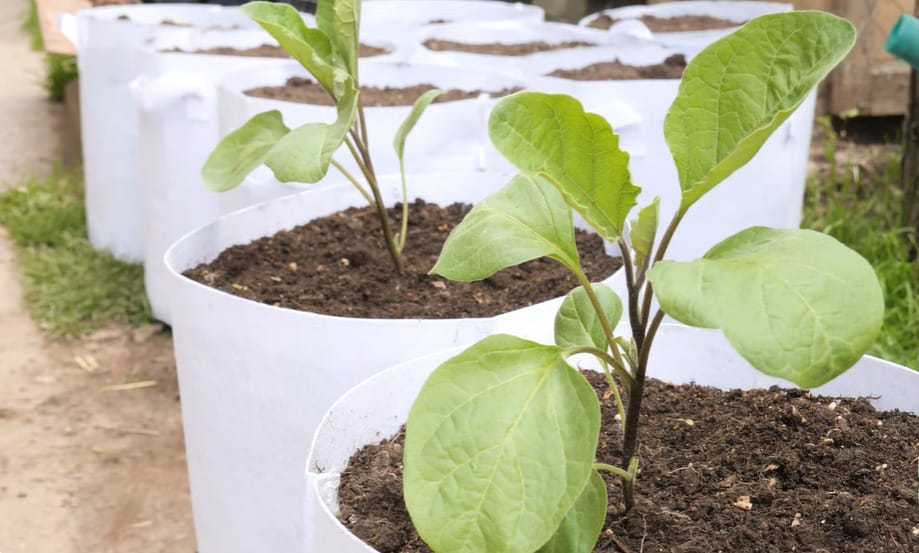
Transplanting eggplant seedlings outdoors is a key step in growing healthy plants. Moving them from indoors to the garden needs care. Proper transplanting helps seedlings adapt and grow strong.
Prepare well before moving seedlings outside. This protects young plants from stress. Follow the right steps for best results.
Choose the right time to transplant eggplants. Wait until the danger of frost has passed. Soil temperature should be above 60°F (16°C). Seedlings need to be 6 to 8 weeks old. They should have at least 2 to 3 true leaves.
Harden off seedlings before planting outside. Start by placing them outdoors for a few hours daily. Increase the time outdoors over 7 to 10 days. Avoid strong sun and wind at first. This process helps seedlings adjust to outdoor conditions.
Prepare soil before transplanting eggplants. Choose a sunny spot with well-draining soil. Work in compost or aged manure to enrich soil. Ensure soil is loose to allow root growth. Space plants about 18 to 24 inches apart. This gives each seedling room to grow.
Growing eggplants from seed requires the right conditions to help plants thrive. Healthy plants produce more fruit and resist pests better. Understanding the key needs like sunlight, water, and support keeps your garden strong.
Eggplants need full sun to grow well. They require at least 6 to 8 hours of direct sunlight daily. Sunlight helps plants produce energy and develop flowers and fruit. Choose a sunny spot in your garden for best results.
Keep soil moist but not soggy. Water eggplants deeply once or twice a week. Avoid wetting leaves to reduce disease risk. Mulch around plants to keep soil cool and retain moisture. Mulching also helps prevent weeds from growing.
Eggplants grow tall and can become heavy with fruit. Use stakes or cages to support stems and branches. This prevents bending or breaking during wind or rain. Secure plants gently to avoid damage but keep them stable.
Growing eggplants from seed can be rewarding but challenging. Problems may appear during growth. Knowing common issues helps keep plants healthy. Solving problems early improves your harvest. Below are frequent problems and easy solutions for eggplant growers.
Eggplants attract pests like aphids, flea beetles, and spider mites. Aphids suck sap and cause leaves to curl. Flea beetles make small holes in leaves, harming young plants. Spider mites create tiny webs and yellow spots on leaves. Use insecticidal soap or neem oil to control pests. Handpick larger insects to reduce damage. Keep plants clean and avoid overcrowding to prevent pests.
Eggplants can get diseases such as blight, verticillium wilt, and powdery mildew. Blight causes dark spots on leaves and stems. Verticillium wilt makes leaves yellow and wilt. Powdery mildew shows white powder on leaves. Water plants at the base to keep leaves dry. Remove infected leaves right away. Use fungicides if disease spreads quickly. Rotate crops yearly to reduce soil diseases.
Yellow leaves or poor growth show nutrient problems. Lack of nitrogen causes pale, small leaves. Low potassium leads to leaf edges turning brown. Calcium deficiency causes blossom end rot on fruits. Use balanced fertilizer with nitrogen, potassium, and calcium. Test soil before planting to know nutrient levels. Add compost or organic matter to improve soil health.
Harvesting and storing eggplants correctly helps keep their flavor and texture fresh. Picking eggplants at the right time ensures they taste best. Proper storage methods extend their shelf life. This section covers how to identify ripe eggplants, the best way to harvest them, and how to store them for freshness.
Eggplants are ripe when their skin is shiny and smooth. The color should be deep and rich, depending on the variety. Press the skin gently. It should feel firm but slightly give to pressure. Avoid eggplants with dull skin or soft spots. These signs show overripe or damaged fruit. The seed color inside should be light, not brown.
Use a sharp knife or garden shears to cut eggplants. Cut the stem about an inch above the fruit. Handle the eggplant gently to avoid bruising. Pick eggplants early in the day for best freshness. Avoid pulling or twisting the fruit from the plant. This can damage the plant and reduce future harvests.
Store eggplants in a cool, dry place away from direct sunlight. Keep them in a breathable bag or container. Avoid storing eggplants near fruits that produce ethylene gas, like bananas or tomatoes. This gas can cause eggplants to spoil faster. Use eggplants within a few days for best taste. For longer storage, refrigerate them in the crisper drawer.
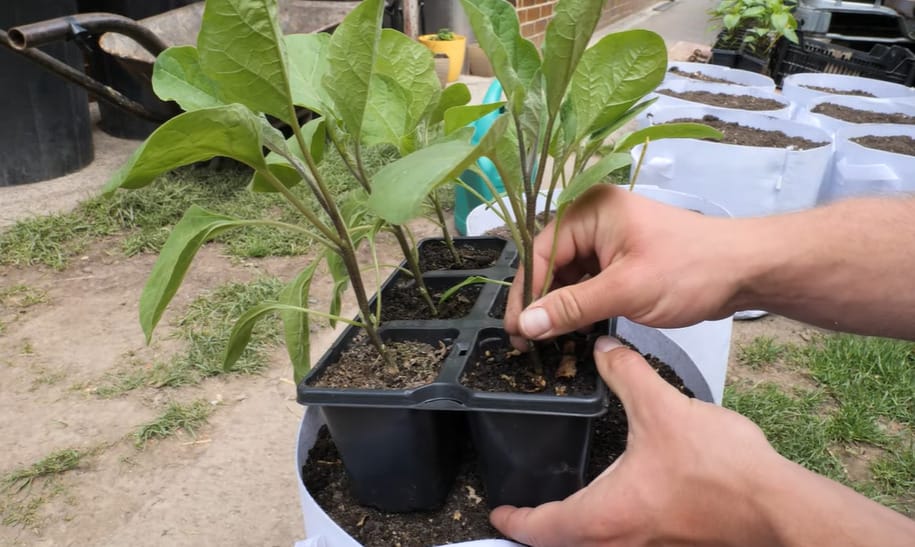
Eggplant seeds usually sprout in 7 to 14 days with warm soil and proper moisture.
Use well-drained, fertile soil rich in organic matter for healthy eggplant growth.
Eggplants need full sun, about 6 to 8 hours of direct light daily.
Transplant seedlings after the last frost, when soil is warm and plants have 4-6 leaves.
Keep soil moist but not soggy; water seedlings about 2-3 times per week.
Growing eggplant from seed takes patience and care. Start with good soil and enough sunlight. Keep the soil moist, but not too wet. Watch for pests and remove them quickly. Transplant seedlings when they are strong enough. With time, you will enjoy fresh eggplants from your garden.
Small steps lead to healthy plants. You can do this. Happy gardening!