Gardening Made Simple.
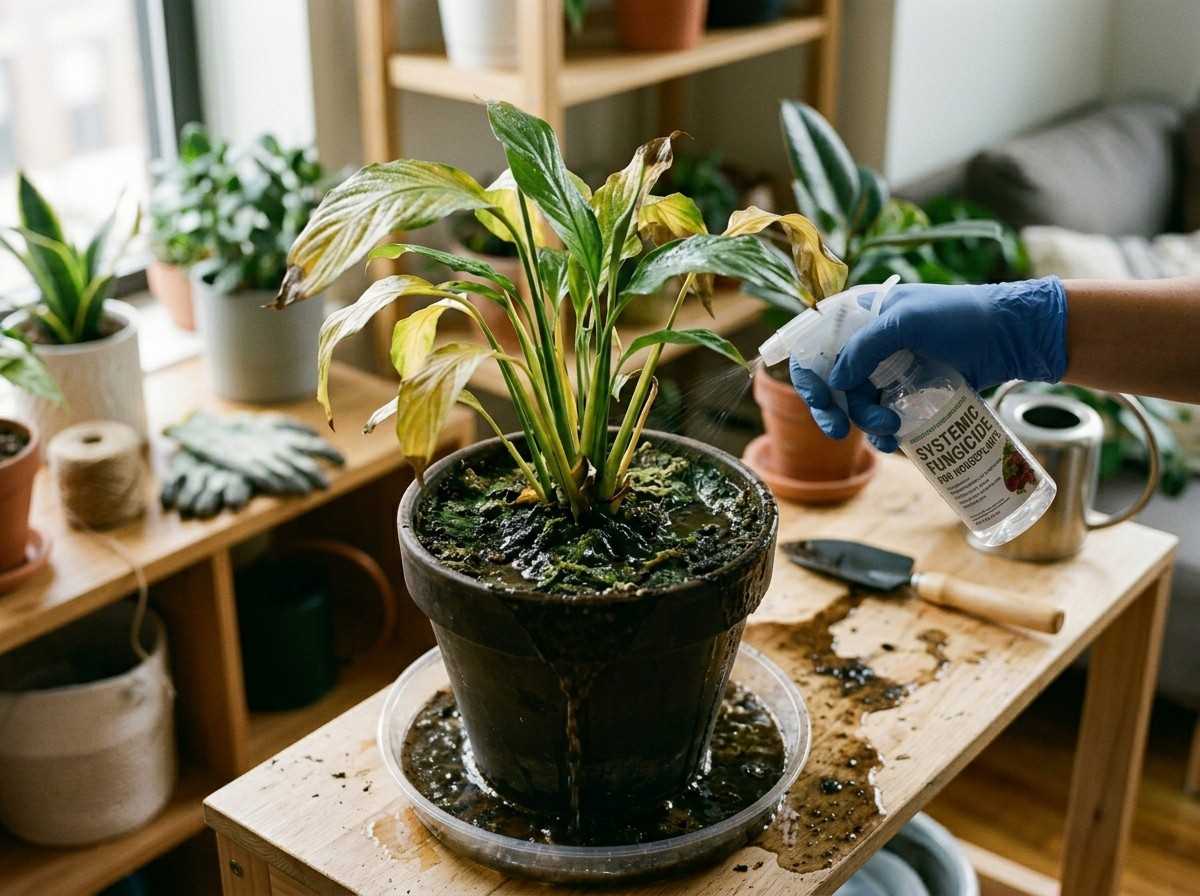
Are you struggling with unhealthy plants that just won’t grow right? Root rot could be the hidden enemy damaging your garden or crops without you knowing. Using the right Fungicide for Root Rot can help stop the spread of disease, protect plant roots, and restore healthy growth.
Finding the right fungicide for root rot is crucial to save your plants and boost their health. You’ll discover simple, effective solutions to protect your roots and revive your greenery. Keep reading to learn how to fight root rot and keep your plants thriving like never before.
Root rot is a serious problem for many plants. It damages roots and stops them from working well. Understanding what causes root rot helps protect plants better. Causes include living germs, the environment, and soil quality. Each factor plays a role in the disease’s growth and spread.
Root rot starts with tiny germs in soil. These include fungi like Pythium, Phytophthora, and Fusarium. They attack roots and cause decay. These pathogens thrive in wet, poorly drained soils. They spread quickly from plant to plant through water and soil.
Too much water is a top cause of root rot. Overwatering fills soil with water and blocks air. Roots need air to breathe and stay healthy. Warm temperatures also help fungi grow faster. Poor air flow around plants adds to the risk.
Soil that holds too much water causes root rot. Clay soils drain slowly and stay wet longer. Compacted soil stops water from moving down. This creates an ideal place for fungi. Good soil structure and drainage prevent root rot problems.
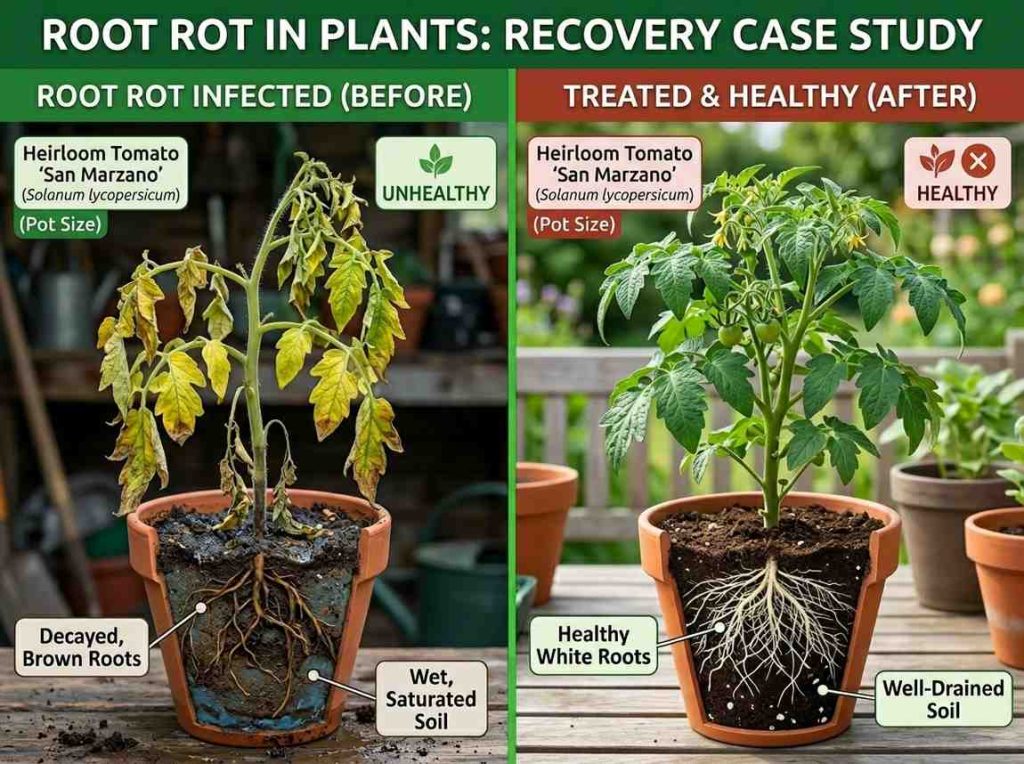
Root rot is a serious problem for many plants. It can kill roots and stop plants from growing well. Early detection helps save plants. Signs of root rot appear above and below the soil. Knowing these signs can guide you to act fast.
Leaves may turn yellow or brown. They can wilt even if the soil is wet. Stems might look soft or dark at the base. Plants often lose their leaves too soon. Spots or mold may show on the plant surface.
Plants grow slower or stop growing. They may look weak or droopy. New shoots may fail to appear. Flowers and fruits can drop early. Plants may need more water but still seem dry.
Healthy roots are white and firm. In root rot, roots turn brown or black. They look mushy or slimy to touch. Roots may smell bad or rotten. Many roots might fall off when touched.
Fungicides help control root rot by stopping fungi that harm plant roots. Different types work in different ways. Choosing the right fungicide is key to protecting your plants and keeping roots healthy.
Systemic fungicides move inside the plant. They spread through the roots and stems. This helps protect new growth from fungal attacks. These fungicides work from inside the plant, making them effective for root rot.
Contact fungicides stay on the plant surface. They kill fungi only where sprayed. These fungicides protect roots by forming a barrier. They work best as a preventive measure against root rot.
Biological fungicides use natural organisms to fight fungi. They improve soil health and help plants resist root rot. These fungicides are safe for the environment and useful in organic gardening.
Choosing the right fungicide is key to controlling root rot effectively. Not all fungicides target the same pathogens. Knowing which one fits your problem saves time and money. It also helps protect your plants from damage.
Root rot can be caused by different fungi like Pythium, Phytophthora, or Fusarium. Each fungus needs a specific fungicide. Check the label to see which fungus the product controls. Using the wrong fungicide wastes resources and may not stop the disease.
Testing soil or plant samples helps identify the exact pathogen. This step guides your fungicide choice. Some products fight multiple fungi. These are good for mixed infections.
Some fungicides can harm sensitive plants. Always read safety instructions carefully. Look for products labeled safe for your plant species. Avoid using strong chemicals on young or stressed plants.
Follow dosage directions strictly. Overuse can burn roots or leaves. Use protective gear during application to avoid skin contact. Keep pets and children away from treated areas.
Fungicides come in sprays, drenches, powders, or granules. Choose a method that suits your plant and soil type. Soil drenches target root zones directly. Sprays are good for above-ground parts but less effective on roots.
Apply fungicides evenly to cover all affected areas. Timing matters. Treat early signs of root rot for best results. Repeat treatments as recommended on the label to keep disease under control.
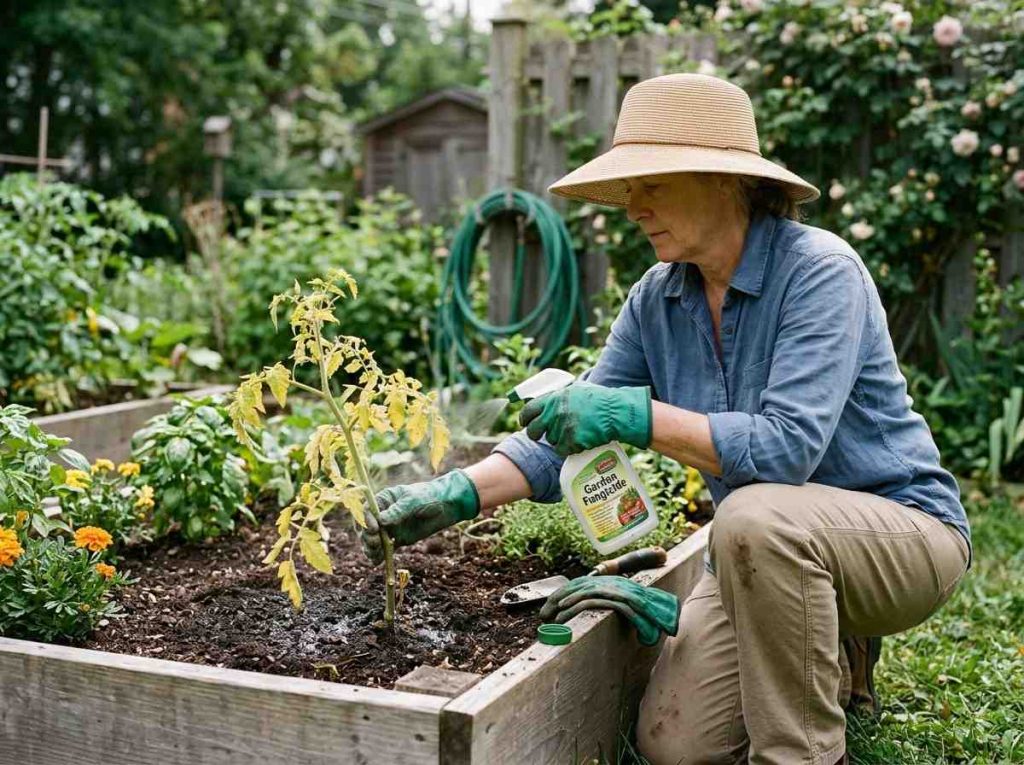
Applying fungicide correctly is key to controlling root rot effectively. The method of application affects how well the fungicide works. Different techniques suit different plants and conditions. Understanding these methods helps protect your plants better. Below are common application techniques for fungicide use against root rot.
Soil drenching means pouring fungicide solution directly onto the soil near plant roots. This method targets the disease right where it starts. The liquid moves through the soil to reach infected roots. Soil drenching helps protect roots from fungal damage. Use enough solution to soak the root zone without flooding. This technique suits potted plants and garden beds.
Foliar spray involves spraying fungicide on plant leaves and stems. It controls fungal spores before they reach the roots. This method is fast and covers large areas quickly. Spray during calm weather to avoid drift. Foliar spray is useful for plants with dense foliage. It can reduce fungal spread above ground.
Seed treatment coats seeds with fungicide before planting. This protects young roots from fungal infection. Treating seeds stops root rot early, even before symptoms appear. It improves seed germination and plant health. Seed treatment works well for crops and garden plants. Follow instructions to avoid harming the seeds.
Preventing root rot is the best way to protect your plants. This disease harms roots and stops plants from taking water and nutrients. Healthy roots mean healthy plants. Taking steps early can keep root rot away. Simple care habits make a big difference.
Water plants only when the topsoil feels dry. Avoid overwatering because wet soil causes root rot. Use a watering can that controls flow. Water at the base, not the leaves. Morning watering helps soil dry during the day.
Good soil drainage stops water from pooling around roots. Add sand or organic matter to heavy soil. Raised beds improve drainage for garden plants. Check pots have holes to let water escape. Well-drained soil keeps roots healthy and strong.
Clean tools and pots before use to avoid spreading fungi. Remove old plant debris from the garden. Rotate crops yearly to prevent disease buildup. Different plants reduce root rot risk in soil. Keep your garden clean for healthy growth.
Natural alternatives offer safe and effective ways to fight root rot. These methods support plant health without harsh chemicals. They work by improving soil and protecting roots.
Beneficial microbes are tiny organisms that help plants grow. They fight harmful fungi that cause root rot. Adding microbes like mycorrhizae and Trichoderma improves soil health. These microbes boost nutrient uptake and protect roots from disease.
Organic treatments use natural ingredients to control root rot. Products with neem oil, copper, or sulfur target fungal infections. These treatments reduce chemical use and keep soil alive. Regular application helps maintain strong and healthy roots.
Simple home remedies can prevent and treat root rot. A mix of baking soda and water stops fungal growth. Diluted hydrogen peroxide cleans soil and adds oxygen. These easy solutions are safe for plants and the environment.
Monitoring and follow-up are key steps after applying fungicide for root rot. These steps help ensure the treatment works well. They also catch any new signs of disease early. Careful observation protects your plants and supports healthy growth.
Check your plants often for any signs of root rot. Look for yellow leaves, wilting, or soft roots. Use a magnifying glass if needed. Early detection helps stop the spread of the disease.
Know the right time to apply fungicide again. Follow the product label instructions carefully. Too soon or too late can reduce effectiveness. Keep a schedule to stay on track and protect your plants.
Change watering habits to prevent root rot. Avoid overwatering and improve soil drainage. Remove dead or infected plant parts. These steps help the fungicide work better and keep roots healthy.
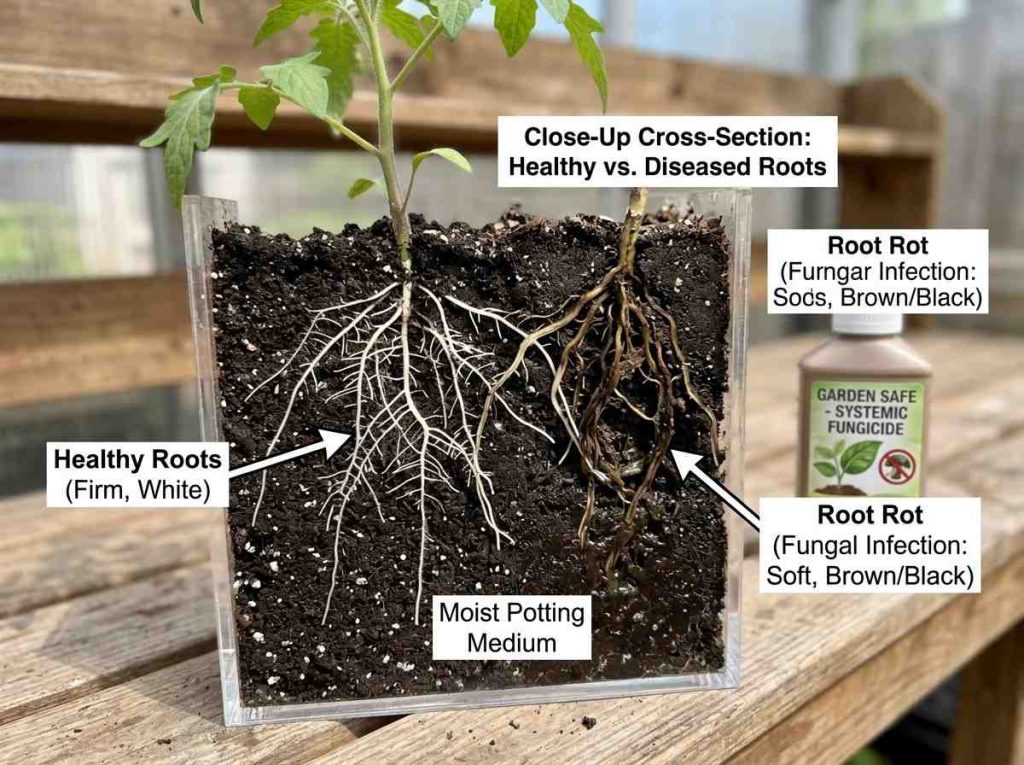
A fungicide with active ingredients like metalaxyl or mefenoxam works well against root rot.
Fungicides stop fungal spores from growing and spreading in the soil near roots.
Fungicide can slow root rot but may not fully save severely damaged plants.
Apply fungicide every 7 to 14 days during wet conditions or when root rot risk is high.
Some organic fungicides like neem oil help, but chemical fungicides often work faster and stronger.
Choosing the right fungicide helps protect plants from root rot. Treating early stops the disease from spreading. Healthy roots mean stronger, greener plants. Regular care and good soil also reduce risk. Keep watching your plants for signs of trouble. Quick action saves your garden from damage.
Simple steps lead to better plant health. Root rot won't stand a chance with proper care.