Gardening Made Simple.
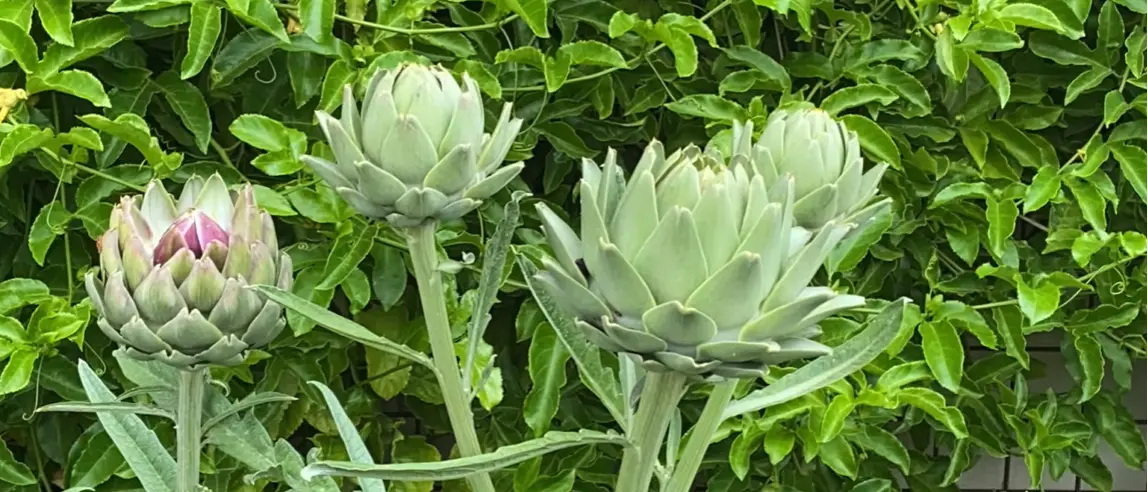
Have you ever wanted to grow fresh, delicious artichokes right on your balcony or patio? Growing artichokes in pots is easier than you might think, and it’s a rewarding way to enjoy this unique vegetable at home.
Imagine picking a tender, homegrown artichoke whenever you want—no need to rely on store-bought ones that might not be as fresh or flavorful. You’ll discover simple tips and tricks to help your potted artichokes thrive, even if you have limited space or gardening experience.
Ready to turn your pots into a mini artichoke garden? Let’s dive in!
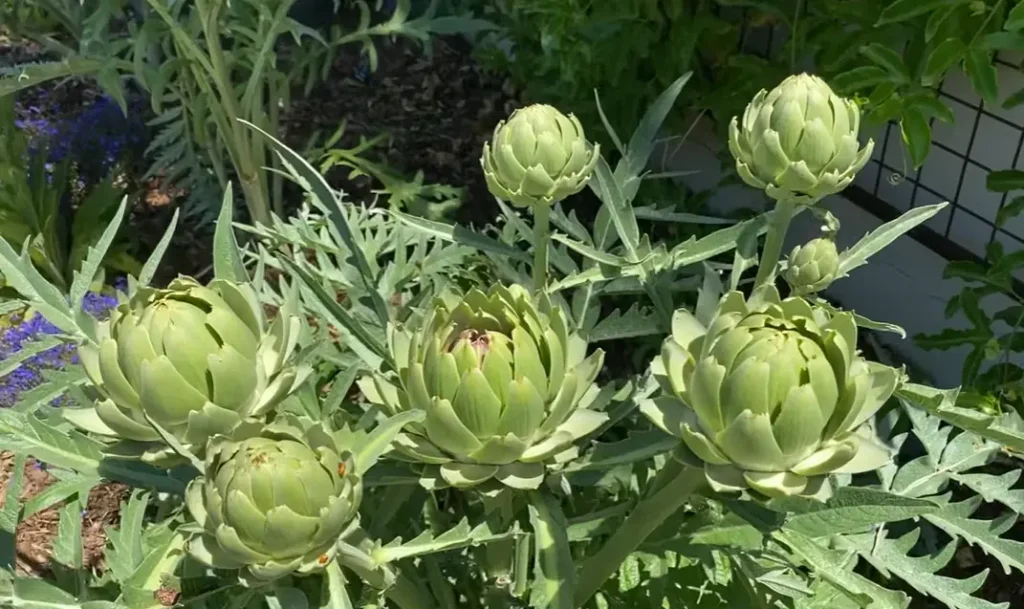
Choosing the right pot is key for growing healthy artichokes in containers. A good pot supports root growth and keeps the plant stable. It also helps control water and air flow to the roots. Selecting a pot that fits your space and the plant’s needs makes a big difference.
Artichokes need large pots to grow well. A pot at least 18 inches wide and deep works best. This size gives roots room to spread. Clay or ceramic pots are great because they breathe. They let air reach the roots and stop water from sitting too long. Plastic pots hold moisture longer but can make roots too wet. Choose a material that suits your climate and watering habits.
Drainage holes are a must. They prevent water from pooling and causing root rot. Check that your pot has several holes at the bottom. A saucer under the pot helps catch extra water and protects floors. Mobility also matters. Artichoke pots can be heavy when full. Use pots with handles or place them on rolling stands. This way, you can move them to catch sunlight or shelter from bad weather.
Selecting the right artichoke variety is key for success in container gardening. Not all types grow well in pots. Some need too much space or climate control. Choose varieties that fit your container size and local weather. This makes growing artichokes easier and more rewarding.
Choose compact artichoke types for pots. Some varieties stay smaller and fit well in containers. 'Imperial Star' is a popular choice. It produces medium-sized buds and grows well in pots. 'Green Globe Improved' is another option. It adapts to container life and gives good yields. These types need less space but still give tasty artichokes.
Heirloom varieties offer rich flavor and unique traits. They have grown for many years without changes. These types may need more care in pots. Hybrids are bred for stronger growth and pest resistance. They often produce more and handle container limits better. Choose hybrids for easier care and higher yields. Pick heirlooms for taste and tradition.
Growing artichokes in pots starts with good soil and proper planting. Healthy roots need the right soil mix. Planting depth and spacing affect how well your artichokes grow. Follow these tips for best results.
Choose a well-draining soil mix for your artichokes. Combine potting soil with sand or perlite. This mix stops water from pooling around roots. Artichokes like soil that holds moisture but drains well. Add compost to provide nutrients for strong growth. Avoid heavy clay soils that trap water. Good soil helps roots breathe and grow deep.
Plant artichokes at the right depth to prevent root damage. Set the root ball just below the soil surface. Cover gently with soil without packing it hard. Leave enough space between plants in the pot. Space them at least 18 inches apart. Crowded plants compete for light and nutrients. Proper spacing allows air to flow and keeps leaves dry.
Growing artichokes in pots needs special care with water and food. These plants need the right amount of water and nutrients to grow strong. Too much or too little can harm them. Understanding how to water and feed artichokes helps them stay healthy and produce big buds.
Water artichokes regularly. The soil should stay moist but not soggy. Check the top inch of soil. If it feels dry, it is time to water. Use a watering can with a narrow spout to water gently. Avoid wetting the leaves to prevent disease.
Water deeply so water reaches the roots. Shallow watering makes roots weak. Early morning watering is best. It helps the plant use water all day. Avoid watering late in the evening to stop root rot.
Feed artichokes with balanced fertilizers. Use one with equal parts nitrogen, phosphorus, and potassium. These help leaves grow and buds develop. Apply fertilizer every two to three weeks during the growing season.
Organic compost or slow-release pellets work well in pots. They slowly provide nutrients over time. Avoid over-fertilizing, which can cause leaf burn. A healthy feeding routine keeps your artichokes thriving.
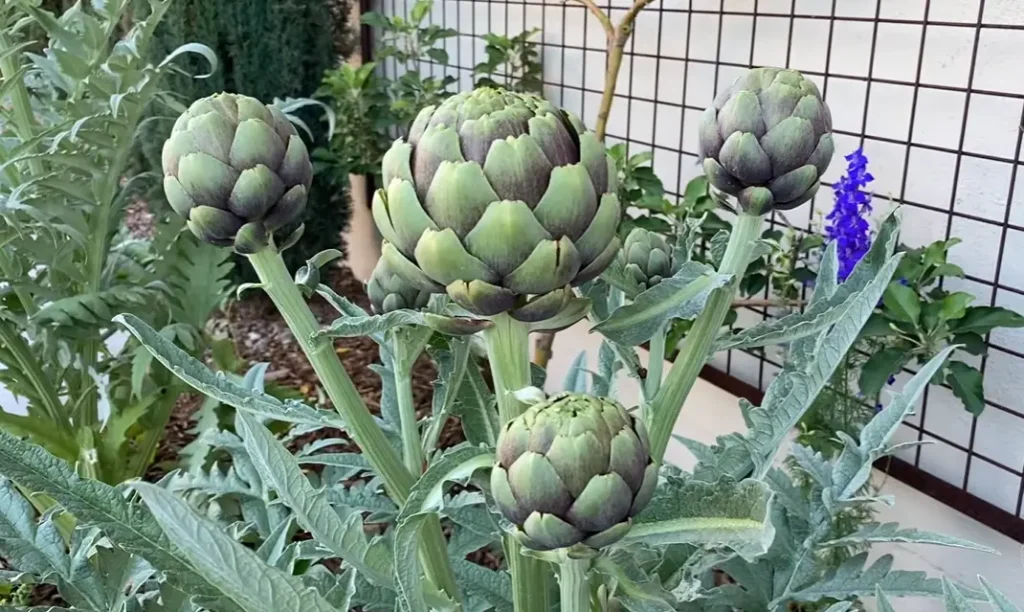
Growing artichokes in pots requires careful attention to sunlight and temperature. These two factors affect the plant’s growth and the size of its edible buds. Artichokes need enough light and stable temperatures for healthy development.
Artichokes thrive in full sunlight. They need at least six hours of direct sun daily. A sunny spot helps the plant produce large, tender buds. If sunlight is weak, the plant grows slowly and buds may be small or tough.
Place pots where the plant gets morning sun and some afternoon shade. This protects leaves from harsh midday heat. Bright light ensures strong stems and vibrant leaves.
Artichokes prefer mild temperatures between 60°F and 75°F (15°C to 24°C). Too much heat can cause stress and reduce bud quality. Cold temperatures below 50°F (10°C) slow growth and may damage leaves.
Move pots indoors or to a sheltered spot during cold nights. Use garden fabric to cover plants if frost appears. Avoid sudden temperature drops to keep plants healthy and productive.
Growing artichokes in pots is rewarding but needs care against pests and diseases. Keeping plants healthy requires regular checks and quick action. Pests can damage leaves and buds, reducing your harvest. Diseases can stunt growth or kill the plant. Spot problems early for better control.
Aphids often cluster on new leaves and stems. These small insects suck plant juices, causing wilting and yellow spots. Spider mites are tiny and create fine webs. They cause leaves to look speckled and dry. Slugs and snails chew holes in leaves, especially at night. They leave slimy trails that signal their presence. Artichoke plume moth larvae bore into stems and buds. This damage can ruin flower heads and stunt growth.
Spray aphids with a strong water jet to knock them off. Introduce ladybugs; they eat aphids and keep their numbers down. Use neem oil for spider mites and soft-bodied insects. Handpick slugs and snails during early morning or evening. Place barriers like copper tape around pots to stop them. For severe infestations, use insecticidal soap or approved pesticides. Always follow label instructions to protect your plant and environment.
Pruning and maintenance are important for healthy artichoke plants in pots. They help the plant grow strong and produce more buds. Regular care keeps your plant tidy and prevents disease.
Trim the artichoke plant to remove old flower stalks. This encourages new growth and more buds. Cut back stems after harvesting the artichokes. Use clean, sharp scissors or pruners to avoid damage.
Cutting helps the plant use energy for new shoots. It also keeps the plant from becoming too big for the pot. Trim in early spring and after each harvest for best results.
Check your plant often for yellow or brown leaves. Remove these leaves to prevent disease and pests. Dead leaves waste the plant’s energy and block sunlight from healthy parts.
Use clean hands or tools to pull off damaged leaves gently. Dispose of them away from the plant. Keep the area around the pot clean to reduce bugs and mold.
Harvesting artichokes is an exciting part of growing them in pots. It shows the effort you put into care and patience. Picking at the right time ensures the best taste and texture. Knowing the signs of readiness helps in getting the perfect harvest. Using the right techniques keeps the plant healthy for future growth.
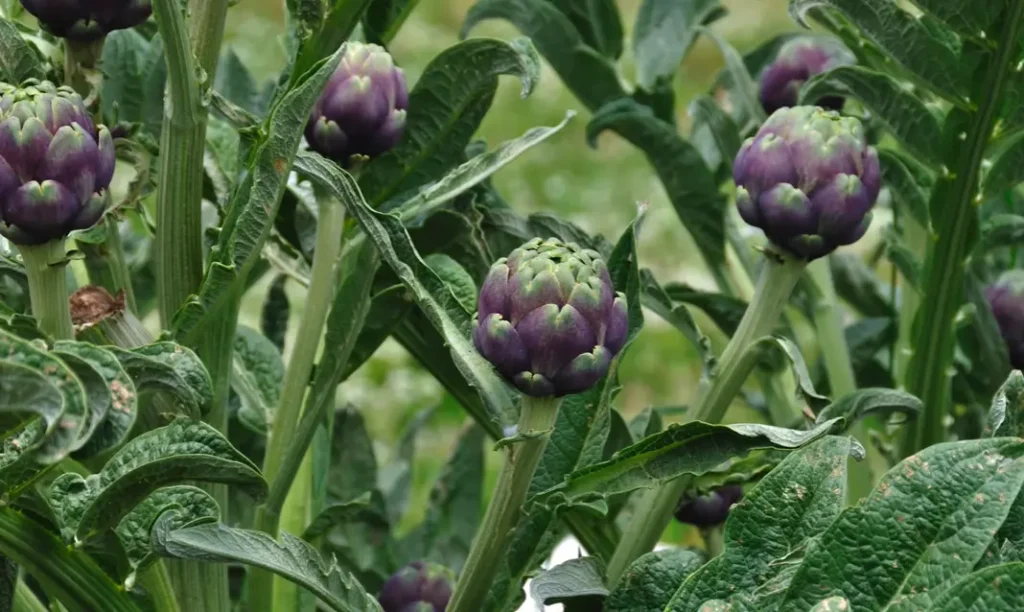
Artichokes are ready to harvest when the buds are firm and tight. The size should be about 3 to 5 inches in diameter. The color is usually deep green or slightly purple. If the buds start to open, they become tough and bitter. The stem should be thick and strong to support the bud. Check your plants every few days during harvest season.
Use a sharp knife or garden shears to cut the artichoke. Cut the stem about 1 to 3 inches below the bud. Avoid pulling or twisting the artichoke off the plant. Handle the buds gently to avoid bruising. Remove any leaves close to the bud for easier handling. Clean your cutting tools before and after use to prevent disease.
Growing artichokes in pots offers a unique challenge during winter. Protecting your plants from cold weather is crucial. Proper winter care helps them survive and thrive next season. This section explains how to prepare and store your artichokes during winter.
Start by trimming dead or damaged leaves. Remove old flower stalks to focus energy on the roots. Check the soil moisture; keep it slightly damp but not wet. Move pots to a sheltered spot away from wind. Cover the plant with frost cloth or burlap for extra warmth.
Place pots in a garage or basement if temperatures drop below freezing. Use mulch around the base to keep roots warm. Water sparingly during winter to avoid root rot. Avoid fertilizing until spring to prevent new growth. Monitor plants for pests and remove any found immediately.
Pots should be at least 12 inches deep and 18 inches wide to give roots room to grow.
Use well-draining, rich soil with compost or organic matter for healthy growth.
Water artichokes when the top inch of soil feels dry, about 2-3 times a week.
Yes, with enough sunlight and proper care, artichokes can grow indoors in pots.
Harvest artichokes about 85-100 days after planting when buds are tight and firm.
Growing artichokes in pots brings fresh flavors right to your doorstep. Choose a large pot with good drainage for healthy roots. Water regularly but avoid soggy soil to keep plants happy. Place pots where they get plenty of sunlight each day.
Watch for pests and remove any damaged leaves quickly. With patience and care, you can enjoy homegrown artichokes. Small steps lead to tasty results. Start today and enjoy the rewards of your effort. Gardening in pots can be simple and fun for everyone.